
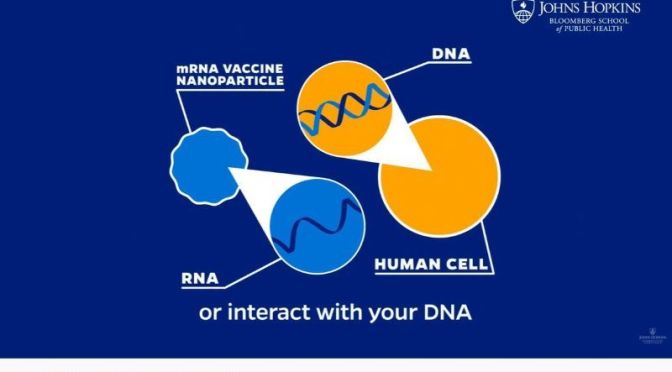
Messenger RNA—or mRNA—vaccines have been in development for decades, and are now approved for use against COVID-19. Here’s how they work and what you should know about them. Visit https://www.jhsph.edu/covid-19 for even more resources.
Category Archives: Women’s Health
THE DOCTORS 101 CHRONIC SYMPTOMS & CONDITIONS #35: HIP FRACTURES
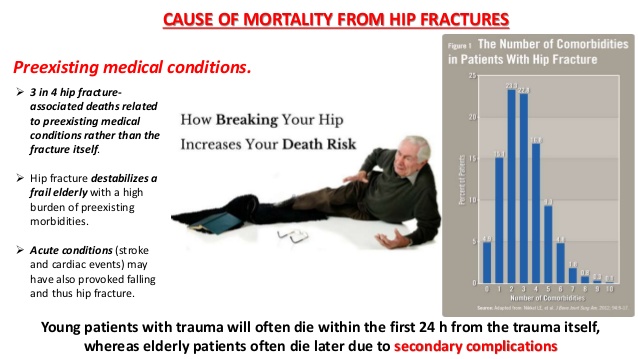
Hip fracture is an iconic bugaboo of old age. It is a chronic condition in the sense that its complications, such as Depression, blood clots and pneumonia often extend long beyond the healing process.
Predisposing factors include old age and associated risk factors like osteoporosis, sarcopenia (loss of muscle mass and strength), poor vision, poor balance and hazards in the home.
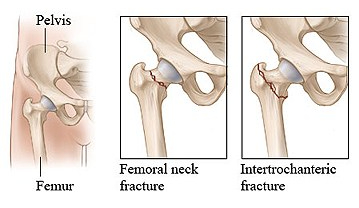
FALLING is the usual agency that produces the fracture. At the risk of being ostracized, I will point out that thousands of injuries sustained by walking or tripping over dogs (and cats) occur every year.
In my small “hilltop” group of friends, there was 1 fatality, 1 shoulder fracture-dislocation, 1 hip fracture, and 0 acknowledgements of animal causation. Members of the family are immune to blame.
Treatment of hip fracture involves surgery with pins, or the more cost-effective Hip replacement. PREVENTION is critical. Osteoporosis must be prevented by exercise, Calcium, vitamin D, and avoidance of certain medication like Corticosteroids.
Balance should be developed by exercises. Vision problems, such as cataracts,should be corrected. Muscle mass should be preserved by diet and exercise, and the home cleared of throw-rugs and obstacles removed.
Just yesterday, a friend wearing socks (reducing friction?) fell down some stairs after stepping over a dog-gate. She is scheduled to have her elbow pinned. Have I mentioned SLEEP, DIET and EXERCISE RECENTLY?
–Dr. C.
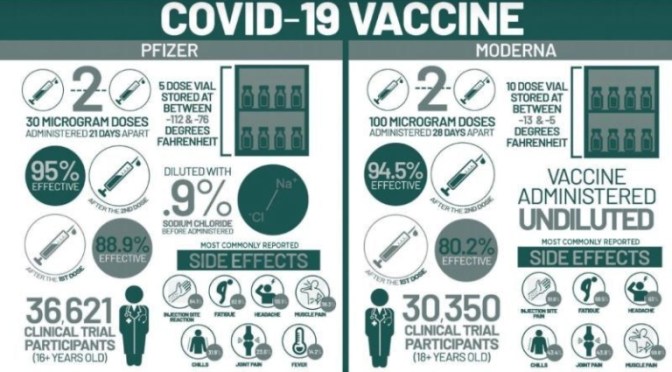
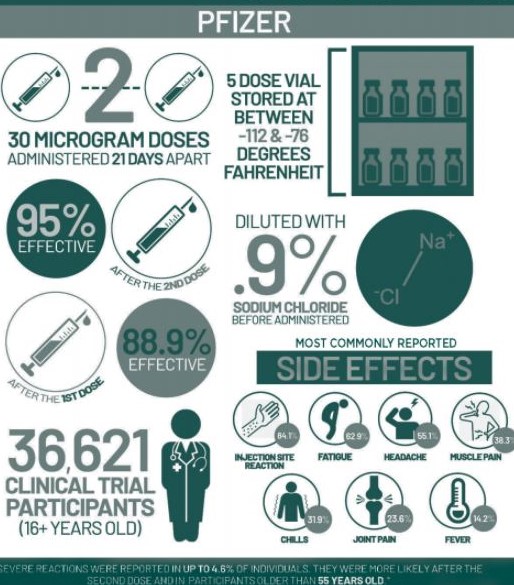
COVID-19 INFOGRAPHIC: PFIZER VS MODERNA

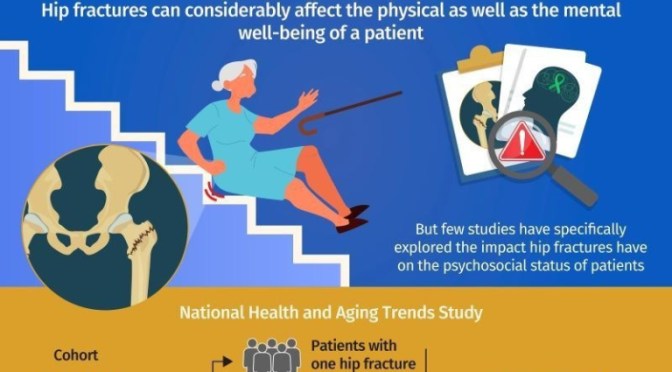
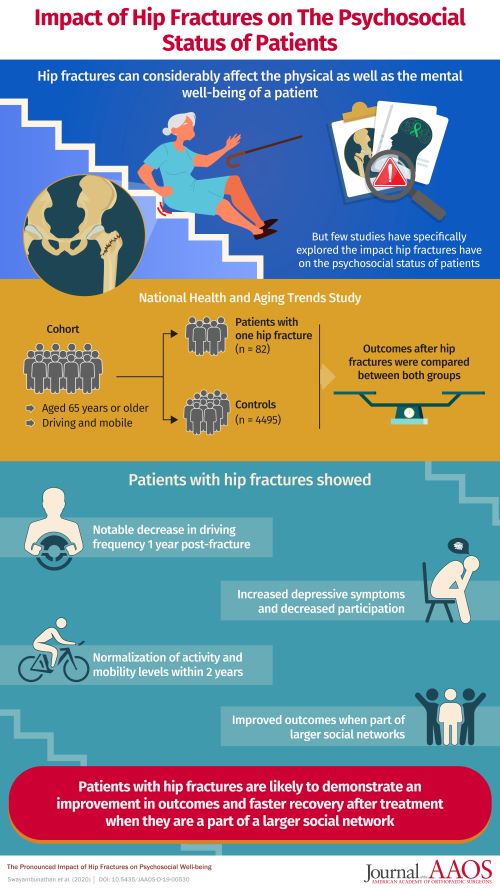
INFOGRAPHIC: PHYSICAL & MENTAL IMPACT OF HIP FRACTURES ON THE ELDERLY
THE DOCTORS 101 CHRONIC SYMPTOMS & CONDITIONS #34: Human Papillomavirus
Human Papillomavirus, HPV, is a very successful Virus, from the microbial standpoint. It has been around for a long time, specializes in Humans, kills many fewer than it infects and becomes a chronic disease, even if 90% of infections resolve spontaneously within 2 years.
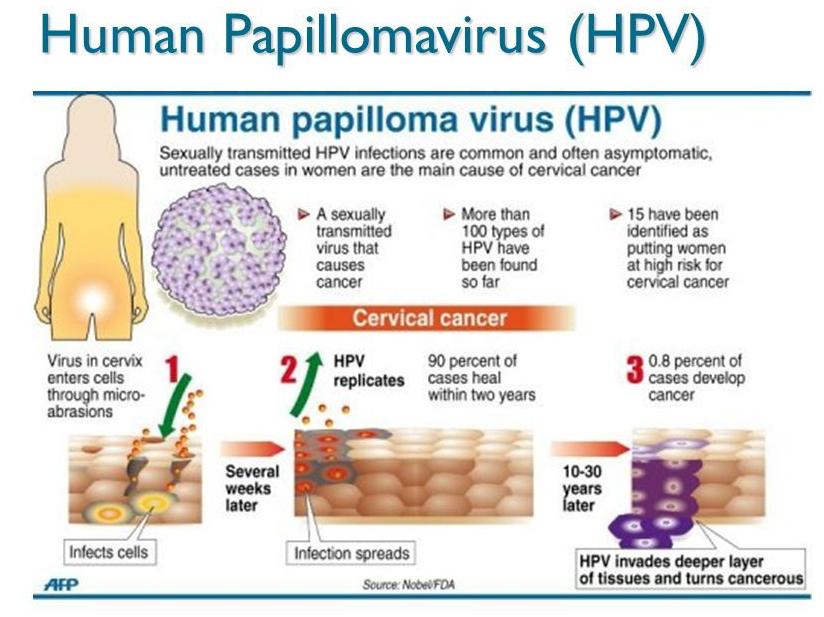
HPV is a DNA Virus. Most of the strains, if they persist, become harmless nuisances, and cause “Verruca Vulgaris”, the common wart of the skin. The voicebox and windpipe area is rarely targeted, but warts can produce problems there because of the location. Non-malignant genital warts can also occur with certain serotypes.
A few members of the HPV family have evolved to generate premalignant lesions that can develop into CANCER. These strains are spread by Sexual contact. In Women, the CERVIX of the Uterus or the vagina are often involved. The anal area, back of the throat and the Lung are occasional sites in both sexes. In Men, the Penis is targeted.
Cancer is generally a delayed effect that occurs after a long infection. Some HPV strains, such a 16 and 18, have evolved to suppress the p53 gene, an ONCOGENE which protects us from malignant progression. Without this protection, a chance cancerous mutation can grow without restraint. Since HPV can invade only the deeper basal stem cells in the skin or lining mucous membranes, some minor trauma or break in the surface is needed to allow Viral entry.
If antibodies are present, the Virus is intercepted, and infection doesn’t take place. This discovery made Immunization with the Cancer-producing strains attractive. It is also why the immunization is recommended in Childhood, before Sexual activity begins. Immunization after the HPV is already inside the body is Ineffective.
The Virus is already in the Nucleus of infected cells and protected from the immune response. The recommendation is to get the immunization in childhood, and use condoms.
–Dr. C.
HEALTH: ‘TOP FIVE DIETS’ RANKED – “KEEP IT SIMPLE”

Every year, as millions of people around the world forge new resolutions to eat healthier and lose weight, US News & World Report releases a conveniently timed ranking of the best diets. A panel of experts in obesity, nutrition, diabetes, heart disease, and food psychology rigorously rate each of 39 diets on seven criteria:
- Likelihood of losing significant weight in the first 12 months
- Likelihood of losing significant weight over two years or more
- Effectiveness for preventing diabetes (or as a maintenance diet)
- Effectiveness for preventing heart disease (or for reducing risk for heart patients)
- How easy it is to follow
- Nutritional completeness
- Health risks (like malnourishment, too-rapid weight loss, or specific nutrient deficiencies)
1. Mediterranean diet
Emphasis on fruits, veggies, whole grains, olive oil, beans, nuts, legumes, fish and other seafood. Eggs, cheese, and yogurt can be eaten in moderation. Keep red meats and sugar as treats.
2. DASH (dietary approaches to stop hypertension) diet — TIE
Eat lots of fruits, veggies, lean protein, whole grains, and low-fat dairy. Avoid saturated fats and sugar.
2. Flexitarian diet — TIE
Be a vegetarian most of the time. Swap in beans, peas, or eggs for meats, and consume plenty of fruits, veggies, and whole grains. You can look up more details because there’s actually a full meal plan involving breakfast, lunch, dinner, and two snacks to add up to a total 1500 calories per day. But feel free to also just swap in flexitarian meals ad hoc.
4. Weight Watchers
The first actual paid program on the list, WW uses a points system to guide dieters towards foods lower in sugar, saturated fat, and overall calories while consuming slightly more protein. There are a variety of paid WW plans, with the lowest being about $20 per month.
5. Mayo Clinic diet — TIE
A two-part system, with part one (‘Lose it!’) involving adding a healthy breakfast (i.e. fruits, veggies, whole grains, healthy fats) plus 30 minutes of exercise per day. You’re not allowed to eat while watching TV or consume sugar except what’s naturally found in fruit. Meat is only allowed in limited quantities, as is full-fat dairy. The second phase (‘Live it!’) is basically the first phase but with more flexibility. You aren’t realistically going to cut out sugar forever, and the Mayo Clinic diet acknowledges that. So the long term plan involves lots of whole grains, fruits, veggies, and healthy fats. Less saturated fats and sugar.

WOMEN’S HEALTH: HOW ‘HPV (HUMAN PAPILLOMAVIRUS) LINKS TO CERVICAL CANCER’
This video tells the story of Ana, a cervical cancer survivor, who encourages women to recognize abnormal Paps as an opportunity to speak to your doctor about gynecologic health.
GLOBAL HEALTH: ‘A LOOK AT CHALLENGES IN 2021’ (VIDEO)
From the race to roll-out coronavirus vaccinations around the world, to other concerns such as mental health and measles, BBC Health Reporter Smitha Mundasad looks at the health challenges facing the world in the next year.
COVID-19: ‘REDUCING RISK NOW & PREPARING FOR THE NEXT PANDEMIC’ (PODCAST)
Virologist Angela Rasmussen talks about her battle against misinformation in the media, the virus, vaccines, disinfecting surfaces, home testing, and the next pandemic.
Eric J. Topol, MD: Hello, I’m Eric Topol for Medscape, and this is Medicine and the Machine. I’m so glad to have my colleague and partner in this podcast, Abraham Verghese, with me from Stanford. Today, we have the rarefied privilege to discuss the whole pandemic story, the virus and vaccines, with one of the country’s leading virologists, Dr Angela Rasmussen. Welcome, Angie.
Angela L. Rasmussen, MA, MPhil, PhD: Thank you so much for having me, Eric. It’s wonderful to be here.
COMMENTARY:
This podcast rectifies the blizzard of variously valid COVID information blaring on the media today, and adds to the discussion. Virologist Angela Rasmussen talks about several interesting aspects of the pandemic. BSL laboratories are discussed. BSL refers to Biological Safety Level. If a lab is dealing with a dangerous pathogen, like the hemorrhagic fever viruses, a level 4 lab is required.
“Moon suit”- like positive pressure encasements, special hoods and disposal devices are required to ensure containment of the organisms, and to prevent their escape into the environment.
She discussed the differences between live viruses, detected by PFUs (plaque-forming units) on a sheet of living cells, and what the available Covid tests pick up, namely RNA which may or not be infective. Saliva vs nasal swab samples, PCR vs antibody tests were compared. She explained what the “cycle number” in PCR tests refers to, and its significance She then discussed “fomite” transmission, and observed how hard it was to experimentally prove.
Aerosol transmission is thought more likely. Also discussed is how lucky we were that this Pandemic involved a Coronavirus, instead of another viral family that was less studied. Moderna, for instance, was in the process of developing a MERS ( a Coronavirus) Vaccine. She finished up with the observation that distancing and masks, although imperfect, are still useful.
–Dr. C.
Progressive Disorders: ‘Parkinson’s Disease’
Parkinson’s Disease is a MOVEMENT DISORDER. It is grouped with a number of OTHER NEURODEGENERATIVE illnesses which can show similar symptoms. When Parkinson-like problems are present in other syndromes, it is called PARKINSONISM, to distinguish it from primary Parkinson’s disease.
There is no 100% reliable sign, symptom or diagnostic test; Rather, the gold standard of diagnosis rests on the ability of experienced neurologists to discern a PATTERN of findings which together support the likelihood of Parkinson’s disease. The accuracy is about 80-90%. The 3 characteristic symptoms of PD are BRADYKINESIA, TREMOR, and RIGIDITY. Bradykinesia means SLOW MOVEMENT.
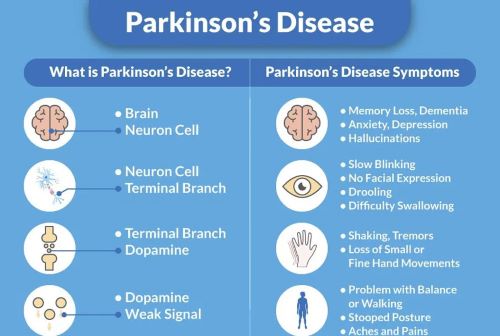
The typical Tremor is a tapping, “pill-rolling” motion that is present at rest, and DISAPPEARS ON MOTION. The Rigidity is pervasive, and patients describe it as trying to move in thick molasses. A “lead-pipe resistance”, stiffness and PAIN in the shoulder may be a first system, and not uncommonly the patient will often go to an Orthopedist or Rheumatologist. Depression, constipation, anosmia and SLEEP Disorders are common in the years leading up to the diagnosis of Parkinson’s Disease, and DEMENTIA frequently develops.
Genetics play a role, and PD can run in Families. Environmental causes such as Trauma and anoxia can injure nerve cells, as can Toxins. MPTP contamination of a drug supply once caused a surge of Parkinsonism. Degeneration of DOPAMINERGIC nerve cells in the Substantia Nigra is the ultimate cause of PD, and accumulation of ALPHA SYNUCLEIN fibrils is a correlate of that degeneration.
Practical treatment at present aims to boost Dopamine. Administration of Levodopa, a DA precursor, if effective, a response helps to confirm the diagnosis. Magnetic and electrical stimulation of the brain have been used. Experimental injections of Dopaminergic cells into the brain is under investigation. Causing Astrocytes to differentiate into dopaminergic cells has been successful in animals.
With Celebrities such as Michael Fox and Robin Williams raising awareness, and the Mechanism understood, I am optimistic that a real cure may be found in a few years.
 Doctors Without Waiting Rooms