Category Archives: Resources

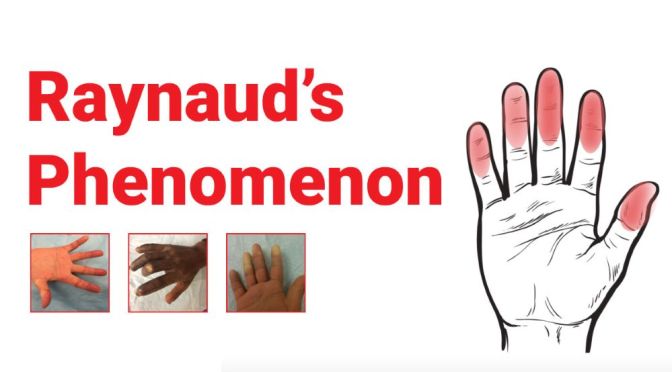
Blood Circulation: What Is Raynaud’s Phenomenon?

Raynaud’s phenomenon: Not just poor circulation

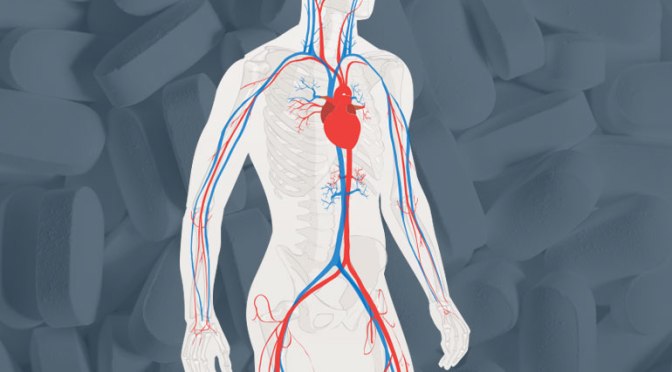
When you’re exposed to a cold environment, your body reacts by trying to preserve your core temperature. Blood vessels near the surface of your skin constrict, redirecting blood flow deeper into the body. If you have Raynaud’s phenomenon, this process is more extreme, and even slight changes in air temperature can trigger an episode, says rheumatologist Dr. Robert H. Shmerling, senior faculty editor at Harvard Health Publishing and corresponding faculty in medicine at Harvard Medical School.

“Cold weather is the classic trigger for Raynaud’s phenomenon. But it can occur any time of year — for example, when you come out of a heated pool, walk into an air-conditioned building, or reach into the freezer section at the supermarket,” he says. In addition to the hands, Raynaud’s can also affect the feet and, less often, the nose, lips, and ears. During an episode, the small arteries supplying the fingers and toes contract spasmodically, hampering the flow of oxygen-rich blood to the skin. Some of these vessels even temporarily collapse, and the skin becomes pale and cool, sometimes blanching to a stark white color.


Eye Health: ‘Cheater’ Glasses Vs Prescription

If you can go the over-the-counter route, here are some tips.

  • Find the right power. Reading glasses will have signs or stickers noting their power. In most cases, they range from +1 to +4 diopter, in increments of +.25. Look for what matches your prescription. If you don’t have a prescription, try the lowest power (+1) first.
  • Test-drive the glasses. If you’ve brought reading material with you, try reading it at a comfortable length. (Many eyeglass displays have an eye chart, too, to test the glasses.) Try different powers until you can read clearly at a distance that’s most comfortable for you.
  • Go big the first time. While there are many styles and colors to choose from, you may want to start your reading glass journey with a bigger pair of specs. Larger lenses offer more of a “sweet spot” where the prescription is. It’s easier to use a smaller lens once you get used to wearing glasses.

Journals: Telemedicine And e-Health – FEB 2022

Original Research

Patient Experience and Satisfaction with Telemedicine During Coronavirus Disease 2019: A Multi-Institution Experience


Implementation and Evaluation of a Neurology Telemedicine Initiative at a Major Academic Medical Center


Telemedicine in Primary Care During the COVID-19 Pandemic: Provider and Patient Satisfaction Examined

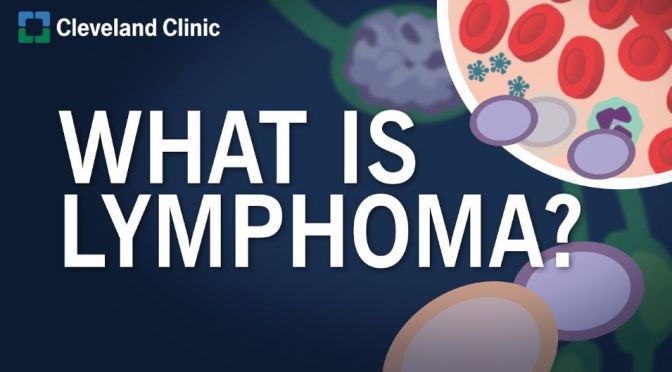
Lymphoma: Its Types And Causes (Cleveland Clinic)

Lymphoma is a cancer of the lymphatic system – our body’s immune system. The two main types of lymphoma are Hodgkin and non-Hodgkin. In this video, we break down how both types of lymphoma begin and the differences between them.

Chapters: 0:00 Intro 0:15 What are lymph nodes? 0:40 What is a cell mutation? 0:52 What is lymphoma? 1:15 What is the difference between Hodgkin and Non-Hodgkin lymphoma? 1:28 What are common symptoms of lymphoma?

Read more

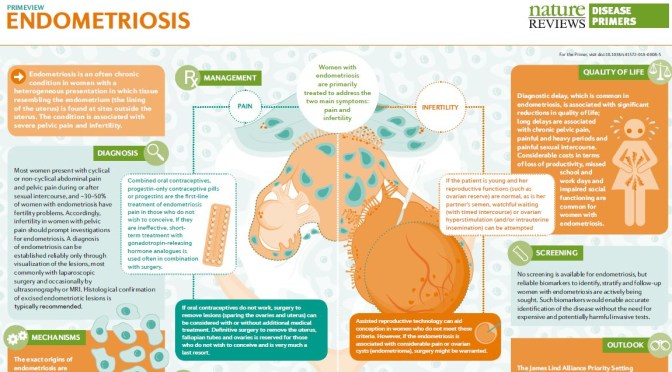
Endometriosis: Diagnosis & Treatment (Infographic)

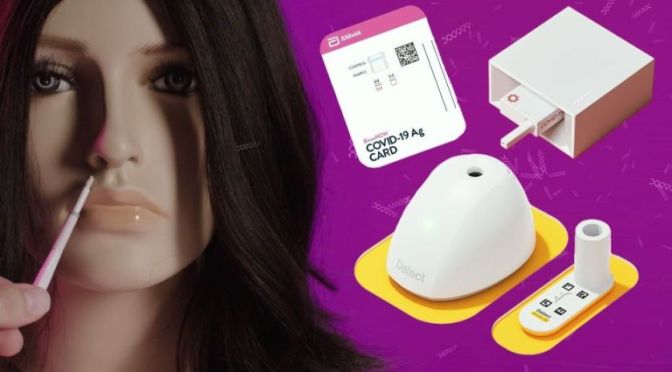
COVID-19: A REVIEW OF THE BEST RAPID AT-HOME TESTS

New high-tech Covid-19 tests promise better and earlier detection of the virus—similar to a PCR test. WSJ’s Joanna Stern (and her mannequin clone) tried out the Detect Covid-19 Test and Cue Health Monitoring System to see how they compare with rapid antigen tests. Photo illustration: Ryan Trefes/ WSJ

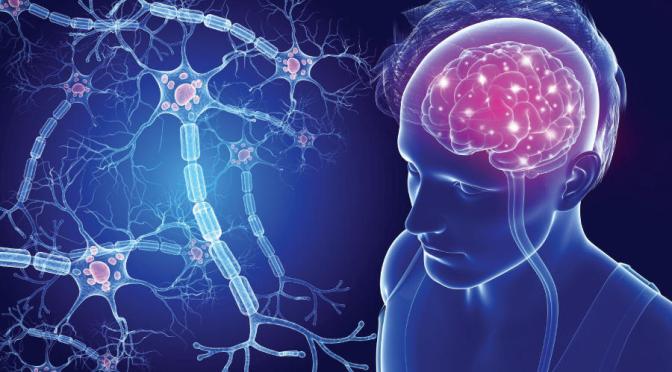
Multiple Sclerosis: The Early Signs & Symptoms

MS symptoms vary depending on the brain or spinal cord area that’s affected. According to the National Multiple Sclerosis Society, more common symptoms include:

  • Fatigue so extreme it interferes with ability to function at home and work.
  • Numbness or tingling often felt in the torso, face, arms and legs.
  • Problems with walking because of balance, muscle weakness, stiffness or fatigue.
  • Visual issues such as blurred vision and pain with eye movement.
  • Dizziness and vertigo with feelings of being off balance or lightheaded.
  • Constipation or loss of control of the bowels.
  • Bladder issues.
  • Problems with cognitive function like short-term memory and processing.

Basal Cell Carcinoma: Diagnosis And Treatment

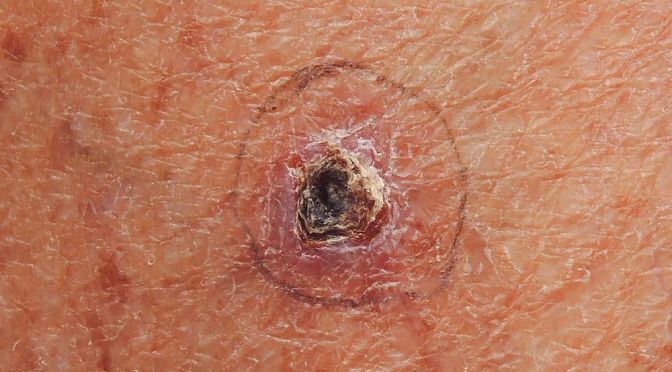
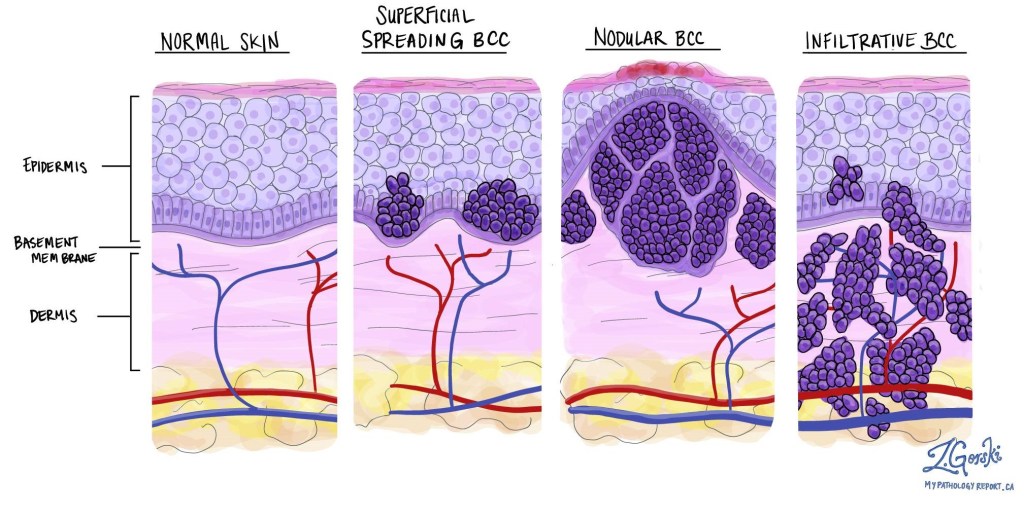
The skin is The largest organ in the body. It certainly receives the largest amount of ionizing radiation from the sun, the most common cause of genetic mutation of cells of the skin. As you get older, these mutations build up, leading to an increasing number of skin cancers that need removal.

In my younger years, I had red hair and lots of freckles. Between the freckles I had a little pigmentation to protect me from the sun. The only sunscreen then available was a messy white paste called zinc oxide, and I resorted to it infrequently. I was out a lot playing tennis, hiking and camping, and even skied once or twice. I did wear hats a lot, especially as I got older and wiser, but still it is amazing I’m not having more trouble now.

I go to the dermatologist every 3 to 6 months to get my actinic keratoses frozen off. These are the little patchy,rough irregularities in the skin that can grow into basal cell, and sometimes squamous cell cancer. I have had just one skin cancer, a basal cell, which I discovered when there was a patch on my chin that kept bleeding when I shaved. One of my classmates in medical school was a plastic surgeon, and kindly removed this lesion with a minimum of scarring.

Lots of doctors, usually Dermatologists, currently specialize in Mohs surgery, in which the basal cell  cancer is gradually shaved off until its margins, the edge of the shaved biopsy, show no cancer.

The moral of the story is to avoid unnecessary ultraviolet exposure. Don’t go to tanning studios. If you must be in the sun, put on sunscreen, and wear a hat. Some would argue that if you stay out of the sun you will get vitamin D deficiency. It is true that vitamin D Is important, and I would recommend checking your blood vitamin D level every year or so. But would rather take my vitamin D in a capsule than get it from sun exposure.

—Dr. C.

Back Pain: The Symptoms And Causes Of Sciatica

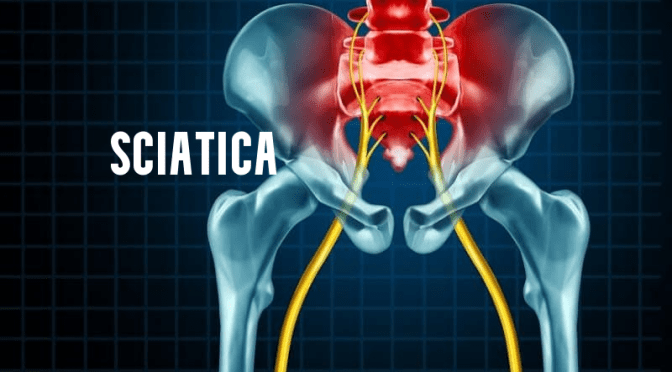
Most sciatica is caused by problems that affect the L4L5, or S1 nerve roots. The nerve may be compressed or irritated, usually because it’s being rubbed by a disc, bone, joint, or ligament. The resulting inflammation makes the tis­sues and the nerves more sensitive and the pain feel worse.

Damage to or pinching of the sciatic nerve, or the nerves that feed into it, can have several causes.

Herniated disc

One of the most common causes of sciatica is a herniated disc in the lower part of the spine. It’s also called a slipped disc, though there’s no slipping going on.

Spinal discs are tucked between the vertebrae, where they act as cushions to keep the bones from touching one another. The discs absorb all the forces placed on the spine from walking, running, sitting, twisting, lifting, and every other activ­ity we do. They also absorb forces from falls, collisions, and other accidents.

Spinal stenosis

The spinal canal protects the spinal cord and the nerves that run up and down the spine. Spinal stenosis is the narrowing of the spinal canal. When this occurs, nerves can be compressed, causing pain. Because the lumbar verte­brae undergo the most consistent stress and support the most weight, lumbar stenosis is the most common type of spinal stenosis.

Spondylolisthesis

The bones of the spine are stacked on top of one another, separated by discs. Spondylolisthesis occurs when one spinal bone slips forward in relation to the bone below it. When the L4 vertebra moves over the L5 vertebra, it can cause a kink in the spinal canal leading to pressure on a nerve root and sciatica.

Read more