Category Archives: Resources

DR. C’S JOURNAL: PAIN FOLLOWING TOTAL KNEE REPLACEMENT SURGERY


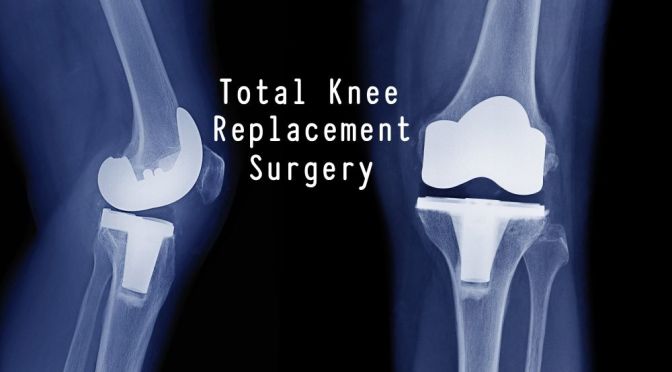
Total knee replacement(arthroplasty) is one of the most successful orthopedic operations. Satisfaction rate varies between 75 and 90%. Even so, almost 10% of operated individuals will have anterior knee pain, the most common complication, 1 year after TKR.

I had an even greater appreciation of the knee after reading the following article, which explain the causes of knee pain more adequately than I can, and would be good to read.
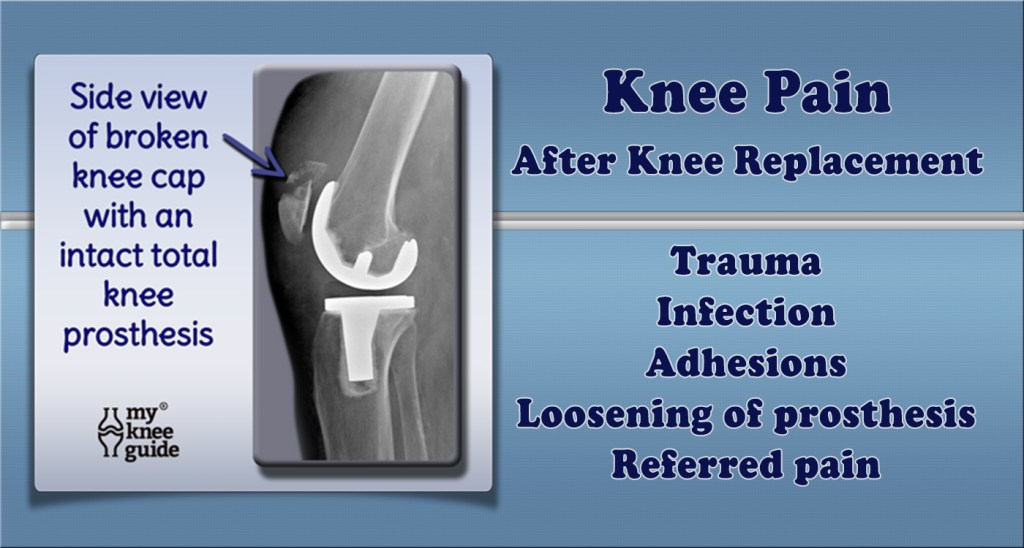
With knee replacement surgery, a great deal depends on the technical expertise and precision of the operating surgeon. A rotational error more than a degree or two can be critical, so important is proper tracking of the kneecap in the trochlea, or groove in the leg bone(femur). An imbalance in the pull  of muscles, or a knock knee, (Valgus) angulation of the knee, hip rotation, spinal problems, all can be important in generating pain as you get older.

There are psychological factors too. The knee pain after TKR average is only 1/3 of that suffered before the operation, on average. However if you expect that discomfort will disappear completely, or if your pain threshold is low, or if you have anxiety or depression, you may have more postoperative pain, and  be disappointed with the surgery.

My immediate reason to write this article was the anterior knee pain developing in a friend of mine, 15 years after surgery, at the age of 89. She had polio in childhood, and her right leg was severely affected. This caused her to overuse her left leg, resulting in a TKR 15 years ago. Just recently, she started developing anterior knee pain in the left knee. A thallium scan showed a lot of signal on the inside of the kneecap, most likely indicative of inflammation. She is not enthused about having another operation because of her age., and wondered about other things she might do.

An orthopedic friend of mine suggested that injections of a viscous lubricant might help, if the initial operation did not include resurfacing of the kneecap (patella). I would imagine that eventually the resurfacing of the patella with advanced materials, or perhaps stem cells might help.
I also thought of a special brace with a motor assist for her right leg, but the orthopedist said that this did not work very well in polio patients, who have a weak nerve signal.

Although my friends polio made her TKR almost inevitable, there are things that you can do, or avoid doing, that could help avoid TKR. Activities to reduce include squatting, deep lunging, running (particularly in deep sand), high impact sports, repetitive jumping, and running up stairs. Basketball, football, and volleyball come to mind as regular sports that are risky. Maintaining a healthy weight, controlling blood sugar, stoppage of smoking, avoidance of injury, and regular exercise, particularly walking and swimming ,are things that might help.

Remember that your knees are your wheels and are jewels to protect as you get older.
–Dr. C

HARVARD STUDY: VITAMIN D LOWERS THE RISK OF YOUNG-ONSET COLORECTAL CANCER

COMMENTARY:

Vitamin D has many beneficial effects, but my comments will be restricted to the effect of vitamin D on cancer.

Interest in this association was started by the observation that certain cancers are less common near the equator, where there is more sunlight exposure, and therefore more natural vitamin D generation in your skin.
The most information on cancer in humans Is available on colorectal, breast, prostate, and pancreatic cancer. Colorectal cancer, highlighted DWW our posting, is the only cancer that apparently is affected by vitamin D.

Several studies have suggested that vitamin D can decrease cancer cell growth, stimulate cell death, and reduce cancer blood vessel formation. Increasing cell death, or apoptosis, is what interests me the most, since this is one of the factors which increases inflammation in aging.

The infographics stated that only 300 international units of vitamin D is necessary to produce a 50 Percent reduction in cancer, and that a healthy diet generally supplies this.

I personally take 5000 international units vitamin D. This produces a blood level of about 60 ng/mL, and what the NFL recommends to keep their players healthy, and well within the maximum recommended level of 120 ng/milliliter.

Excessive vitamin D can produce an elevated calcium blood level, and mine is within normal limits. I take the higher dose because of vitamin D’s other effects, such is benefiting the immune system in a time of Conid-19.

I suggest that you get a vitamin D blood level, and also a calcium blood level if you elect to take more of this useful vitamin.

–Dr. C

Read more

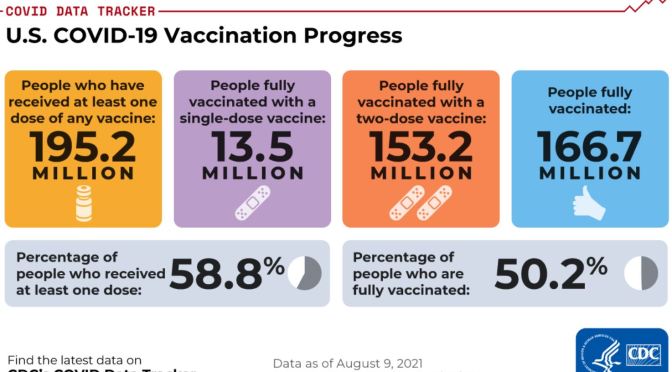
COVID-19 INFOGRAPHIC: U.S. VACCINATION RATES & STATES HOSPITALIZATIONS (AUG 9)

Highly Vaccinated States Keep Worst Covid-19 Outcomes in Check as Delta Spreads, WSJ Analysis Shows

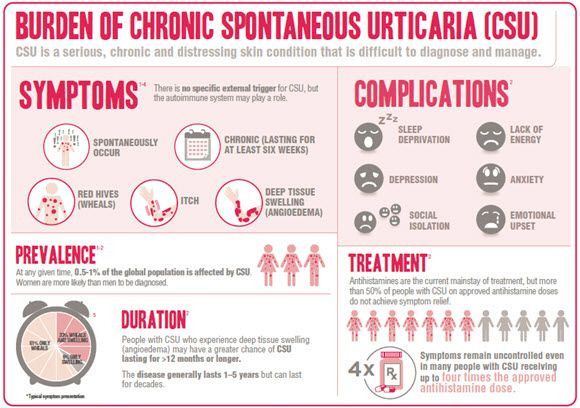
THE DOCTORS 101 CHRONIC SYMPTOMS & CONDITIONS #48: URTICARIA (HIVES)

ALLERGY is a type of reaction that can vary from annoying to fatal. The question has always been: what possible utility to the body does the allergic reaction, which has survived evolution, provide? The best theory fingers parasitic infestations; not only can parasites cause allergic reactions, Indicate allergy by showing blood eosinophilia, but the allergic reaction seem to help us fight parasitic infestation, which was much more common in humanity’s  past, and in present day underdeveloped societies.

URTICARIA consists of a number of little welts or bumps that pop up on the skin and are very itchy. This reaction is caused by little darkly-staining cells called MAST CELLS, which release Histamine  and other irritants into the skin, causing hives. These mast cells are provoked into releasing their irritating cargo by IGE antibodies, the basis of true allergy.

Treatment consist of removing the cause, blocking the action of the IgE antibodies, or giving medication to block the action of the histamine( anti-histamines).

There are multiple common causes, several giving its name to a type of Urticaria. Pressure urticaria can be caused by a belt or tight fitting clothing pressing on the skin to cause the hives. Solar urticaria can be caused by sunlight.

Cold urticaria can be caused by exposure to very cold objects. Hives can also be caused stress, exercise, different foods(seafood and strawberries are the most famous), different drugs(penicillin and aspirin are the most famous), and scratching on the skin(dermatographia).

Hives can occur as a feature of ANAPHYLAXIS. If the IgE-mast cell reaction is extensive, the blood pressure can drop, internal organs can be affected, and emergency treatment must take place to prevent death.
My only experience with hives was after a bee sting, when I broke out with itchy bumps. I had desensitization with honeybee venom, although this is not always done these days. Be sure to check with your doctor if you have such a reaction, however.

The biggest recent improvement in treating people who are incapacitated with frequently recurring and long lasting hives is anti-IGE, an expensive but very effective injection.

If you have hives, be sure to keep a record of events that immediately preceded the hives, including foods, activities,, and exposures. Although the recommended Mayo clinic article that follows suggests that you see a dermatologist or an allergist, I would reverse that and suggest the allergist first.

—Dr. C.

Read more

MEDICINE: TRANSCATHETER TREATMENTS FOR VALVULAR HEART DISEASE (JAMA VIDEO)

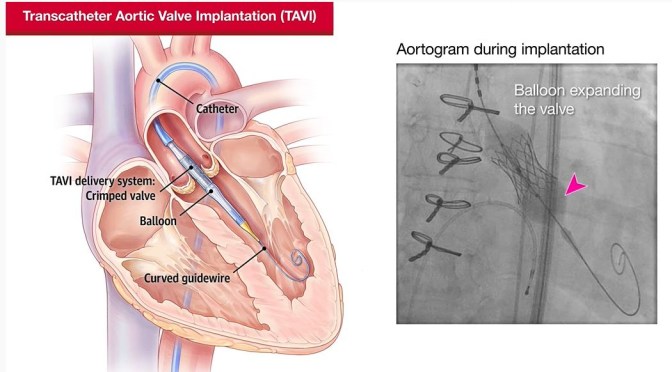
Transcatheter valvular repair and implantation has become increasingly common for treating patients diagnosed with valvular heart diseases.

0:00 This video summarizes the three transcatheter valvular therapies currently in use in the United States: transcatheter aortic valve implantation (TAVI), transcatheter valve-in-valve procedures, and transcatheter edge-to-edge mitral valve repair.

0:47 Transcatheter aortic valve replacement (TAVI) for patients with severe aortic stenosis regardless of surgical risk 2:47 Transcatheter valve-in-valve procedures for patients with bioprosthetic valve failure

3:35 Transcatheter mitral valve repair for high surgical risk degenerative mitral regurgitation and for severe functional mitral regurgitation regardless of surgical risk.

Read the complete review.

Melanoma: How To Catch Skin Cancer Early (Mayo)

THE DOCTORS 101 CHRONIC SYMPTOMS & CONDITIONS #45: SLEEP APNEA

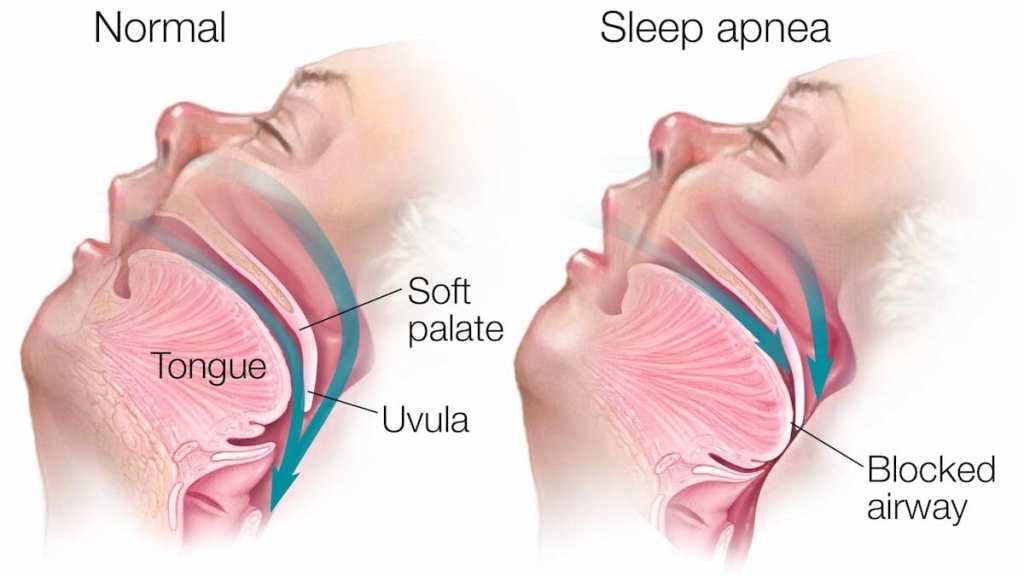
Sleep apnea and obesity are bound together as Charles dickens observed in his Pickwick papers. The Pickwickian syndrome is obesity associated with alveolar hypoventilation(insufficient breathing) with an increase in CO2 in the bloodstream which causes narcosis, or SLEEPINESS, in the daytime.

When I went in for my sleep apnea study, I noticed a number of double wide chairs available for the usual clientele there. OBESITY is one of the major risk factors for sleep apnea. Depositions at the base of the tongue and throat interfere with breathing, and causes snoring to the point of tracheal blockage and apnea at night.

Some people with normal “ BMI”, have sleep apnea. Sleep apnea can run in families, occur when you are older, or have a thick neck. So no matter what your weight, if you have daytime sleepiness after an apparently full night of sleep, you should be considered for a sleep study.

A SLEEP STUDY requires that you go into a sleep center overnight, get hooked up to an electroencephalogram machine, oxygen monitor, chest straps, and the like. This is the gold standard for a diagnosis of sleep apnea, but a recording pulse oximeter will let you know a lot less expensively if you have the critical problem, a drop in oxygen saturation. The type of sleep apnea I have been discussing so far is obstructive sleep apnea. Of course there are other types such as central, or complex sleep apnea.

Most sleep apnea responds to nasal CPAP, if you can tolerate it.
My own sleep apnea was diagnosed as moderate, 15% central and 85%  obstructive in type.  I have a stuffy nose which I believe to be the main problem setting me up for sleep apnea, and I could not tolerate the positive nasal CPAP. There is also a dental apparatus that I tried unsuccessfully. I wound up sleeping on my side, and propping myself in that position with pillows .This seems to help me, but I still wake up several times a night, usually at the end of a 90 minute sleep cycle, and with a full bladder.

I sleep through better on days when I have had more physical or mental exercise. Avoiding a full stomach at bedtime is also helpful with both sleep apnea and GERD.

I do use Afrin on the left side of my nose, which is more obstructed. I restrict the use to every third day, although I have heard that you can use it every other day, alternating sides, if you have a stuffy nose that has resisted other treatments .I have also heard that using corticosteroid nasal sprays makes Afrin better tolerated. Be sure to get clearance with your doctor before trying this.

— Dr. C

Read more at Mayo Clinic