Category Archives: Medicine

DR. C’S JOURNAL: BENEFITS OF COLONOSCOPIES OVER 50

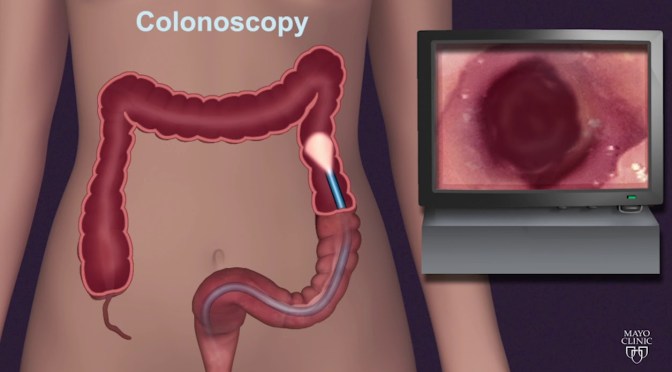
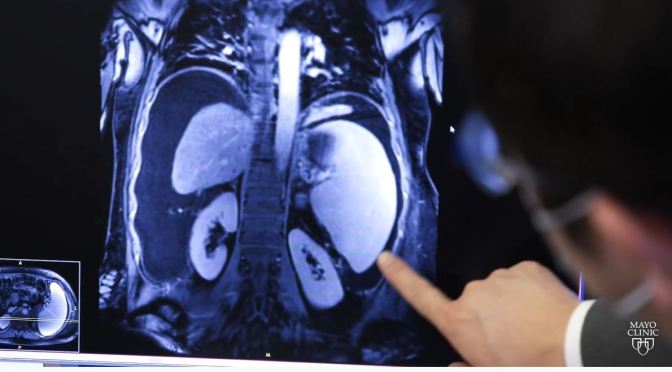
Colonoscopy is good preventative medicine for everybody over the age of 50. A video was posted yesterday on colon cancer metastatic to the liver. Although this is treatable, metastatic colon cancer is a miserable condition, markedly lowering quality of life. You are much better off preventing colon cancer then having to deal with it, and in this sense, colonoscopy is a very good trade off.
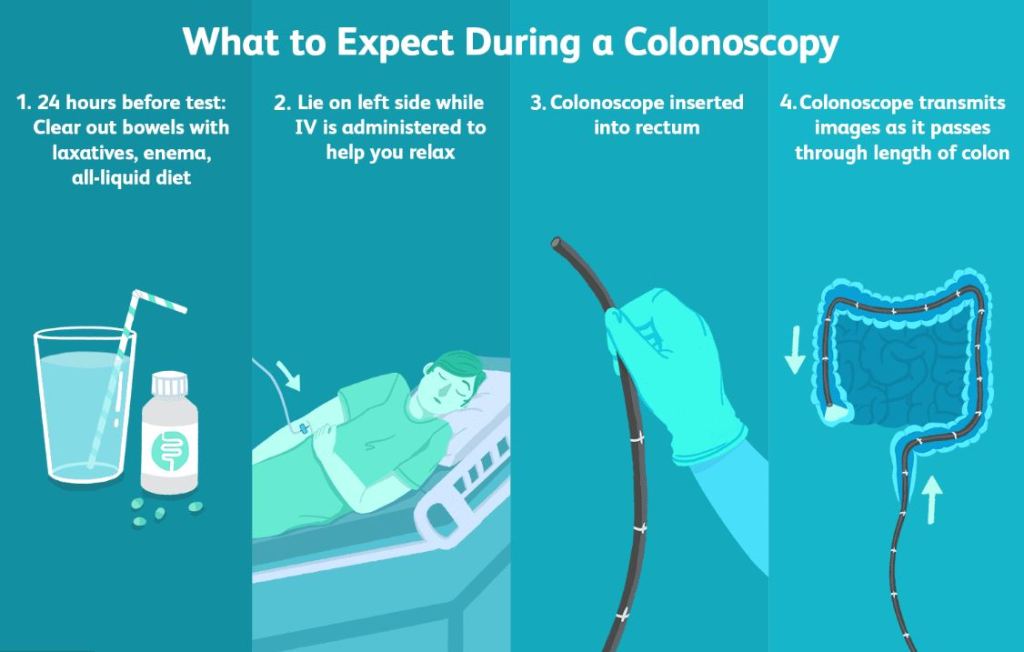
Colonoscopy is no fun. You have to modify your diet well in advance, and take a magnesium citrate clean out in order to get rid of fecal matter that would prevent proper visualization of your colon. You should get your first colonoscopy at age 50 or earlier depending upon your family history of polyps, colon cancer, and other bowel problems.

In my own case, I had a number of colonoscopies, and nothing serious was discovered. I still think it is a very good idea. Although I never had a colon polyp or cancer discovered, I have recently, at the age of 89, developed bladder cancer of the slowly progressive and non-invasive kind.

The thought occurred to me that getting regular cystoscopies might catch bladder cancer at an earlier stage. I was told by an authoritative Physician that this has previously been tried and not proven to be useful. I also recommend going into a dermatologist regularly to remove actinic keratoses, which have the capability of developing into cancer. I believe you cannot be too vigorous with preventative therapy.

Interestingly, good sleep, diet and exercise are recommended in the prevention of colon cancer. Please refer to the mayo clinic article on colonoscopy for more information.

–Dr. C

Mayo Clinic article

MEDICINE: WHEN COLON CANCER SPREADS TO THE LIVER (MAYO CLINIC VIDEO)

Colorectal cancer is a leading cancer among men and women around the world. Many colorectal cancers are likely to spread to other organs, with the most common site of metastases being the liver. In this Mayo Clinic Minute, Dr. Sean Cleary, a hepatobiliary and pancreas surgeon at Mayo Clinic explains what this means to patients.

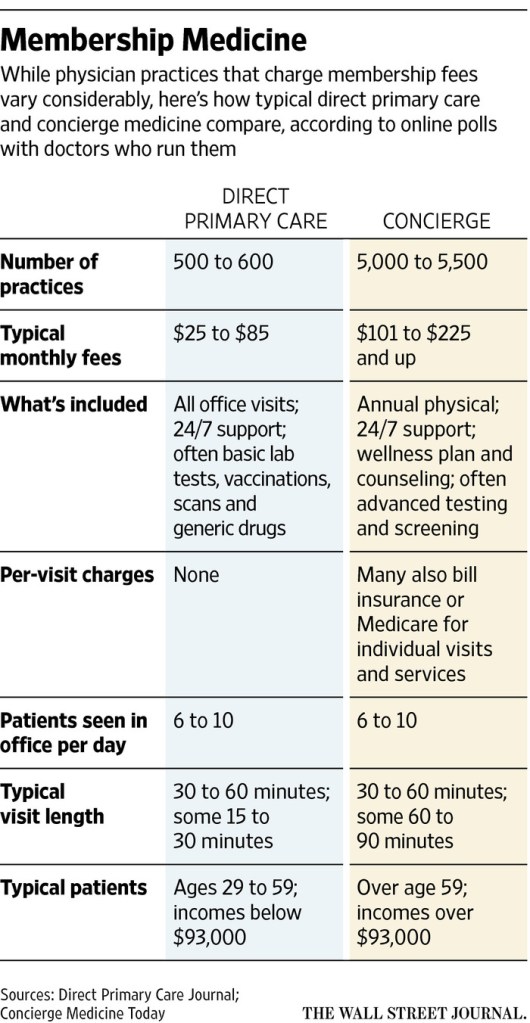
DR. C’S JOURNAL: THE RISE OF ‘CONCIERGE MEDICINE’

I am a physician. I believe that the modern medical care system is broken. It used to be that the patient selected the doctor because of her reputation, and the doctor was motivated for excellence. Now the doctor is apportioned by the insurance system, and the doctor is motivated to be “efficient” (to see more people in less time). 

Coupled with electronics surveillance of doctors, requirement for electronic medical records, the expansion of patients in a doctors practice to quadruple the number it used to be, plus increasingly technological surgery ( I consider such doctors as technicians more than physicians ), a system of payment that favors such surgery,

With the “disease” model of medicine still dominant over the “health” model, it is difficult for the doctor to take patient’s phone calls, inform patients of their laboratory results, counsel them in nutrition,  exercise, sleep, and other health benefits, or even see them the same day as their illness. Thus “go to the emergency room“ is the default advice.

The concierge doctor attempts to remedy some or or most of these deficiencies, which characterize the usual modern medical practice. Concierge medicine  is so different from regular medicine as to draw the interest of Congress in preventing such discriminatory behavior.

Of course, the concierge doctor charges a periodic fee to deliver these services; there in lies it’s “unfairness”. I have even heard of super concierge doctors who meet your injured child at the emergency room with the chief of orthopedics , or fly with you to the Sloan Kettering Institute if you need consultation there. They, of course, charge tens of thousands of dollars annually for such service.

We already have multiple tier medical systems in America. The original concierge Idea modeled the care delivered to professional athletes, who must stay healthy in order to play.

Of course, there are still good doctors out there if you look hard enough and are lucky. Some family practitioners and internists still manage to practice quality medicine. Otherwise, my advice is to find a concierge doctor you can afford.

–Dr. C

Telemedicine: Pediatric Otolaryngology (Video)

Mayo Clinic is happy to offer telemedicine as an option for patients interested in seeking care. Modern technology provides a virtual platform for health care providers and patients to initiate partnership in care in a secure, safe and convenient way.

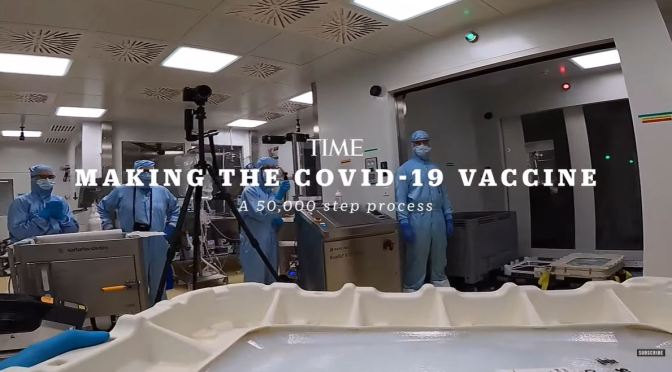
MEDICINE: HOW VACCINES ACTUALLY WORK (VIDEO)

Vaccines are medicines that train the body to defend itself against future disease, and they have been saving human lives for hundreds of years. Vaccines are medicines that train the body to defend itself against future disease.

Mayo Clinic: ‘When Livers No Longer Function’

In the U.S., it’s estimated that 4.5 million adults are diagnosed with chronic liver disease. It develops over time and may be caused a number of conditions including hepatitis, genetics, alcohol overuse or cancer. Chronic liver disease is different than acute liver disease which can come on quickly and may be the result of an injury or a virus. Regardless of the cause, Dr. Bashar Aqel, a Mayo Clinic transplant hepatologist says when the liver can no longer function, a life-saving transplant may be needed.

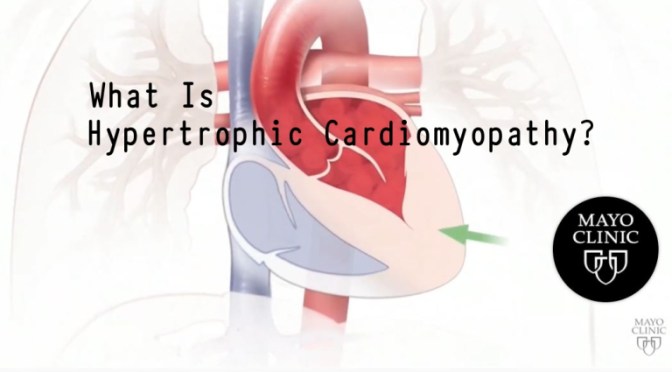
MAYO CLINIC HEART HEALTH: ‘WHAT IS HYPERTROPHIC CARDIOMYOPATHY? ‘ (VIDEO)

Hypertrophic cardiomyopathy is a thickening of the heart muscle, making it more difficult to pump blood. Dr. Steve Ommen is a Mayo Clinic cardiologist who specializes in the disease. He says shortness of breath or chest pain, especially during exercise, are common symptoms. Many people with the disease won’t have any significant health problems. But there are cases that require treatment. If a patient has symptoms that affect quality of life, the disease is treated with medications. Surgery or other procedures also may be necessary in some cases.