Category Archives: Medicine

Covid-19: China Approves The First Inhaled Vaccine

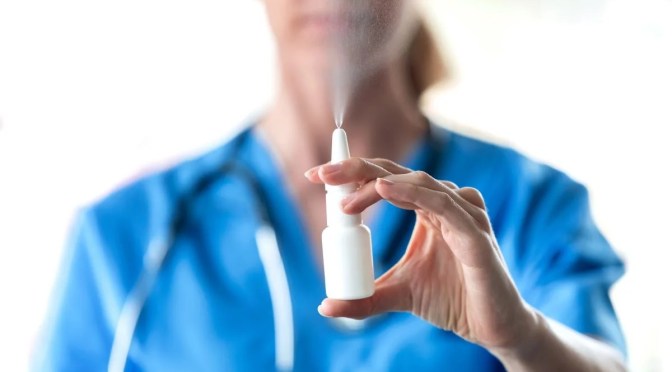
The vaccine, called Convidecia Air, changes the liquid form of the vaccine into an aerosol using a nebuilzer. The vaccine can then be inhaled through the mouth using the nebulizer machine. The needle-free vaccine “can effectively induce comprehensive immune protection in response to SARS-CoV-2 after just one breath,” Cansino said in a statement.

In July, Chinese scientists published a pre-print study showing that people who received one booster dose of Cansino’s inhaled vaccine after two doses of the inactivated jab from Chinese maker Sinovac developed more antibodies than people who received three Sinovac shots. Four weeks after receiving the inhaled booster, 92.5% of people had developed neutralizing antibodies for Omicron.

Those who got three doses on Sinovac’s jab did not demonstrate any neutralizing antibodies for Omicron, either four weeks or six months after getting a booster.

Read more

COMMENTS:

Spray vaccines will be our best chance to stop Covid.

However, there are two big problems that have to be solved.

The first problem is keeping up with the blitzkrieg mutation capacity that Covid has. Our best chance to do that is with the mRNA technology, which permits vaccine generation with minimal delay. However, mRNA vaccines are too fragile to be suitable for a nasal or oral spray. The particles would be destroyed before they could activate the mucosal immune system.

But it is still possible, using laboratory technology to convert this mRNA into peptides and proteins suitable for use as a spray. Using AI to generate three dimensional shapes, surely a  stable molecule of suitable configuration and stability could be eventually generated.

The second appears to have been partially solved by the Chinese, according to the Fortune  article, namely getting an injectable vaccine into a suitable form and dose to survive the bodies mucosal clearance mechanisms and enzymes, designed to keep foreign sprays and mists out of the body, in enough concentration to stimulate the mucosal immune system.

Our bodies have developed a parallel Defense system using a unique immunoglobulin, IGA, and  special support cells. When stimulated, immunity bristles as a first line of defense to deny incoming viruses entrance to the body. This is what is needed to prevent infection from occurring in the first place, so extremely important for a highly infectious and potentially lethal virus such as Covid.

The Chinese, with their autocratic system,  have a better chance of making everybody take this vaccine, even though it requires a cumbersome liquid nebulizer to generate the mist.

Better would be a handheld inhaler, and, hopefully, this is what some dozen pharmaceutical corporations, working on a nasal or inhaled vaccine , are aiming for.

—Dr. C.

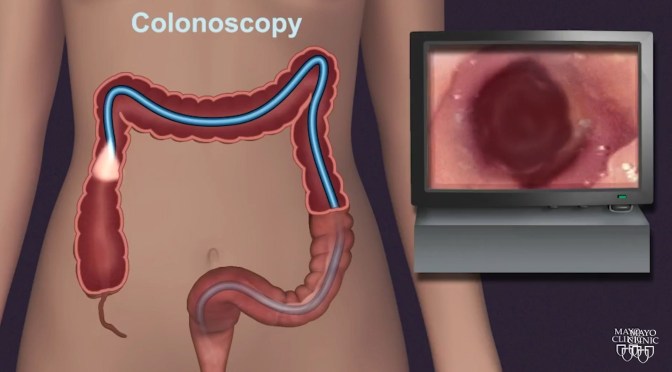
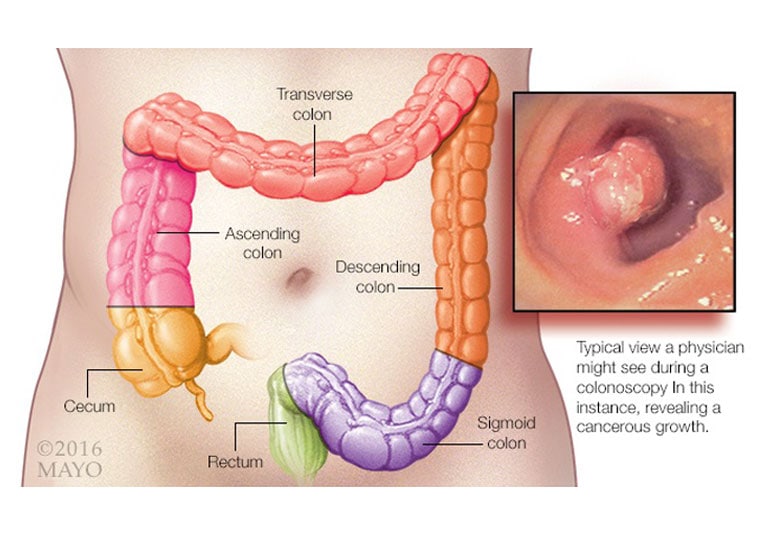
Colorectal Cancer: ‘Miss Rate’ Lowered 50% Using AI

“Colorectal cancer is almost entirely preventable with proper screening,” says senior author Michael B. Wallace, M.D., division chair of Gastroenterology and Hepatology at Sheikh Shakhbout Medical City in Abu Dhabi, United Arab Emirates, and the Fred C. Andersen Professor at Mayo Clinic in Jacksonville, Florida. “The substantial decrease in miss rate using AI reassures health care providers on the decreased risk of perceptual errors.”

The most relevant cause of post-colonoscopy colorectal cancer (CRC) is the miss rate of colorectal neoplasia — the rate at which neoplastic lesions are not detected in a screening or surveillance colonoscopy. Some studies suggest that 52% to 57% of post-colonoscopy CRC cases are due to missed lesions at patients’ colonoscopies. It’s estimated that 25% of neoplastic lesions are missed following screening colonoscopy.

Mayo Clinic Gastroenterology and Hepatology, in collaboration with colleagues from around the world, found that using artificial intelligence (AI) in colorectal cancer screening produced a 50% reduction in the miss rate for colorectal neoplasia. Results of the study were published in the July 2022 edition of Gastroenterology.

Read more

Osteoarthritis: Increased Walking Lowers Knee Pain

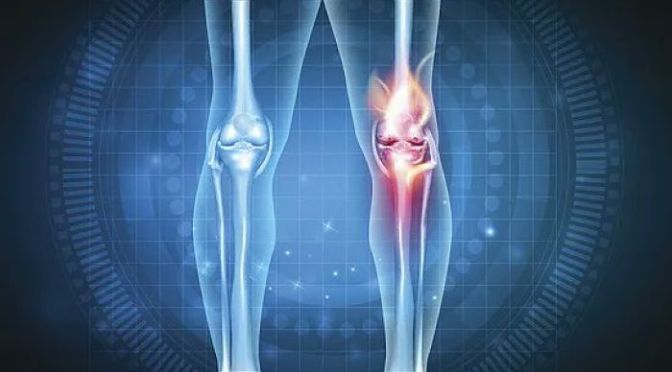
People with knee osteoarthritis may reduce their risk of knee pain by walking more, according to a study published online June 8, 2022, by Arthritis & Rheumatology.

photo of three mature adults walking for fitness

Researchers looked at the walking habits of more than 1,200 people with knee osteoarthritis (average age 63, 45% men). They were asked how often they walked for exercise since age 50 and whether they had frequent knee pain. X-rays were done to assess structural knee damage.

The investigators first looked at participants who did not report regular knee pain. They found that among this group, those who walked for exercise were less likely to later develop knee pain (26%) at the follow-up eight years later compared with those who did not walk for exercise (37%).

Read more

Stroke: Long Periods Of Sitting Increases Risks

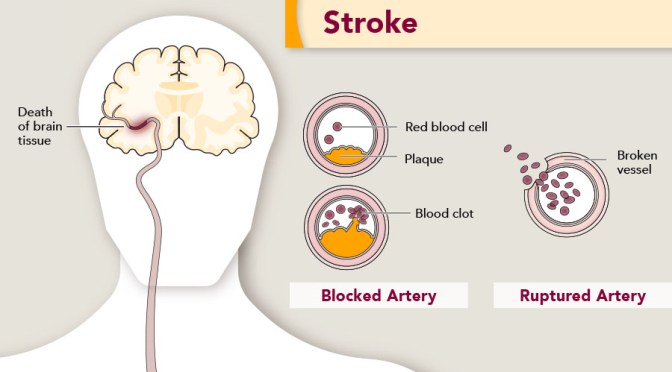
The study involved 7,607 adults who wore a hip-mounted accelerometer (a device that records how fast you move) for a week. Their average age was 63. During a follow-up period averaging 7.4 years, 246 of the participants experienced a stroke.

People who sat for 13 or more hours per day during the initial week of motion tracking were 44% more likely to have a stroke compared with those who’d spent less than 11 hours per day sitting still. In addition, longer bouts of sitting (more than 17 minutes at a time) were linked to a higher risk than shorter bouts (less than eight minutes).

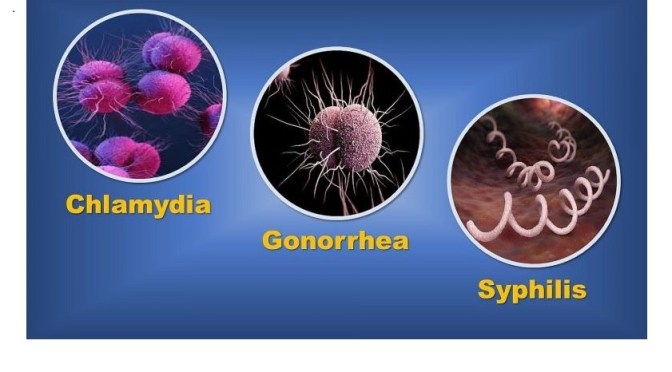
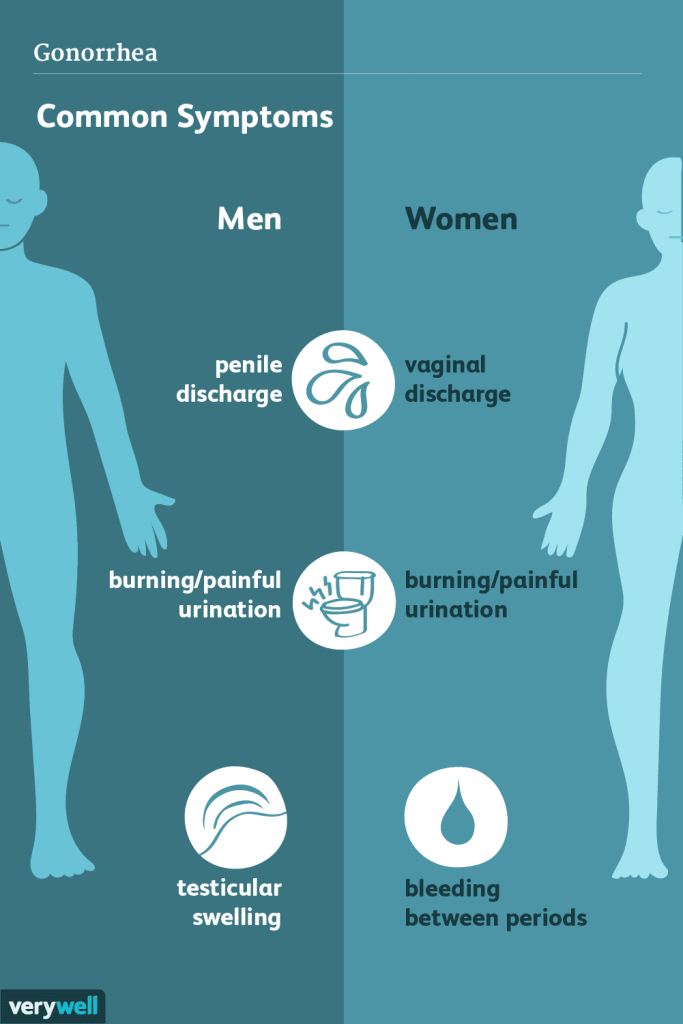
Dr. C’s Journal: What Are Symptoms Of Gonorrhea?

Gonorrhea been present since the earliest times. The United States has one of the highest incidences, and it was very common in colonial America, where it was called “clap”. Adolescents, with their increased sexual activity, have the highest incidence, and girls are somewhat more likely to have it than boys.

The symptoms have to do with infection and inflammation of the urethra. Burning on urination is almost universal, and purulent discharge and presence of pus in the urine is frequent. The infection is mostly a nuisance, but it can travel up the genito-urinary tract, and into the spermatic ducts in the male or the fallopian tubes in the female, and it is a common cause of sterility and pelvic inflammatory disease, or PID.

With its high frequency in young females, bacterial ointments are routinely applied to the eyes of newborn babies to prevent severe infection and possible blindness.

When I was practicing medicine, the diagnosis was made by culturing for the bacterium neisseria gonorrhea. Now the NAAT, the nucleic acid  amplification test, is the gold standard.

In my practicing  days, penicillin was the magic bullet, but resistance he has developed so that a cephalosporin and azithromycin combination is currently used.

STDs, sexually transmitted diseases, are one of the commonest conditions encountered in student health, according  to a good friend.

Please refer to the attached Mayo Clinic article for more information.

—Dr. C.

Read more

Studies: What Makes For Successful Recoveries

Inflammation is the body’s first line of defense, occurring as droves of immune cells rush to the site of injury or acute illness to make repairs and stem further damage.

When successful, inflammation helps the body survive and heal after trauma. However, when recovery following an inflammatory response goes awry, it signals that damage is still occurring — and the inflammation itself can cause further injury, leading to more-severe illness or even death.

But what differentiates a good inflammatory recovery from a bad one?

A new study, led by researchers at Harvard Medical School and Massachusetts General Hospital, published Aug. 22 in Nature Communications, yields critical clues.

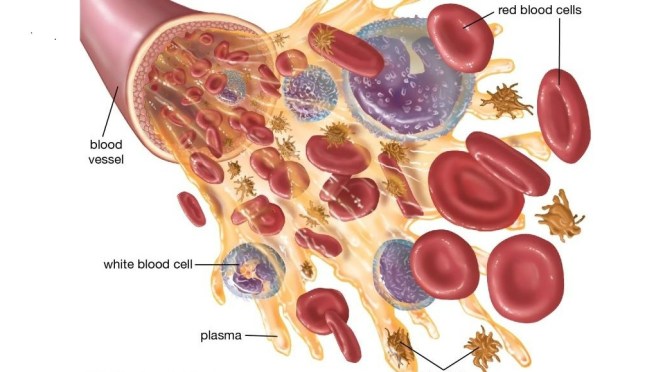
The scientists identified universal features of the inflammatory responses of patients who successfully recovered after surgery or acute illnesses such as COVID-19, heart attack, and sepsis. These features, they discovered, include precise paths that white blood cell and platelet counts follow as they return to normal.

Read more

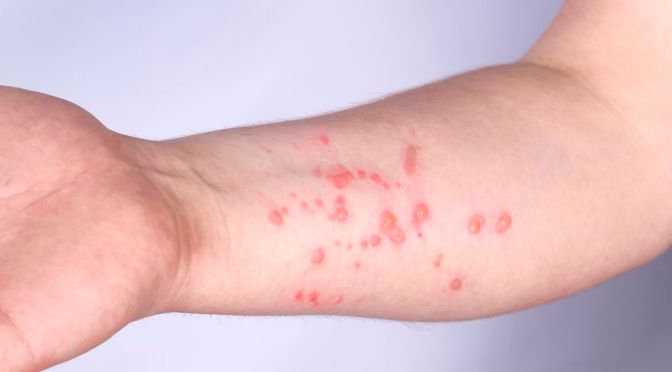
Diagnosis: The Signs And Symptoms Of Monkeypox

The World Health Organization recently declared monkeypox a global public health emergency – with cases being reported in many different countries, including here in the United States. Our expert explains what exactly the virus is, the symptoms and how it spreads.

For more information about monkeypox, please visit https://cle.clinic/3ABwZTH

Research: The Search For A Universal Vaccine (2022)

Vaccines are one of the greatest scientific discoveries in human history. They eradicated a disease, smallpox, that killed 300 million people in the 20th Century. They save countless lives every year, protecting against diseases caused by viruses like polio, measles and yellow fever. But some viruses are particularly difficult to target with vaccines.

We need a flu shot every year because the virus mutates so much previous vaccines may no longer be effective. Scientists are closer than ever before to developing what are known as universal vaccines. These vaccines would protect against many variants of a given virus, and potentially against entire virus families. Viruses are constantly mutating, but only some of those mutations are important.

For example, a change in the shape or chemical properties of the spike protein a virus uses to infect a cell could make the virus more transmissible. It could also mean antibodies developed from previous infection or vaccination wouldn’t be able protect against the current virus. But, there are some sites on viruses that don’t mutate as much, or at all. These sites are often vital to the virus’ survival. Scientists are using powerful technologies to identify antibodies that target these sites.

They’re called broadly neutralizing antibodies and are capable of protecting against multiple viral variants. Now, researchers are working to design shots that get our bodies to produce broadly neutralizing antibodies. Meaning someday soon, vaccines for HIV, flu and coronavirus might be enough to effectively ward off these viruses for the better part of a lifetime.