Category Archives: Dr. C “Comments”

Diet: Benefits Of Eating Blueberries (Mayo Clinic)

Blueberries might be the best example of how good things come in small packages. Dietitian Anya Miller says that includes protection for your heart, thanks to something called an anthocyanin – a compound in these berries that gives them their deep blue hue. Studies have shown eating foods high in these anthocyanins can help lower your risk of developing coronary heart disease. Besides the heart-healthy perk, that serving of blueberries will get you some vitamin C, dietary fiber and natural sweetness. That makes them blueberries a boost for physical and mental health.

COMMENTARY;

Anthocyanins are a member of the flavonoid plant-chemical family and are responsible for the red and purple colors of many fruits and vegetables. They are pleiotropic (Multi faceted )In their health benefits, and are good for diabetes and metabolic syndrome, obesity, cardiovascular disease,  inflammation, dementia and cancer. If this sounds almost too good to be true, the OPTIMAL AMOUNT of anthocyanins has not yet been determined. let’s hope that you cannot ingest too much of these marvelous substances, and that they don’t follow the path of vitamin C, an excess of which can prove detrimental to inflammatory defenses..

On the optimistic side, it’s been stated multiple times in the literature that antioxidant and free radical effects are just part of the benefits conferred by anthocyanins, and that the mechanism of benefit remains to be discovered.

Anthocyanins are present in blueberries, blackberries, bilberries, cherries, red cabbage and so many other fruits and vegetables. The benefits of a fruit and vegetable-based diet have been extolled for a long time, and I am buying into this narrative.

The large amount of fiber present in fruits and vegetables is an independent benefit, not to mention taking up space in the stomach that could displace red meat, saturated fat, and that great enemy of modern civilization, sugar.

Be sure to eat your fruits and vegetables as such, and not in the form of juices, which have the habit of being sweetened, or in the case of tomatoes, loaded with salt.

With fall coming on, also remember that anthocyanins form the basis for much of the brilliant reds and oranges present in the fall leaves; They nourish the eyesight along with the rest of the body.

—Dr. C.
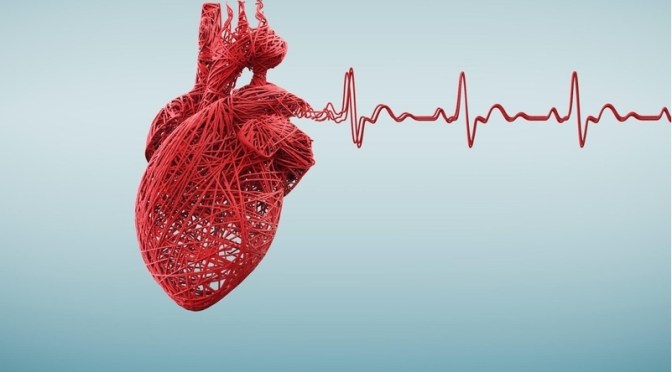
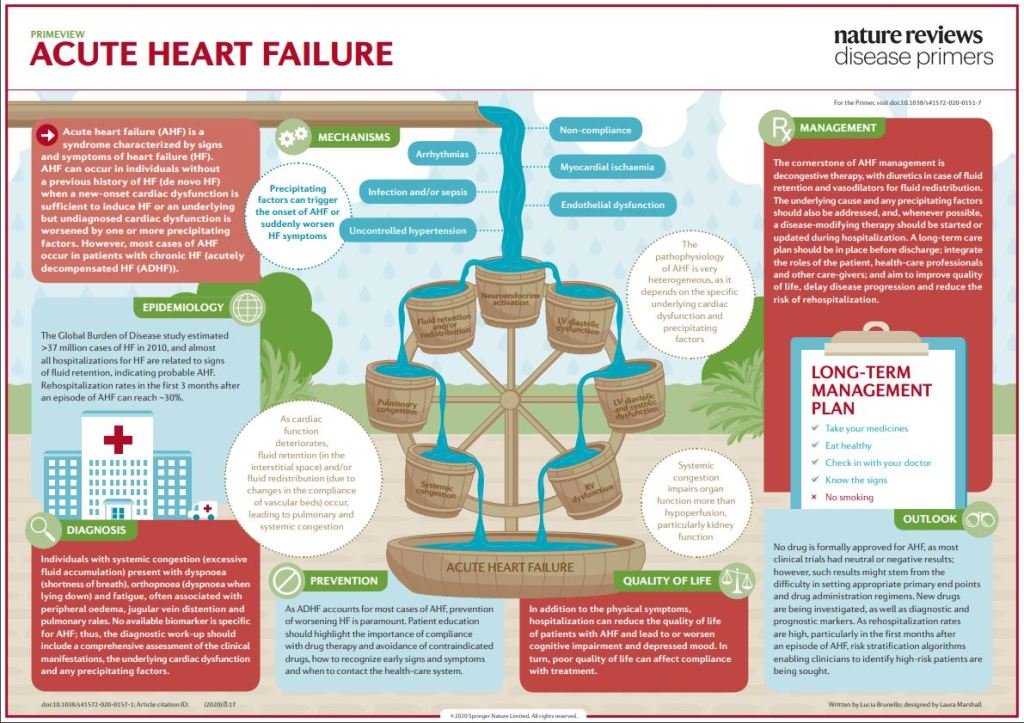
Infographic: Acute Heart Failure (Nature Reviews)

Acute heart failure (AHF) is a syndrome defined as the new onset (de novo heart failure (HF)) or worsening (acutely decompensated heart failure (ADHF)) of symptoms and signs of HF, mostly related to systemic congestion. In the presence of an underlying structural or functional cardiac dysfunction (whether chronic in ADHF or undiagnosed in de novo HF), one or more precipitating factors can induce AHF, although sometimes de novo HF can result directly from the onset of a new cardiac dysfunction, most frequently an acute coronary syndrome.

Despite leading to similar clinical presentations, the underlying cardiac disease and precipitating factors may vary greatly and, therefore, the pathophysiology of AHF is highly heterogeneous. Left ventricular diastolic or systolic dysfunction results in increased preload and afterload, which in turn lead to pulmonary congestion. Fluid retention and redistribution result in systemic congestion, eventually causing organ dysfunction due to hypoperfusion. Current treatment of AHF is mostly symptomatic, centred on decongestive drugs, at best tailored according to the initial haemodynamic status with little regard to the underlying pathophysiological particularities.

As a consequence, AHF is still associated with high mortality and hospital readmission rates. There is an unmet need for increased individualization of in-hospital management, including treatments targeting the causative factors, and continuation of treatment after hospital discharge to improve long-term outcomes.

COMMENTARY:

High frequency sound (ultrasound) bounces off of tissues, like an echo,  and allows an electronic look at the heart. Doppler echocardiography is the doctors method of choice for evaluating a heart failure. One of the most important numbers determined by this method is the EJECTION FRACTION, which is a measure of heart efficiency. If the ejection fraction is low, let’s say below 45%, the heart is pumping out only 45% of its volume with each stroke, which means it must work harder to produce the same amount of circulation. The normal is about 60%.

This is the basis of SYSTOLIC Heart failure.

The test can also tell about blood coming into the heart; the early part of the blood entering is usually 80% of the total. If it drops, let’s say below 50%, it means the heart is stiff and resists blood coming in, which is the basis of DIASTOLIC heart failure.

FACES Is an acronym-mnemonic for the symptoms of heart failure. F is for FATIGUE.

A is for ACTIVITY LIMITATION. C is for CONGESTION in the lungs.  E is for EDEMA, or swelling, usually of the ankles and legs. S is for SHORTNESS of BREATH.

If you want to remember a bit about heart failure, think about echoes and faces. If your Doctor orders an ultrasound with Doppler, be sure to ask about your ejection fraction and percent of blood that enters early, before the “atrial kick”. Being informed is always a good thing.

To be honest, I have never encountered a person who was given a Doppler echocardiogram and could tell me what his ejection fraction was, but I am eternally hopeful.

—Dr. C.

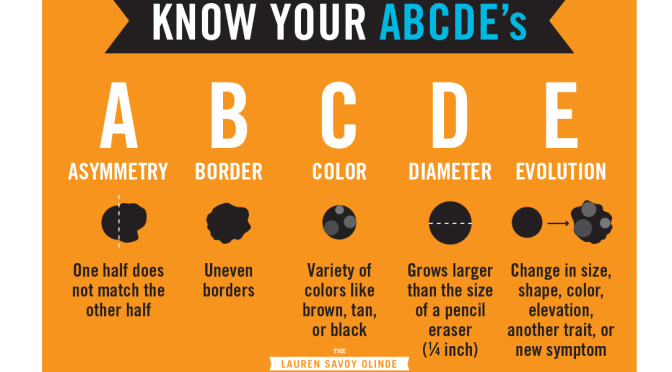
Skin Cancers: ABCDE’s Of Melanoma (Mayo Clinic)

Moles are a common skin growth, and most are harmless. But changes in moles and other pigmented patches may be the sign of skin cancer, particularly melanoma.

When it comes to early detection, just remember the ABCDEs.

“A” is for asymmetry.

“You want moles to be perfectly symmetrical, such that you could put a mirror right down the middle of it and the image would look the same,” says Dr. Catherine Degesys, a Mayo Clinic dermatologist.

“B” stands for border.

“You want a nice crisp edge to these pigmented lesions and no scalloped edges or indistinct edges,” says Dr. Degesys.

“C” is for color.

“In general, you want moles to be a homogenous color and not have multiple different pigmented areas,” Dr. Degesys adds.

“D” represents the mole’s diameter. Pigmented lesions being greater than 6 millimeters potentially need further evaluation.

“E” is probably the most important, and that corresponds with evolution, says Dr. Degesys.

“Any pigmented lesion or any moles that are changing are something that really needs to be evaluated by a dermatologist.”

COMMENTARY:

Melanoma is a devastating disease, and must be picked up early to give you any chance.

The memnomic A-B-C-D-E is a reminder of the things you must watch in a dark freckle, or nevus, in order to suspect melanoma. Symmetry, border, color, diameter, and evolution reminds you of things that will alert you.

A-B-C is also a good mnemonic when it comes to evaluating an unconscious person, in order to address the order in which to proceed. Here, it is Airway, Breathing and Circulation. If the airway is blocked, it doesn’t matter whether or not the person is breathing, or the heart is beating, because if you’re not able to move air in and out of the lungs, the breathing attempts and heartbeat will do no good. Secondly, if you’re not breathing, the heart pumping will do no good. Another memnomic is A-B-CPR.

The third memnomic has to do with psychology. Here, it is Affect, Behavior and Cognition. Most activities of the brain can be put into one of these three different areas.

I’m sure there must be more memnomics in a world such as ours, and if you know of any, I would appreciate knowing about them.

—Dr. C.

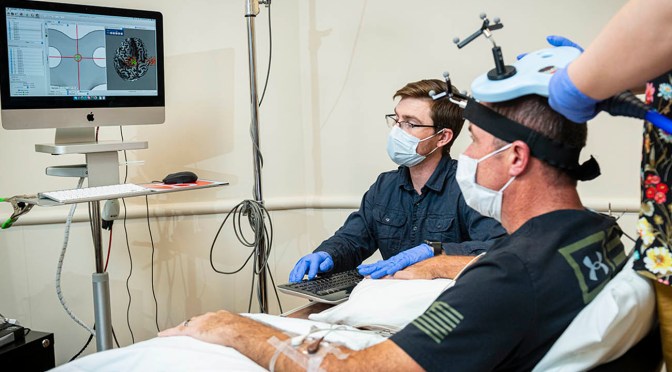
Stroke Care: Deep Brain Stimulation ‘Pacemaker’ Restores Hand Movement

Deep brain stimulation for patients who experience a stroke.

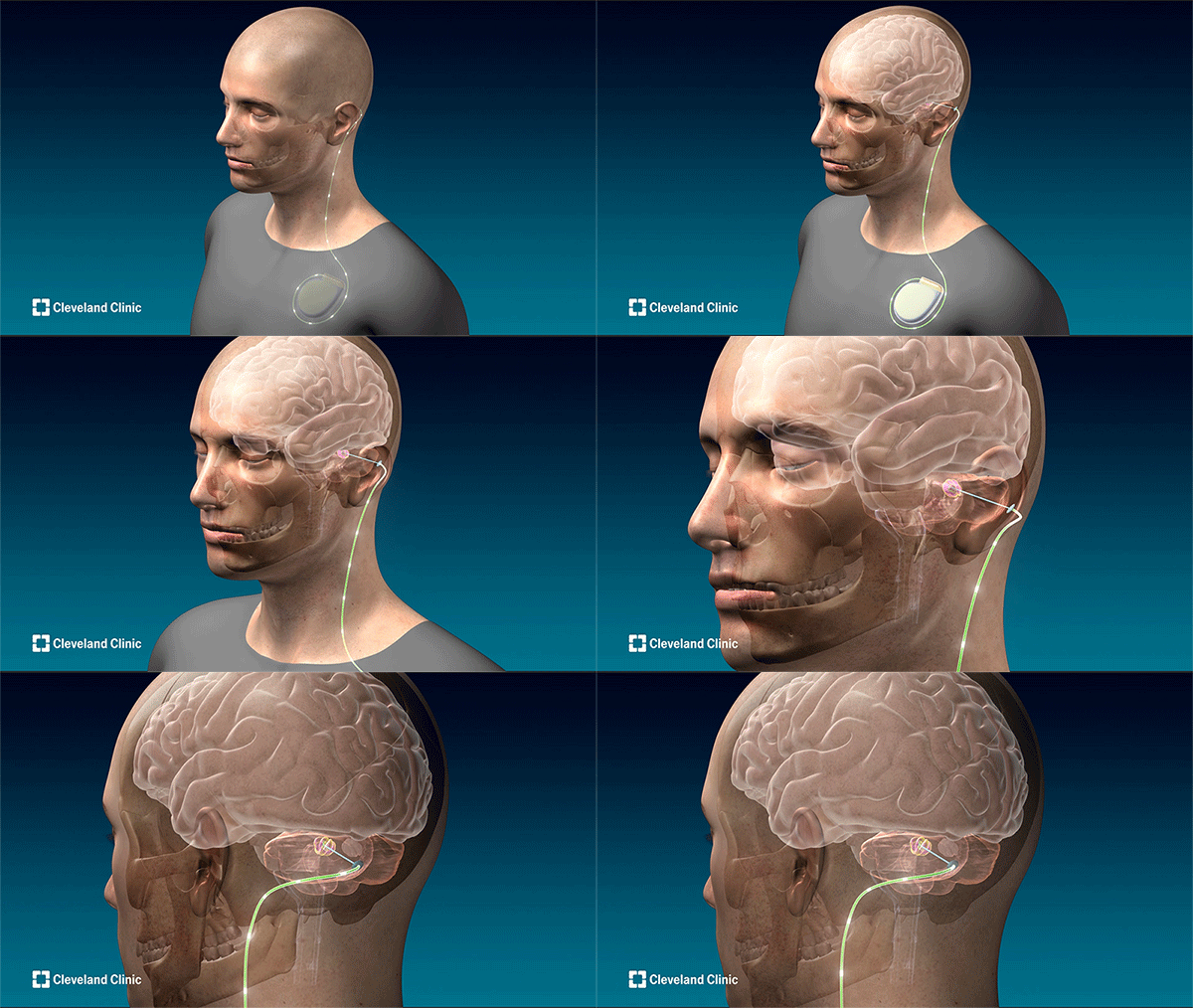
Deep brain stimulation is a surgical procedure that involves implanting electrodes in the brain, which deliver electrical impulses that block or change the abnormal activity that cause symptoms. (Courtesy: Cleveland Clinic)

“He had limited use of his hand. It really wasn’t functioning,” explains Andre Machado, MD, PhD, who is Chairman of the Cleveland Clinic Neurological Institute. “He couldn’t do as much manual work, with both hands, and that was a limitation for his quality of life.”

For the study, Joe first underwent two surgical procedures — one to insert the DBS device under the skin of his chest, just below the collarbone, and the other, to implant the DBS electrode in a part of the cerebellum called the dentate nucleus. Once activated, the device, called an implantable pulse generator, serves as a specially-calibrated pacemaker for the brain, stimulating it to try and enhance motor rehabilitation.

COMMENTARY:

Many times in science, application precedes understanding. Deep brain stimulation, either by electrical or magnetic pulses is a good example.

It is not at all understood how the brain really works, much less how electrical and magnetic stimulation in the brain works. It may stimulate or slow down neural impulses, or interrupt the incoming signals or the outgoing messages. Are there any other possibilities?

At least it does work, Apparently.

One thing for certain is that deep brain stimulation is preferable to previous treatments, which produced small, destructive, irreversible lesions in the brain. At least these stimulations can be stopped if they don’t work.

I enjoyed this posting, since it reignited my interest in the cerebellum. This amazing Organ has more neurons than the rest of the brain combined, represented by innumerable small granule cells. I wasn’t even aware of the dentate nucleus, which is an island of cerebral cortex-like neurons in the white matter of the cerebellum. Apparently the action of the cerebellum is orchestrated through this and a couple of other islands of neurons. All of the coordination, movement, and thought processing accomplished in the cerebellum takes place through these nuclei.

It was also fascinating to learn of a patient who has complete lack of a cerebellum, and suffers only some mild incoordination and speech problems. Apparently, absent the cerebellum, the rest of the brain is largely capable of taking over the function of the missing cerebellum. Once the brain is formed, However, and dependent upon the cerebellum, damage to this organ causes a great deal of coordination, movement, and balance problems.

I’ll put another plug-in for sleep, diet and exercise, as well as being careful with your body. Prevention is far better than treatment.

—Dr. C.

Read more

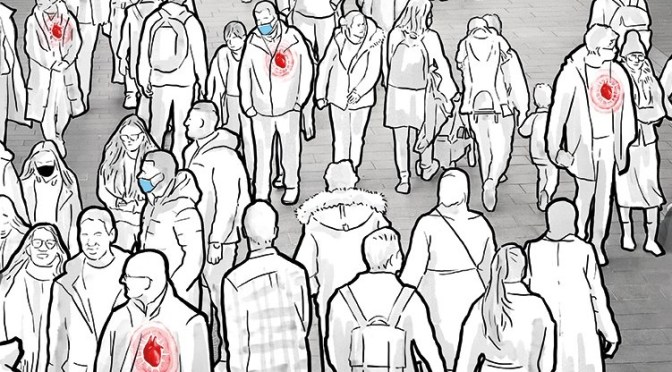
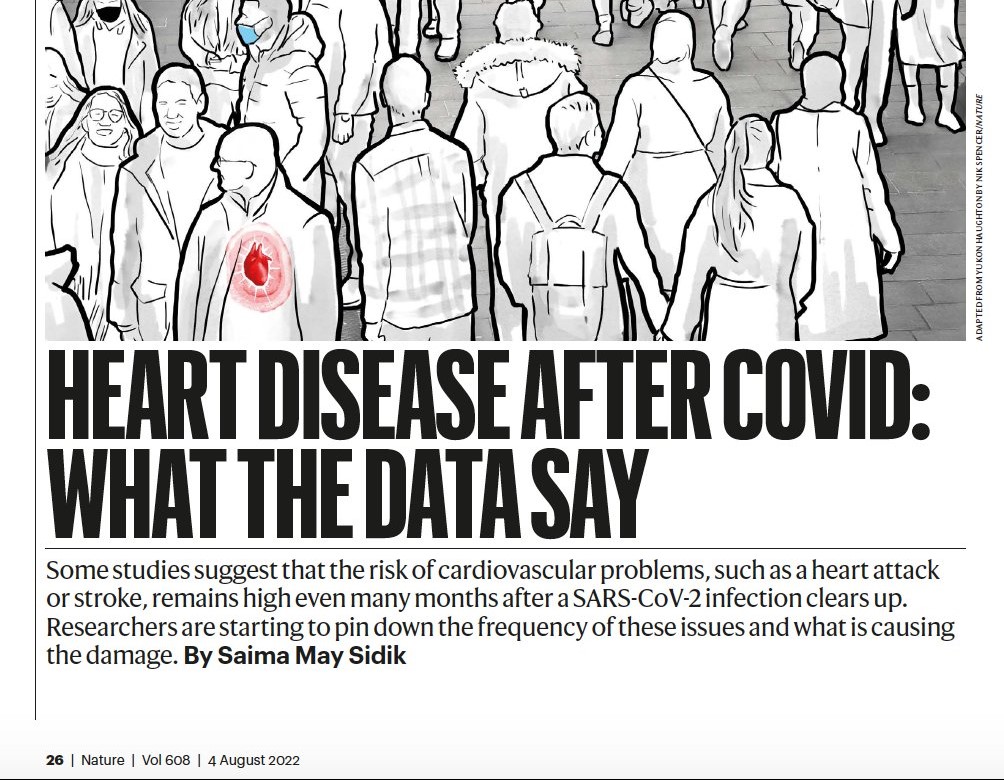
COVID-19: HEART DISEASE RISKS RISE AFTER INFECTION

In December 2020, a week before cardiologist Stuart Katz was scheduled to receive his first COVID-19 vaccine, he came down with a fever. He spent the next two weeks wracked with a cough, body aches and chills. After months of helping others to weather the pandemic, Katz, who works at New York University, was having his own first-hand experience of COVID-19.

On Christmas Day, Katz’s acute illness finally subsided. But many symptoms lingered, including some related to the organ he’s built his career around: the heart. Walking up two flights of stairs would leave him breathless, with his heart racing at 120 beats per minute. Over the next several months, he began to feel better, and he’s now back to his normal routine of walking and cycling. But reports about COVID-19’s effects on the cardiovascular system have made him concerned about his long-term health. “I say to myself, ‘Well, is it really over?’” Katz says.

In one study1 this year, researchers used records from the US Department of Veterans Affairs (VA) to estimate how often COVID-19 leads to cardiovascular problems. They found that people who had had the disease faced substantially increased risks for 20 cardiovascular conditions — including potentially catastrophic problems such as heart attacks and strokes — in the year after infection with the coronavirus SARS-CoV-2. Researchers say that these complications can happen even in people who seem to have completely recovered from a mild infection.

Some smaller studies have mirrored these findings, but others find lower rates of complications. With millions or perhaps even billions of people having been infected with SARS-CoV-2, clinicians are wondering whether the pandemic will be followed by a cardiovascular aftershock. Meanwhile, researchers are trying to understand who is most at risk of these heart-related problems, how long the risk persists and what causes these symptoms.

COMMENTARY:

 The heart and Covid are connected from a variety of angles.

Obese people with high blood fats, diabetes, the metabolic syndrome tend to have atherosclerosis and heart problems, making them more susceptible to severe Covid and long Covid. Covid loves to involve the lining of blood vessels and the heart, the endothelium, where the number of ACE receptors are high.

The respiratory tract and lung are a particular target for Covid, and reduced oxygen from lung involvement can compromise the hard-working heart.

 Heart cells, cardio myocytes, can be directly infected with the virus. Even Covid vaccines can rarely produce myocarditis, raising the possibility that there is some antigenic similarity between the virus and heart cells, similar to the beta hemolytic streptococcus and the heart which sets up rheumatic fever. 

If this similarity is real, the tendency of Covid to compromise the immune system and produce a cytokine storm in severe cases could therefore specifically involve the heart.

The nature article indicates several different varieties of heart problems and is a recommended read. From my personal standpoint, arrhythmias were mentioned, and I already have trouble with a couple of different types, AF and NSVT.

To make definite statements about the likelihood of heart involvement in Covid is problematic. The patients reported on were infected with an earlier strain of Covid, and the present one, BA.5, seems to be milder, and  may not be as hard on the heart as previous strains. Many more people are now immunized, and the most susceptible patients may have passed away. There are medications to take, such as remdesivir, and even select immune globulins, such as an immuno-suppressed friend of mine was given when he contracted Covid recently.

The bottom line for me is that I am 90 years old and have no desire to let Covid have a crack at me, so I avoid big gatherings, and wear a mask whenever I am exposed.

—Dr. C.

Read more

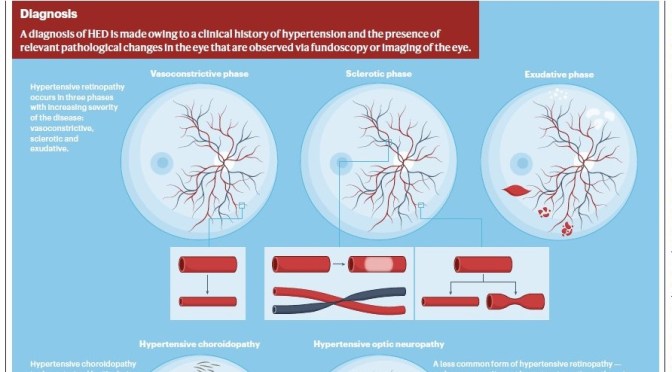
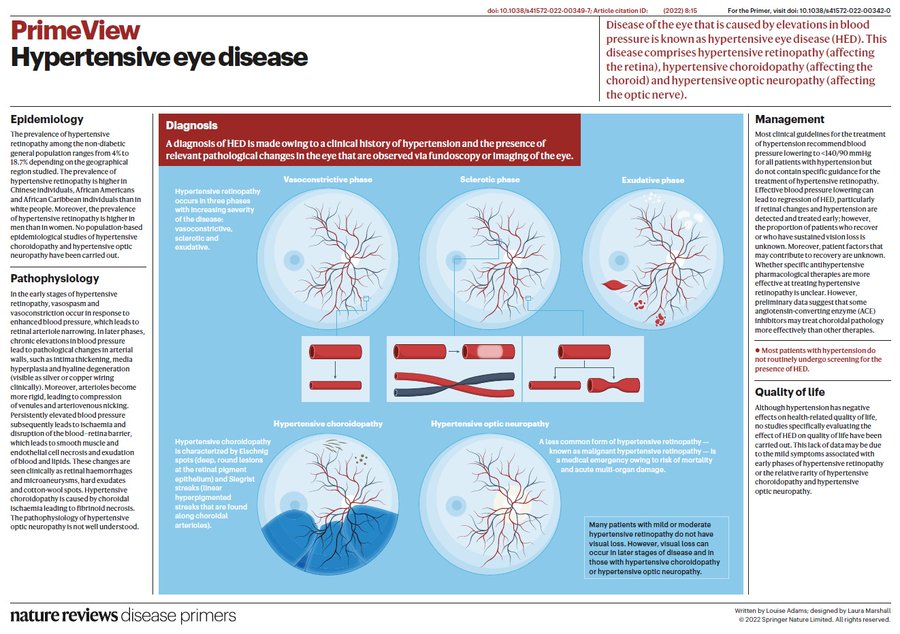
Diagnosis: Hypertensive Eye Disease (Infographic)

Hypertensive eye disease is diagnosed on the basis of a clinical history of #Hypertension and the presence of relevant pathological changes in the eye that are observed via fundoscopy or imaging. https://go.nature.com/3t0PahO

Commentary:

Control of hypertension is one of the triumphs of modern medicine, and there are many effective medications. One of the main problems that I hear about has  to do with taking too much of the medication, and having dizziness, especially on standing, which could cause a fall and injuries.

Abnormalities of the eye with hypertension are common. the doctor can look directly at the bare blood vessels as they course along the back of the eye. A hypertensive artery passing over a vein in the eye compresses it, producing a “nick” that doctors look for. other findings are shown in the info graphic.

These findings help doctors make a diagnosis, but only the rare complications of hypertensive optic atrophy and Choroidopathy actually endanger the vision.

The main organ that seems to suffer the most from hypertension is the heart, which has to work against a heavy load to pump the blood effectively at high pressure. This thickens the walls of the heart, especially the left side, making it less effective. Enlargement of the heart, heart attacks, and heart failure are not uncommon.

The brain is at risk with hypertensive arterial disease, and strokes can be a problem.

Kidney failure is also a real worry.

When you see your doctor for a blood pressure reading, make sure to take off coats and long sleeves. so that the bare arm can be tested. The left arm In right-handed people is preferable, because it has less musculature to shield the artery from compression by the blood pressure cuff.

Be sure you take your medication, if prescribed. The main emergency room visits occasioned by high blood pressure, such as 180/110, is when the patient skips the medication.

—Dr. C.

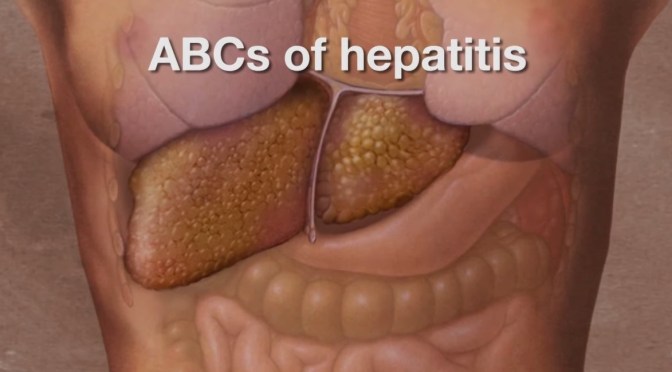
Medicine: The ABCs Of Hepatitis (Mayo Clinic)

Approximately 5.3 million people in the US have hepatitis. Listen as Dr. Stacey Rizza breaks down the ABCs of hepatitis. Vaccines protect against hepatitis A, and are especially important for children and travelers. Hepatitis C is transmitted from person to person through bodily fluids. The virus can cause liver damage and death.

COMMENTS:

For the past three months, hundreds of cases of severe hepatitis cases among children have been noticed, especially in England and America, but present in more than 50 countries. These cases of Hepatitis were not caused by any of the usual suspects.

This puzzling increase in pediatric hepatitis apparently is due to Adenovirus 41, plus infection with adeno-associated virus 2. The double requirement is probably why it took a while to crack the causation mechanism. Genetic factors and the Covid lockdown may also have contributed.

—Dr. C.

Emergency Care: Flying Intervention Team Use In Acute Ischemic Stroke

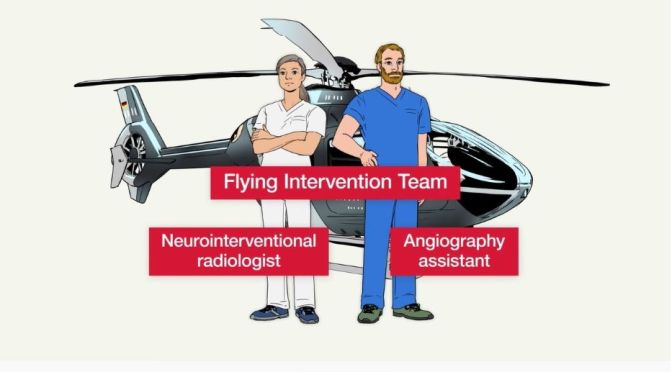
In a nonrandomized controlled intervention study published in JAMA, researchers in Germany assessed whether deployment of a flying interventional team, consisting of a neurointerventional radiologist and an angiography assistant, was associated with a shorter time to endovascular thrombectomy for patients in rural or intermediate population areas in Southeast Bavaria.

This video explains the study design. Click https://ja.ma/FIT for full details.

COMMENTARY:

Stroke prevention by a healthy lifestyle, including a good diet, regular exercise, and sleep is of course preferable to treatment.

However, stroke still claims more than 100,000 lives per year in the United States, and is a major factor in disability.

Recognition of a stroke is the first crucial step, and has been discussed in DWWR previously; FAST is the Menmonic and guiding principle. Ask the patient to smile, and it may be assymmetric, with one side drooping. Ask the patient to raise both arms, and one may drift down. Ask the patient to repeat a simple sentence, and he may be unable to do so. And above all be speedy, since time is of the essence, and treatment must take place within a very few hours.

Modern medical centers in large cities frequently have a team dedicated to treating stroke. The patient goes for a CT or MRI while  the Catheter team assembles. An intravenous clot dissolver, tPA, is often used, or possibly a catheter is inserted into an artery and guided to the  proper location. Sometimes the clot is mechanically removed as in the accompanying video.

The helicopter stroke response team featured in the posting is one aspect of the speed that is so essential; any delay will result in death, sometimes permanently, of brain cells.

Acute Heart attack treatment is basically similar to stroke, and was the pioneering venture into the interventional radiology described above. Also, the heart may be the source of the clots that lodge in the brain, especially from atrial fibrillation.

Please enjoy the following video which shows how mechanical clot removal is achieved.

—Dr. C.

Varicose Veins: Symptoms And Treatment (Harvard)

Can you prevent varicose veins?

Even if you have a family history of varicose veins, they aren’t always inevitable, says Dr. Sherry Scovell, a vascular and endovascular surgeon at Harvard-affiliated Massachusetts General Hospital. Three simple strategies can help to prevent them.

1. Get moving. “Leading an active lifestyle is probably the most important thing that you can do for prevention,” says Dr. Scovell. Exercise, particularly walking, induces calf muscle contractions that keep blood flowing efficiently. “The calf muscles act like a heart for the veins,” she says. People sometimes believe that if they stand more and sit less, they can prevent vein problems. But that’s not true if you’re mostly standing still. “It’s better to move as much as possible,” says Dr. Scovell. Exercise also helps you maintain a healthy weight, which can keep varicose veins at bay.

2. Put your feet up. Give your legs a break by elevating your feet at the end of the day, and even during the middle of the day if you’ve got some spare time. This can relieve pressure on the veins to help keep them healthy.

3. Pull on compression stockings. These garments fit snugly on your legs, squeezing them slightly to help keep blood moving. People sometimes think they’re unfashionable and are reluctant to wear them. But today’s stockings don’t resemble old-fashioned versions, says Dr. Scovell. Compression stockings come in numerous styles, including calf-high tube socks, dress socks, and tall stockings that look like tights. “They make them in so many cool colors and patterns,” says Dr. Scovell. “They can be fashionable and still help your veins at the same time.” You can purchase over-the-counter compression stockings at a drugstore or get medical-grade options through your primary care doctor or a specialist.

COMMENTARY:

Varicose veins entered my vocabulary when I noticed that my feet were different in their coloration; my left foot was darker than my right, and had a bruise-like discoloration at the heel. Some enlargement and irregular “snaking” of my veins was also apparant at that time.

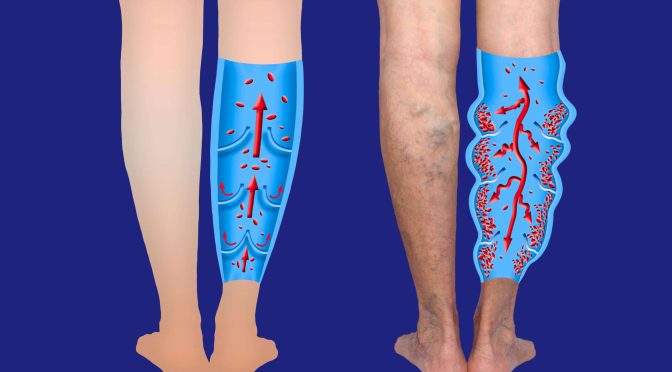
I went to see a vascular surgeon who performed an ultrasound on my veins, and informed  me that my popliteal valve, the one in the vein behind my knee, wasn’t working. This caused a constant column of blood, unchecked by a valve, to enlarge my veins.

I have been wearing compression stockings ever since, to slow down the enlargement of those veins.

My right leg has done better than my left, but still has a few varicose veins.

The compression stockings are hard for me to put on my legs, especially since I have arthritis in my hands. However, by learning a few tricks, this is not an intolerable burden.

First, you have to select your stockings. Jobst was the brand first suggested to me, and I used them for years. Recently, my big toe has been starting to cross over the second toe, a condition called “scissor toe”. The jobst stockings had toes in them, like most stockings, and I thought the compression acting on the toes was partially responsible for the scissor toe. Jobst has no open toe option that I can find. After going through several different brands, I settled on Sigvaris open toe. The label states the number of millimeters compression that is provided. More than 30 mm would be best, but 20-30mm. Is the tightest that my fingers will allow. More commonly I use 15 to 20, because after I swim the skin is wet, and wet skin simply gives too much friction to allow my painful hands to get the stockings on.

In the Harvard article, walking is also suggested, since the calf muscles act like a pumping mechanism on the deep veins to get the blood back to the heart. I learned from the article that the deep veins return 80% of the blood, and the superficial varicose veins only 20%, making them expendable. There are a number of different options for getting rid of the varicose veins, “sclerosing” them, including thermal and chemical treatments.

I walk a lot, going along with another suggestion from the article, although I don’t usually prop my legs up; I’m too busy running around to make propping a viable option.

Preventative treatment, such as I’ve been discussing, certainly beats having edematous legs with ulcers, such as I see in many older people.

—Dr. C.

Health: Four Tests For Chronic Inflammation

These are four of the most common tests for inflammation:

  • Erythrocyte sedimentation rate (sed rate or ESR). This test measures how fast red blood cells settle to the bottom of a vertical tube of blood. When inflammation is present the red blood cells fall faster, as higher amounts of proteins in the blood make those cells clump together. While ranges vary by lab, a normal result is typically 20 mm/hr or less, while a value over 100 mm/hr is quite high.
  • C-reactive protein (CRP). This protein made in the liver tends to rise when inflammation is present. A normal value is less than 3 mg/L. A value over 3 mg/L is often used to identify an increased risk of cardiovascular disease, but bodywide inflammation can make CRP rise to 100 mg/L or more.
  • Ferritin. This is a blood protein that reflects the amount of iron stored in the body. It’s most often ordered to evaluate whether an anemic person is iron-deficient, in which case ferritin levels are low. Or, if there is too much iron in the body, ferritin levels may be high. But ferritin levels also rise when inflammation is present. Normal results vary by lab and tend to be a bit higher in men, but a typical normal range is 20 to 200 mcg/L.
  • Fibrinogen. While this protein is most commonly measured to evaluate the status of the blood clotting system, its levels tend to rise when inflammation is present. A normal fibrinogen level is 200 to 400 mg/dL.

Commentary:

Inflammation is an essential, evolutionarily conserved mechanism that our bodies have developed for excluding infections, toxins, and damaged or cancerous cells.

Acute inflammation in response to infections is almost always beneficial, except where it is disproportionate to the danger that it fights; the common cold is  probably innocuous, but we develop symptoms from our bodies’ response. Covid has been found to incite disproportionately severe inflammation, which can lead to severe disease, and the need for corticosteroids.

Chronic inflammation is a different animal, and is usually undesirable. Sometimes it is due to an infection, such as tuberculosis, which won’t go away. Sometimes the bodies immune system develops a disordered communication system, and fights its own cells, called auto immunity.

Chronic inflammation can also be caused by obesity, chronic stress, cigarette smoking, alcohol in excess, and cancer, which can also be CAUSED BY chronic inflammation.

Chronic inflammation is also associated with Alzheimer’s, heart disease, rheumatoid arthritis, and type two diabetes. Asthma is a chronic inflammatory disease of the airways. IBD, inflammatory bowel disease, is a chronic inflammatory disease of the intestinal tract.

The symptoms of chronic inflammation very widely depending on the area involved. Abdominal pain, chest pain, joint pain, skin rashes, fatigue, and fever are some of the symptoms.

You can reduce your likelihood of chronic inflammation by maintaining normal weight, having regular exercise, eating a diet rich in natural vegetables and fruits (antioxidants),  avoiding alcohol and cigarette smoke, and by reducing or handling your stress.

—Dr. C.

Read more