UC Davis Health scientists Simon Cherry and Ramsey Badawi spent 15 years developing the world’s first total-body PET scanner, called EXPLORER. This imaging machine scans a patient’s entire body at one time, delivering breathtaking image quality that improves patient diagnoses and disease research.
COVID 19 is a nasty disease, in case you hadn’t noticed. It is SNEAKY: you can catch it from a person who has no symptoms.
It is UNPREDICTABLE: you may develop no symptoms or Die from it. It can affect any part of your body, including HEART and BRAIN.
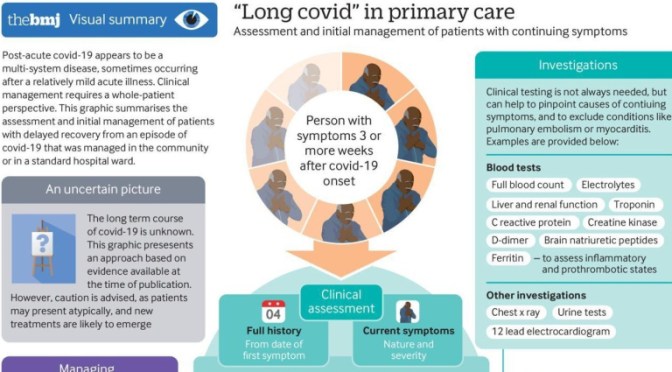
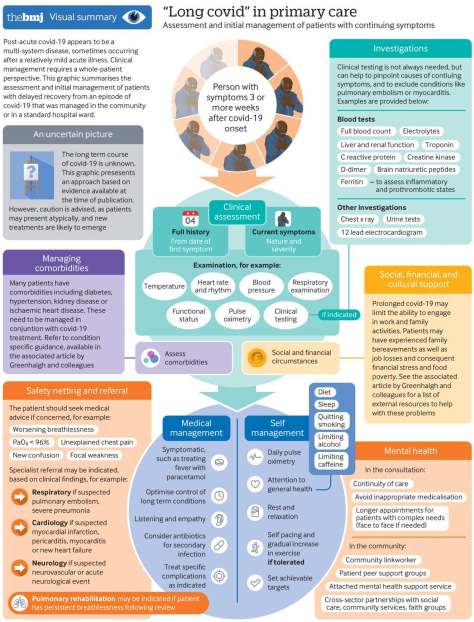
And now we hear that it can DRAG ON. The outstanding infographic, “a multi-systems disease, which is intended for PRIMARY CARE PROVIDERS, has a lot to offer patients, who can do a lot to Care for themselves:
–They can get a THERMOMETER and a PULSE OXIMETER to watch their own temperatures and oxygen saturations
–They can monitor their own COMORBIDITIES, like Diabetes and HYPERTENSION, which are common with severe Covid. In patients who get very ill .
–They can watch their GENERAL HEALTH, including SLEEP and DIET (the exercise part is relegated to DOCTORS recommendations).
You should also RESTRICT Alcohol, Caffeine and it goes without saying CIGARETTE SMOKING. Of course PREVENTION, with DISTANCING, MASKING and being Outside, coupled with SLEEP, DIET and EXERCISE is always best.
Salt, so important to human health and disease, is also prominent in HUMAN HISTORY. Civilization has required it from earliest times. Cereal grains, the ‘Staff of life” is relatively low in SODIUM CHLORIDE, salt, making it a desirable food additive.
PRESERVATION of food before refrigeration required salt. Natron (Natrium is latin for salt, and Na is its chemical symbol) was the Egyptian city known for its salt. Salary was an income supplement to Roman Legionnaires for purchase of salt.
Salt, gold and slaves were prominent in north African trade, and salt was often as valuable, ounce for ounce, as gold. “Below the salt” in medieval times meant the “cheap seats” in Feasts; only the “high table” had salt.
SEA WATER was about 0.9% salt at the dawn of Life, and that is presently the salt concentration in EXTRACELLULAR FLUID.
TASTE BUDS are happy with salty foods, and one set is specialized to pick up salty favors. The 4 others are sweet, sour, bitter and umami. As you can see, these taste buds were pro-evolutionary in our paleolithic ancestors.
The extra salt, sugar, and fats that taste so good in our present modern, excessive society are over-generously supplied by capitalistic producers intent on enhancing sales. Portions keep getting ever larger to encourage us to eat more.
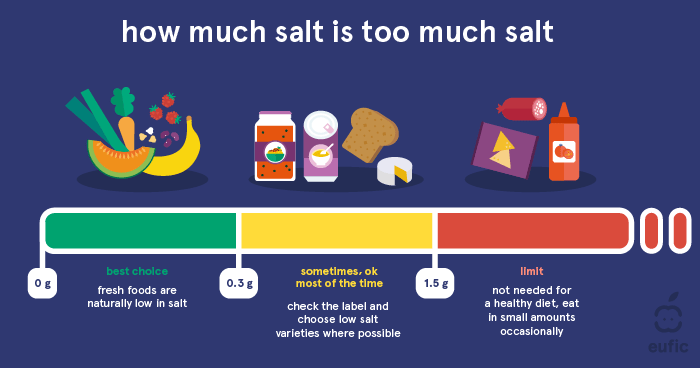
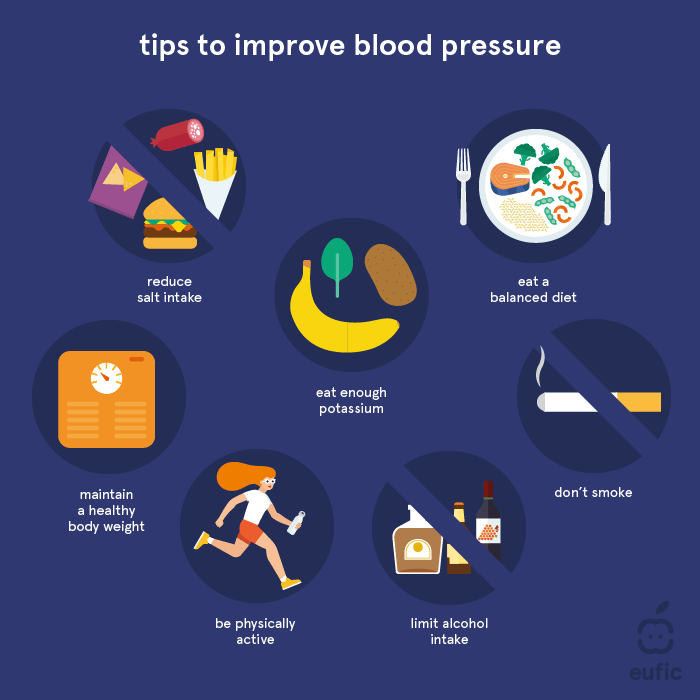
Salt supports BLOOD PRESSURE, and sometimes ER Patients in shock are given saline infusions. More commonly, HYPERTENSION is treated by salt restriction, as illustrated in the accompanying Infographic.
POTASSIUM is the most common cation in the INTRACELLULAR FLUID, just as Sodium is most common in the Extracellular fluid. Our bodies fastidiously defend narrow concentration limits of Sodium, Potassium and other electrolytes which are important constituents of the famous Milieu interieur.
It is interesting that the Sodium-Potassium ATP Pump requires a large percentage of the ENERGY used to keep us alive. This pump also keeps our cell membranes POLARIZED, so important in NERVE TRANSMISSION.
So eat a lot of NATURAL FOODS, high in potassium, and avoid the catsup, sauces and condiments that riddle our high sodium, Fast food, modern diets.
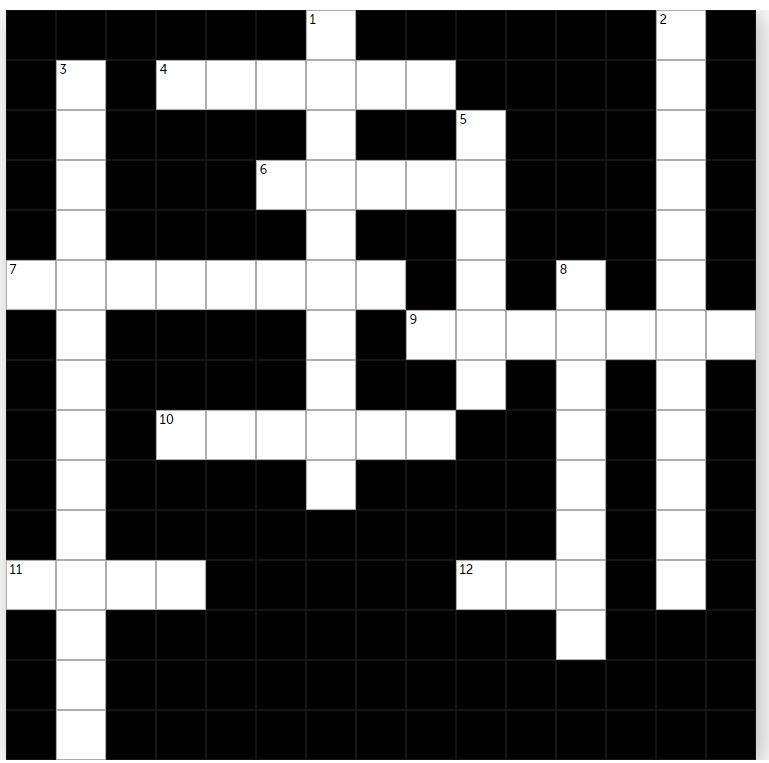
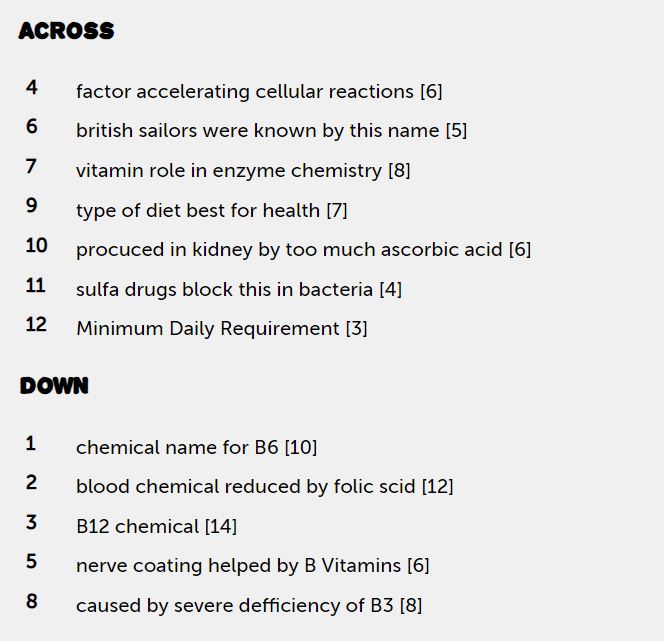
The Idea that lack of certain nutritional factors could cause disease predates the germ theory by hundreds of years. British sailors could be saved from the ravages of SCURVY by a little sour fruit, and were called LIMEYS. Just before the first World War, a “milk factor” was found to be contained in butterfat, and was called Vitamin A.
The factor in “rice polishings”, known for decades to prevent disease caused by a diet exclusively of white, or “polished”rice was called Vitamin B.
Thus the Lettering system of vitamin-naming began. It wasn’t known until just before the Second World War that “vitamin B” was in fact several different substances (B1. B2. etc.), and later yet until these factors were found to be small, non-protein molecules that were “cofactors” in important enzymatic reactions essential in the body.
The metabolic pathways of our Hunter-gatherer ancestors could depend on the DIVERSE FOOD sources of Paleolithic man to supply these vital substances. Therefore, the body did not need to synthesize them, saving energy, but paving the way for future problems.
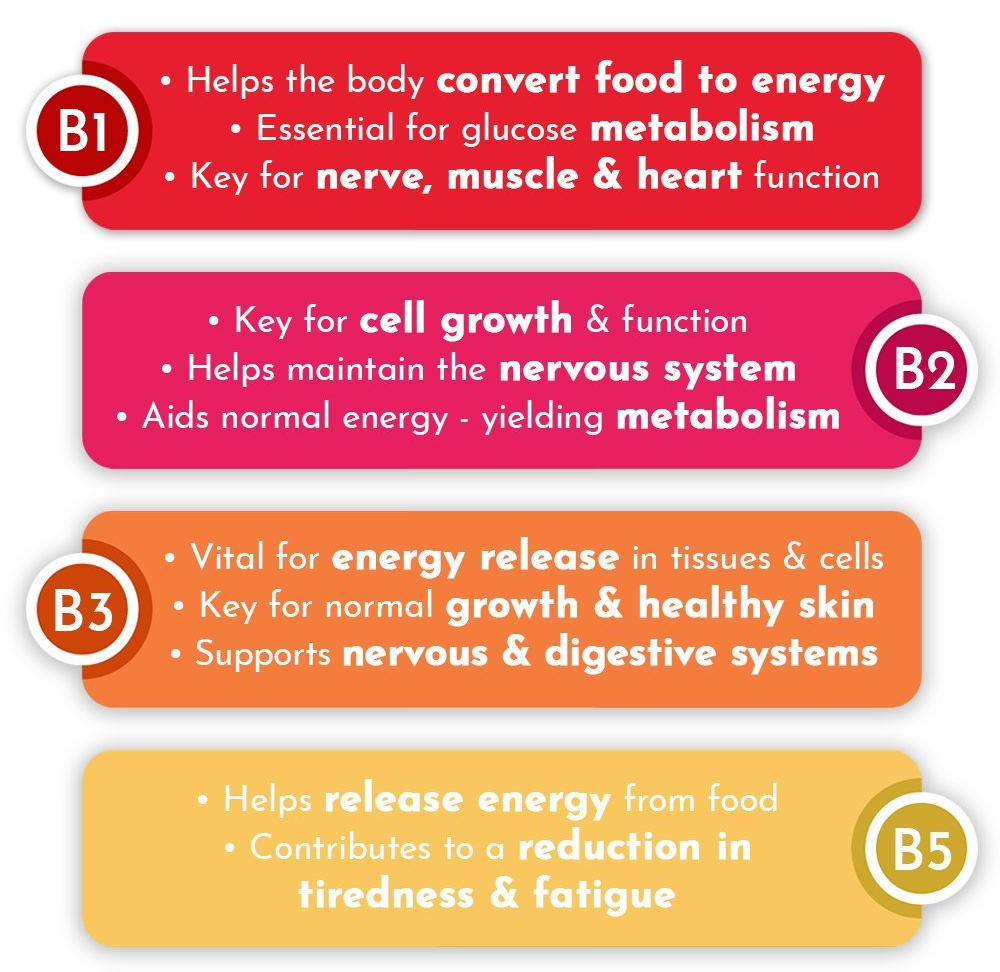
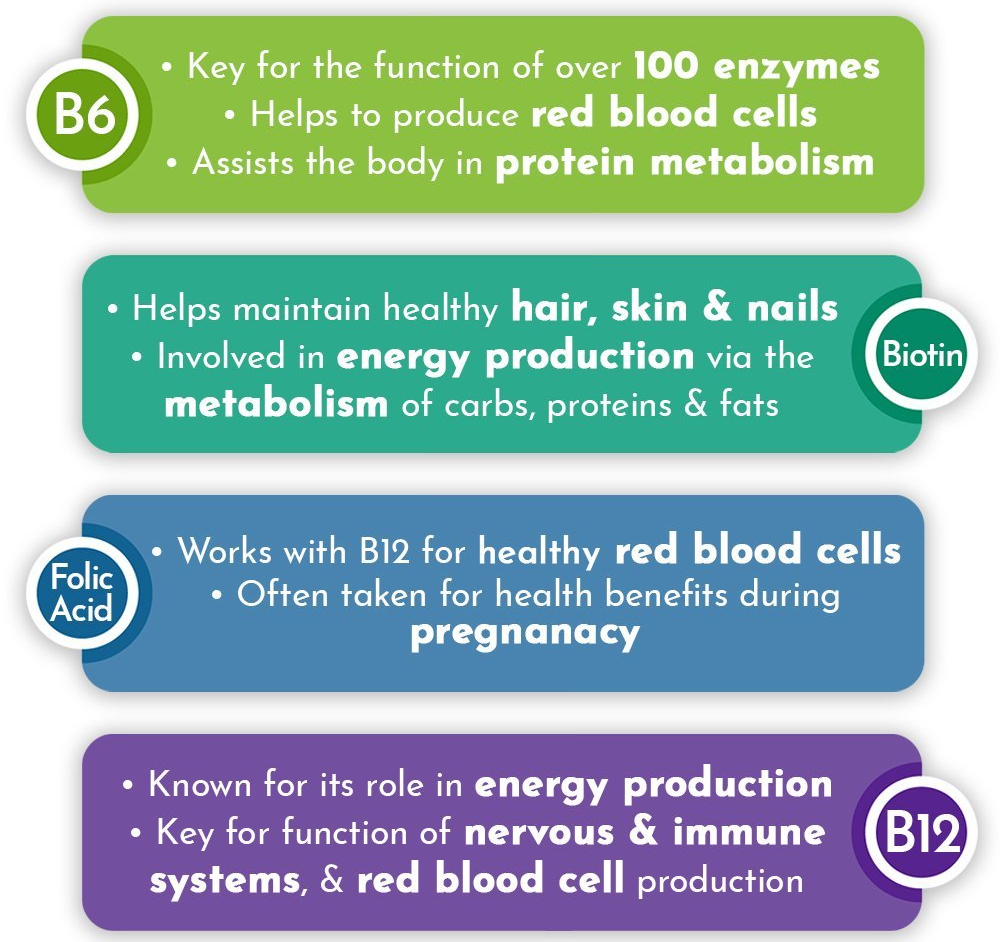
As a group, B vitamins produce energy from nutrients, support immune function, regulate cell growth, maintain Myelin, and maintain RBCs, among other crucially important things.
Some substances used to be considered B Vitamins, were later found to be synthesized in our bodies: these include Choline, Carnitine, Lipoic acid and PABA.
The latter is essential to Bacteria, leading to the development of the Sulfa Drugs, which Block PABA synthesis. Another pair of substances are so widely present in foods as to be rarely deficient: B5, Pantothenic acid, and B7, Biotin.
Three important, essential B Vitamins, B6, Pyridoxine, B9, Folic acid, and B12, Cyanocobalamin are so intertwined in their effects, they are best considered a unit. For instance, if B9 is supplemented while B12 is deficient, severe neurological problems arise. B6,9 and 12 must be kept balanced.
That leaves B1,B2, and B3, Thiamine, Riboflavin, and Niacin. Thiamine and Niacin deficiencies used to be common, especially when white rice and white flour replaced the more common brown variety, and led to Beri-Beri and Pellagra respectively.
My own Medicine Cabinet used to have the enriched B-vitamins, called B50 and B100 at Trader Joes. To cut down on pills, I switched to a multivitamin rich in most B vitamins. With the additional 4 mg. of Folic acid, I now take 1000% of the MDR of B6, B9 and B12, which I explained in a previous post to be driven by my elevated Homocysteine.
The Medical establishment and much research demeans the “health food nuts” as doing little more than making their toilets healthier. Indeed, research on Vitamin E supplementation has shown to cause cancer, Vitamin D supplementation to be useless, and folic acid supplementation to be potentially bad. Vitamin C supplementation does nothing but increase the likelihood of Kidney stones, etc.
The experiments are performed, and MDRs calculated on GROUPS of people, however, and with the INDIVIDUAL VARIATION in metabolism, with AGING of the human body (research on nutrients rarely includes the Elderly), and the lousy fast foods of the modern diet, I will continue with my supplementation.
In 2 of the vitamins, D and folic acid, B9, I am on firm ground, having blood levels of 25 hydroxy Vitamin D, and Homocysteine respectively to give me a frame of reference.
The truth is that the medical profession is poorly educated in nutrition, has little incentive to improve their knowledge, and has scant spare time to take dietary histories even if they knew more.
Even in the 60s when I routinely had my Patients keep a “diet diary” so I knew what they were eating, most doctors did not think this worth the time.
Educate yourself on SLEEP, DIET and EXERCISE, resolve to practice what you learn, and leave the medical profession to do what they are best at, and paid for: give medicines and perform procedures and surgery.
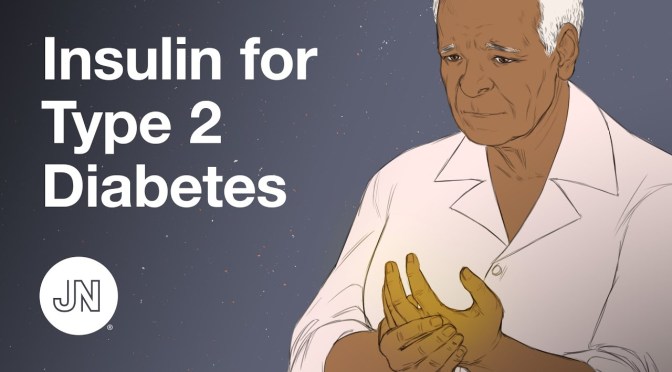
JAMA NETWORK (AUG 5, 2020): 2020 American Diabetes Association (ADA) guidelines recommend that after a trial of metformin, doctors add additional drugs based on the presence of cardiovascular and kidney-related comorbidities, risk of weight gain and hypoglycemia, and cost. In this video, Irl B. Hirsch, MD, of the University of Washington in Seattle, explains the rationale for starting insulin next for patients with persistent HbA1c elevation above 9-9.5% despite lifestyle changes and metformin.
The normal adult heart beats almost as regularly as a metronome, between 60 and 100 beats per minute. I say ALMOST, because when you let your breath out, the VAGUS nerve slows the normal heart slightly.
This is called Sinus Arrhythmia; SINUS because the electrical signal for the heart to contract originates in the usual place, the SINUS NODE.
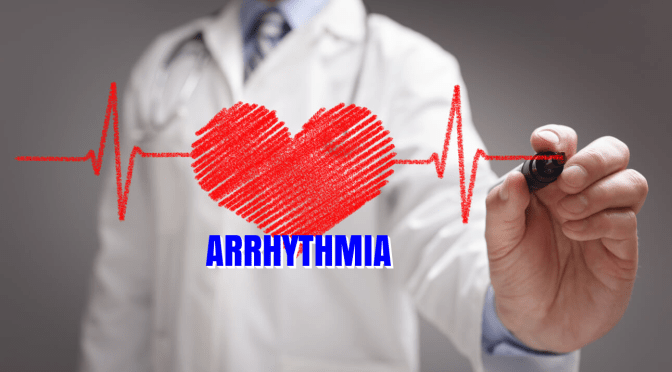
ARRYTHMIA refers to the irregularity of the beat. Normally, the sinus node originates the electrical impulse, automatically generating the rhythm. The impulse spreads in an organized fashion throughout the Atria causing them to contract and send the collected blood to the ventricles.
The AV node is then activated, and after a slight delay, to allow the ventricles to fill, the impulse spreads to the Ventricles, causing them to contract, The heart is designed to be most efficient above 50 beats per minute, and below about 120. The rate is higher in the young and athletic. Athletes often have an efficient resting pulse in the 40s.
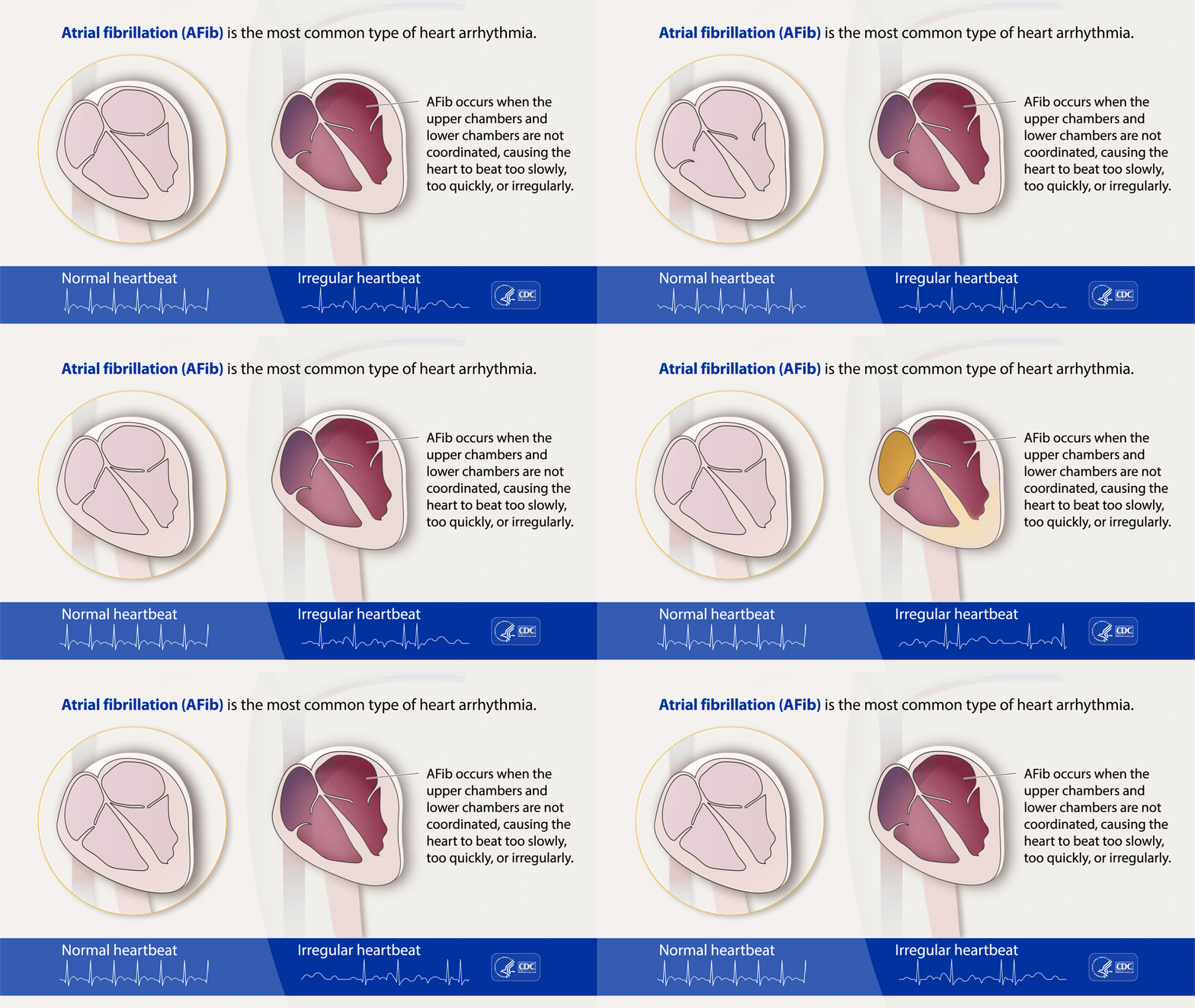
The arrhythmias usually cause the heart to beat too FAST. The most common arrhythmia is ATRIAL FIBRILLATION. In this condition, the upper chambers, the Atria, do not beat in a coordinated manner. The sinus node no longer regularly originates the electrical impulse because the electrical activity is continuously traveling in a disorganized way throughout the upper chambers in a self-propagating manner.
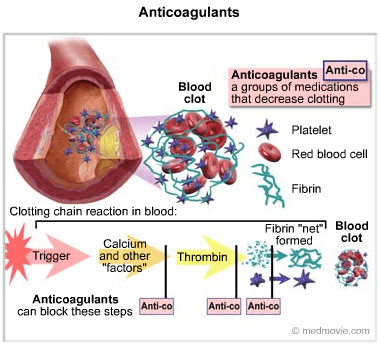
This quivering of the Atria allows the blood to pool in an area called the Atrial Appendages. This stagnant, pooled blood tends to clot, particularly if there is inflammation already present in the heart from vessel damage, obesity, or simply old age.
These CLOTS may find their way into the systemic circulation, and cause a STROKE. Another symptom of Atrial fibrillation is related to the irregular beats, which creates the sensation of PALPITATIONS, which causes you to be AWARE of your heart beating, and can be disturbing.
ATRIAL FLUTTER, and SUPRAVENTRICULAR TACHYCARDIA are other Arrhythmias. Some conditions cause the heart rate to be too SLOW. SICK SINUS SYNDROME is when the sinus node, the PACEMAKER, becomes more and more disordered, sometimes causing the heart to slow excessively, and produce FAINTING, sometimes producing a rapid heart rate.
Heart block is where the signal from the atria don’t reach the ventricles properly, sometimes not at all. The unsignaled ventricles still beat, but more slowly by an intrinsic, “idioventricular” rhythm.
My own experiences with ATRIAL FIBRILLATION will illustrate the problem and it’s treatment. A RAPID HEART BEAT was my introduction into arrhythmias. The rate was 140, and the EKG showed ATRIAL FLUTTER.
My Doctor gave me some PROPAFENONE to attempt a “chemical conversion” but it didn’t work, and i was given a CARDIOVERSION in the ER. The Arrhythmia returned in the form of ATRIAL FIBRILLATION within a couple of weeks. Back to the ER, and another cardioversion.
I was given propafenone, but that didn’t hold me much longer. A RADIOFREQUENCY ABLATION, where the focal points of aberrant electrical activation were isolated kept me in SINUS RHYTHM for a couple of years.
When the Fibrillation returned, Propafenone worked for a while, after which another Ablation, more propafenone, bood level regulation of propafenone to peak at night ( I invariably started fibrillation at night) and so on. With periodic trips to the ER for Cardioversion, I got by for a Decade.
Finally, when regulating the Propafenone couldn’t hold me in Sinus Rhythm longer than a month, I gave up, let myself go on fibrillating, and started taking ELEQUIS to PREVENT EMBOLI AND STROKE. Back when I first started fibrillating I had 2 main reasons for wanting to return to sinus rhythm..
First, I wanted to avoid ANTICOAGULANTS, which initially meant WARFARIN, and regular blood checks. At least, when I finally resigned myself to Fibrillation, Eliquis was available.
The second reason was to avoid medications, including beta blockers,which would be necessary to keep my heart rate in the acceptable range, 80 or below. By the time I gave up on controlling the AF, my rate was in the 70s, going down into the 50s, even while fibrillating.
This good fortune may have been caused another mild heart aberration I had all along, a Partial BUNDLE BRANCH BLOCK, which slowed down the electrical signals to my ventricles. Sometimes you get lucky, and 2 “wrongs” sometimes DO make a “right”. But don’t count on it.
Keep yourself as healthy as possible. Atrial fibrillation is more common with obesity and heart disease. SLEEP APNEA is also a cause, and should be ruled out if you develop Atrial fibrillation. I had a Sleep study, which showed that I had Sleep Apnea, which will be a story i will tell later.






 Doctors Without Waiting Rooms