‘INFECTIONS’: HOW WE EXPERIENCE INTERACTIONS WITH MICROORGANISMS

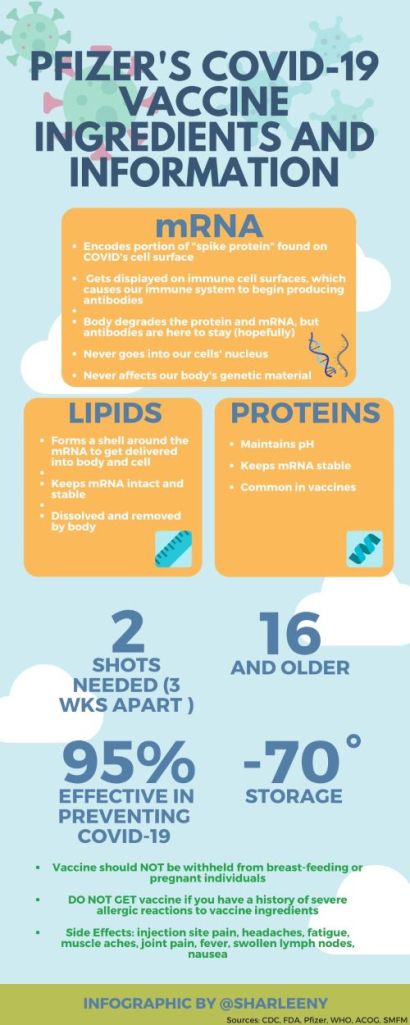
The RNA molecule is central to life. It is the information molecule of the Pandemic SARS CoV 2 virus, whose Messenger RNA specifying Spike proteins is the basis of 2 recently-released vaccines.

“RNA Life” is the leading theory for the Origin of Life itself, more than 3 Billion years ago. DNA evolved as the blueprint information molecule in cellular life, but the ubiquitous RNA may well have become the first viruses.
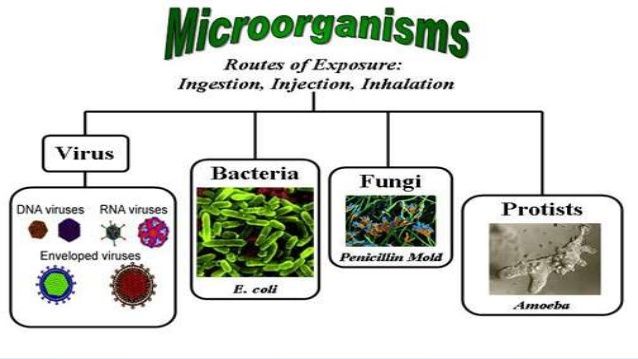
The stage was set for the ongoing battle of life: Parasite vs. Host, Pathogen vs. Target, but recent research reveals a much more nuanced picture. Viruses and bacteria can be BENEFICIAL as well as deleterious. We now speak of the MICROBIOME, usually referring to our host of resident BACTERIA, and the VIROME referring to all of our indwelling VIRUSES.

INFECTION is how we experience our interaction with microorganisms, their benefits unseen. Bacteria, viruses and parasites have always been with us, increasing in impact as Paleolithic man crowded into agricultural settlements.

Enlarging cities became more dense, favoring spread of infection and PLAGUES. The Bacterium, Yersinia Pestis,emerged in Roman times,
causing the Justinian plague, and resurfaced in the 14th C. as the Black Death. Viral Plagues, including Smallpox, were devastating during European adventures into the New World.

Malaria, a one-cell Eukaryotic Parasite, may be the greatest killer of all time. Modern Sanitation and improving medication have lately pushed bacterial infections into the background.
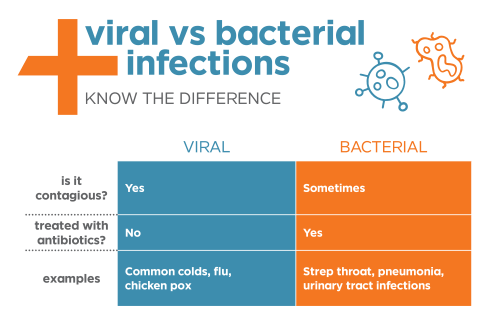
Viral infections such as Influenza and most recently Covid have become the Modern face of infection. Many Viruses reduce Immunity, however, paving the way for bacteria to invade: Haemophilus influenzae, a bacterium, may have caused much of the mortality of the 1817-1918
Flu epidemic.

IV drug usage has facilitated the spreading of the viruses causing Hepatitis and AIDS. The immune-compromising nature of the latter has reinvigorated TB and Syphilis, both bacterial infections. Only a few years ago, bacterial infection was thought to be conquered by antibiotics, and viral infection contained by Vaccines.

Microorganisms are constantly evolving, however, and often share their resistance factors. Infection is no more a thing of the past than War. The Battle continues.
–Dr. C.

THE DOCTORS 101 CHRONIC SYMPTOMS & CONDITIONS #31: COLD SORES

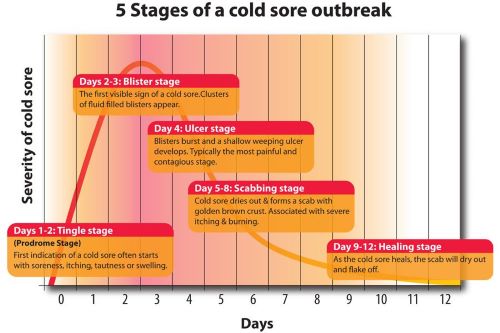
“Fever Blisters”, or “Cold sores” are caused by infection, almost always, with the Herpes Simplex 1 virus. Herpesvirus infestations are present in 50% of the population, usually causing little disturbance. The symptoms on first exposure depend on the Age the virus is first acquired.

NEONATAL Herpes can be extremely serious, due to the immaturity of the infant immune system. Herpes acquired in CHILDHOOD, or Primary herpetic Gingivostomatitis, can cause very dramatic FEVER, with blisters in the mouth, that lasts for a week to 10 days, causing lots of misery and hand-wringing but having a good outcome.

I had one such case early in my pediatric residency at Walter Reed Army Hospital, a young French boy named Didier Dupont. He screamed with pain, and wouldn’t eat or drink. His parents thought that he was going to die, and that I saved his life, neither of which was true. My roommate and I lived in the same housing complex as the Duponts, and enjoyed many fine french meals with them, one of the few positive events to result from an encounter with Herpes Viruses.

The first acquaintance with Herpes in ADULTHOOD produces outcomes ranging from no symptoms at all, to a flu like syndrome with mouth blisters. Many people have positive blood tests for herpes, but cannot recall any mucosal burning, blisters or pain, so Herpes can enter the body without producing memorable symptoms.

The Herpes 1 Virus gains entrance to the body through the lining of the lips, mouth or nose(or through broken skin), and travels up the local nerves to the cell body in the local Trigeminal ganglion. There it remains quietly, until some STRESS reduces the resistance, allowing it to awaken and travel back down the nerves to the “mucocutaneous junction”, where the skin thins out into the lining of the nose, mouth, or occasionally the eyes.

There it multiplies and forms painful blisters, or “cold sores”. Sunburning of the lips, a “cold”, or psychological strain are examples of the stresses that can trigger cold sores. Reduced resistance is the common factor.

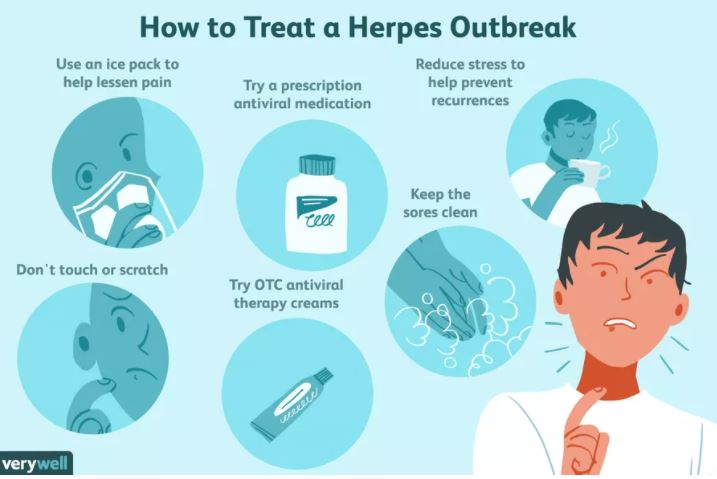
The Acyclovir family of drugs is usually effective in treatment, and works by inhibiting DNA Polymerase. These oral medications can be given to curtail each episode, if cold sores are infrequent, or continuously to reduce the number of outbreaks.

Herpes 1 is a double stranded DNA Virus in a family that includes Herpes 2, Chickenpox, the EB virus of mononucleosis fame, and Cytomegalovirus, which is the bane of organ transplant recipients. A nasty Clan indeed, and very successful in evolutionary terms.

–Dr. C.

HEALTH: VALUE OF A HEALTHY ‘SKIN MICROBIOME’ (VIDEO)

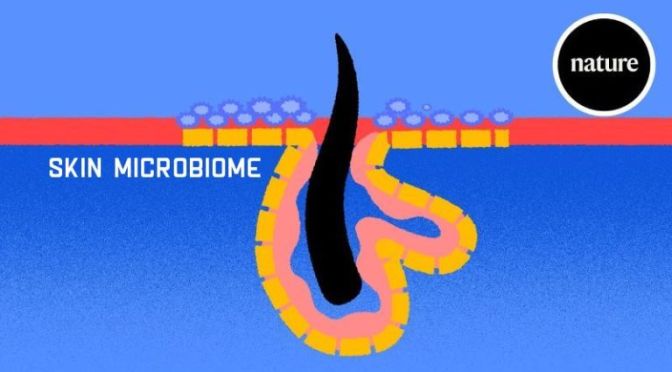
Our skin is home to billions of microorganisms, the vast majority of which are bacteria. Much like the microbiome in our gut, these microbes play a crucial part in keeping us healthy. They are part of a finely balanced ecosystem of friendly or ‘commensal’ bacteria, which protect our skin by creating an inhospitable environment for would-be invaders, bolstering the physical integrity of the skin, and training the immune system to distinguish commensal inhabitants from pathogens. A number of skin conditions are now understood to be influenced by a breakdown of this microbial ecosystem. Researchers are working out whether restoring the balance can treat these conditions. Understanding the ecology of this rich community is likely to be an important part of both dermatology and the study of the microbiome. Read more in https://www.nature.com/collections/sk…

THE DOCTORS 101 CHRONIC SYMPTOMS & CONDITIONS #30: ACNE (Vulgaris)

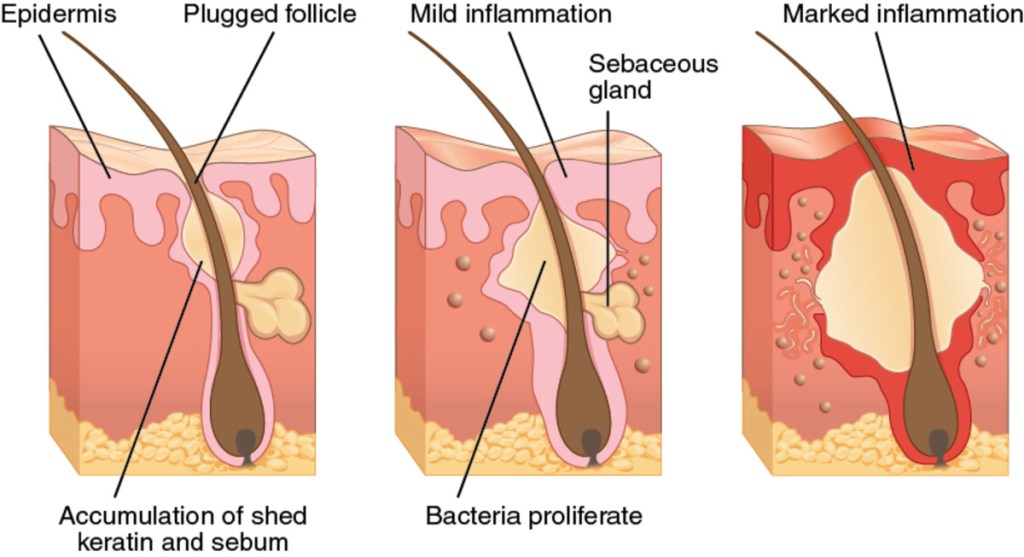
ACNE is almost a rite of passage in adolescents, although it is not totally restricted to the teen years; women may experience acne during pregnancy, or at the time of menopause. It afflicts about 90% of kids during their PUBERTAL growth spurt, though is moderate or severe in only 15%.

Acne is caused by PLUGGING of the sebaceous glands of the skin. Infection by certain skin BACTERIA follows. Check the accompanying video for a description of the battle between the “Good guys”, Staph epidermidis and Cutibacterium acnes, vs. the bad guy, Proprionibactrium
acnes.

Acne tends to run in families. The steroid HORMONES like Testosterone and Cortisone promote Acne. STRESS tends to chronically raise Cortisol and is a factor in Acne, and many chronic illnesses as well.

A person who is having trouble with Acne should avoid sweets and greasy foods, which is a good idea for everybody. Skin cleansers, using salicylic or azelaic acids and benzoyl peroxide may help, and creams containing retinoic acid derivatives may be useful..

The doctor may prescribe an antibiotic like tetracycline in resistant cases. Cystic acne may be scarring, but otherwise “the zits” depart with the pubertal years.

–Dr. C.

Further reading at Mayo Clinic

HEALTH: WHAT ARE ‘SALIVA TESTS FOR COVID-19’? (VIDEO)

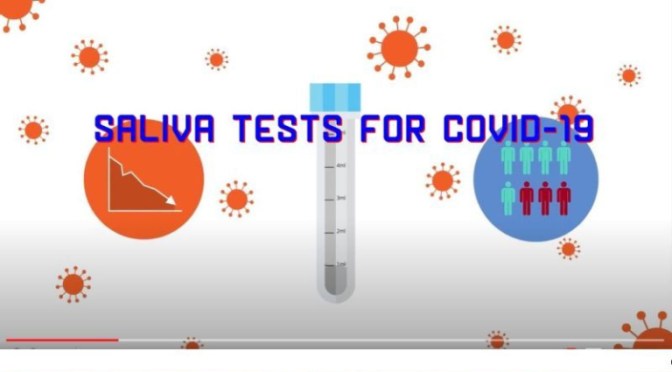
Screening testing is one tool the University of Pennsylvania is using to help reduce the risk of COVID-19 spread within the University community. That’s why we’re performing saliva-based viral testing for students, faculty, postdocs, and staff who are on campus.