
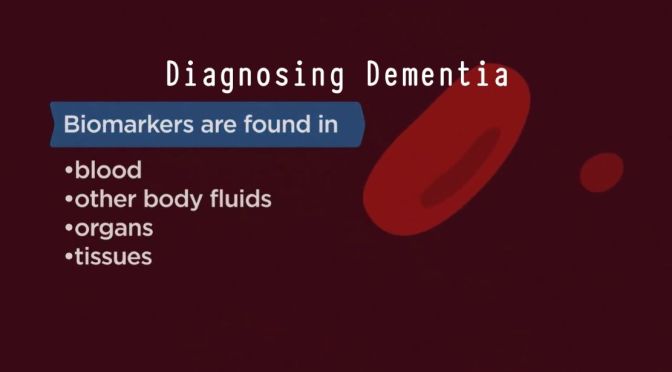
Biomarkers are measurable indicators of what’s happening in your body. They can be found in blood, other body fluids, organs, and tissues, and can be used to track healthy processes, disease progression, or even responses to a medication. Biomarkers are an important part of dementia research.
Videos
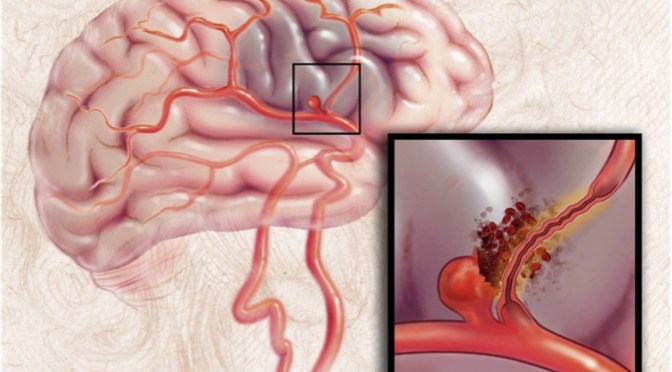
Strokes: Subarachnoid Hemorrhage Treatment
Subarachnoid hemorrhages account for approximately 1.2 million cases of stroke each year, and nearly 40% of those cases are fatal. Dr. Rabih Tawk, a Mayo Clinic neurosurgeon explains the early signs of a subarachnoid hemorrhage and how it’s treated.
Bleeding in the space between the brain and the tissue covering the brain.
Subarachnoid hemorrhage, a medical emergency, is usually from a bulging blood vessel that bursts in the brain (aneurysm). It may lead to permanent brain damage or death if not treated promptly.
The main symptom is a sudden, severe headache.
Hospital care is needed for supportive care and to stop bleeding and limit brain damage. Treatment may include surgery or catheter-based therapy.

Telemedicine: UCM Digital Health Aids NY Hospitals
Telemedicine could soon offer relief local emergency rooms desperately need.
UCM Digital Health offers a digitally integrated, whole person health solution that provides patients with immediate access to care on their terms.
UCM combines a digital front door platform, multi-disciplinary team of providers, and a 24/7 telehealth triage, treatment, and navigation service to provide a range of patient services, including emergent and urgent care, primary and specialty care, behavioral health, and more. Care begins digitally and can seamlessly integrate across other points of care for a simple patient experience.
UCM brings together clinical expertise, advanced technology and compassionate care to offer powerful advantages for insurers, employers, patients and providers.
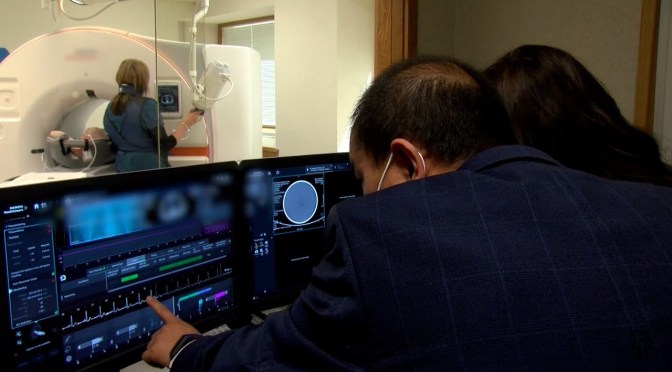
Artificial Intelligence: Its Benefits For Radiology
Using artificial intelligence in health care seems like a futuristic concept, but it’s something that’s being used now to complement the knowledge of doctors. Radiology was one of the first areas that saw a lot of AI applications.
Dr. Bradley Erickson, director of Mayo Clinic’s AI Lab, says in the case of radiology, machine learning is used to complete some of the more time-consuming work. Beyond that, the diagnostic capabilities of AI are what attracts a lot of the appeal. While imaging-related AI has seen a lot of advancements, Dr. Bhavik Patel, director of AI at Mayo Clinic Arizona, says the next step is looking at AI applications for preventive health and shifting the mindset from pipeline to platform thinking.
There are a broad area of applications (for AI), starting in radiology, but really spreading into the rest of the clinic, including cardiology and even pathology.
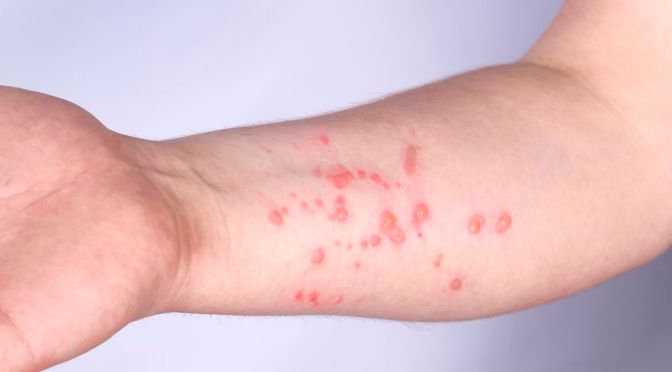
Diagnosis: The Signs And Symptoms Of Monkeypox
The World Health Organization recently declared monkeypox a global public health emergency – with cases being reported in many different countries, including here in the United States. Our expert explains what exactly the virus is, the symptoms and how it spreads.
For more information about monkeypox, please visit https://cle.clinic/3ABwZTH
Research: The Search For A Universal Vaccine (2022)
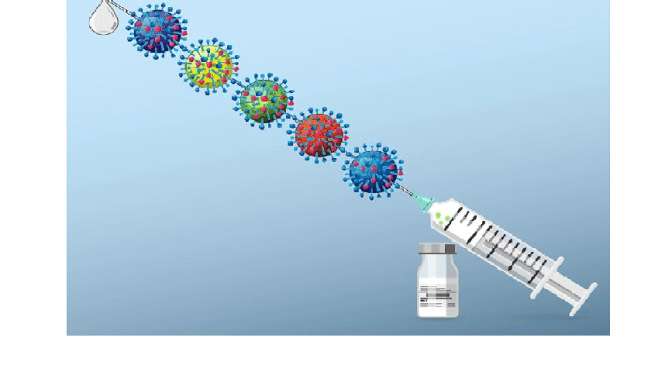
Vaccines are one of the greatest scientific discoveries in human history. They eradicated a disease, smallpox, that killed 300 million people in the 20th Century. They save countless lives every year, protecting against diseases caused by viruses like polio, measles and yellow fever. But some viruses are particularly difficult to target with vaccines.
We need a flu shot every year because the virus mutates so much previous vaccines may no longer be effective. Scientists are closer than ever before to developing what are known as universal vaccines. These vaccines would protect against many variants of a given virus, and potentially against entire virus families. Viruses are constantly mutating, but only some of those mutations are important.
For example, a change in the shape or chemical properties of the spike protein a virus uses to infect a cell could make the virus more transmissible. It could also mean antibodies developed from previous infection or vaccination wouldn’t be able protect against the current virus. But, there are some sites on viruses that don’t mutate as much, or at all. These sites are often vital to the virus’ survival. Scientists are using powerful technologies to identify antibodies that target these sites.
They’re called broadly neutralizing antibodies and are capable of protecting against multiple viral variants. Now, researchers are working to design shots that get our bodies to produce broadly neutralizing antibodies. Meaning someday soon, vaccines for HIV, flu and coronavirus might be enough to effectively ward off these viruses for the better part of a lifetime.
Prevention: Flu Shots Lower Heart Attack Risks
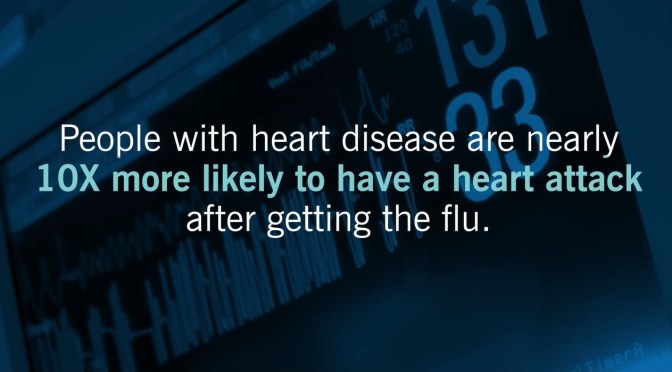
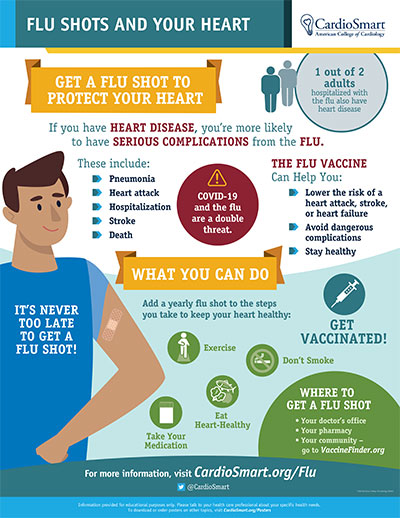
Influenza-related stress on your body can launch a negative chain of events that builds toward a heart attack. This video shares how getting a seasonal flu shot can significantly lower your risk of having a heart attack or cardiac arrest, especially if you’re in a high-risk group.
Chapters: 0:00 Can flu shots lower risk of heart attacks? 0:37 How does the flu shot lower risk of heart attacks? 1:08 Who is most at risk of having a flu related heart attack? 1:30 Why else should you get a flu shot?
Melanoma: Men Have Higher Mortality Rates
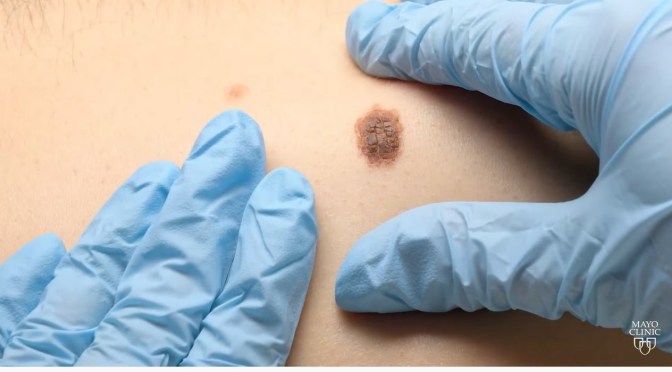
Researchers say men are more likely to die from melanoma than women. And by the time a man is 50, the likelihood of developing melanoma increases every year, compared with women.
“The main risk factors for melanoma are sun exposure, amount of sun exposure, high-level sun exposure — meaning sunburns — but also light skin color,” says Aleksandar Sekulic, M.D., a Mayo Clinic dermatologist.
The most common places for melanoma to occur are body parts exposed to the sun, including the face, back, arms and legs. The first signs are often a change to an existing mole or an unusual-looking growth on the skin.
“The big problem with melanoma is not only that it starts in the skin, but that it can spread. And it can be deadly,” says Dr. Sekulic.
Avoid prolonged exposure to the sun, especially in the middle of the day to prevent sunburns. Wear protective gear outside, such as a broad-brimmed hat, tightly woven clothing that covers your arms and legs, and sunglasses to protect your eyes. And use sunscreen generously with a sun protection factor of 30 or higher on exposed areas of skin. Reapply at least every two hours. And if you’re swimming or sweating, use water- and sweat-resistant sunscreen.
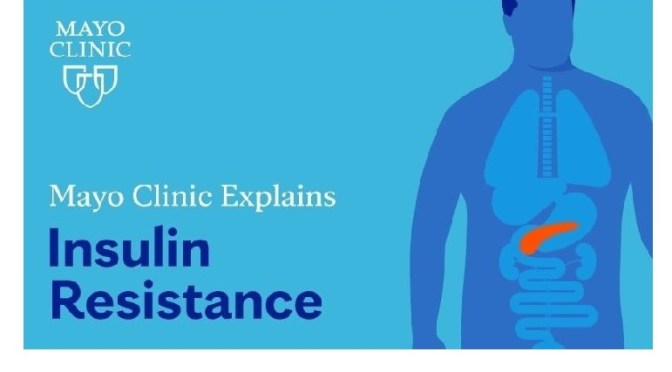
Insulin Resistance: Risk Factors And Treatment
Learning about insulin resistance, or prediabetes, can be intimidating. Eleanna De Filippis, M.D., Ph.D., an endocrinologist at Mayo Clinic, walks you through the facts, the questions, and the answers to help you better understand this condition.
Video timeline: 0:00 Introduction 0:41 What is insulin resistance? 1:32 Who gets insulin resistance? / Risk factors 2:38 Symptoms of insulin resistance 4:04 How is insulin resistance diagnosed? 4:34 Treatment options 5:21 Coping methods/ What now? 5:41 Ending
COMMENTARY:
The (developed) world just has too much food. Food producers race with each other to make It tastier, to advertise it widely, and make it available on demand. As a consequence of their success, at least 1/2 of the developed world is overweight and has decreased insulin sensitivity, prediabetes or diabetes. This leads to severe health consequences in the form of hypertension, arteriosclerosis, heart disease, brain disease, liver disease, and a variety of back and joint problems.
Mankind did not evolve in an environment of chronic nutritional oversupply, but rather it’s reverse. Mankind did not develop in a sedentary environment, but rather it’s reverse.
Insulin resistance is caused by overfilled energy stores (excess fat), increased inflammation from distended, dying fat cells, excess fatty acids and stresses to some of the important micro structures in our cells, such as mitochondria and endoplasmic reticulum, not to mention metabolic pathways such as the mTOR and Sirtuin systems.
Eating is a pleasure, and turning down food takes self-discipline, which is a pain, and is becoming increasingly unpopular. “Maybe a pill will come along to get rid of fat and prevent its accumulation”. but don’t count on it. The main hope for avoiding the danger of overnutrition is being discriminating about what and how much you eat.
Exercise is inconvenient and uncomfortable, but is the second necessity for a healthy life. Two of its many benefits is to increase adiponectin, which increases burning of the fatty acids which are so toxic to the body, and to increase insulin sensitivity, counteracting type two diabetes.
The third necessity is getting enough sleep.
Replay the old record. Diet, exercise and sleep, sleep diet and exercise.
Please excuse me, it’s time for my evening exercise.
—Dr. C.
For more reading visit: https://mayocl.in/3waShVV.
Rotator Cuff: Operative & Non-Operative Treatment
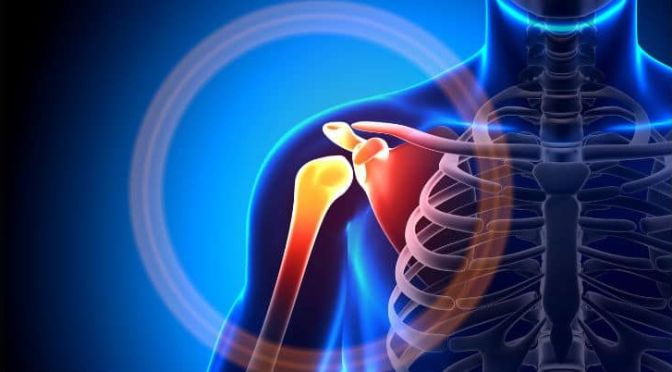
The rotator cuff is a group of muscles that attach via tendons to the head of the upper arm bone (the humerus). The function of the cuff is to center the head of the humerus in the socket and move the arm. These tendons are in a constant state of rebuilding and breaking down.
When the rate of breaking down exceeds the ability of the tendon to rebuild, micro tears occur causing pain and inflammation. This inflammation is known as tendonitis. In the extreme case, this inflammation can result in the failure of the tendon known as a rotator cuff tear. Repetitive overhead activity or heavy lifting can irritate or weaken the tendon.
Sometimes this can also lead to a gradual tear in the rotator cuff tendon making it difficult to raise or rotate your arm. Acute tears can also happen with a sudden force that overwhelms the tendon such as a shoulder dislocation. This results in an immediate inability to raise or rotate the arm.
 Doctors Without Waiting Rooms