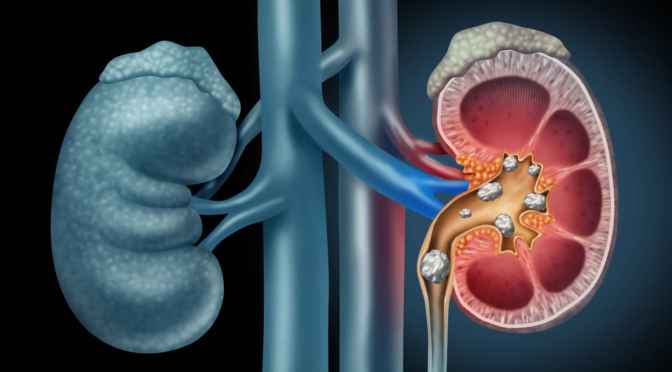
Mayo Clinic (March 6, 2023) – About 15% of adults in the U.S. are estimated to have chronic kidney disease — that’s about 37 million people.
What if those people could be treated with medication that could slow the progression of their disease, and help avoid the need for dialysis and kidney transplantation altogether?
Dr. Naim Issa, a Mayo Clinic transplant nephrologist says there is a class of medications to help people with chronic kidney disease that does just that. He says Mayo Clinic has been incorporating these medications to help patients for the last few years.
March 9 is World Kidney Day, a day aimed at raising awareness about the importance of the kidneys.
AlzheimersResearch UK (February 28, 2023) – In this video, Prof Nick Fox, Director of the Dementia Research Centre at UCL (and specialist in familial Alzheimer’s disease) answers frequently asked questions about getting a genetic test for dementia.
Video timeline:0:00 Start 0:01 #1.What is the difference between dementia risk genes and rare familial genes? 1:05 #2.Which genes are tested for? 1:45 #3.What happens in families with directly inherit dementia? 3:20 #4.What are the common misconceptions? 4:14 #5.Do I need to know which gene runs in my family? 9:50 #6.How do I get a genetic test for dementia? 11:09 #7.What if my doctor won’t refer me for the test? 11:56 #8.Will getting my results affect my life insurance or mortgage?
Having a test to look for a faulty gene that causes dementia is only appropriate for a very small number of people. This is because only around one in 100 cases of dementia are directly inherited. In these cases, there is an obvious pattern of a parent passing it on to their child (or children) throughout every generation of a family, often developing symptoms in their 40s and 50s.
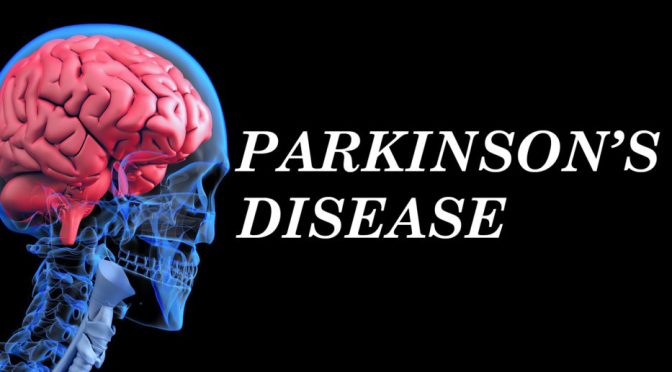
Parkinson’s Foundation (February 27, 2023) – Finding out you have Parkinson’s can be a lengthy process. Explore how a Parkinson’s diagnosis is made and what type of diagnostic tools are used.
Parkinson’s disease (PD)
A neurodegenerative disorder that affects predominately the dopamine-producing (“dopaminergic”) neurons in a specific area of the brain called substantia nigra.
Symptoms
Symptoms generally develop slowly over years. The progression of symptoms is often a bit different from one person to another due to the diversity of the disease. People with PD may experience:
Tremor, mainly at rest and described as pill rolling tremor in hands; other forms of tremor are possible
Slowness and paucity of movement (called bradykinesia and hypokinesia)
Limb stiffness (rigidity)
Gait and balance problems (postural instability)
In addition to movement-related (“motor”) symptoms, Parkinson’s symptoms may be unrelated to movement (“non-motor”). People with PD are often more impacted by their non-motor symptoms than motor symptoms. Examples of non-motor symptoms include: depression, anxiety, apathy, hallucinations, constipation, orthostatic hypotension, sleep disorders, loss of sense of smell, and a variety of cognitive impairments.
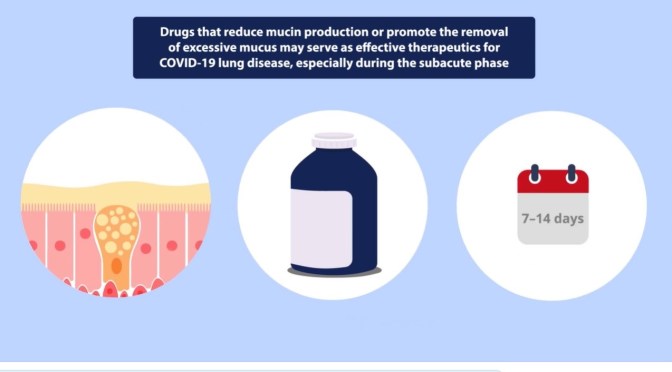
American Thoracic Society (February 24, 2023): A new American Journal of Respiratory and Critical Care Medicine study suggests that COVID-19 lung disease leads to overproduction of mucus in the distal parts of the lungs.
The study investigated airway mucus and mucins in COVID-19 autopsy lungs and showed that both were elevated due to infection, especially during subacute and chronic stages of the disease.
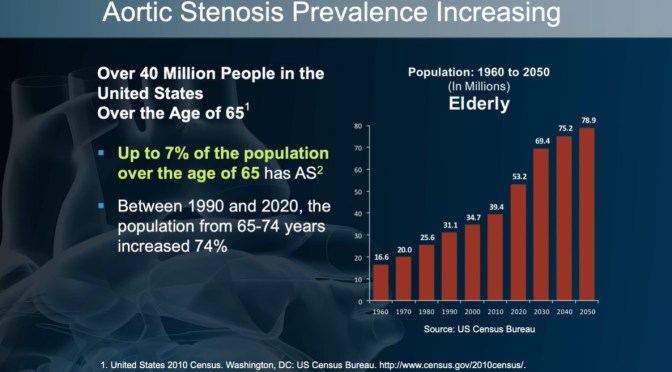
UC Davis Health (February 22, 2023) – Dr. Jeffrey Southard, a cardiologist at UC Davis Medical Center, explains minimally invasive procedures for structural heart disease, including transcatheter aortic valve replacement (TAVR), left atrial appendage occlusion, and transcatheter management of mitral and tricuspid valve disease.
Video timeline: 0:00 Introduction 0:21 Transcatheter Aortic Valve Replacement (TAVR) 4:39 Left Atrial Appendage Occlusion 7:00 Transcatheter Management of Mitral and Tricuspid Valve Disease
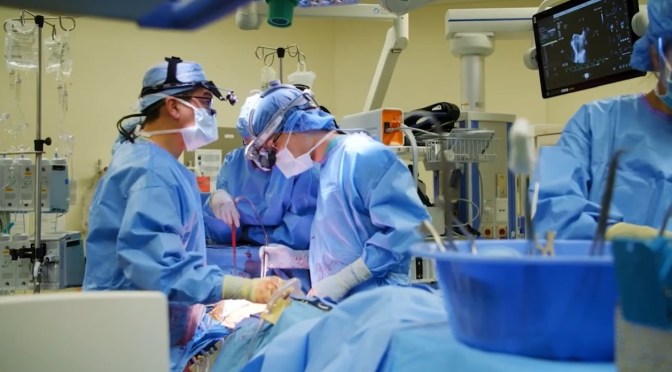
Northwestern Medicine (February 20, 2023) – Ever wanted a close-up look at a heart transplant? Head #InsideTheOR with our Cardiac Surgery Team and see what it takes to successfully complete this groundbreaking 15-hour procedure.
“The gut is a masterpiece of biological complexity.”
In a new paper published in Gut Microbiome, an Open Access journal from Cambridge University Press and The Nutrition Society, Professor Hannelore Daniel discusses how the physiology of the gut is a missing link in efforts to connect the gut microbiome to human health.
“Gut physiology meets microbiome science” Gut Microbiome, Cambridge University Press, Volume 4 , 2023 , e1. DOI: https://doi.org/10.1017/gmb.2022.10
Cleveland Clinic – The American College of Cardiology’s Cardiovascular Disease in Women Committee released guidance on hormone therapy, with a focus on caring for women with a risk of heart disease. Leslie Cho, MD, explains what women should know about hormone therapy, and options available for women with heart disease risk factors.
Yale Medicine (February 11, 2023) – Robotic bronchoscopy, also known as robotic-assisted bronchoscopy, is a recent advancement in bronchoscopy, the procedure used to biopsy lung nodules to detect the presence of lung cancer and other lung diseases. Lung cancer is the third most common type of cancer and the leading cause of cancer-related death in the United States.
Early diagnosis and treatment often lead to better outcomes. A diagnosis of lung cancer often begins when a chest X-ray or computed tomography (CT) scan shows a nodule—an area of abnormal tissue—in the lungs. If the nodule is suspicious or grows over time, doctors will perform a biopsy to collect a tissue sample that can be tested for the presence of cancer cells. Bronchoscopy is a widely used procedure for biopsying lung nodules.
In traditional bronchoscopy, a doctor manually guides a thin tube, called a bronchoscope, into the patient’s mouth or nose, down the throat, past the vocal cords and windpipe, and into the passageways of the lungs. The bronchoscope is equipped with a light, camera, and biopsy tools that allow doctors to visually examine and biopsy nodules. But robotic bronchoscopy is different. Like traditional bronchoscopy, it’s a minimally invasive procedure that allows doctors to biopsy nodules in the lungs.
The difference is that in robotic bronchoscopy, the doctor uses a controller at a console to operate a robotic arm. The robotic arm guides a catheter—a thin, flexible, and maneuverable tube equipped with a camera, light, and shape-sensing technology—through the patient’s airways. The robotic arm’s precise movements enable doctors to accurately direct the catheter around tight turns in the airways and into the hard-to-reach areas of the lungs. This means doctors can examine and biopsy suspicious nodules—and potentially detect cancer—in parts of the lungs that may be inaccessible with traditional bronchoscopy.
What’s more, the procedure is safe—serious complications are rare—and recovery is usually quick. “As part of the comprehensive Thoracic Oncology Program, we are now able to offer patients the option of robotic bronchoscopy,” says Yale Medicine interventional pulmonologist Christopher Morton, MD. “This technology will allow us to biopsy lung nodules and masses with improved accuracy and fewer side effects, in addition to lymph node biopsies that we already do. This will get patients diagnosed and referred to the appropriate treating physician quicker.”
New Scientist – The biggest immune organ is our gut and what we eat can support a healthy immune response. From eating the rainbow, consuming more fermented foods or fasting longer overnight, King’s College epidemiologist Tim Spector has top tips to boost your immunity through what you eat.









 Cambridge University Press (February 15, 2023):
 Cleveland Clinic – The American College of Cardiology’s Cardiovascular Disease in Women Committee released guidance on hormone therapy, with a focus on caring for women with a risk of heart disease. Leslie Cho, MD, explains what women should know about hormone therapy, and options available for women with heart disease risk factors.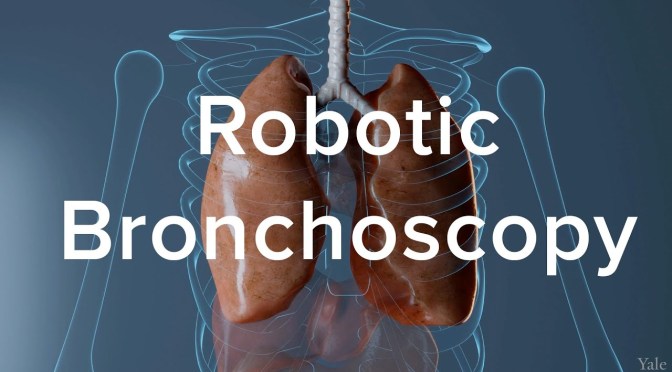



 Doctors Without Waiting Rooms