Videos

Weight Gain: How Lack Of Sleep Makes You Hungrier

Did you know that not getting enough zzz’s can actually make you hungrier? According to sleep scientist Matt Walker, the relationship between what you eat and your sleep is a two-way street. Here’s why understanding it can help you improve your overall health.

Sleep — we spend one-third of our lives doing it, but what exactly do we get out of it? And how can we do it better? In this TED series, sleep scientist Matt Walker uncovers the facts and secrets behind our nightly slumber. (Made possible with the support of Oura) Check out more episodes on TED.com: https://go.ted.com/sleepingwithscience
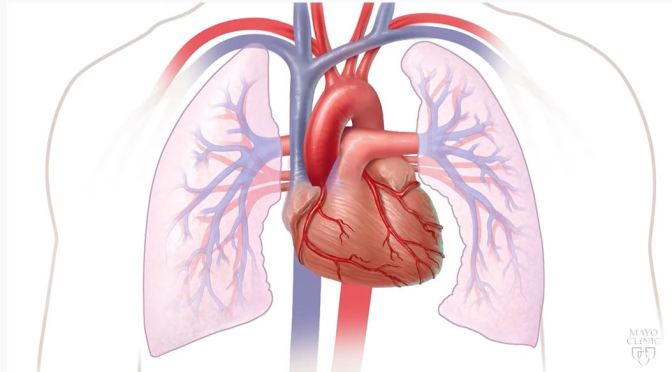
Video: Heart Arrhythmia Red Flags (Mayo Clinic)

Mayo Clinic Minute: Watch for these heart arrhythmia red flags.

A heart arrhythmia (uh-RITH-me-uh) is an irregular heartbeat. Heart rhythm problems (heart arrhythmias) occur when the electrical signals that coordinate the heart’s beats don’t work properly. The faulty signaling causes the heart to beat too fast (tachycardia), too slow (bradycardia) or irregularly.

Heart arrhythmias may feel like a fluttering or racing heart and may be harmless. However, some heart arrhythmias may cause bothersome — sometimes even life-threatening — signs and symptoms.

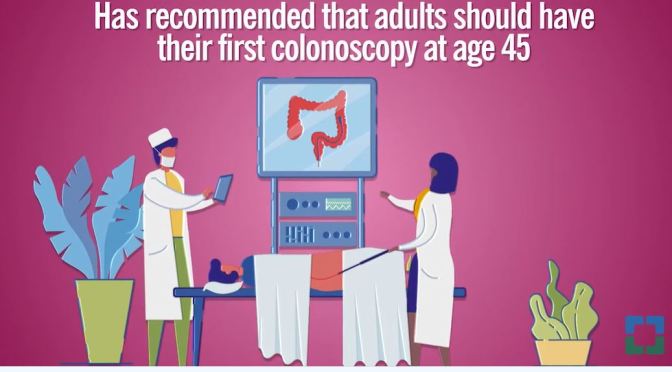
Cancer: What Age Should You Get A Colonoscopy?

According to the American Cancer Society, colorectal cancer is the third most common cancer diagnosed in both men and women in the United States. While diagnoses are decreasing in people over the age of 50, there’s been an increase for those who are younger.

For more information on why you should get a colonoscopy and how to schedule yours today, please visit https://cle.clinic/3oqWdy6

Cancer: The Mayo Clinic Explains Lymphoma (Video)

Learning about lymphoma can be intimidating. Let our experts walk you through the facts, the questions, and the answers to help you better understand this condition.

Video timeline: 0:24 What is Lymphoma?  1:20 Types of Lymphoma 2:04 Who gets Lymphoma? 2:48 Risk factors 3:30 Symptoms 4:10 How is Lymphoma diagnosed?  5:07 Treatment options   6:11 Coping methods/ What now?  7:09 Ending   

 For more reading visit: https://mayocl.in/3xThjs7

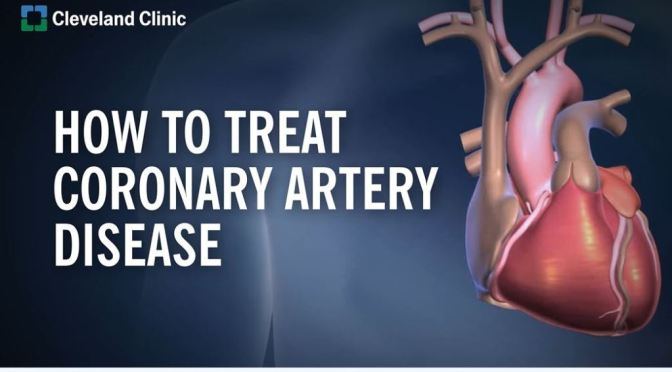
MEDICINE: HOW TO TREAT CORONARY HEART DISEASE

More than 360,000 people died from coronary artery disease in 2019. While there is no cure to the disease, you can take steps to lower your risk and manage the harmful plaque build-up impacting your health. The information in this video was accurate as of 11.25.2021 and is for information purposes only. Consult your local medical authority or your healthcare practitioner for advice.

Chapters: 0:00 Intro 0:12 What is coronary artery disease? 0:26 What are the signs of coronary artery disease? 0:41 Can you reverse coronary artery disease? 1:04 What are statins? 1:34 What are the treatments for coronary artery disease? 1:46 Make lifestyle changes to reduce your risk. 2:07 Taking medication can help treat coronary artery disease. 2:25 What is a coronary stent procedure? 3:03 What is coronary artery bypass graft surgery? 3:36 What’s the best treatment for coronary artery disease? 3:45 When should you talk to your doctor about coronary artery disease symptoms?

Heart Health: What Is Cholesterol? (AHA Video)

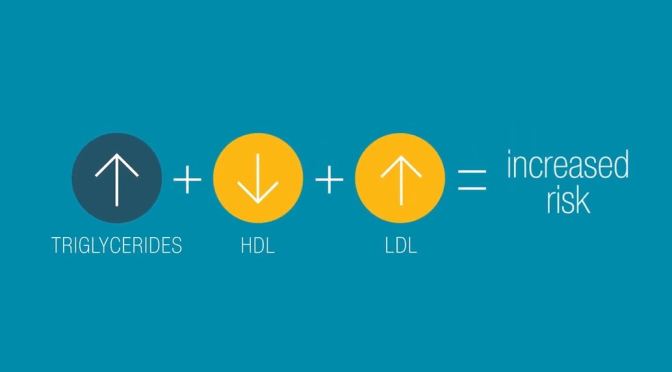
There are two types of cholesterol: LDL cholesterol, which is bad, and HDL, which is good. Learn why too much cholesterol and elevated triglycerides can lead to heart disease and stroke. Make it a priority to have your cholesterol checked.

Procedures: Preparing For A Colonoscopy (Mayo)

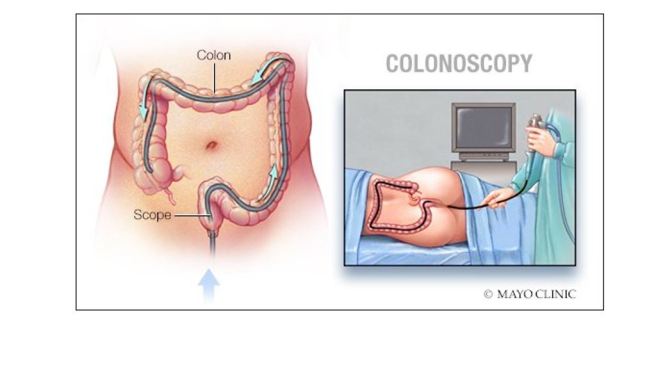
A colonoscopy is an exam used to detect changes or abnormalities in the large intestine, or colon, and rectum. It’s an important exam that’s performed to check for colon cancer. But some would agree that preparing for the colonoscopy is worse than the exam itself.

In this Mayo Clinic Minute, Dr. James East, a gastroenterologist at Mayo Clinic Healthcare in London, explains what patients will need to do to prepare for this exam and how to make it a little easier.

Technology: Wearable Heart Monitors (Mayo)

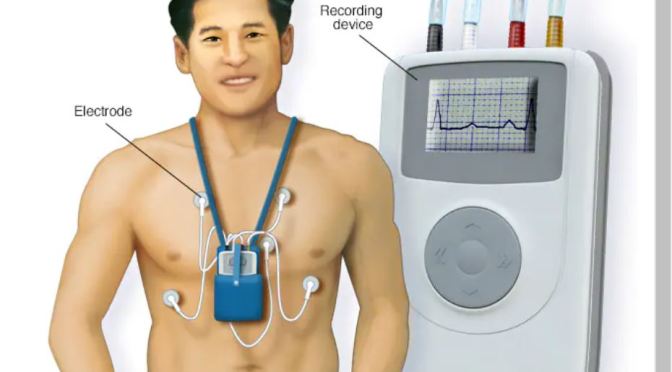
It’s like an auto mechanic running a diagnostic test on your car’s engine while it’s out of the garage and traveling down the road. Wearable heart monitors are valuable tools that cardiologists use to determine if you are experiencing atrial fibrillation, which is your heart beating at an irregular or rapid rhythm.