Videos

Diagnostics: Screening For Colorectal Cancer

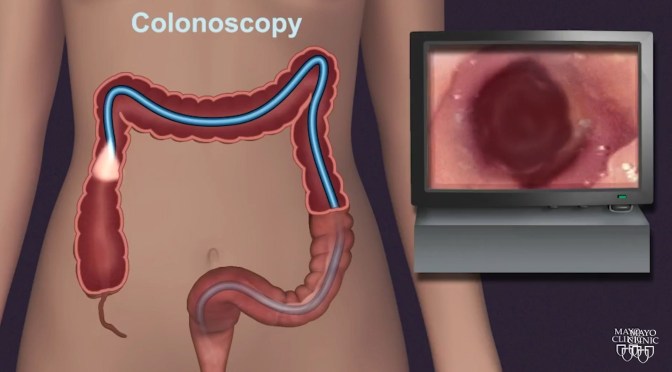
Colorectal cancer is the second-leading cause of cancer death in the U.S. Colorectal cancer cannot be totally prevented, but there are ways to lower your risk and that’s with regular screening.

The U.S. Preventive Services Task Force and the American Cancer Society encourage patients to start screening for colorectal cancer at age 45. Dr. John Kisiel, a Mayo Clinic gastroenterologist, also says patients should begin screening at 45. He recommends checking with your health care provider about your risks, and with your insurance provider about your coverage.
Brain Tumors: Causes And Types (Cleveland Clinic)

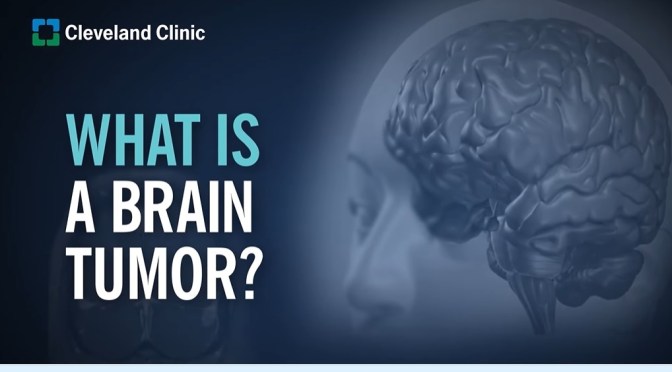
A brain tumor is a mass of cells in or around the brain. Tumors that develop in the brain are called primary tumors. Tumors that spread to the brain after forming in a different part of the body are called secondary tumors or metastatic tumors. This video focuses on primary tumors.

Chapters: 0:00 Intro 0:14 What is a brain tumor? 0:32 What causes brain tumors? 0:48 What are the signs of a brain tumor? 1:17 What is a meningioma? 1:51 What are 3 types of meningioma? 2:37 Don’t ignore the warning signs.

Kidney Cancer: Symptoms & Treatment (Mayo Clinic)

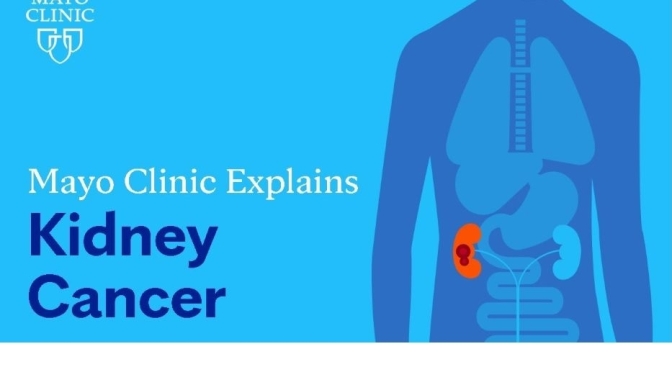
Learning about kidney cancer can be intimidating. Let our experts walk you through the facts, the questions, and the answers to help you better understand this condition.   

Video timeline: 0:00 Introduction 0:23 What is kidney cancer? 1:11 Who gets kidney cancer? / Risk factors  1:45 Symptoms of kidney cancer  2:22 How is kidney cancer diagnosed?    3:21 Treatment options      4:40 Coping methods/ What now?   5:32 Ending          

For more reading visit: https://mayocl.in/33QNzlb

Diet: What You Need To Know About Cholesterol

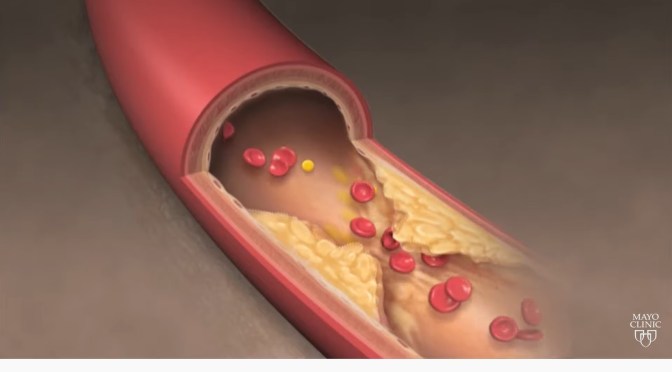
Mayo Clinic Minute – What you need to know about cholesterol.

Cholesterol is any of a class of certain organic molecules. A cholesterol is a sterol, a type of lipid. Cholesterol is biosynthesized by all animal cells and is an essential structural component of animal cell membranes. When chemically isolated, it is a yellowish crystalline solid. 

Technology: How AI Can Improve Health Care

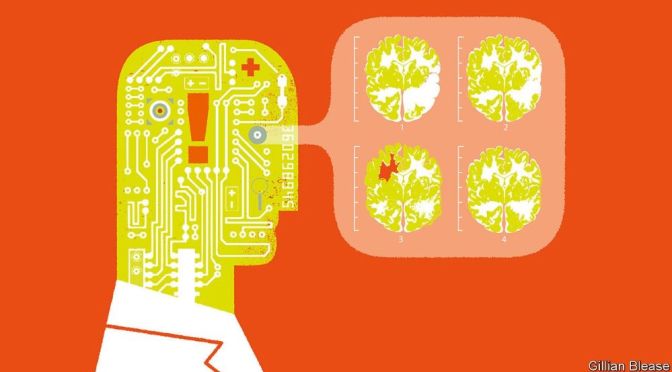
AI has the power to transform health care. From more efficient diagnoses to safer treatments, it could remedy some of the ills suffered by patients. Film supported by @Maersk

Timeline: 00:00 – Can AI help heal the world? 00:45 – How can AI spot blindness? 04:01 – Protecting patients’ privacy 05:10 – How to share medical data safely 06:11 – Medical AI is rapidly expanding 08:02 – What do the sceptics say? 08.36 – Using AI for new medical devices 11:08 – What does the future hold for medical AI?

Clinical: Yale Women’s Heart Health Program

The Women’s Heart and Vascular Program provides state-of-the-art cardiac care for women with heart disease, as well as expert screening of women at risk for heart disease.

Heart disease remains the number one killer of American women and there is a great need for specialized care directed at women’s cardiac needs. The Women’s Heart and Vascular Program is dedicated to screening, educating and treating women at risk for, or with established heart disease.

Under the direction of Lisa A. Freed, MD, FACC, the Women’s Heart and Vascular Program incorporates not only her expertise in cardiology, but also collaborates with experts in diabetes, menopause, nutrition, exercise physiology, and smoking cessation. In addition, Dr. Freed consults with experts in sleep apnea and mental health professionals for intervention with co-existing depression and anxiety.

The program also focuses on clinical research in collaboration with Yale’s Women’s Health Research Center in order to advance the care of women with heart disease. 

Lymphoma: Its Types And Causes (Cleveland Clinic)

Lymphoma is a cancer of the lymphatic system – our body’s immune system. The two main types of lymphoma are Hodgkin and non-Hodgkin. In this video, we break down how both types of lymphoma begin and the differences between them.

Chapters: 0:00 Intro 0:15 What are lymph nodes? 0:40 What is a cell mutation? 0:52 What is lymphoma? 1:15 What is the difference between Hodgkin and Non-Hodgkin lymphoma? 1:28 What are common symptoms of lymphoma?

Read more

Disorders: Inflammatory Bowel Disease (Video)

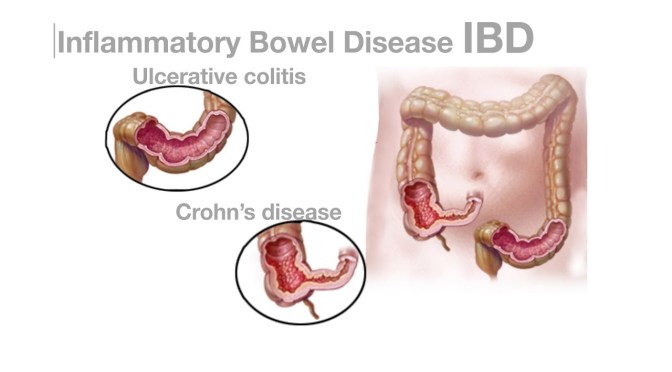
If you or someone you know has been diagnosed with Inflammatory Bowel Disease (IBD), including Crohn’s Disease and Ulcerative Colitis, you may be asking yourself a lot of questions. Our experts are here to help you answer them.     

 Video Timeline:   0:00 Introduction 0:08 How much will IBD affect my life? 1:03 What causes IBD? 1:58 Can IBD affect my lifespan? 2:19 Does diet affect IBD? 3:01 Is there any cancer risk from having IBD? 3:27 What’s the risk of passing IBD onto my children? 3:52: Are stool transplants real? 4:33 How can I be the best partner to my medical team?      5:11      Ending  

Dermatitis: Symptoms & Treatment Of Eczema

Atopic dermatitis is a sensitivity disease of the skin, similar to asthma in the lungs, hay fever in the sinuses and food allergies in the gut. It’s a chronic condition and tends to flare periodically. The symptoms vary. Adult eczema often occurs in patches on areas of the body prone to friction or sweat. If those self-care steps don’t help, your dermatologist may prescribe topical or oral medications, or other therapies.

Technology: Lung Cancer Robotic Surgery (Video)

Inside the OR: Lung Cancer Robotic Surgery

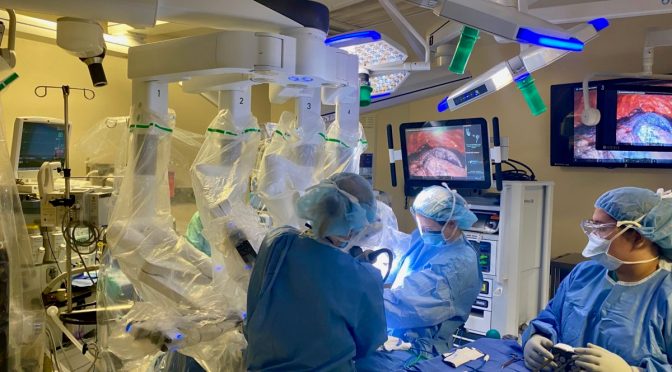
Northwestern Medicine Thoracic Surgeon Samuel S. Kim, MD, explains a breakthrough in lung cancer surgery.

Read more