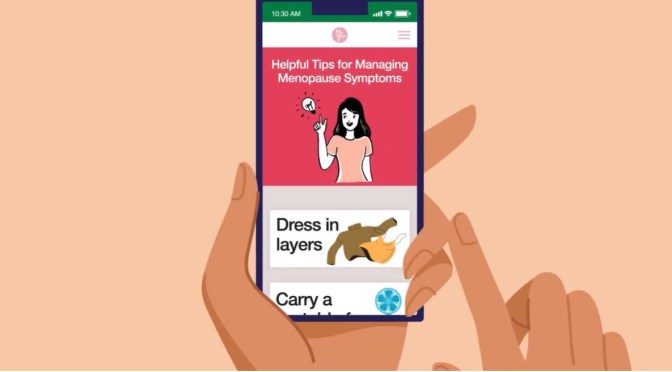
National Institute on Aging – Menopause is a point in time 12 months after a woman’s last period. The years leading up to that point, when women may have changes in their monthly cycles, hot flashes, or other symptoms, are called the menopausal transition or perimenopause.
The menopausal transition most often begins between ages 45 and 55. It usually lasts about seven years but can be as long as 14 years. The duration can depend on lifestyle factors such as smoking, age it begins, and race and ethnicity. During perimenopause, the body’s production of estrogen and progesterone, two hormones made by the ovaries, varies greatly.
The menopausal transition affects each woman uniquely and in various ways. The body begins to use energy differently, fat cells change, and women may gain weight more easily. You may experience changes in your bone or heart health, your body shape and composition, or your physical function
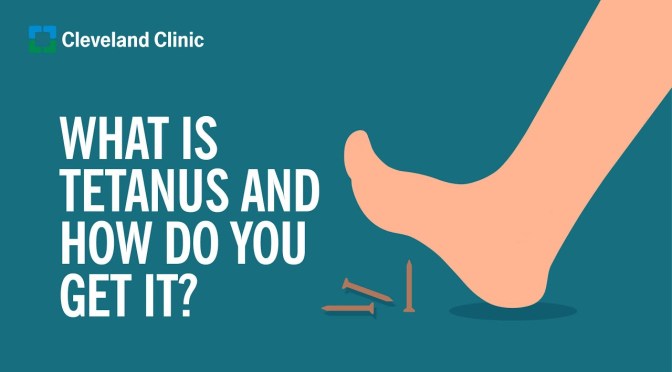
Cleveland Clinic – A tetanus shot is a vaccine. It protects you from tetanus, a life-threatening bacterial infection. Babies and kids need several doses of the vaccine at different ages. Adults should get a tetanus booster shot every 10 years. You get the shot in your upper arm or thigh. The shot is safe, and serious complications are very rare.
Chapters: 0:00 Intro 0:15 What is tetanus? 1:04 When should you get a tetanus shot? 1:41 When should you get a tetanus booster? 2:02 What is tetanus immune globulin? 2:26 Conclusion
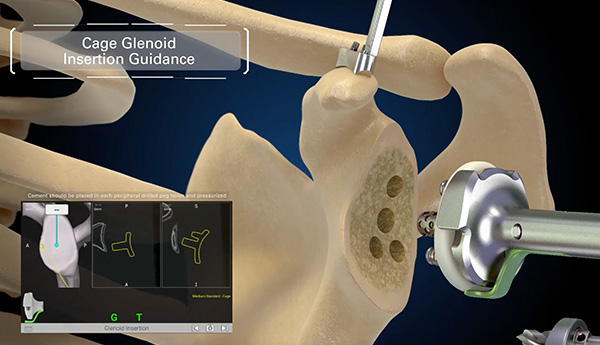
Shoulder replacement is a major surgery where all or part of the shoulder joint is replaced. In the past, it would take weeks for the patient to gain mobility, but new technology is changing all that.
Laura Britt has degenerative joint disease and as a result has had several surgeries, including shoulder replacements.
Centers for Disease Control and Prevention (CDC) – Telemedicine is being used to reach patients with diabetes in remote parts of Montana. This program is a unique partnership between CDC, the Eastern Montana Telemedicine Network, and the Montana Department of Public Health and Human Services.
Cleveland Clinic – If you have insulin resistance, your body doesn’t respond to insulin like it should. Insulin, a hormone made by your pancreas, regulates your blood glucose levels.
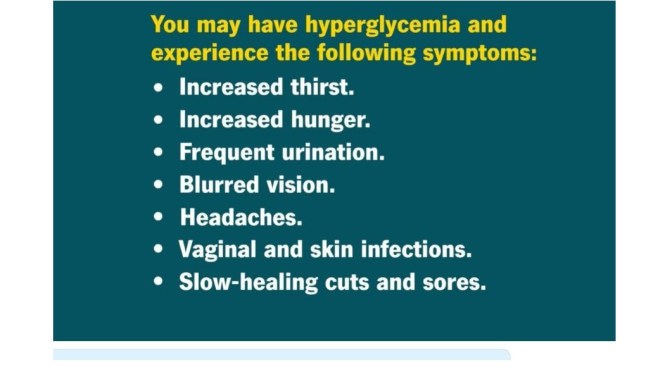
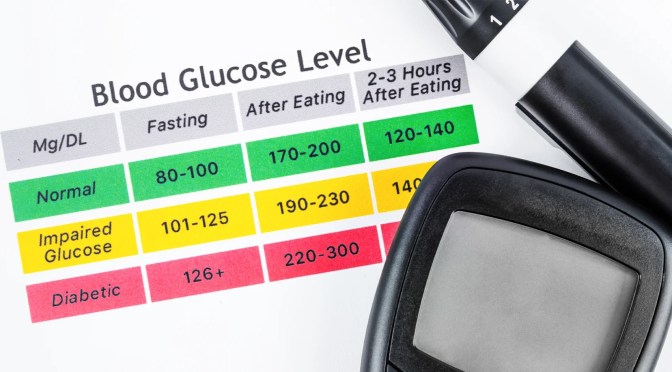
And if your blood glucose (or blood sugar) levels become too high, it can lead to hyperglycemia or even prediabetes and Type 2 diabetes.
Chapters: 0:00 What is insulin? 0:28 What is insulin resistance? 0:55 What are risk factors of insulin resistance? 2:06 Symptoms of hyperglycemia 2:30 Can insulin resistance be treated?
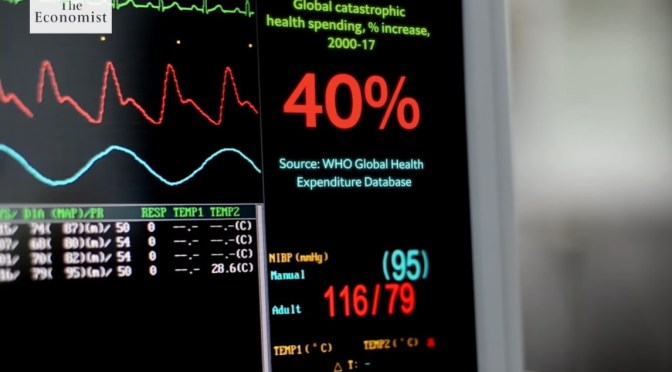
The cost of health care is unaffordable for many in the developing world. But while universal health care may sound like an impossible dream, it’s more achievable than you might think.
Video timeline: 00:00 – The argument for universal health coverage is clear 00:57 – Thailand’s path to universal health coverage 03:31 – Universal health care around the world 04:48 – How to finance universal health coverage? 05:30 – Rwanda: from genocide to public health exemplar 07:19 – What is a pooling finance system? 08:01 – Which services make the cut? 11:17 – The economic benefits of UHC 12:23 – Could covid-19 be a catalyst for reform?
UCLA Health – Dr. Erik Dutson, surgical director of the Center for Obesity and METabolic Health (COMET), provides an overview of bariatric surgery at UCLA Health. See how this minimally invasive surgery changes lives.
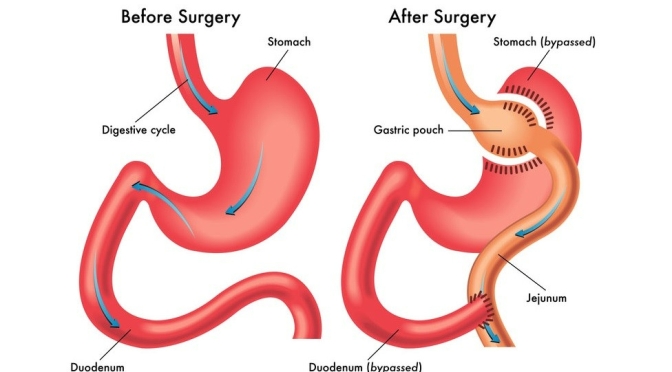
Bariatric surgery, also known as weight loss surgery, helps you lose weight by removing or rerouting a portion of your stomach. The surgery limits the amount of food you can eat or the amount of calories your body can absorb. Research has shown that bariatric surgery can help you lose up to 85% of excess weight.
These types of procedures have also been shown to:
Control high blood pressure
Improve sexual dysfunction
Increase fertility
Increase life expectancy
Provide pain relief
Treat conditions such as type 2 diabetes and sleep apnea
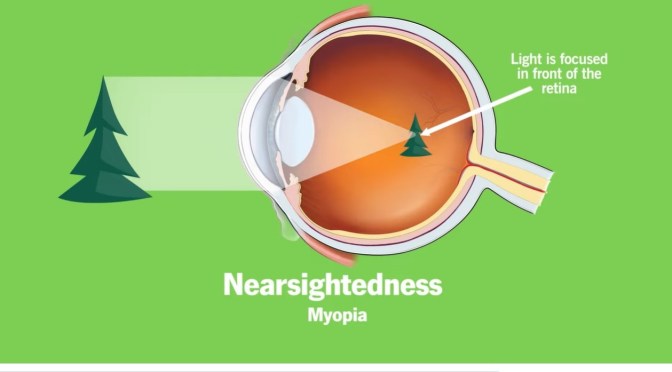
Cleveland Clinic – Nearly 1 out of 3 people have a vision disorder called myopia, or nearsightedness, which makes it difficult to view things in the distance. How does it happen? And is there a cure?
Chapters: 0:00 Intro 0:32 What causes nearsightedness? 1:01 Why can’t you see far? 1:20 When does nearsightedness usually begin? 1:42 What are symptoms of nearsightedness? 1:59 Can nearsightedness be corrected? 2:23 Is there a cure for nearsightedness?
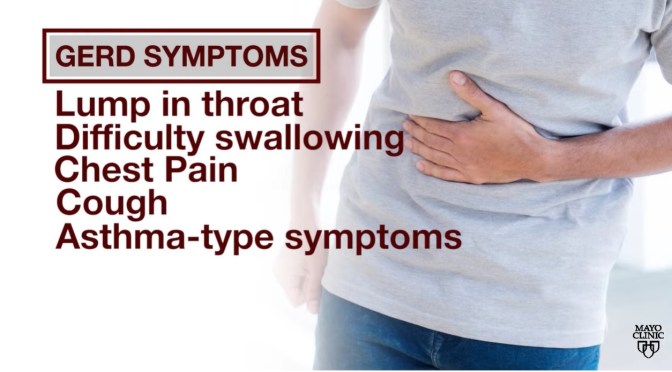
Gastroesophageal reflux disease (GERD) is one of the most common digestive disorders in the world. It happens when acid comes up from the stomach, which is acid-resistant, into the esophagus, which is less acid-resistant. Dr. James East, a gastroenterologist at Mayo Clinic Healthcare in London, says GERD may be common, but there can be potentially severe complications if it’s ongoing and left untreated.
When we think about insulin, we know that all of our bodies have a pancreas that sits in the middle of it and, within the pancreas, there specialized cells that go ahead and release insulin. The way I like to think about it is it’s a key that unlocks ourselves so that the food and nutrients we eat are able to be metabolized and used for fuel by our body.
In Type 1 diabetes, we always tell families it’s an autoimmune process. So for some reason, your body sees those insulin producing cells within your pancreas as being foreign, so it starts attacking those cells. So going back to that key analogy, we think about, all of a sudden there’s not a lot of keys available.
Youth with Type 2 diabetes have a different situation going on. In that situation., it’s an issue with insulin resistance and so the way that I think about it is that you still have keys, but the keys are the wrong shape now. The difference between Type 1 and Type 2 diabetes is really the fact that, in Type 1 diabetes, you are relying on exogenously administered insulin for survival.
In Type 2 diabetes, you have insulin that your body’s making. However, you cannot use it appropriately and so youth present with high blood sugars, but in conjunction with that, they often have high insulin levels and so we need to initiate insulin therapy. So giving injections, but over time we may be able to transition to alternative means to manage their glucose levels and I have to say, Yale is at the cutting edge of developing new treatments for kids diagnosed with diabetes.
When using injected insulin therapy or pumping insulin, what we’re trying to do is closely match what your body should be making and so there’s lots of different insulin therapies out there and the amazing thing to think is, you know, 100 years ago this was just discovered, it was one of the initial presentations on insulin therapy. It was here at Yale. People started on insulin therapy in 1922 and it’s come such a long way.
As somebody living with Type 1 diabetes, I can share with you that in 1987 when I was diagnosed, I was on purified pork insulin and so I don’t feel very old, but saying that I took a purified pork insulin therapy makes me feel very, very old and very grateful for how these therapies have improved and how we’re better able to match the physiologic profiles of what your body should make.
Empowering Patients Through Education And Telemedicine





 Doctors Without Waiting Rooms