Tag Archives: Treatments

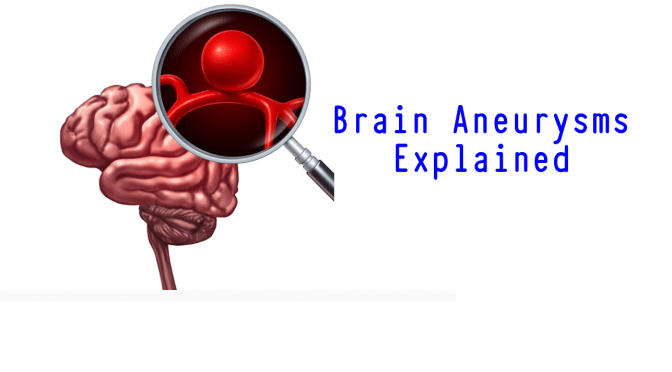
Mayo Clinic: Treatments For Brain Aneurysms

Robert D. Brown Jr., M.D., M.P.H., E. Paul Lindell, M.D.,Giuseppe Lanzino, M.D., and Harry Cloft, M.D., Ph.D., explain what a brain aneurysm is and the different treatment options there are at Mayo Clinic for a patient with a brain aneurysm.

Mayo Clinic neurovascular experts care for 17,000 people each year with aneurysms, strokes, and other blood vessel and cerebrovascular conditions. Each brain aneurysm is unique. Your doctor will use state-of-the-art arterial imaging to evaluate, diagnose and assess the aneurysm’s risk of rupture.

Every patient has team of doctors working together to create an individualized path of care. Some aneurysms do not require surgery and are closely monitored instead.

Find out about the care you can receive for brain aneurysms at Mayo Clinic at https://mayocl.in/370ZldS
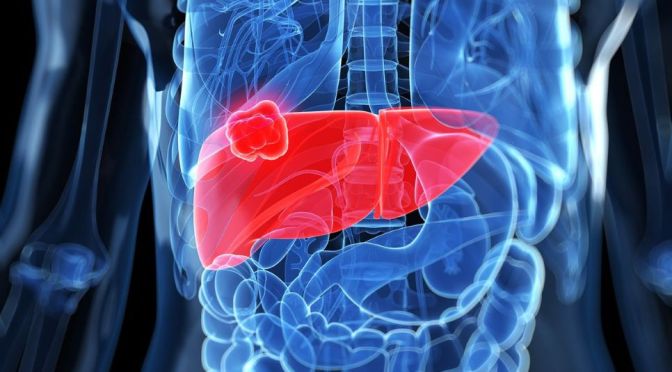

Diagnosis: Mayo Clinic Explains Liver Cancer

Learning about liver cancer can be intimidating. Let our experts walk you through the facts, the questions, and the answers to help you better understand this condition.     

Video timeline: 0:00 Introduction  0:22 What is liver cancer?  2:04 Who gets liver cancer? / Risk factors 3:02 Symptoms of liver cancer 3:52 How is liver cancer diagnosed?   4:48 Treatment options       5:36 Coping methods/ What now?      6:00 Ending   

For more reading visit: https://mayocl.in/3q8Lzwk

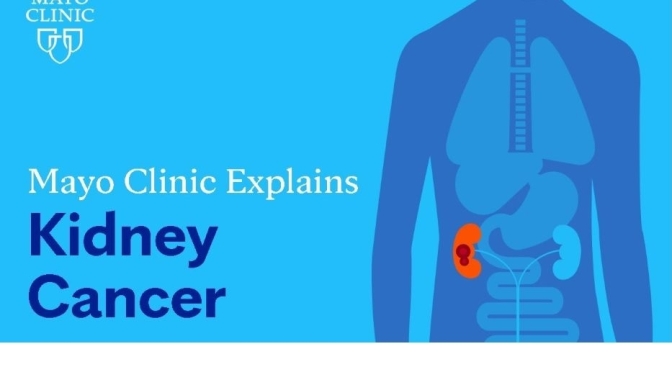
Kidney Cancer: Symptoms & Treatment (Mayo Clinic)

Learning about kidney cancer can be intimidating. Let our experts walk you through the facts, the questions, and the answers to help you better understand this condition.   

Video timeline: 0:00 Introduction 0:23 What is kidney cancer? 1:11 Who gets kidney cancer? / Risk factors  1:45 Symptoms of kidney cancer  2:22 How is kidney cancer diagnosed?    3:21 Treatment options      4:40 Coping methods/ What now?   5:32 Ending          

For more reading visit: https://mayocl.in/33QNzlb

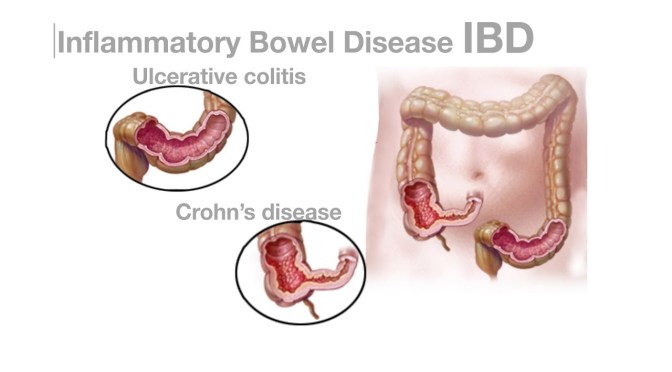
Disorders: Inflammatory Bowel Disease (Video)

If you or someone you know has been diagnosed with Inflammatory Bowel Disease (IBD), including Crohn’s Disease and Ulcerative Colitis, you may be asking yourself a lot of questions. Our experts are here to help you answer them.     

 Video Timeline:   0:00 Introduction 0:08 How much will IBD affect my life? 1:03 What causes IBD? 1:58 Can IBD affect my lifespan? 2:19 Does diet affect IBD? 3:01 Is there any cancer risk from having IBD? 3:27 What’s the risk of passing IBD onto my children? 3:52: Are stool transplants real? 4:33 How can I be the best partner to my medical team?      5:11      Ending  

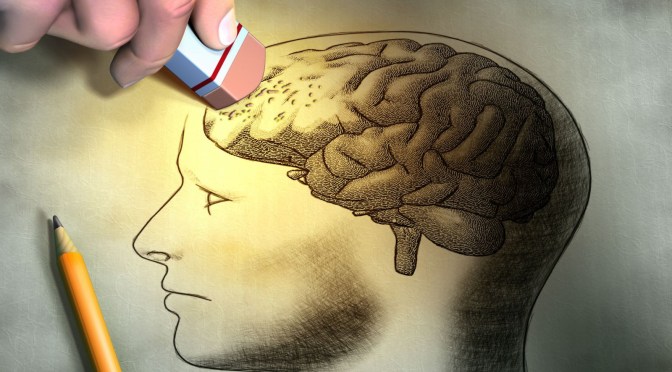
Dementia: Progress In Treatments (Harvard)

The potential benefit of nonpharmacologic memory-boosting strategies in the mild stages

One study from a group of Boston researchers examined 32 individuals with mild memory problems, half with mild cognitive impairment and half with mild Alzheimer’s disease dementia. They found that both groups improved their memory by simply thinking about the following question when learning new information: “What is one unique characteristic of this item or personal experience that differentiates it from others?” Another study by Boston researchers found that 19 individuals with mild cognitive impairment could improve their ability to remember items at a virtual supermarket by simply thinking systematically about whether items were already in their cupboard before putting them in their shopping cart. Larger studies are needed, however, to determine if such memory strategies are generalizable.

Music, pets, robots, and the environment in the moderate to severe stages

Similarly, there are many nonpharmacological treatments that appear to provide comfort and reduce agitation in individuals with moderate to severe dementia, but larger and more rigorous studies are needed to prove or disprove their efficacy, and thereby promote more widespread utilization.

  • A group of Portuguese clinicians and researchers reviewed more than 100 studies evaluating music-based interventions for people with dementia who had agitation or other behavioral and psychological symptoms of dementia, finding that the vast majority were efficacious with little or no side effects.
  • A team of neurologists from Florida reviewed the effects of dog therapy and ownership, finding that both were safe and effective approaches to treat chronic and progressive neurological disorders.
  • Other researchers found reductions in anxiety and psychoactive medication use when robot pets were given to individuals with dementia.
  • A review of the built environment (the architecture of the home or facility) concluded that “specific design interventions are beneficial to the outcomes of people with dementia.”

Covid-19: Review Of Latest Treatments & Medicines

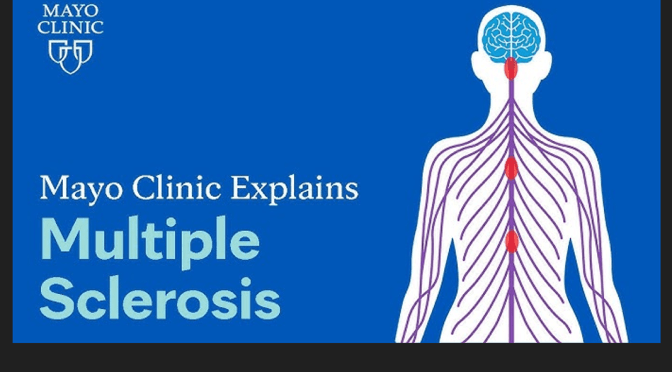
Nervous System: Multiple Sclerosis Explained (Mayo)

Learning about multiple sclerosis can be intimidating. Let our experts walk you through the facts, the questions, and the answers to help you better understand this condition.  

 Video timeline: 0:24 What is multiple sclerosis?   1:15 Types of multiple sclerosis 1:29 Who gets multiple sclerosis/risk factors?    3:11 Multiple sclerosis symptoms 3:40 How is multiple sclerosis diagnosed? 4:39 Treatment options    5:29 Coping methods/ What now?   6:23 Ending     

 For more reading visit: https://mayocl.in/3t24QSG  

Medicine: Kidney Disease Explained (Mayo Clinic)

Chronic kidney disease, also called chronic kidney failure, involves a gradual loss of kidney function. Your kidneys filter wastes and excess fluids from your blood, which are then removed in your urine. Advanced chronic kidney disease can cause dangerous levels of fluid, electrolytes and wastes to build up in your body.

Video timeline:  0:31 What is kidney disease?  1:09 Who gets kidney disease/risk factors?   2:24 Kidney disease symptoms 3:03 How is kidney disease diagnosed? 3:53 Treatment options   5:23 Coping methods/ What now?  6:16 Ending    

Read more

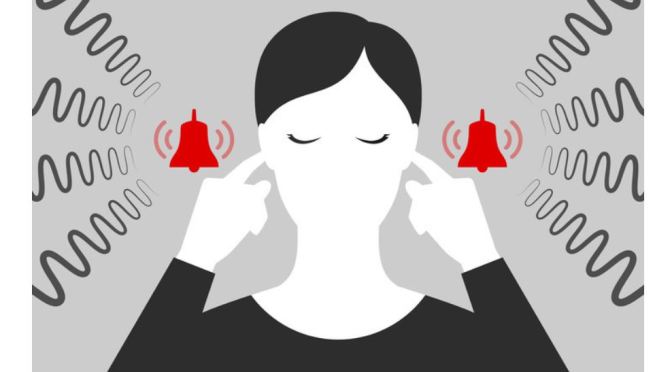
Ear Health: Causes And Treatments For Tinnitus