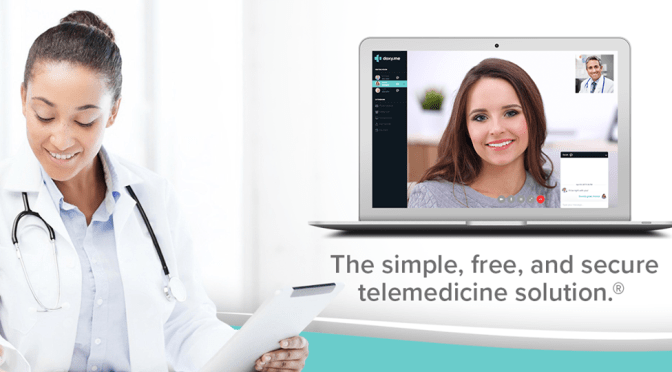
Simple and convenient to use – See your doctor from anywhere, just click their personalized room link (like doxy.me/YourDrsName) to join them for a video call.
No downloads or accounts – No need to download software or create an account. Just use a browser on a computer or device with a camera and microphone.
Private and secure – All data is encrypted, your sessions are anonymous, and none of your information is stored. We adhere to HIPAA, PIPEDA, and GDPR data privacy requirements.
Penn Neurology shares tips to help you complete a successful telemedicine visit. Learn what items you should have readily available for your Neurology appointment, as well as how to position your device, choose your lighting and more.
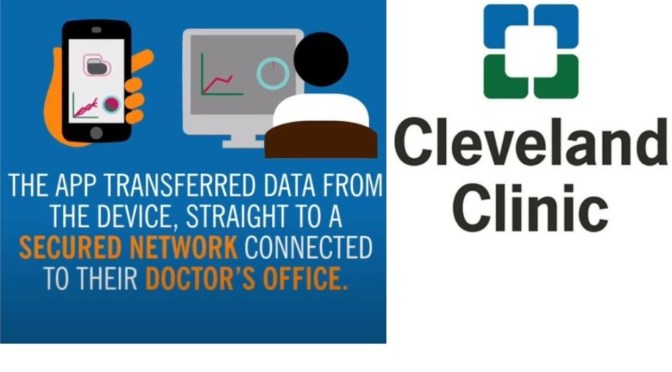
In a first of its kind study, Cleveland Clinic researchers found Bluetooth-enabled pacemakers successfully transferred information to doctors 95% of the time through an app on the patient’s smartphone or tablet. In comparison, traditional bedside consoles were successful 77% of the time.
TELEMEDICINE is here to stay! With all its’ advantages Patients will demand It!
This video is one of the few to highlight WOMENS’ HEALTH as an appropriate field for Telehealth. A remote visit first may at least let the Doctor order some tests that will accelerate your care.
Urinary problems can also be appropriate for telemedicine; the MEDICAL HISTORY is such a VALUABLE DIAGNOSTIC TOOL!
Psychological and Psychiatric care could be completely remote, by telemedicine. The Doctor could save on expenses, and deliver care less expensively.
Distance disappears as a barrier to Consultations and second opinions. A University medical center or prestigious multi specialty Clinic are on your doorstep.
Of course, barriers remain in the form of regulations, litigation, bureaucracy, and Insurance, but these can be overcome, if the Will is there.
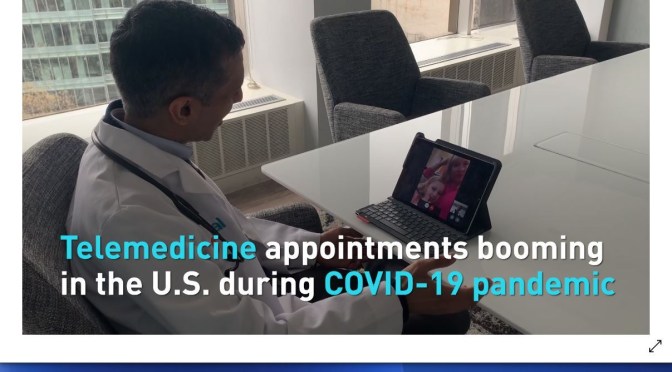
The coronavirus pandemic has overwhelmed hospitals, physicians and the medical community. That’s pushed telemedicine into the hands of providers and patients as the first response for primary care. Telemedicine isn’t new to the medical community, however it hasn’t been embraced due to insurance coverage, mindset and stigma. Here’s how it works and what it means for the future of health care.
COMMENTARY
The safety and convenience of Telemedicine have been amply illustrated by Covid 19. It’s place in the future of Medicine would seem to be assured.
Once the epidemic is over, however, some sticky details, waved away by fiat during the early days, must be addressed.
Will Payment parity be allowed by the Health insurance companies (And Medicare) be continued? Will cross-border Practice still be allowed by the states. Will more Doctors modernize? Will lawyers (and litigious patients) restrain themselves? Stay Tuned!
From a Permanente.org online article (May 11, 2020):
“Our patients are glad we offer telehealth options because they don’t want to come to the medical centers. This allows them to stay home andstay safe,” Dr. Lee says. “Before, telehealth was a choice and convenience, but now it’s one of the ways patients remain healthy with social distancing.”
The majority of telehealth visits are phone appointments, but Dr. Lee says video usage is increasing as more patients become comfortable with the platform.
Telehealth can also include services such as remote patient monitoring, which allows patients to take blood pressure measurements and blood sugar readings at home so that their care teams can monitor ongoing health conditions. In the case of the Kaiser Permanente Mid-Atlantic States region, doctors also use telehealth to do rounds virtually for patients who have suspected or confirmed COVID-19.
Patients at higher risk for complications are given pulse oximeters so their doctor can monitor for signs of severe respiratory infection before other symptoms might indicate a need for additional care, including hospitalization.
COMMENTARY
TELEHEALTH is HERE TO STAY. It came in with the telephone, and has been gaining in recent decades. The distancing and Patient convenience so characteristic of Telehealth made it a natural fit for Covid 19, which has accelerated its’ adoption.
Your CLINICAL HISTORY, led by the Story of your Present Illness, has since time immemorial been the MOST IMPORTANT ELEMENT leading to accurate DIAGNOSIS. During a TELEMEDICINE VISIT, your doctor must make the MOST out of your clinical history. She can’t do a proper Physical Exam, although she can usually see you, and maybe direct a SELF exam. Teledata, such as EKG,B.P., and blood sugar will become increasingly available.
Your Doctor can usually get enough information to order Lab work and Imaging; and prolix ordering can be tempered, since a good HISTORY of the PRESENT ILLNESS, systems review, past and family history can narrow the diagnostic possibilities considerably. The pressure of time and demanding computer Records may lead the overworked Doctor to use Lab Tests to make up for insufficient Medical History.
Integrated medical systems, such as Kaiser, can also easily access your past medical information, one of the advantages of having everything under one roof.
Informed Patients, SELF-EDUCATING themselves from the vast trove of medical information on the internet (and maybe DWWR) can author their own MEDICAL NARRATIVE, or at least make the Doctors job easier.



 Doctors Without Waiting Rooms