Tag Archives: Sleep Apnea

THE DOCTORS 101 CHRONIC SYMPTOMS & CONDITIONS #45: SLEEP APNEA

Sleep apnea and obesity are bound together as Charles dickens observed in his Pickwick papers. The Pickwickian syndrome is obesity associated with alveolar hypoventilation(insufficient breathing) with an increase in CO2 in the bloodstream which causes narcosis, or SLEEPINESS, in the daytime.
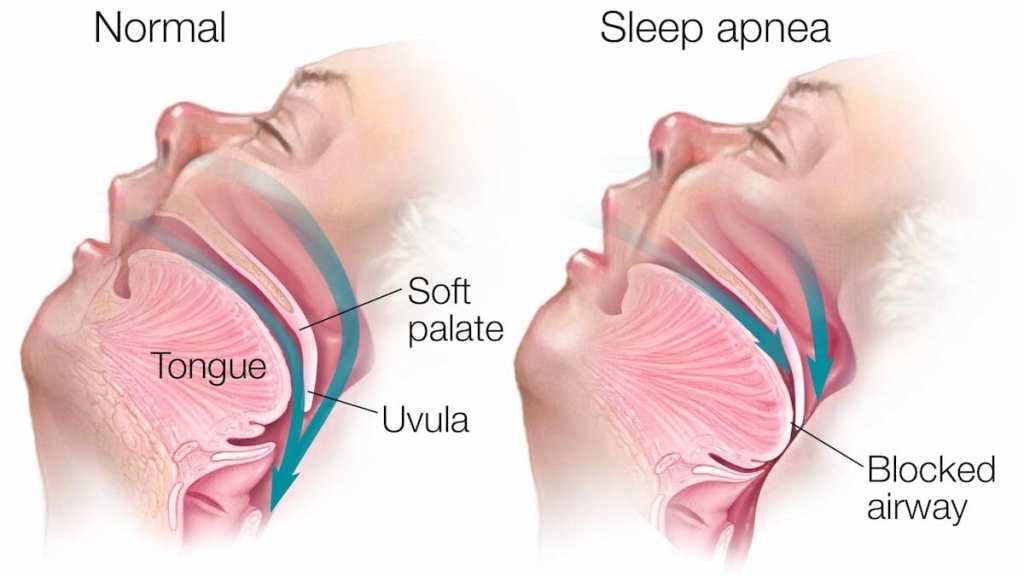
When I went in for my sleep apnea study, I noticed a number of double wide chairs available for the usual clientele there. OBESITY is one of the major risk factors for sleep apnea. Depositions at the base of the tongue and throat interfere with breathing, and causes snoring to the point of tracheal blockage and apnea at night.

Some people with normal “ BMI”, have sleep apnea. Sleep apnea can run in families, occur when you are older, or have a thick neck. So no matter what your weight, if you have daytime sleepiness after an apparently full night of sleep, you should be considered for a sleep study.

A SLEEP STUDY requires that you go into a sleep center overnight, get hooked up to an electroencephalogram machine, oxygen monitor, chest straps, and the like. This is the gold standard for a diagnosis of sleep apnea, but a recording pulse oximeter will let you know a lot less expensively if you have the critical problem, a drop in oxygen saturation. The type of sleep apnea I have been discussing so far is obstructive sleep apnea. Of course there are other types such as central, or complex sleep apnea.

Most sleep apnea responds to nasal CPAP, if you can tolerate it.
My own sleep apnea was diagnosed as moderate, 15% central and 85%  obstructive in type.  I have a stuffy nose which I believe to be the main problem setting me up for sleep apnea, and I could not tolerate the positive nasal CPAP. There is also a dental apparatus that I tried unsuccessfully. I wound up sleeping on my side, and propping myself in that position with pillows .This seems to help me, but I still wake up several times a night, usually at the end of a 90 minute sleep cycle, and with a full bladder.

I sleep through better on days when I have had more physical or mental exercise. Avoiding a full stomach at bedtime is also helpful with both sleep apnea and GERD.

I do use Afrin on the left side of my nose, which is more obstructed. I restrict the use to every third day, although I have heard that you can use it every other day, alternating sides, if you have a stuffy nose that has resisted other treatments .I have also heard that using corticosteroid nasal sprays makes Afrin better tolerated. Be sure to get clearance with your doctor before trying this.
— Dr. C

Read more at Mayo Clinic

DR. C’S JOURNAL: CAUSES & SYMTPOMS OF INSOMNIA

Sleep has many functions, among which are clearing the body of toxins and consolidating memory. The exact amount we need is determined by age, and genetics among another things. From what I’ve read, eight hours is required, plus or minus an hour.

That being said, there are a few  among us who are super sleepers. Going back in history this probably included Mozart and Thomas Edison: They could live healthy, productive lives with as few as three or four hours of sleep. Genetic mutations, including changes to the Orexin Gene receptor account for true super-sleepers.

Familial fatal insomnia is a genetic disease operating through prion proteins, and does not illuminate the problem of insomnia. In most people  there are two major forces which determine the onset of sleep, the circadian rhythm, and sleep pressure.

The TIMING of the sleep varies from morning larks to night owls. These shifts in the circadian rhythm is also genetic, involving many genes, including PER and CRY. Diurnal rhythm can apparently be changed, But with difficulty.

The sleep pressure is caused by the gradual daily accumulation of adenosine in the system, apparently resulting from the stripping away of the phosphate groups from the energy currency, ATP.  This can be assuaged by caffeine containing drinks, such as tea or coffee. Caffeine temporally blocks the effect of adenosine, but when it wears off, you usually go right back to your fatigue state.

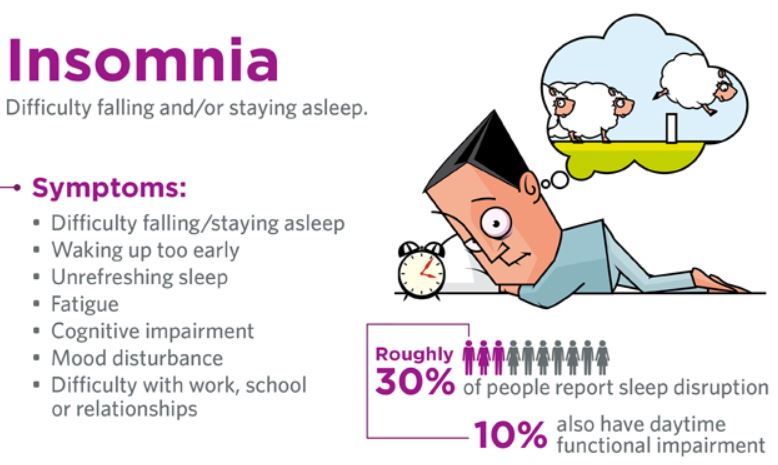
INSOMNIA occurs when you do not get as much sleep as you need, and are tired in the daytime. This is a major problem for a lot of people.

Insomnia has many causes. Stress will cause an increase in Cortisone in the bloodstream which interferes with sleep. Caffeinated drinks nicotine and other stimulants can cause you to have difficulty falling asleep, and alcohol will help you fall asleep but will often result in awakening in the middle of the night when the alcohol is metabolized.

Depression, Parkinson’s, chronic pain, gastroesophageal reflux and any other medical conditions can interfere with sleep. Sleep apnea, often associated with overweight and heavy snoring, is a special problem that sometimes needs the help of a sleep specialist.

Some poor habits such as reading in bed, doing work in bed, eating at bedtime, and heavy exercise just before bed can also be a problem.
A regular routine of Preparing for sleep, such as brushing and flossing and taking a warm shower are also helpful; you can get more details by looking up “sleep hygiene”.

A lot of people take a nap, but this can cause some difficulty in going to sleep. Among things you can do to prevent insomnia include living an active life, making your bedroom comfortable for sleep, and using your bedroom ONLY for sex and sleep.

Please refer to the accompanying Mayo clinic article for more organized information.

—Dr. C.

Mayo Clinic articlehttps://www.mayoclinic.org/diseases-conditions/insomnia/symptoms-causes/syc-20355167


HEART ARRYTHMIAS: “ATRIAL FIBRILLATION” (AFIB)

The normal adult heart beats almost as regularly as a metronome, between 60 and 100 beats per minute. I say ALMOST, because when you let your breath out, the VAGUS nerve slows the normal heart slightly.

This is called Sinus Arrhythmia; SINUS because the electrical signal for the heart to contract originates in the usual place, the SINUS NODE.

ARRYTHMIA refers to the irregularity of the beat. Normally, the sinus node originates the electrical impulse, automatically generating the rhythm. The impulse spreads in an organized fashion throughout the Atria causing them to contract and send the collected blood to the ventricles.

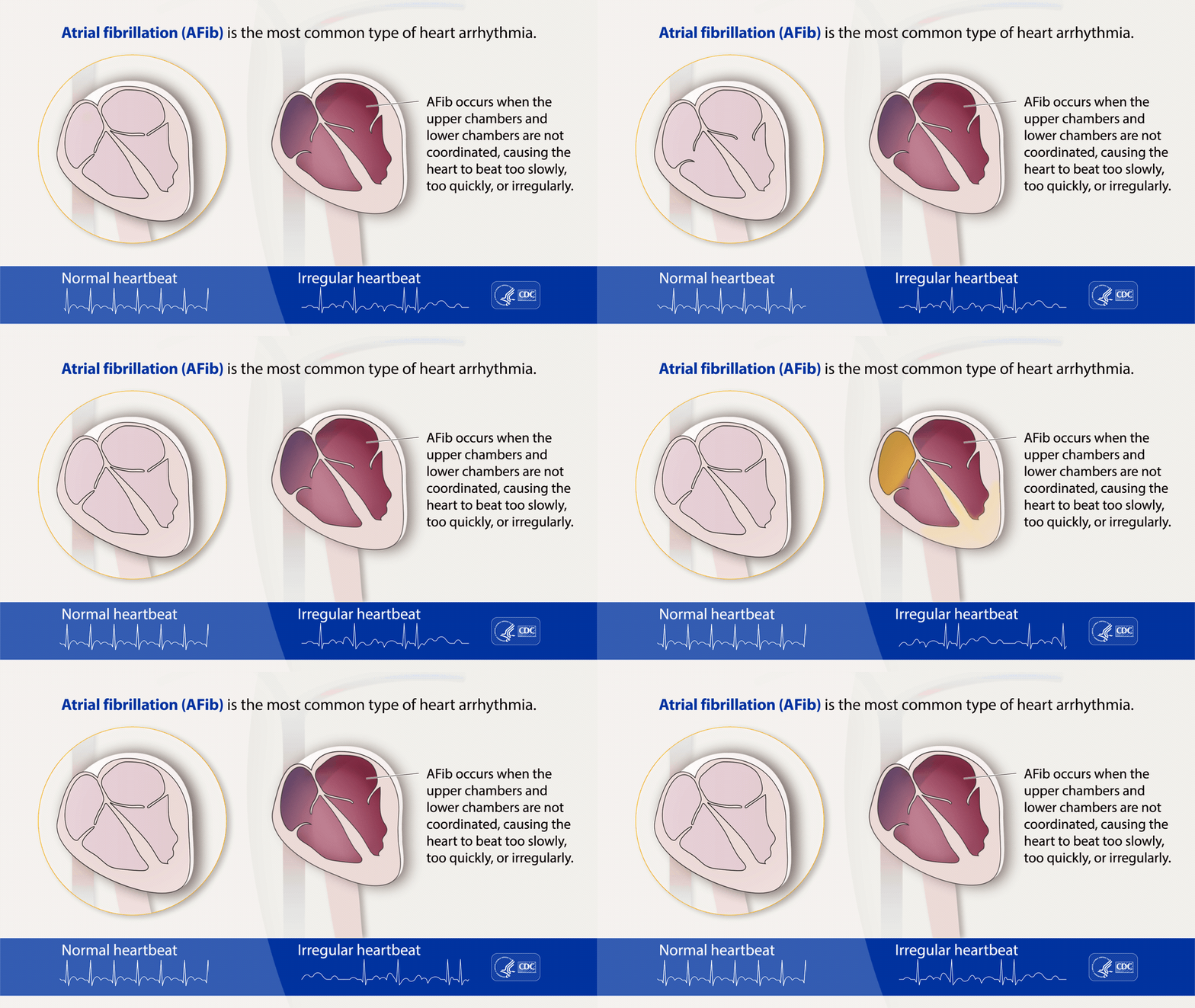
Atrial Fibrillation | cdc.gov

The AV node is then activated, and after a slight delay, to allow the ventricles to fill, the impulse spreads to the Ventricles, causing them to contract, The heart is designed to be most efficient above 50 beats per minute, and below about 120. The rate is higher in the young and athletic. Athletes often have an efficient resting pulse in the 40s.

The arrhythmias usually cause the heart to beat too FAST. The most common arrhythmia is ATRIAL FIBRILLATION. In this condition, the upper chambers, the Atria, do not beat in a coordinated manner. The sinus node no longer regularly originates the electrical impulse because the electrical activity is continuously traveling in a disorganized way throughout the upper chambers in a self-propagating manner.

This quivering of the Atria allows the blood to pool in an area called the Atrial Appendages. This stagnant, pooled blood tends to clot, particularly if there is inflammation already present in the heart from vessel damage, obesity, or simply old age.

These CLOTS may find their way into the systemic circulation, and cause a STROKE. Another symptom of Atrial fibrillation is related to the irregular beats, which creates the sensation of PALPITATIONS, which causes you to be AWARE of your heart beating, and can be disturbing.

ATRIAL FLUTTER, and SUPRAVENTRICULAR TACHYCARDIA are other Arrhythmias. Some conditions cause the heart rate to be too SLOW. SICK SINUS SYNDROME is when the sinus node, the PACEMAKER, becomes more and more disordered, sometimes causing the heart to slow excessively, and produce FAINTING, sometimes producing a rapid heart rate.

Atrial Fibrillation Compared to Normal Conduction Useful graphic ...

Heart block is where the signal from the atria don’t reach the ventricles properly, sometimes not at all. The unsignaled ventricles still beat, but more slowly by an intrinsic, “idioventricular” rhythm.

My own experiences with ATRIAL FIBRILLATION will illustrate the problem and it’s treatment. A RAPID HEART BEAT was my introduction into arrhythmias. The rate was 140, and the EKG showed ATRIAL FLUTTER.

My Doctor gave me some PROPAFENONE to attempt a “chemical conversion” but it didn’t work, and i was given a CARDIOVERSION in the ER. The Arrhythmia returned in the form of ATRIAL FIBRILLATION within a couple of weeks. Back to the ER, and another cardioversion.

I was given propafenone, but that didn’t hold me much longer. A RADIOFREQUENCY ABLATION, where the focal points of aberrant electrical activation were isolated kept me in SINUS RHYTHM for a couple of years.

When the Fibrillation returned, Propafenone worked for a while, after which another Ablation, more propafenone, bood level regulation of propafenone to peak at night ( I invariably started fibrillation at night) and so on. With periodic trips to the ER for Cardioversion, I got by for a Decade.

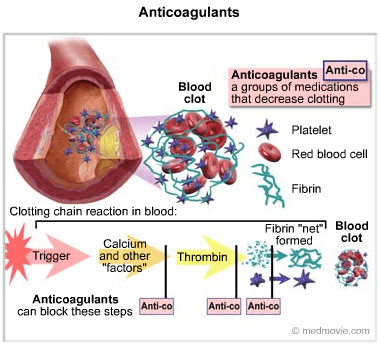
Finally, when regulating the Propafenone couldn’t hold me in Sinus Rhythm longer than a month, I gave up, let myself go on fibrillating, and started taking ELEQUIS to PREVENT EMBOLI AND STROKE. Back when I first started fibrillating I had 2 main reasons for wanting to return to sinus rhythm..

First, I wanted to avoid ANTICOAGULANTS, which initially meant WARFARIN, and regular blood checks. At least, when I finally resigned myself to Fibrillation, Eliquis was available.

The second reason was to avoid medications, including beta blockers,which would be necessary to keep my heart rate in the acceptable range, 80 or below. By the time I gave up on controlling the AF, my rate was in the 70s, going down into the 50s, even while fibrillating.

This good fortune may have been caused another mild heart aberration I had all along, a Partial BUNDLE BRANCH BLOCK, which slowed down the electrical signals to my ventricles. Sometimes you get lucky, and 2 “wrongs” sometimes DO make a “right”. But don’t count on it.

Keep yourself as healthy as possible. Atrial fibrillation is more common with obesity and heart disease. SLEEP APNEA is also a cause, and should be ruled out if you develop Atrial fibrillation. I had a Sleep study, which showed that I had Sleep Apnea, which will be a story i will tell later.

–DR. C

STUDY: “FRAGMENTED SLEEP” INCREASES INFLAMMATION & HARDENING OF THE ARTERIES

From UC Berkeley (June 4, 2020):

UC Berkeley Logo

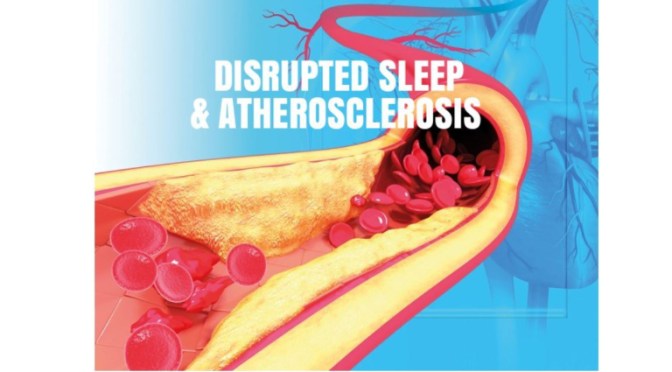
“We’ve discovered that fragmented sleep is associated with a unique pathway — chronic circulating inflammation throughout the blood stream — which, in turn, is linked to higher amounts of plaques in coronary arteries,” said study senior author Matthew Walker, a UC Berkeley professor of psychology and neuroscience.

Disrupted nightly sleep and clogged arteries tend to sneak up on us as we age. And while both disorders may seem unrelated, a new UC Berkeley study helps explain why they are, in fact, pathologically intertwined.

Some tips to improve sleep quality

  • Maintain a regular sleep routine, going to bed and waking up at the same time each day.
  • As part of a nightly wind-down routine, avoid viewing computer, smartphone and TV screens in the last hour before bedtime, and keep phones and other digital devices out of the bedroom.
  • Engage in some form of physical exercise during the day.
  • Get exposure to natural daylight, especially in the first half of the day.
  • Avoid stimulants, like caffeine, and sedatives, like alcohol, later in the day.

UC Berkeley sleep scientists have begun to reveal what it is about fragmented nightly sleep that leads to the fatty arterial plaque buildup known as atherosclerosis that can result in fatal heart disease.

Read full article

COMMENTARY

“How much sleep do we need”, and “Sleep Hygine” were past topics on this site, and my own sleep fragmentation was mentioned. This study correlates sleep fragmentation in the elderly with increased blood vessel disease compared to elderly people who have no interruptions in their sleep.

The elderly have several obstacles to a good, full night’s sleep, although a fair number of my friends claim the blessings of sleeping soundly. As we get older, we lose the deepest sleep we enjoyed as children, and there is some loss of REM sleep as well. The elderly sleep more lightly.

Diseases begin to accumulate as we get older, and These DISORDERS and their TREATMENT can disrupt sleep. I mentioned My BPH with it’s blockage of flow, leading to incomplete emptying of my bladder. This led to FREQUENT URINATION and frequent arousal at night.

With aging, the tissues in the throat become more flabby, and if you SLEEP on your BACK, your inhalation may be blocked. This may result in OBSTRUCTIVE SLEEP APNEA, where your breathing  and sleep are interrupted repeatedly. The associated SNORING may interrupt the sleep of your partner, or even the sleep of those in the next room.

GERD, where you choke on regurgitated stomach contents, is more common in the elderly.

Chronic Heart, lung and Kidney disease can interfere with sleep.
SLEEP DEPRIVATION leads to a variety of problems, such as the inflammation and Arterial blockage highlighted in the above article.

Sleep is intimately connected with DIET and EXERCISE. As one of the PILLARS of HEALTH,  It s well worth discussing with your Doctor and following her instructions.

—Dr. C.

THE DOCTORS 101 CHRONIC SYMPTOMS & CONDITIONS #2: NASAL CONGESTION

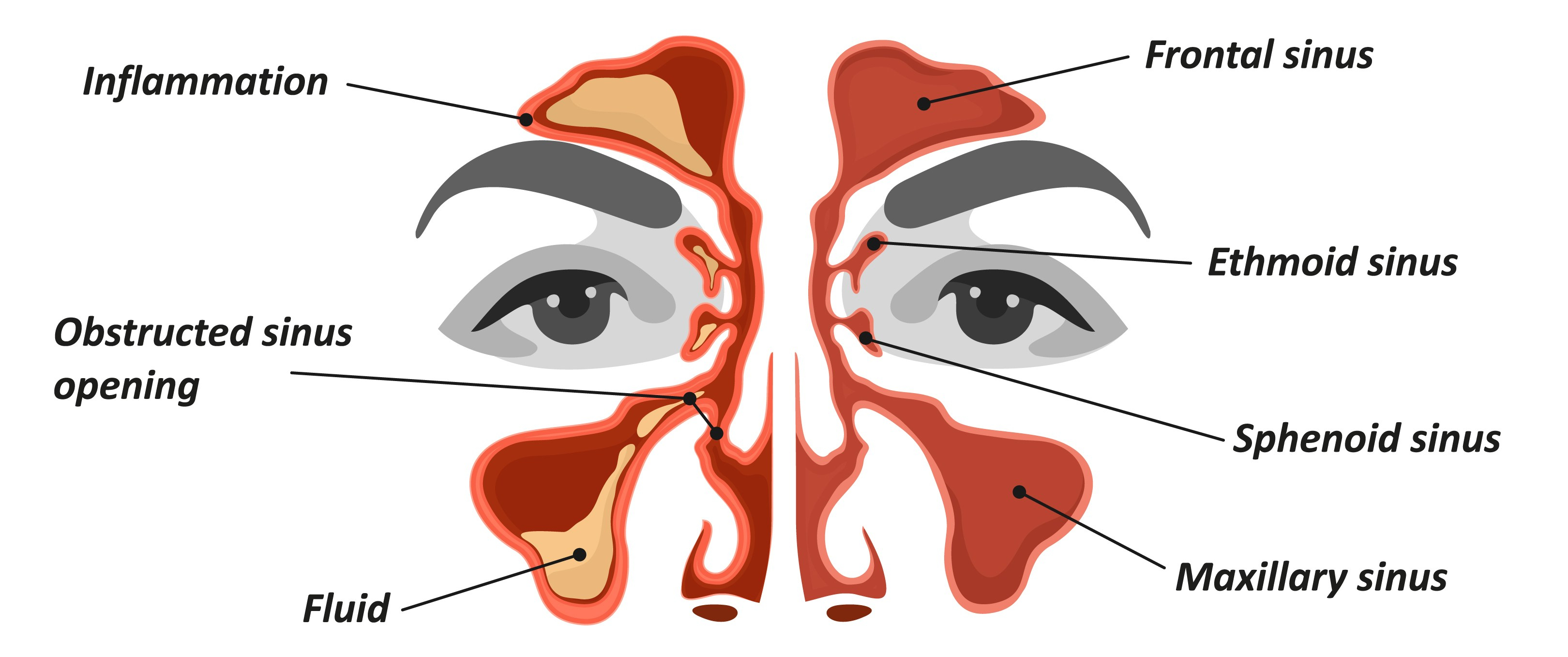
Chronic nasal congestion, the constant condition of not being able to breathe through your nose, can be a major problem, interferes with sleep (often via sleep apnea), undermining one of the 4 pillars of health (sleep, diet, exercise and intellectual stimulation). Well, maybe a second one as well, since it is hard to function intellectually when you are sleepy all the time.

Chronic nasal congestion in kids is often due to allergy and associated ADENOID (located at the back of the throat) ENLARGEMENT. Adenoids can cause sleep apnea and pulmonary hypertension, ear infections and sinusitis.

If left untreated, the bones of the face don’t grow properly, and the constricted bony structures can lead to later problems. Nasal polyps can be a factor in nasal airflow blockage, and their removal may benefit the blockage.

If associated with sinusitis and aspirin (aspirin is rarely used in children anymore because if Reyes’ Syndrome) sensitivity, the combination is known as “sampters’ triad. Regrowth of the polyps is common and aspirin desensitization may be helpful.

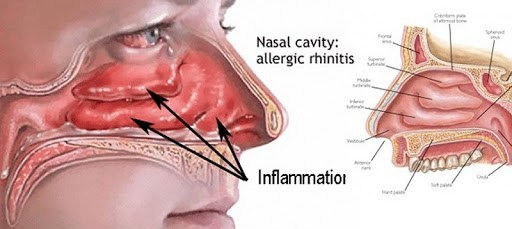
ALLERGIC RHINITIS is treated by avoidance, medication and desensitization. SINUSITIS can cause chronic nasal blockage. Both medical and surgical treatments are useful.

One-sided nasal blockage raises a red flag. One of my young patients had pushed a rock into his nose, which I then removed. Nasal polyps can be on one side, and can be removed, NASAL SEPTAL DEVIATION can cause one-sided nasal blockage, and if severe can be surgically corrected.

The nasal tissues are “erectile tissues” I have a nasal septal deviation to my left side. I SLEEP ON MY SIDE to CONTROL my SLEEP APNEA (more when I get to that subject, which certainly qualifies as a chronic problem), When I sleep on my right side, I don’t breathe as well since my “good side” is down and becomes study.

Those lucky people who breathe freely on both sides, and who sleep on their sides, may possibly be aware that the DOWN SIDE (my good side, above) blocks up. It seems that the nasal tissues are “erectile tissues” body wants to REST one side at a time, and the down side is easier, since gravity pools the blood there.

Nasal tissues are under the control of the autonomic nervous system, decongest (nasal passages are open) with the alarm (fight or flight, “sympathetic”) reaction, and do the opposite (tissues congest, nasal passages close) when the “parasympathetic” takes over after a meal, when you are “vegetating”. in front of the TV