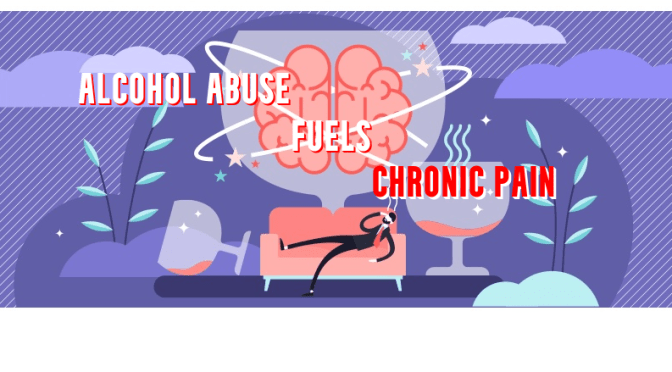
Scripps Research (April 21, 2023) – Chronic alcohol consumption may make people more sensitive to pain through two different molecular mechanisms—one driven by alcohol intake and one by alcohol withdrawal. That is one new conclusion by scientists at Scripps Research on the complex links between alcohol and pain.
“There is an urgent need to better understand the two-way street between chronic pain and alcohol dependence,” says senior author Marisa Roberto, PhD, the Schimmel Family Chair of Molecular Medicine, and a professor of neuroscience at Scripps Research. “Pain is both a widespread symptom in patients suffering from alcohol dependence, as well as a reason why people are driven to drink again.”
Alcohol use disorder (AUD), which encompasses the conditions commonly called alcohol abuse, alcohol dependence and alcohol addiction, affects 29.5 million people in the U.S. according to the 2021 National Survey on Drug Use and Health. Over time, AUD can trigger the development of numerous chronic diseases, including heart disease, stroke, liver disease and some cancers.
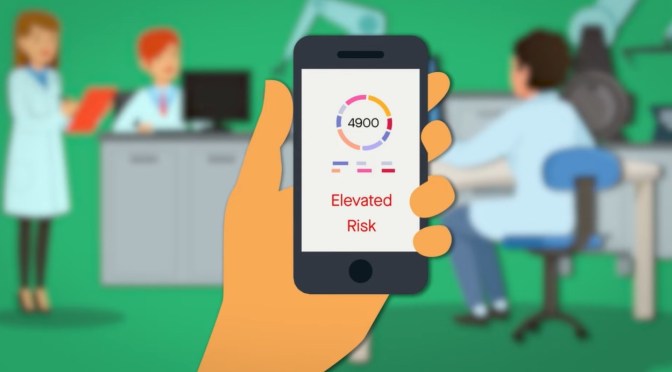
Scripps Research (April 11, 2023) – From smartwatches and fitness bands to glucose monitors and in-home ultrasounds, the proliferation of digital devices is igniting a revolution in healthcare and medical research.
Patients can now collect thousands of data points about themselves and share that information with their healthcare providers. At the Scripps Research Translational Institute, researchers are taking advantage of new technology to study disease in novel ways.
Their projects include a platform for early detection of disease outbreaks, a sleep quality study, and even a way to predict and individual’s risk of certain disease based on their genetics. In this video, hear directly from the team about this exciting new frontier.
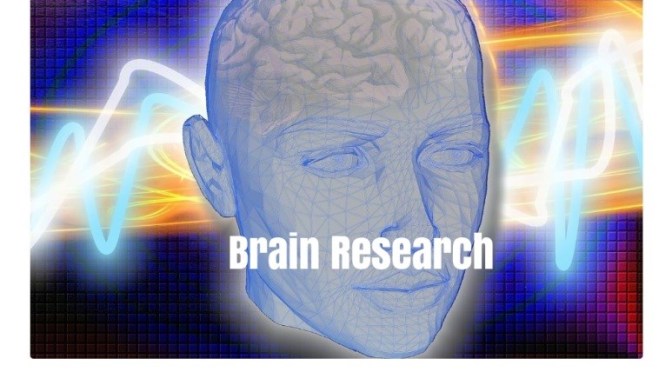
Take an animated look inside the neuron, and learn how scientists are addressing brain disease. With approximately 86 billion neurons in the brain, humans contain the most complex communications network imaginable. To address diseases of brain development and degeneration, neuroscientists are investigating how and why this network breaks down, and what can be done to repair it.
One area of study is dendrites, which are the tree-like structures of neurons, that receive electrical impulses. Researchers are carefully mapping out brain circuits and uncovering how connectivity changes can result in defects of the visual system or behavioral problems. The core section of the neuron is the cell body. Genetic engineering tools are revealing how mutations impact brain development and contribute to autism spectrum disorder or rare, inherited forms of neurological disease.
The transmission of nerve impulses occurs along the axon, which is insulated, much like an electrical wire, by a fatty layer called the myelin sheath. Scientists have invented a medicine to stop the immune system from mistakenly attacking this layer, which occurs during multiple sclerosis. Other molecules currently in development instruct the body to regenerate the sheath and repair damage. The axon also transports valuable cellular cargo, such as neurotransmitters, along tracks from one end of the neuron to the other.
Researchers are testing drug candidates for their ability to remove molecular traffic jams when this transport system fails, as often occurs in Parkinson’s and Alzheimer’s disease. The axon terminals make connections called synapses with other cells, using neurotransmitters as signals. Some scientists are evaluating how finely tuning the receptors for these chemicals could ease depression and anxiety.
Others are finding ways to promote the regrowth of lost synapses, which could halt neurodegeneration. From genetics to behavior, neuroscience is accelerating new interventions for the most challenging disorders of the nervous system.
Vaccines are one of the greatest scientific discoveries in human history. They eradicated a disease, smallpox, that killed 300 million people in the 20th Century. They save countless lives every year, protecting against diseases caused by viruses like polio, measles and yellow fever. But some viruses are particularly difficult to target with vaccines.
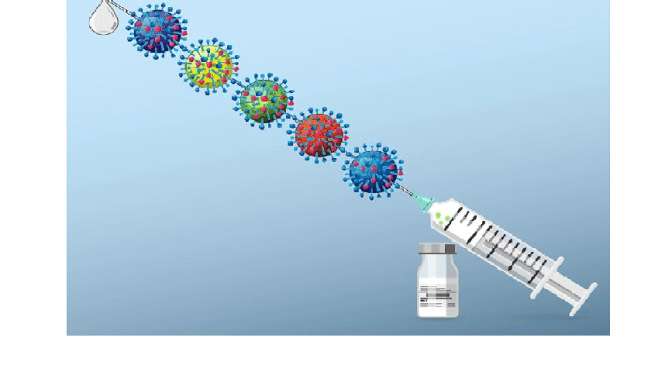
We need a flu shot every year because the virus mutates so much previous vaccines may no longer be effective. Scientists are closer than ever before to developing what are known as universal vaccines. These vaccines would protect against many variants of a given virus, and potentially against entire virus families. Viruses are constantly mutating, but only some of those mutations are important.
For example, a change in the shape or chemical properties of the spike protein a virus uses to infect a cell could make the virus more transmissible. It could also mean antibodies developed from previous infection or vaccination wouldn’t be able protect against the current virus. But, there are some sites on viruses that don’t mutate as much, or at all. These sites are often vital to the virus’ survival. Scientists are using powerful technologies to identify antibodies that target these sites.
They’re called broadly neutralizing antibodies and are capable of protecting against multiple viral variants. Now, researchers are working to design shots that get our bodies to produce broadly neutralizing antibodies. Meaning someday soon, vaccines for HIV, flu and coronavirus might be enough to effectively ward off these viruses for the better part of a lifetime.
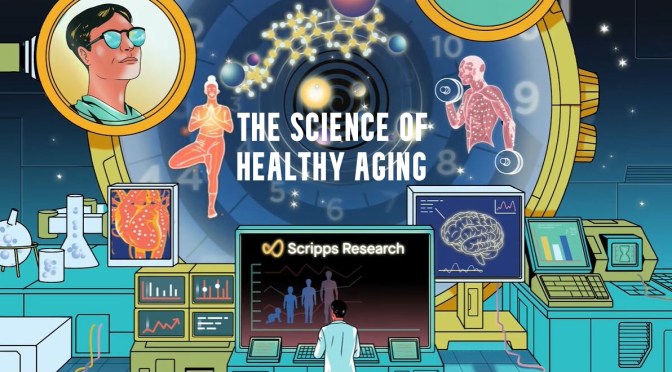
Although growing older comes with a number of major life changes, science can help inform the things we do in the here in and now to forestall the most serious features of the aging self, promoting healthspan and not just lifespan.
Summer 2021
Build Muscle – Muscle mass is one the best predictors of health and longevity. Muscle tissue is known to release its own chemicals called myokines, which can have benefits that span cognition, immunity and anti-cancer activity. By performing regular, resistance-based exercise that prioritizes strength, we can delay the loss of bone density and risk of physical injuries.
Vitamin D – Commonly known as the sunshine vitamin, vitamin D is in fact a critical hormone that helps maintain healthy bones, boost our immune system and improve our cardiovascular function. With age, the production of vitamin D in the skin can become less efficient, so if we don’t spend enough time outdoors, our risk of vitamin D deficiency may increase.
Neurodegenerative Diseases – One of the most unsettling aspects of aging is the potential for neurodegenerative disease. These conditions are increasingly prevalent in those with diabetes, suggesting that the brain’s blood flow and energy supply may be compromised. Research indicates that regular physical exercise, a healthy whole foods diet and staying intellectually active could at least slow the rate of decline.
Mindfulness – As we get older, major arteries can become thicker and less flexible, leading to increased blood pressure and undue strain on the heart. A regular mindfulness practice such as yoga or meditation has been shown to stem the release of stress hormones like cortisol and adrenaline. By freeing us from this “fight-or-flight” state, this habit can improve blood flow and reduce the risk of heart attack and stroke.
Stay Social – As social animals, maintaining a strong sense of community and close personal relationships into old age are underestimated contributors to longevity. While social isolation in seniors can result in significant physical and mental decline, research suggests that close loved ones offer important emotional support and behavioral modifications that can overcome periods of high stress.
Metabolism – “My metabolism is slowing down!” That’s what we often hear, as the aging body becomes less effective at using energy, placing us at risk of obesity and type 2 diabetes. By maintaining our muscle mass and reducing sugar consumption, we can support hormonal health, preserve our metabolism and keep our vitality into those advanced years. As scientists continue to find ways to extend our lives, paying attention to these keys to healthy aging can help increase the quality of those extra years.




 Doctors Without Waiting Rooms