A study that followed nearly 400,000 middle-aged individuals in the U.K. for a median of over 10 years found that, compared to individuals who reported drinking less than one cup of coffee a day, drinking four or more eight-ounce cups a day was associated with lower risk of 30 medical conditions.
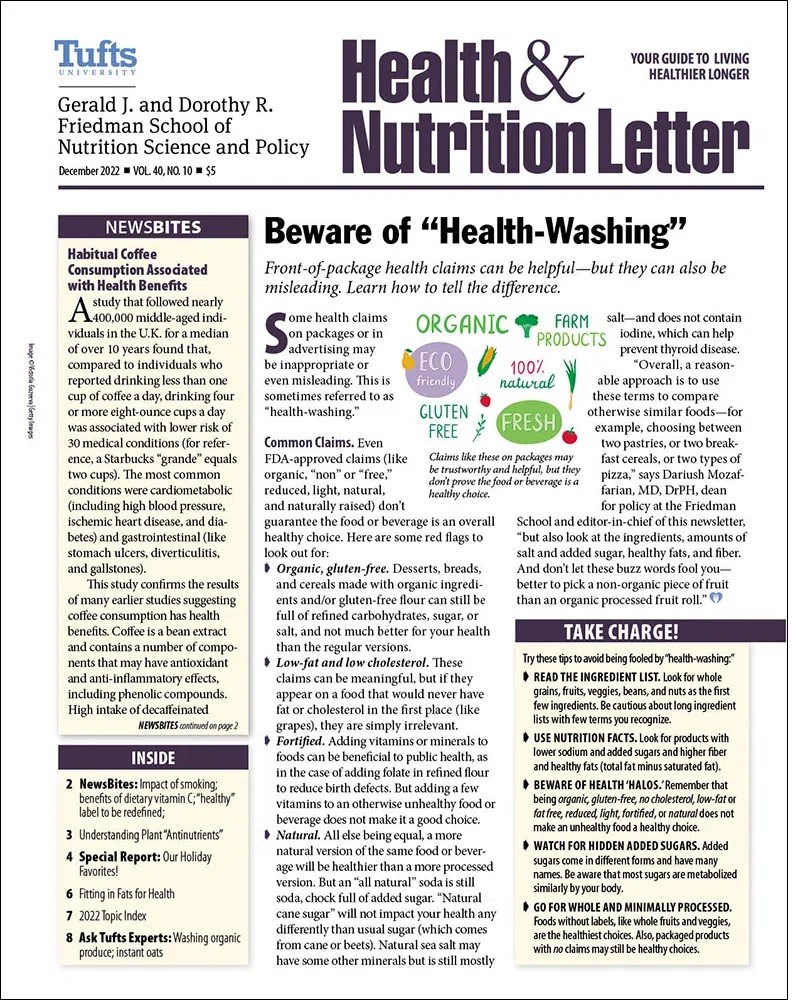
The U.S. Food and Drug Administration (FDA) recently proposed new draft guidelines for food manufacturers who want to label their products as “healthy.” This term was last defined in the 1990s. According to the FDA, “our current definition permits manufacturers to use the claim ‘healthy’ on some foods that, based on the most up-to-date nutrition.
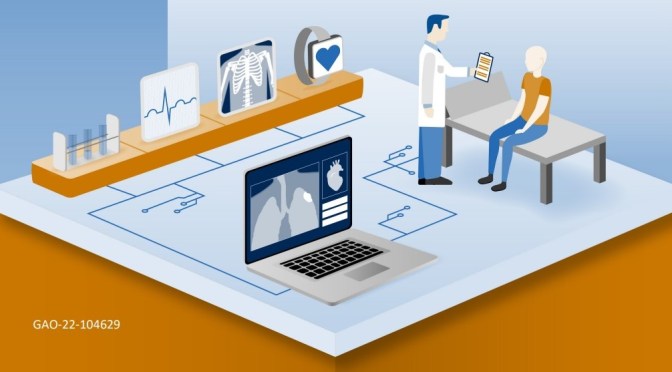
Each year, medical diagnosis errors affect the health of millions of Americans and cost billions of dollars. Machine learning technologies can help identify hidden or complex patterns in diagnostic data to detect diseases earlier and improve treatments.
Several machine learning (ML) technologies are available in the U.S. to assist with the diagnostic process. The resulting benefits include earlier detection of diseases; more consistent analysis of medical data; and increased access to care, particularly for underserved populations. GAO identified a variety of ML-based technologies for five selected diseases
Certain cancers,
Diabetic retinopathy,
Alzheimer’s disease,
Heart disease,
COVID-19
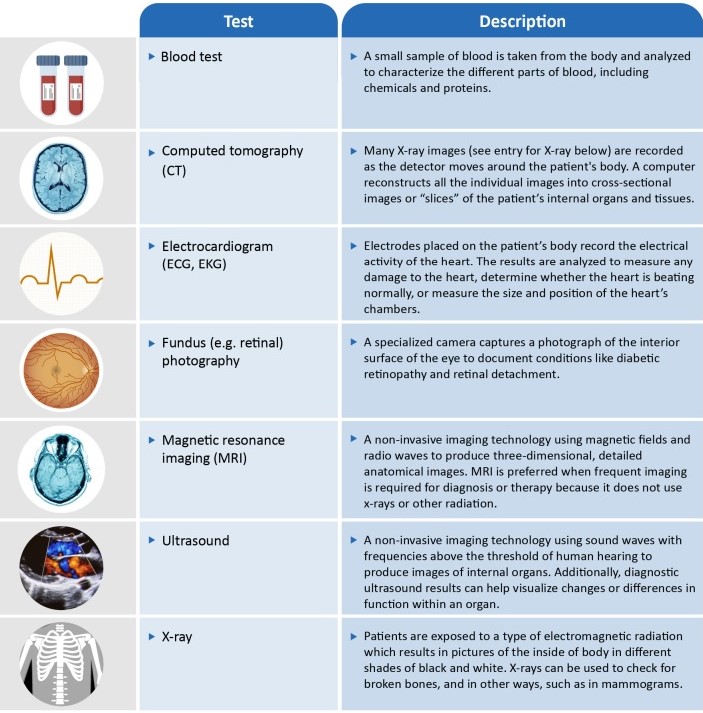
Most technologies relying on data from imaging such as x-rays or magnetic resonance imaging (MRI). However, these ML technologies have generally not been widely adopted.



 Doctors Without Waiting Rooms