Tag Archives: Men’s Health

THE DOCTORS 101 CHRONIC SYMPTOMS & CONDITIONS #54: ORAL THRUSH


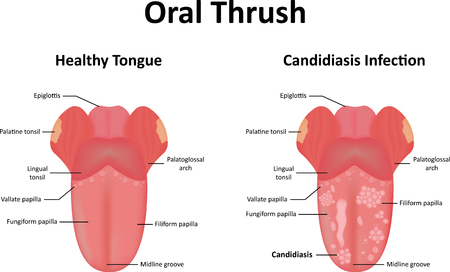
Thrush is an infection of the mouth with an organism called candida albicans. It is most common in the newborn and with young children, but can occur in adults if they have an immune deficiency,  use corticosteroid inhalers, are diabetic, or take broad-spectrum antibiotics.
A combined mother–child problem can occur with breast-feeding mothers in the newborn period. The mother’s  nipples may become infected, giving it to the baby, and they can pass back and forth. A baby who has thrush is also susceptible to diaper rash caused by candida.

There is a sense of irritation and some pain associated with thrush in the mouth, the diaper area, and the nipples. Thrush appears as cottage cheese-like areas on the throat and tongue.

The normal immunity usually keeps thrush at bay. In a newborn, however, the immune system is not fully developed. Sometimes the hormones of pregnancy facilitate thrush in the mother. Diabetes and smoking can also allow thrush.

Sometimes the thrush infection will go down into the swallowing tube, the esophagus, and produce inflammation. This can cause pain on swallowing, and is most common in AIDS and other immunodeficiency states.

Treatment of surface candida infections like throat is usually with Mycostatin– containing mouthwashes or creams. If it spreads beyond the surface, however, you will need more potent medications. Candida albicans is everywhere, and your immunity is your main defense against it.

Keep your immunity as solid as possible naturally, with good sleep, diet and exercise.
—Dr. C.

Read more

Brain Health: How To Recognize Strokes (Video)

If you don’t know the signs of a stroke, you’re not alone. Thirty percent of people under the age of 45 don’t either. The key is to B.E. F.A.S.T. Learn how this acronym can help you save a life. The information in this video is accurate as of 9.17.21 and is for information purposes only. Consult your local medical authority or your healthcare practitioner for advice. Resources: Stroke: Causes and Prevention: https://cle.clinic/3hIHtab Stroke Signs & Symptoms: https://cle.clinic/3oLyQhc Stroke Risk Factors: https://cle.clinic/3hJ8r1s

Health: Preventing Deadly Falls Among The Elderly

THE DOCTORS 101 CHRONIC SYMPTOMS & CONDITIONS #52: RHEUMATOID ARTHRITIS

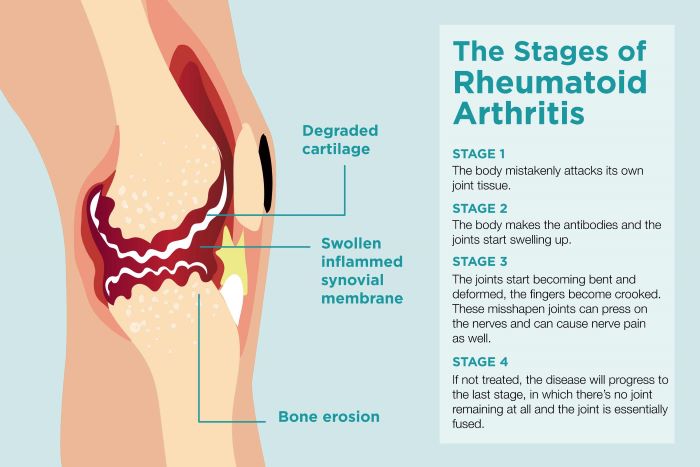
Painful, stiff joints are almost the rule as we get older, it seems. Both osteoarthritis and rheumatoid arthritis contribute to that eventuality. Osteoarthritis typically worsens as we get older, whereas rheumatoid arthritis starts in middle age.

Rheumatoid arthritis is much more severe than osteoarthritis, since it is an autoimmune condition with an episodic inflammatory component. A recent medical study of different blood substances found that the “metabolome” has many markers for exacerbation of rheumatoid arthritis.

The main test currently being used to show exacerbation is CRP, C-reactive protein. Rheumatoid factor tests, such as anti-CCP, are used to confirm the diagnosis.

Rheumatoid arthritis tends to involve the small joints of the hand, and osteoarthritis the larger joints, such as the hips and knees. I go a bit against the grain, having diagnosed osteoarthritis of my fingers and toes, more typical of RA, but, even at the age of 89, my large joints are still in good shape, even with a lot of walking. Since walking is thought to increase the perfusion of joint fluid to nourish the knee cartilages, perhaps I should say BECAUSE of walking. Running tends to wear the knees and hips out, because of high impact on the joints.

The inflammation of rheumatoid arthritis tends to wax and wane, but during an exacerbation can be quite incapacitating. The interleukin TNF seems instrumental in causing these flares, and antibodies directed towards TNF, such as etanercept, has been a helpful treatment. This injection is also given for other inflammatory, autoimmune conditions such as psoriasis, particularly psoriatic arthritis, and the inflammatory bowel diseases.

Almost half the people who have rheumatoid arthritis also experience signs and symptoms in other tissues, such as the skin, eyes, heart, and lungs. It is truly a systemic, autoimmune disease.

For more information please consult the following mayo clinic article on rheumatoid arthritis.

—Dr. C.

Read more

DR. C’S JOURNAL: AMBLYOPIA

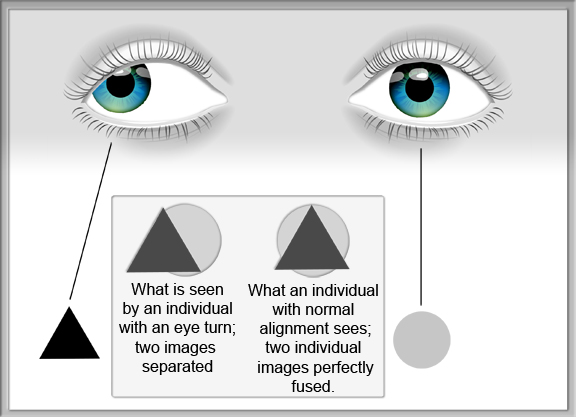
Amblyopia is an example of how the body suppresses or gets rid of activity that is not used. Amblyopia “ex anopsia” is the leading cause of poor vision in children, and the most common reason is a “lazy eye”. If the eyes do not work together for binocular vision, the weaker of the two eyes has suppressed development and eventually eyesight is lost.

I have a friend who was going in the pilot training, it was found to lack good depth perception, and could not proceed. He now complains occasionally of double vision, and may be an example of the suppressed eye with lack of binocular vision.

I have a muscle in balance which causes a rotation of my eye so that it’s hard to fuse on a horizontal linear object. I was probably able to fuse  when I was younger and avoid this loss of vision in the weaker eye.

So be on the alert for a squint, or wandering eye in children. Get them in early for treatment, the earlier the better, and it must take place before age 5 to 7.

—Dr. C.

Read more

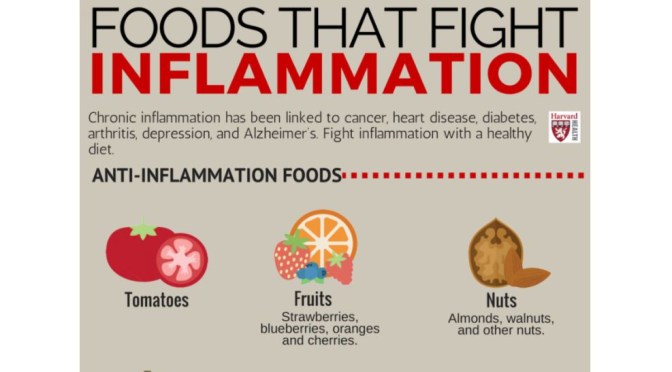
Health: Foods That Fight Inflammation (Harvard)

HEALTH: ANNUAL PHYSICAL EXAMS ARE GOING VIRTUAL

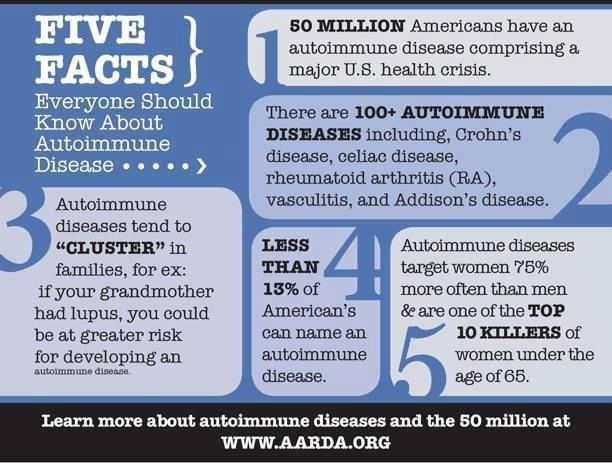
DR. C’S JOURNAL: WHAT IS AUTOIMMUNE DISEASE?

Our immune system contains cells that are part of us, and they evolved to protect us. They generally do a good job of this, as witnessed by our survival in a sea of viruses, microbes, and parasites.

However, just like our police force, occasionally the protective function goes awry and damage is done to our own body, in the protective act. For many years I was a practicing allergist, and observed this protective function misfiring. In allergic rhinitis and allergic asthma, tiny harmless particles in the air are interpreted by the body as a threat. The TH2 immune system, initially evolved to fight parasites, is activated, and causes considerable disease and misery.

Some of the antigenic determinants on the surface of the pollen, animal dander or dust particles are interpreted as being dangerous by the immune system, which causes chronic inflammation with acute allergy attacks.

Autoimmunity is a similar misreading, in which our own cells are deemed dangerous. In this case the immune agency is the more powerful Th-1 system, which often causes crippling or even fatal results.  

Millions of people are sickened by an immune system that is supposed to defend them.

An article in the September 2021 issue of the Scientific American lists 76 of these disorders, and classifies them as to frequency, patient gender and age of onset. It is worth reviewing, at least for the listing on page 32 and 33.

Auto immunity must be considered as a possible cause in any illness that is not easily diagnosed, common, and well known to your doctor. Many patients have to be their own advocates, and persist in trying to get themselves diagnosed.

Celiac disease, Lupus, and Addison’s disease come to mind as tricky customers. Although “autoimmune disease” in toto is common, many of the individual diseases occur in less than one in 1000 patients, and are not high on the diagnostic list of most doctors.

The skin, nervous system, endocrine system, and digestive system are the most common areas involved. Recent advances in blood and antibody testing offers to give needed diagnostic help to the medical profession. These illnesses must be detected early to avoid functional loss in the tissues and organs affected.

Treatments are improving. In the past, immune suppressing cancer drugs and cortisone were the main drugs available. With increasing knowledge of the mechanisms of the separate diseases, treatment can be directed towards the specific causative antibody, receptor, or interleukin involved, hopefully with less side effects than the shotgun drugs previously available.

As with medicine in general, these modern treatments are excessively expensive as a rule, because much money and research went into their development. Prevention is obviously preferable. A healthy diet, with its attendant healthy microbiome comes to mind, as well as the avoidance of cigarette smoking and environmental toxins.

Proper sleep, exercise, and stress relief should also be helpful.

—Dr. C.

Read more