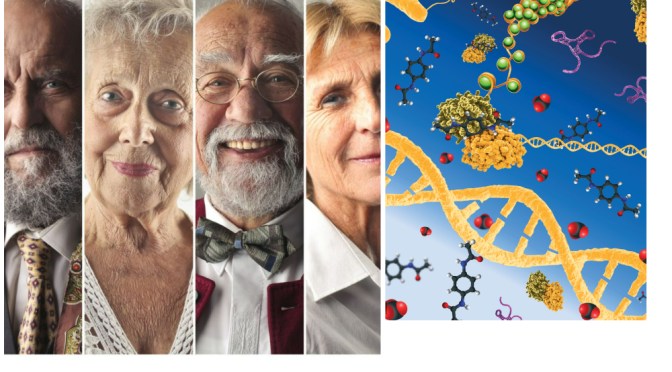

It also shows that restoring the integrity of the epigenome reverses age-related symptoms.
Learn more at https://hms.harvard.edu/news/loss-epi…
It also shows that restoring the integrity of the epigenome reverses age-related symptoms.
Learn more at https://hms.harvard.edu/news/loss-epi…
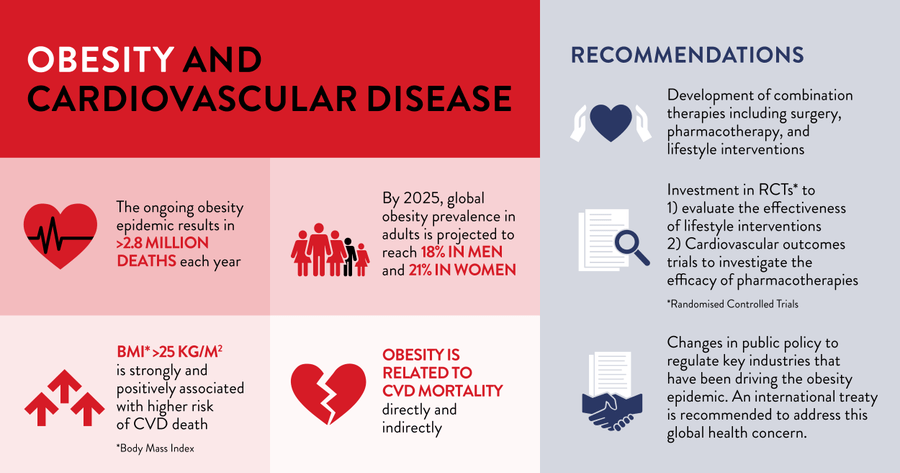
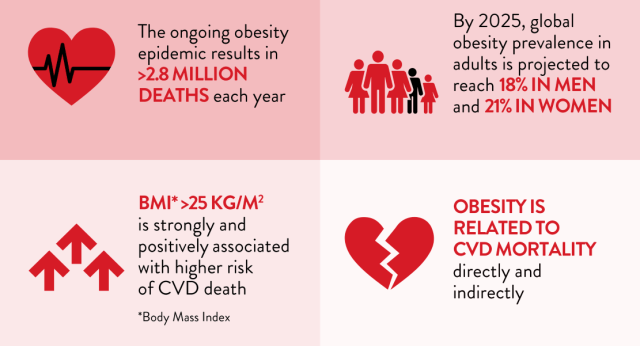
Our new position paper with @worldheartfed summarises the relationship between obesity and cardiovascular disease (#CVD) mortality.

World Obesity Federation (January 2023) – The ongoing obesity epidemic represents a global public health crisis that contributes to poor health outcomes, reduced quality of life, and >2.8 million deaths each year. Obesity is relapsing, progressive, and heterogeneous. It is considered a chronic disease by the World Obesity Federation (WOF) and a chronic condition by the World Heart Federation (WHF).
People living with overweight/obesity are at greater risk for cardiovascular (CV) morbidity and mortality. Increased adiposity (body fat), particularly visceral/abdominal fat, is linked to CV risk and CV disease (CVD) via multiple direct and indirect pathophysiological mechanisms. The development of CVD is driven, in part, by obesity-related metabolic, endocrinologic, immunologic, structural, humoral, haemodynamic, and functional alterations.
Learn more: http://bit.ly/3THvOZa


This year, we draw attention to the most critical issues impacting health globally, the extraordinary people involved in tackling them, and the voices of those most impacted. For five Spotlights, we will run a programme of activities to bring these issues to life and convene the right people and resources in order to drive change in these areas.

Spotlight on Universal Health Coverage
Ensuring all populations globally have access to affordable, quality health care

Spotlight on Research for Health
Prioritising evidence to guide and inform decision making

Spotlight on Child and Adolescent Health
Prioritising the health needs of children and adolescents now

Spotlight on Health and Climate Change
Tackling climate change through the lens of human health

Spotlight on Mental Health
Implementing sustainable global mental health in a fragmenting world

Although still relatively uncommon, single-port surgery has been gaining momentum in recent years. The benefits are noticeable. Compared to traditional surgery, single-port surgery might leave patients with shorter recovery times, less scarring, and overall better outcomes.
The technique is also transforming how surgeons think about and execute surgery itself. “It’s allowing us to do surgeries differently than we do with [multi-port surgery],” said Michael Stifelman, M.D., director of robotic surgery at Hackensack University Medical Center. “What every patient wants is to get back to their life. Single-port robotics is allowing us to get them to that point more quickly.”
Learn more about the future of single-port surgery in this episode of “Operation: Reimagine Surgery,” a Freethink original series produced in partnership with Intuitive, which created the world’s first commercially available robotic surgery system in the 1990s.
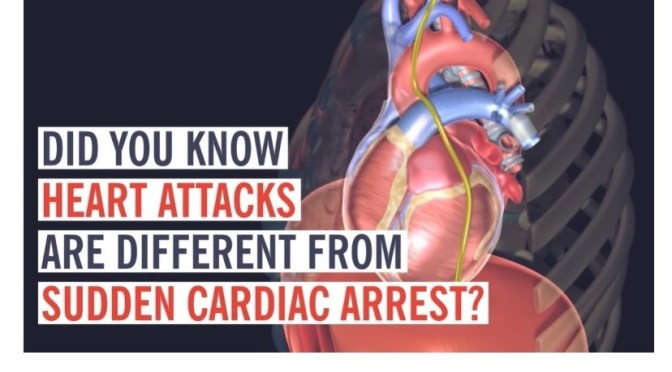
Sudden cardiac arrest (SCA) isn’t the same as a heart attack, though people often use the terms interchangeably. While both are life-threatening heart conditions, understanding the differences could be lifesaving.
When it comes to cardiac arrest versus a heart attack, it can be easy to get them confused. You may be wondering, Is cardiac arrest the same as a heart attack?
Both a heart attack and cardiac arrest can be scary and life-threatening medical conditions affecting your heart, but there are differences in how and why they occur.
A heart attack is caused by a blockage. It happens when an artery blocks the blood flow to your heart.
Cardiac arrest is an electrical issue. It occurs when quick, irregular impulses take over your heart’s rhythm.

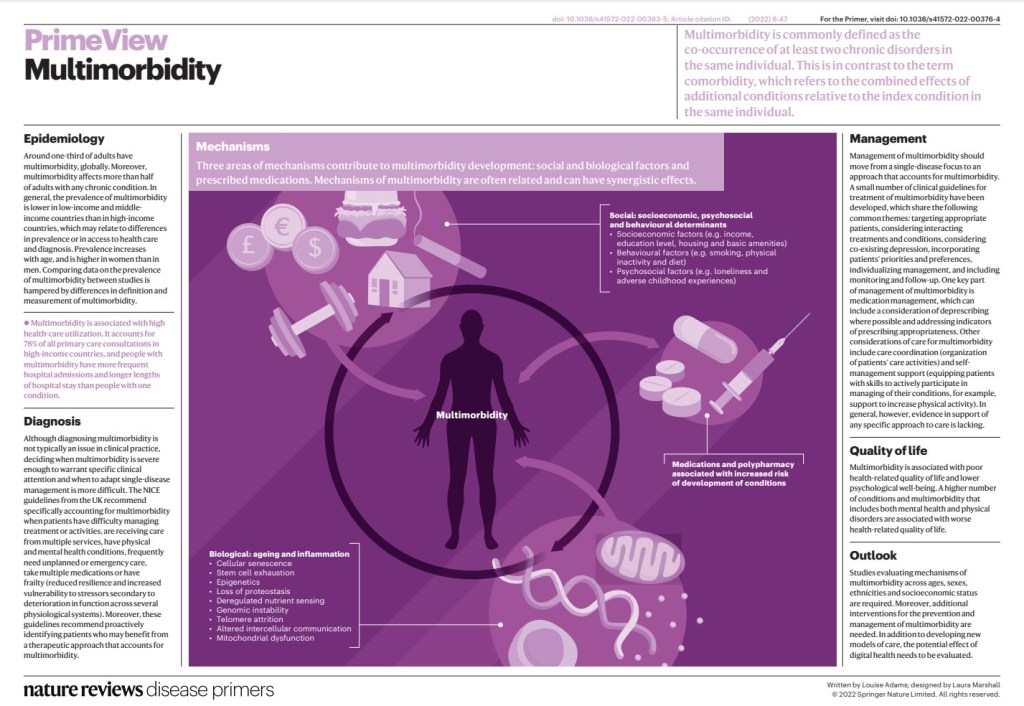
People with multimorbidity (two or more coexisting conditions in an individual) are more likely to die prematurely, be admitted to hospital and have an increased length of stay than people with a single chronic condition.
Multimorbidity is also associated with poorer function and health-related quality of life (HRQOL), depression and intake of multiple drugs (polypharmacy) and greater socioeconomic costs. Most health care is designed to treat individual conditions rather than providing comprehensive, person-centreed care, which often leads to fragmented and sometimes contradictory care for people with multimorbidity and increases their treatment burden. Moreover, treating one condition at a time is inefficient and unsatisfactory for both people with multimorbidity and their health-care providers.

Video timeline: 0:24 – Flu Damage 1:25 – Lower population immunity 2:03 – Who’s most vulnerable? 3:05 – How can we protect ourselves?

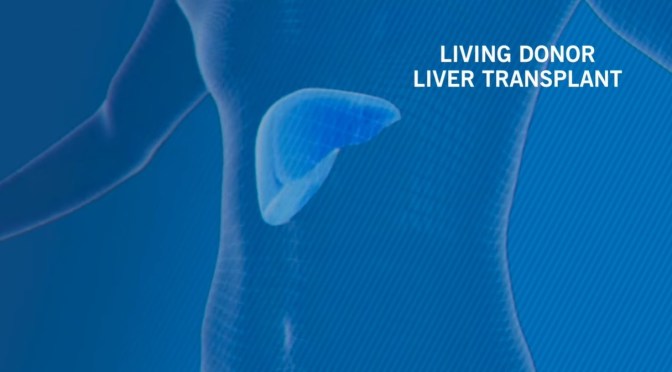
All potential donors will undergo a complete medical and psychosocial evaluation. Not everyone is suitable or eligible to become a living liver donor based on a number of factors such as pre-existing medical conditions, psychosocial concerns, or liver size. Donating an organ is a personal decision that should only be made after becoming fully informed about its potential risks and benefits.




 Doctors Without Waiting Rooms