
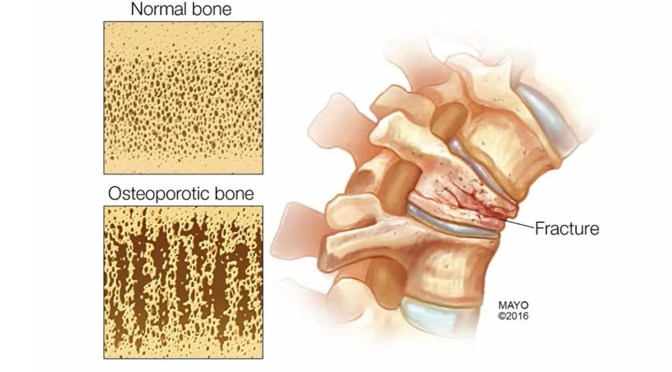
Bones are living organisms that build and break down, but when the body loses more bone than it makes, problems can arise. Early detection and treatment can help those with bone loss maintain active lifestyles. Dr. Ejigayehu Abate, a Mayo Clinic endocrinologist, explains what women should know about osteoporosis.
Tag Archives: Mayo Clinic
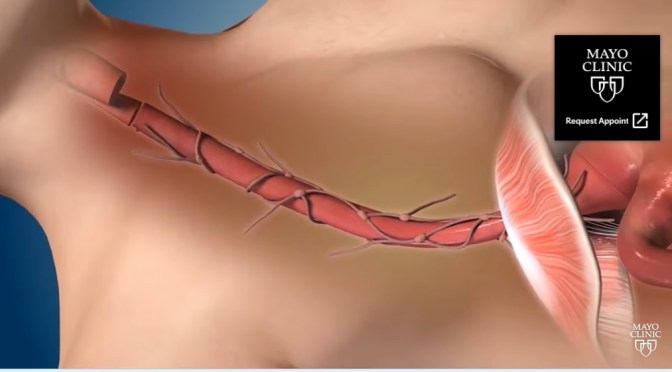
Esophageal Cancer: Early Treatment Is Critical
While a serious form of cancer, five-year survival rates have quadrupled over the last several decades. What’s key to these positive outcomes? Dr. Shanda Blackmon says early detection allows for minimally invasive treatments that can preserve the esophagus. Having a minimally invasive esophagectomy typically allows a patient to recover quicker with less pain than an open esophagectomy.

Diets: Southern Foods Up Risks Of Chronic Disease
Warmer weather brings more opportunities for picnics, barbecues and gatherings around food. But before you reach for a second helping, consider if what you’re eating may be increasing your risk for chronic disease. Dr. Ivan Porter II, a nephrologist at Mayo Clinic. Dr. Porter explains dietary changes can have a significant impact on their blood pressure and overall health.
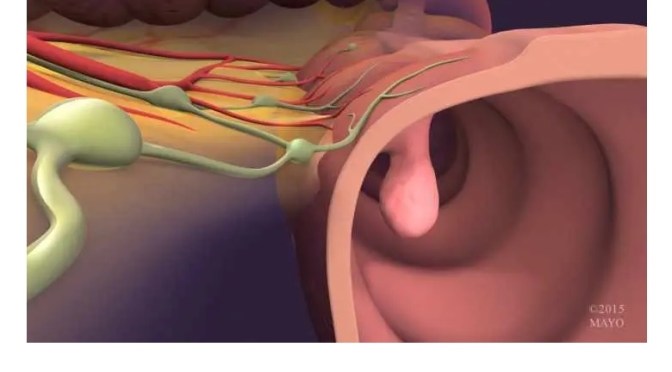
Precancerous Polyps: AI Reduces Screening Misses
Artificial intelligence reduced by twofold the rate at which precancerous polyps were missed in colorectal cancer screening, reported a team of international researchers led by Mayo Clinic. The study is published in Gastroenterology.
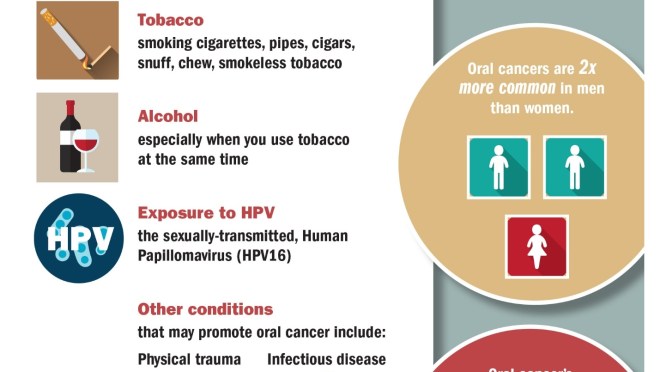
Mayo Clinic: Treating And Preventing Oral Cancer
Oral (mouth) cancer is complicated. It’s okay to have questions. Get informed: https://mayocl.in/3xu4GFH If you or someone you know has been diagnosed with oral cancer, you may be asking yourself a lot of questions. Our experts are here to help you answer them.
Chapters: 0:00 Introduction 0:15 What can I do to prevent oral cancer? 0:45 What is my chance of cure? 1:33 What do oral cancer patients need to know about mental health? 2:33 As a caregiver, how can I support someone with oral cancer? 3:23 How can I be the best partner to my medical team? 2:55 Ending
What is oral cancer? https://bit.ly/37l5Ybx

Mayo Clinic: Treatments For Brain Aneurysms
Robert D. Brown Jr., M.D., M.P.H., E. Paul Lindell, M.D.,Giuseppe Lanzino, M.D., and Harry Cloft, M.D., Ph.D., explain what a brain aneurysm is and the different treatment options there are at Mayo Clinic for a patient with a brain aneurysm.
Mayo Clinic neurovascular experts care for 17,000 people each year with aneurysms, strokes, and other blood vessel and cerebrovascular conditions. Each brain aneurysm is unique. Your doctor will use state-of-the-art arterial imaging to evaluate, diagnose and assess the aneurysm’s risk of rupture.
Every patient has team of doctors working together to create an individualized path of care. Some aneurysms do not require surgery and are closely monitored instead.
Find out about the care you can receive for brain aneurysms at Mayo Clinic at https://mayocl.in/370ZldS
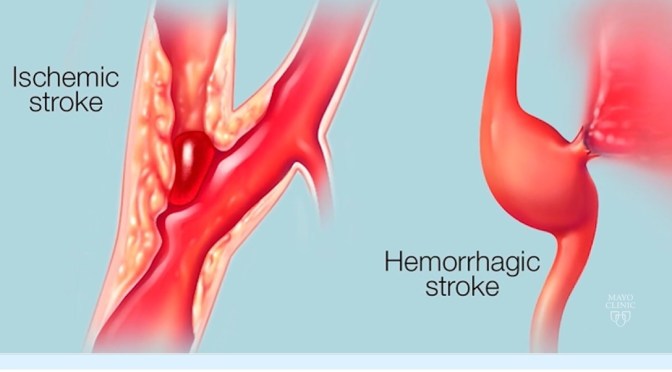
Neurovascular Disease: Stroke Awareness & Care
Mayo Clinic’s Eugene L. Scharf, M.D., Robert D. Brown Jr., M.D., M.P.H. and Harry Cloft, M.D., Ph.D. discuss how the team at Mayo Clinic provides each patient individualized care to help maximize quality of life. 700,000 to 800,000 people in the United States have a stroke each year. Many people can lower their risk of stroke with medical risk factor modification. When a stroke occurs, prompt treatment is crucial. Every minute counts and can reduce brain damage and other complications. “Some patients who would have had a devastating stroke come out of the hospital with no deficient, no difficulties whatsoever,” says Robert D. Brown Jr., M.D., M.P.H.
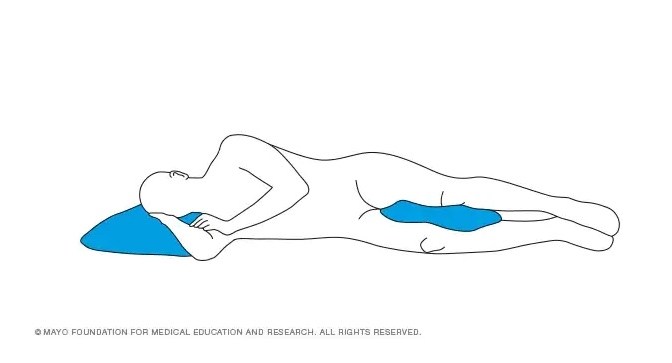
Mayo Clinic: What Are The Best Sleeping Positions?
Back-sleepers beware. “I know many people find it to be comfortable, because they’re not putting weight on their joints,” says Dr. Lois Krahn, a Mayo Clinic sleep specialist. But Mayo Clinic experts say sleeping on your back is actually the worst sleeping position, especially if you have sleep apnea. “Sleeping on the back means that your tongue and jaw can fall down and crowd your airway. And many people snore more on their back,” says Dr. Krahn. Sleeping on your stomach helps keep the airway open, but it can put a strain on your spine and neck. “There’s a host of evidence overall suggesting that probably sleeping on the side is better,” says Dr. Virend Somers, a cardiologist and director of the sleep facility within Mayo Clinic’s Center for Clinical and Translational Science.
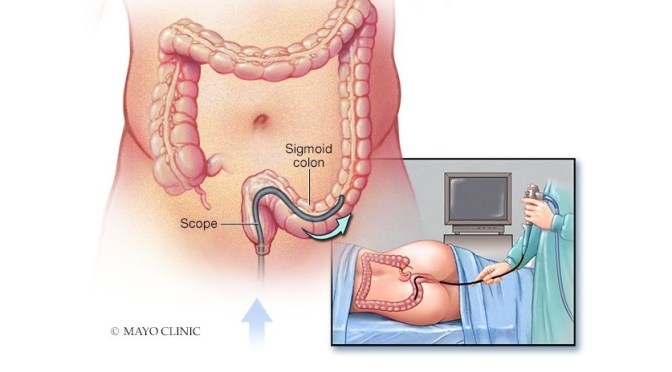
Procedures: The Benefits Of A Sigmoidoscopy Exam
A flexible sigmoidoscopy is an exam used to evaluate the lower part of the large intestine (colon). During a flexible sigmoidoscopy exam, a thin, flexible tube (sigmoidoscope) is inserted into the rectum.
A tiny video camera at the tip of the tube allows the doctor to view the inside of the rectum, the sigmoid colon and most of the descending colon — just under the last 2 feet (about 50 centimeters) of the large intestine. If necessary, tissue samples (biopsies) can be taken through the scope during a flexible sigmoidoscopy exam.
Flexible sigmoidoscopy doesn’t allow the doctor to see the entire colon. As a result, flexible sigmoidoscopy alone can’t detect cancer or small clumps of cells that could develop into cancer (polyps) farther into the colon.
 Doctors Without Waiting Rooms