Tag Archives: Mayo Clinic

Lung Infections: Signs & Symptoms Of Pneumonia

Pneumonia is an infection that inflames the air sacs in one or both lungs. The air sacs may fill with fluid or pus (purulent material), causing cough with phlegm or pus, fever, chills, and difficulty breathing. A variety of organisms, including bacteria, viruses and fungi, can cause pneumonia.

Mayo Clinic – Pneumonia can range in seriousness from mild to life-threatening. It is most serious for infants and young children, people older than age 65, and people with health problems or weakened immune systems.

Symptoms

The signs and symptoms of pneumonia vary from mild to severe, depending on factors such as the type of germ causing the infection, and your age and overall health. Mild signs and symptoms often are similar to those of a cold or flu, but they last longer.

Signs and symptoms of pneumonia may include:

  • Chest pain when you breathe or cough
  • Confusion or changes in mental awareness (in adults age 65 and older)
  • Cough, which may produce phlegm
  • Fatigue
  • Fever, sweating and shaking chills
  • Lower than normal body temperature (in adults older than age 65 and people with weak immune systems)
  • Nausea, vomiting or diarrhea
  • Shortness of breath

Newborns and infants may not show any sign of the infection. Or they may vomit, have a fever and cough, appear restless or tired and without energy, or have difficulty breathing and eating.

When to see a doctor

See your doctor if you have difficulty breathing, chest pain, persistent fever of 102 F (39 C) or higher, or persistent cough, especially if you’re coughing up pus.

It’s especially important that people in these high-risk groups see a doctor:

  • Adults older than age 65
  • Children younger than age 2 with signs and symptoms
  • People with an underlying health condition or weakened immune system
  • People receiving chemotherapy or taking medication that suppresses the immune system

For some older adults and people with heart failure or chronic lung problems, pneumonia can quickly become a life-threatening condition.

READ MORE

Cancer & Genetic Testing: Nine Questions Answered

“Many health conditions have a genetic link,” says Breanna Mitchell, a genetic counselor at Mayo Clinic Health System in Eau Claire. “Genetic testing can help you and your health care team understand if you have an increased risk for developing certain conditions that are present in your family. If you are at risk, you may be able to take preventive measures to decrease your risk or undergo genetic testing to clarify your risk.”  

Mayo Clinic (February 6, 2023) – Your genes play a role in nearly all areas of your health. A gene is like an instruction manual for your body that tells your body how to function, develop and stay healthy. People have about 20,000 genes in their bodies.  

Here are nine common questions about genetic testing:  

Do all types of cancers have a genetic component?  

Most cancers are considered sporadic, meaning the cancer happens randomly or has environmental influences, such as smoking and lung cancer. About 25% of cancers are considered familial. This is when multiple members of a family are affected by cancer. These family members have some shared genetic factors in combination with shared environmental factors that lead to the development of these cancers.  

“About 10% of cancers are considered hereditary or have a single specific genetic component that can be tested and increase a person’s risk for developing cancer,” Mitchell says. “Genetic counseling and genetic testing can help determine which category a person’s individual or family cancer falls into. It also can help estimate your risk for developing cancer.” 

What types of genes are examined during genetic testing?  

You may have an increased risk for some health conditions, including some types of cancer, based on your genes. A genetic test looks for specific harmful gene changes, called mutations or pathogenic variants, that can cause you to develop a genetic condition. Gene changes are like spelling errors within your body’s instruction manual.  

Most genetic tests look for changes in a group of genes called a panel. However, testing may look for changes in a single gene when there is a known genetic mutation in your family. The most common genes typically thought of related to cancer risk are BRCA1 and BRAC2. These genes are associated with breast and ovarian cancer. It’s known that changes in other genes can increase risk for these cancers, as well.  

There also are gene panels that assess risk for other cancers, such as colorectal, pancreatic, prostate, liver, uterine and endometrial cancers. 

READ MORE

Ear Health: Diagnosing And Managing ‘Tinnitus’

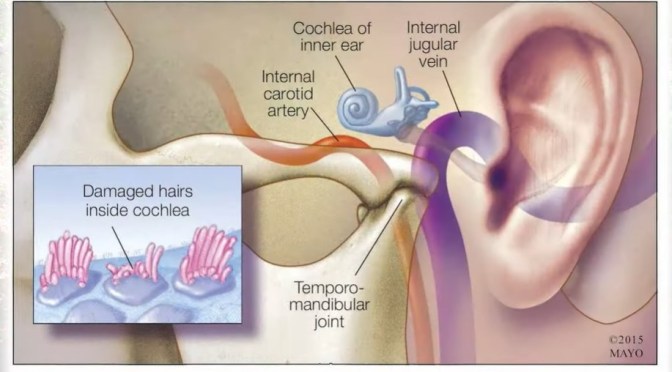
Mayo Clinic – About 1 in 5 people experience the perception of noise or ringing in the ears. It’s called tinnitus. Dr. Gayla Poling says tinnitus can be perceived a myriad of ways. Hearing loss can be age-related, come from a one-time exposure, or exposure to loud sounds over a lifetime.

Dr. Poling says the tiny hairs in our inner ear may play a role. Dr. Poling says there’s no scientifically proven cure for tinnitus, but there are treatment and management options. Other options include using a sound generator or using a fan at night. If ringing in your ears bothers you, start by seeing your health care provider for a hearing test.

Read more

Cardiology: When Chest Discomfort Is Serious

Mayo Clinic – Chest discomfort and pain account for more than 6.5 million emergency department visits in the U.S. each year. Discomfort can be the first sign of a serious heart event or a symptom of other medical conditions. Dr. Regis Fernandes, a Mayo Clinic cardiologist, says people should seek medical care at the first sign of chest pain.

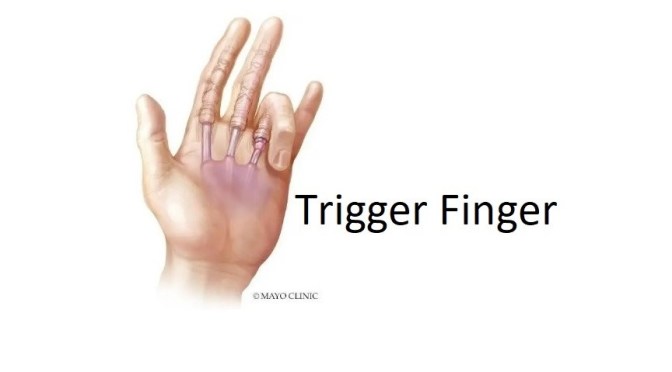
Hand Conditions: What Causes Trigger Finger?

Typically, people 45 and older and those with diabetes or rheumatoid arthritis may be predisposed to trigger finger. It’s rare in children. Usually, the tendon sheath becomes irritated due to overwork or injury, so people who do repetitive movements, heavy squeezing or lifting in their work can be prone to the condition. It can happen at any time and is more common than people realize.

How is it treated?

Mayo Clinic – If you’re experiencing mild symptoms, such as a small, tender lump at the base of a finger or your thumb on the palm side of your hand but can straighten or bend your finger without it locking, take an over-the-counter anti-inflammatory medication, such as ibuprofen, every day for two weeks. If your finger or thumb is locked, you may be able to use gentle pressure to force it straight or bent.

If your finger or thumb is locked, you’re not able to force it straight or bent, and you’re feeling catching or popping, the next level of treatment is a steroid injection to calm the irritation and swelling. Performed in the clinic, the injection is done in the palm of your hand. A cold spray is used to numb the area.

READ MORE

Telemedicine: Study Finds 87% Diagnosis Accuracy

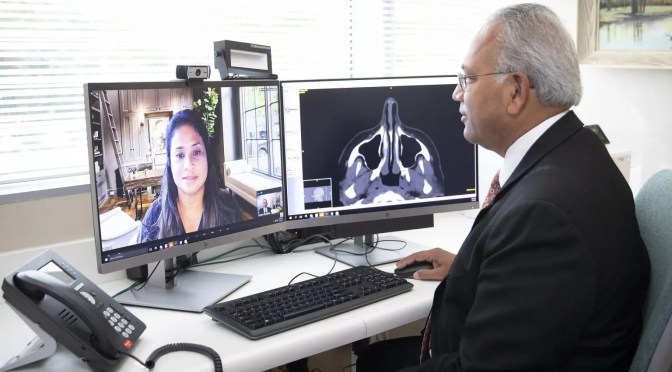
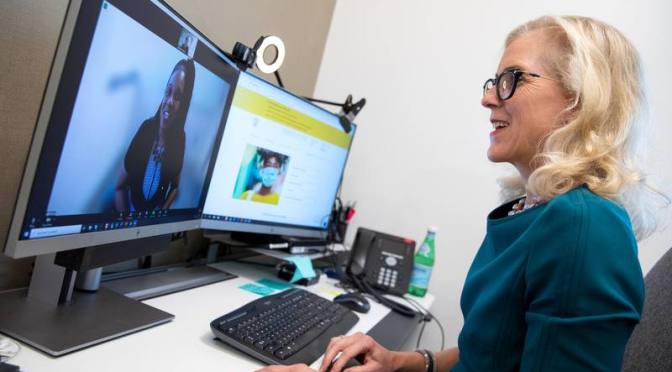
In one study published in JAMA Open Network, researchers found that 87% of the preliminary diagnoses made during telemedicine appointments were later confirmed during in-person appointments.

To put it simply: diagnoses over video are usually spot on.

December 2, 2022 – Researchers evaluated more than 97,000 video visits across Mayo Clinic between March and June 2020. Of those visits, 2,400 patients had a visit for a new health concern and followed up with an in-person appointment within 90 days.

The highest rate of matching telemedicine and in-person diagnoses was found in specialties that included psychiatry and psychology, allergy and immunology, orthopedics, and urology. While diagnostic concordance was slightly lower in specialties such as dermatology and ear, nose and throat (ENT), still, close to 80% of those diagnoses were confirmed in person.

READ MORE

Regenerative Medicine: Rotator Cuff Tear Benefit

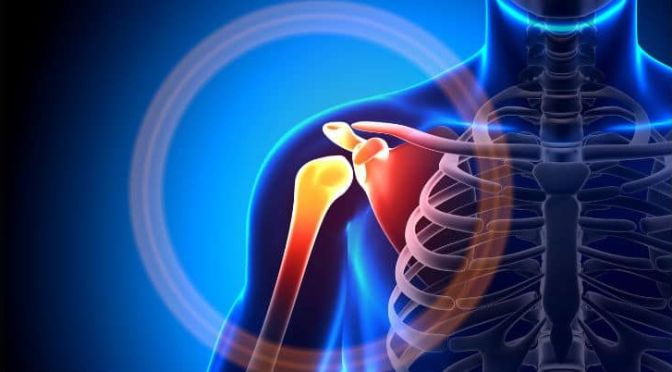
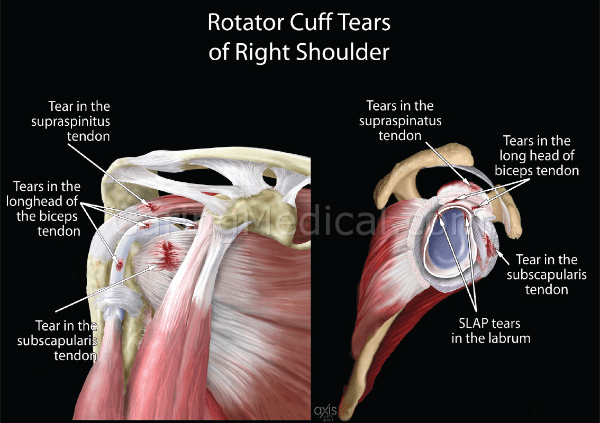
“The data we analyzed suggested a nearly threefold reduction in revision surgery in patients who received bone marrow aspirate concentrate, compared to those who did not,” says Bradley Schoch, M.D., an orthopedic surgeon and principal investigator. “This procedure is growing in use throughout the practice of orthopedic surgery and commonly added as a surgical adjunct to rotator cuff tears.”

Mayo Clinic – Applying regenerative medicine to a common shoulder surgery could have an impact on the need for follow-up revision surgery in some patients, according to a Mayo Clinic study of real-world evidence.


Mayo Clinic researchers analyzed the largest set of data available to determine if adding bone marrow aspirate concentrate to repaired tissue after standard rotator cuff surgery would improve outcomes for patients. Bone marrow aspirate is fluid taken from a patient’s bone marrow that contains concentrated growth factors, stem cells and other specialized cells that may regenerate tissue and cartilage.

The analysis identified 760 patients who had a regenerative intervention added to augment rotator cuff repair surgery. Those patients were compared to 3,888 patients who did not have any biologic intervention at the time of surgery. The data indicated that 114 patients who opted for bone marrow aspirate concentrate at the time of surgery were less likely to need a second surgery.

The results of the Mayo Clinic study are published in the Orthopaedic Journal of Sports Medicine.

Telemedicine: Elderly Are Most Satisfied Study Finds

“Our study showed that the highest level of patient satisfaction within telemedicine visits was actually among patients within the 65 to 79-year-old age range—which has been an age group often seen as resistant to this mode of care,” says Bart Demaerschalk, M.D., a Mayo Clinic neurologist and senior author. “These findings show how important it is that health care organizations don’t exclusively target telemedicine to their younger, more tech-savvy patients.”

Mayo Clinic, November 3, 2022 – In one of the largest studies to date of its kind, Mayo Clinic researchers found patient satisfaction ratings to be equivalent for video telemedicine visits and in-person clinic visits. These findings highlight the potential for the use of telemedicine across a variety of patient populations.

The study, published in the Patient Experience Journal, evaluated patient satisfaction scores from over 300,000 patients treated either in-person or via video telemedicine during the COVID-19 pandemic.

While researchers found that patient satisfaction ratings were overall equivalent across the two modes of care, they did observe several interesting trends within certain age groups, genders, and races, which countered historical perceptions of telemedicine and represent opportunities for future study.

Read more

Regenerative Medicine: How It Slows Down Aging

“Diverse aging populations, vulnerable to chronic disease, are at the cusp of a promising future. Indeed, growing regenerative options offer opportunities to boost innate healing, and address aging-associated decline. The outlook for an extended well-being strives to achieve health for all,”

Andre Terzic, M.D., Ph.D., a Mayo Clinic cardiologist

Regenerative medicine could slow the clock on degenerative diseases that often ravage the golden years, a Mayo Clinic study finds. Life span has nearly doubled since the 1950s, but health span — the number of disease-free years — has not kept pace. According to a paper published in NPJ Regenerative Medicine., people are generally living longer, but the last decade of life is often racked with chronic, age-related diseases that diminish quality of life. These final years come with a great cost burden to society.

Researchers contend that new solutions for increasing health span lie at the intersection of regenerative medicine research, anti-senescent investigation, clinical care and societal supports. A regenerative approach offers hope of extending the longevity of good health, so a person’s final years can be lived to the fullest.

Read more