Tag Archives: March 2023

Colon Cancer Options: Intraoperative Radiation Therapy Vs Radiation

What is the difference between intraoperative radiation therapy and normal radiation? Is radiation a standard treatment option, or are there other approaches?

Mayo Clinic (March 28, 2023):

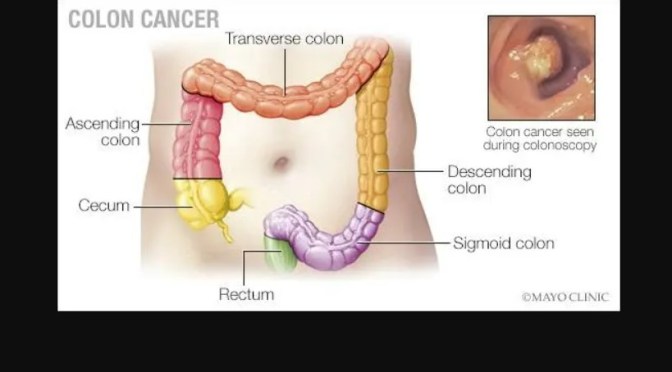
ANSWER: Colon cancer is one of the most common malignancies in the U.S., with more than 100,000 new cases diagnosed each year. Over a lifetime, it is estimated that 1 in 23 men and 1 in 26 women will be diagnosed with colon cancer. Typical colon cancers start as a polyp-like growth in the inside layer of the colon, which can be seen during a colonoscopy. Most cancer organizations recommend starting colonoscopy screenings at age 45.
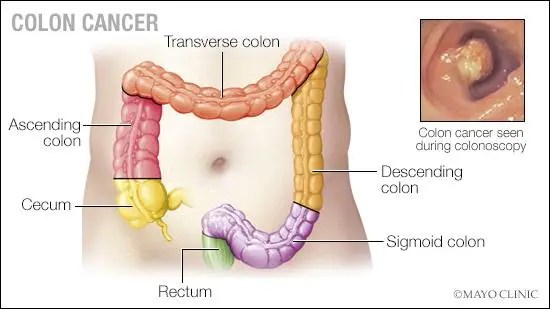
When the treatment team is concerned about achieving negative margins, or removing the entire tumor with an edge of normal tissue around the specimen, intraoperative radiation therapy may be considered. Intraoperative radiation therapy rarely is used for colon cancer, but, when necessary, the area of concern is directly targeted with a single fraction of radiation during surgery. 

When a mass is found during a colonoscopy or cancer is suspected, biopsies are taken and reviewed by a pathologist. In this scenario, most patients are asymptomatic. Without preventive colon cancer screenings, a tumor may grow to an advanced stage before it causes any symptoms that a patient or health care professional would recognize. The most common signs and symptoms of colon cancer are anemia, which may lead to fatigue; abdominal pain; blood in the stool or other bowel changes; weight loss; and signs of obstruction.

Once colon cancer is diagnosed, the next step is a staging examination. This involves a history and physical examination; blood work; confirmation that a full colonoscopy has been performed; and CT scans of the chest, abdomen and pelvis. The results of these tests will allow your health care professional to assign a clinical stage. In stages 1 and 2, the tumor remains in the colon wall with no evidence that it has spread further. With stage 3, there is concern that the tumor cells have spread to the regional lymph nodes, and in stage 4 colon cancer, the tumor cells have spread outside of the local area to other organs  most commonly the liver, lungs or peritoneum.

Surgery is the mainstay of treatment for stages 1, 2 and 3 disease and is usually the first step in the treatment process. The segment of the colon bearing the tumor is removed, along with the draining lymph nodes. The ends of the intestine are reconnected, and the specimen is sent to the pathologist who then performs a histologic examination of the colon and the associated lymph nodes. The pathologist will assign a final pathologic stage to the tumor, which will dictate the need for any additional treatment.

Treatments: Hyperbaric Oxygen Therapy Benefits For Ulcerative Colitis

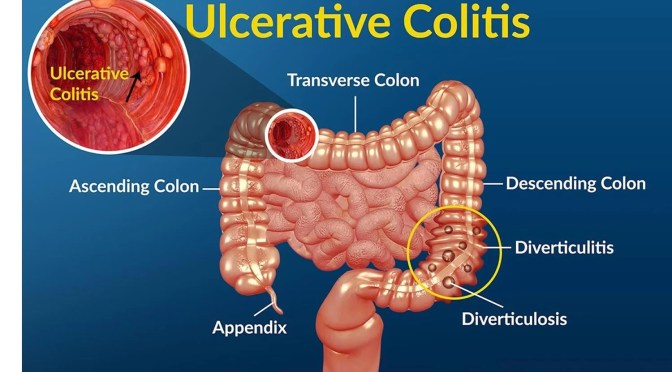
Northwestern Medicine (March 21, 2023) – Parambir Dulai, MD, is studying the use of hyperbaric oxygen therapy to treat severe ulcerative colitis. The treatment delivers oxygen into the tissues to promote healing.

What Is Ulcerative Colitis?

Ulcerative colitis is an inflammatory bowel disorder that affects the large intestine and rectum, causing bleeding. This chronic condition impacts more than 900,000 Americans. It can begin at any age, but it often starts in young adulthood. Older men are more likely to be diagnosed than older women.

There is no cure for ulcerative colitis, but with treatment, the majority of patients can be symptom-free for long periods of time.

READ MORE

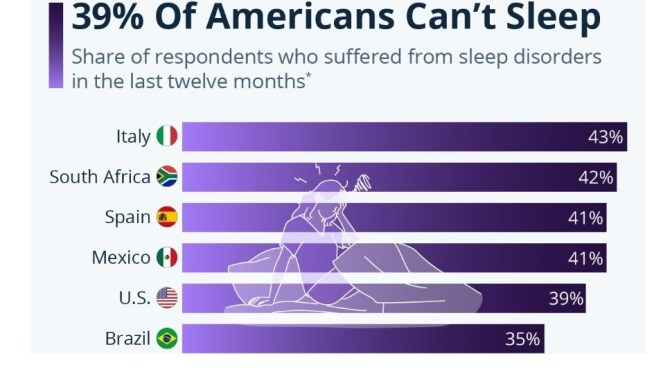
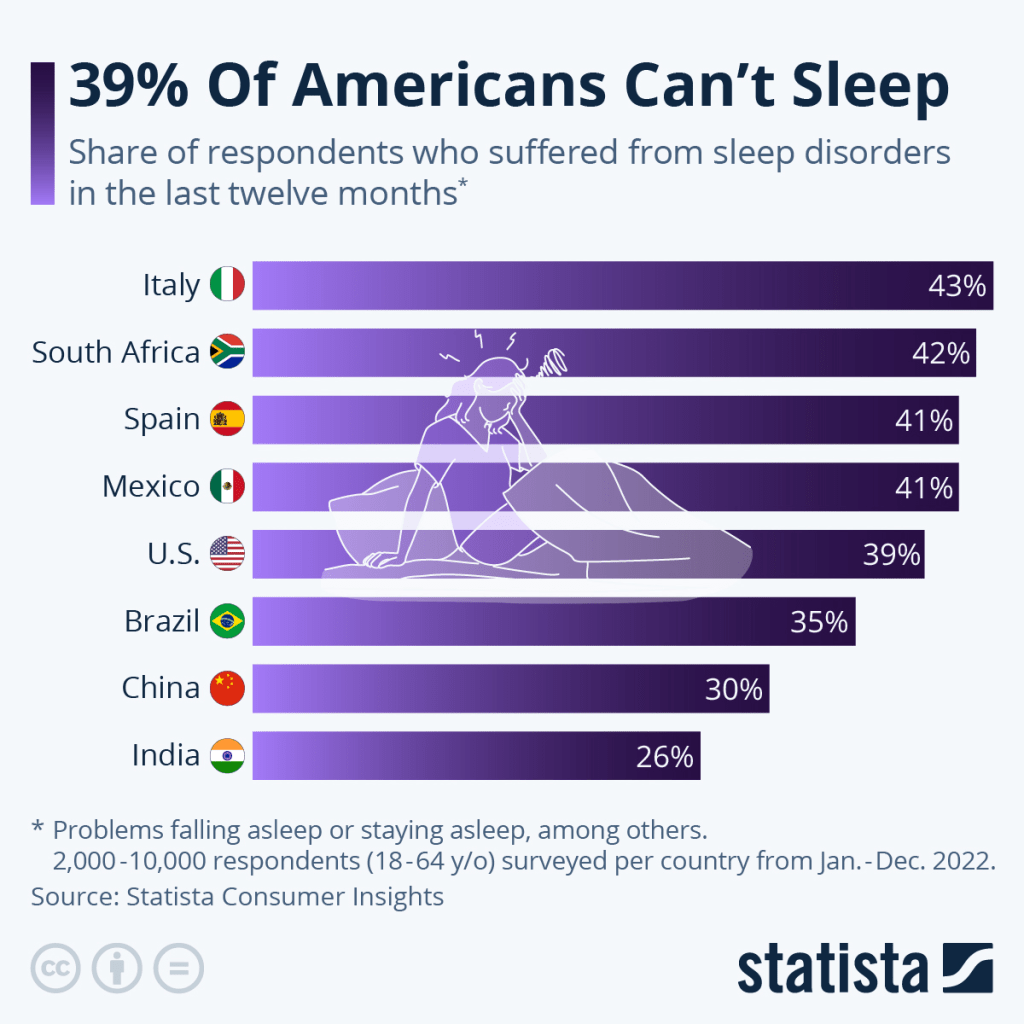
Studies: 39% Of Americans Suffer Sleep Disorders

This Friday, March 17, is World Sleep Day, an annual event that aims to raise awareness of the importance of getting a good night’s sleep. This year’s campaign tagline is “Sleep is essential for health.” According to a study by the American College of Cardiology, up to 8 percent of deaths from any cause could be attributed to “poor sleep patterns”, while those with healthier sleep habits are less likely to die prematurely.

Data from Statista Consumer Insights shows that in the United States, 39 percent of respondents said they had suffered from a sleep disorder (problems falling asleep or staying asleep, insomnia, etc.) in the 12 months prior to the survey. Italians were among the worst sleepers in the survey at 48 percent reporting a sleep disorder, while India registered a higher share of good sleepers, with only 26 percent suffering from poor sleep.

BMJ: Why ‘Frailty’ Impacts Cardiovascular Disease

March 2023: In this episode of the Heart podcast, Digital Media Editor, Professor James Rudd, is joined by Dr Chris Wilkinson from Hull York Medical School and the James Cook hospital, UK. They discuss the concept of frailty and why it’s an important concept in cardiology.

Neurology: What Are Cluster Headaches? (BMJ)

The prevalence of cluster headache is about one in 500. In people coming to a headache clinic, the prevalence is about 10%.

Cluster headaches are excruciating and incapacitating, and affect quality of life. Prompt diagnosis and treatment can make a big difference to the outcome – so it is vital that we get the diagnosis and management of this condition right.

In this BMJ Best Practice podcast on cluster headache, Kieran Walsh talks with Professor Amaal Starling, Associate Professor of Neurology at the Department of Neurology in the Mayo Clinic.

Further resources: clusterbusters.org/.

Kidney Failure Reviews: The History Of Dialysis

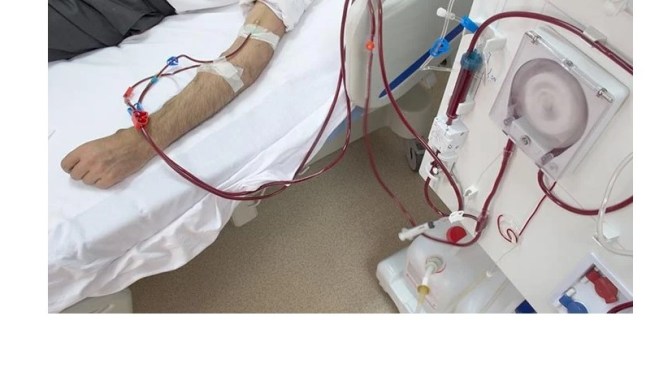
Cleveland Clinic (March 9, 2023) – Nephrologist Sevag Demirjian, MD takes you through the history of dialysis and explain discoveries and innovations along the way.

What is dialysis?

Dialysis is a treatment for people whose kidneys are failing. When you have kidney failure, your kidneys don’t filter blood the way they should. As a result, wastes and toxins build up in your bloodstream. Dialysis does the work of your kidneys, removing waste products and excess fluid from the blood.

Who needs dialysis?

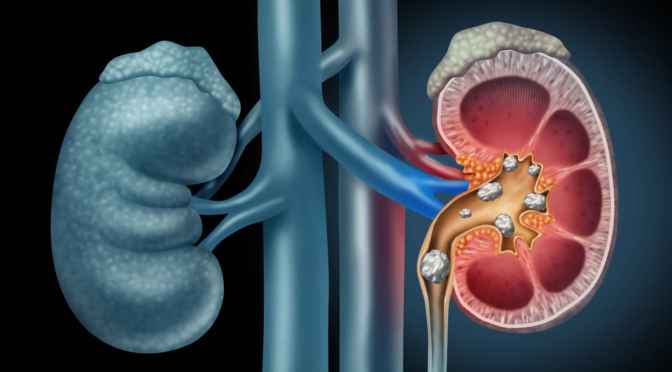
People who have kidney failure, or end-stage renal disease (ESRD), may need dialysis. Injuries and conditions like high blood pressurediabetes and lupus can damage kidneys, leading to kidney disease.

Some people develop kidney problems for no known reason. Kidney failure can be a long-term condition, or it can come on suddenly (acute) after a severe illness or injury. This type of kidney failure may go away as you recover.

There are five stages of kidney disease. In stage 5 kidney disease, healthcare providers consider you to be in end-stage renal disease (ESRD) or kidney failure. At this point, kidneys are carrying out around 10% to 15% of their normal function. You may need dialysis or a kidney transplant to stay alive. Some people undergo dialysis while waiting for a transplant.

READ MORE

Chronic Kidney Disease: New Medication Review

Mayo Clinic (March 6, 2023) – About 15% of adults in the U.S. are estimated to have chronic kidney disease — that’s about 37 million people.

What if those people could be treated with medication that could slow the progression of their disease, and help avoid the need for dialysis and kidney transplantation altogether?

Dr. Naim Issa, a Mayo Clinic transplant nephrologist says there is a class of medications to help people with chronic kidney disease that does just that. He says Mayo Clinic has been incorporating these medications to help patients for the last few years.

March 9 is World Kidney Day, a day aimed at raising awareness about the importance of the kidneys.

READ MORE