

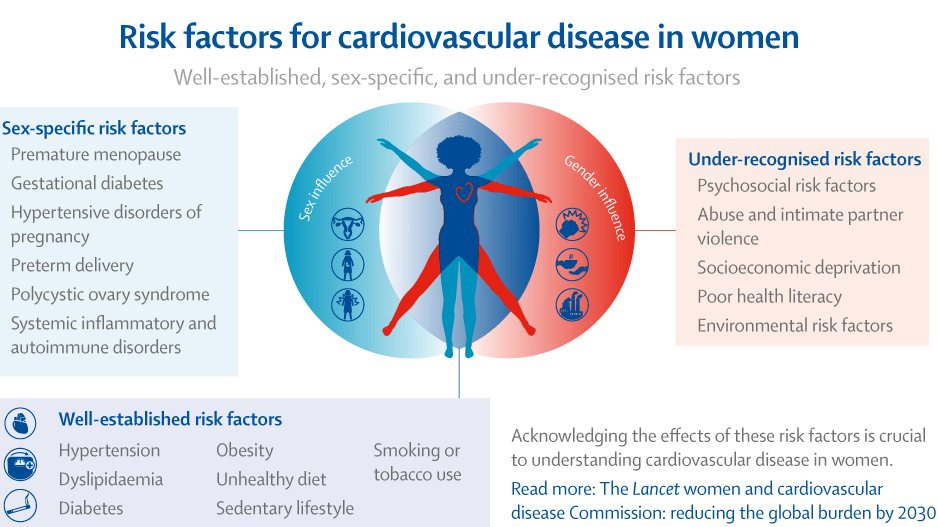
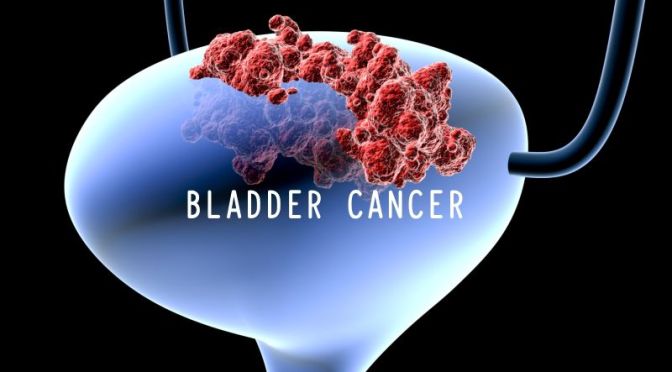
Bladder cancer is the fourth most common cancer in men, after prostate, lung, and colorectal cancer. A man has about one chance in 27 of getting bladder cancer during his life time. It is less common in women.

The urinary bladder is exposed, through the urine, to the waste products of the body. Cigarette smoking is the most common risk factor, and I suspect a lot of the chemicals that are in our environment could be suspected, like the delicious smoky flavor of barbecued food.
Bladder cancer does not often run in families, but it seems to in mine. My father died of bladder cancer, and I have just been diagnosed with it. When it runs in families, FGFR 2 can sometimes be found in the genes.
Hematuria is the most common Presenting symptom, but there are few other marker symptoms that give Bladder cancer away; It has been called it “the silent killer”.
Cystoscopy Is the most sensitive test for bladder cancer, and is not a painful examination in the hands of a good urologist.
In my opinion, cystoscopy should be used as a reasonable screening test to pick up bladder cancer at an early stage, when it is more treatable.
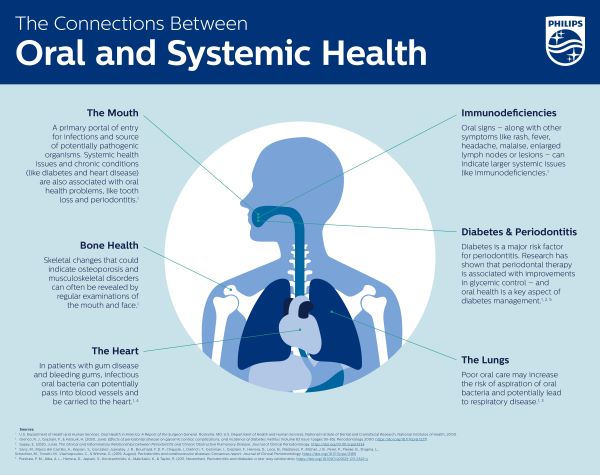
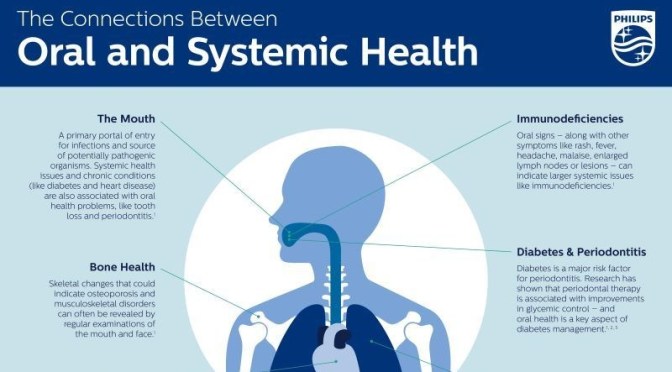
People today want to be more in control of their own health and are more attuned to getting the support and information they need online, from apps, and from connected products. Yet there are gaps in both their knowledge and daily commitment to good oral hygiene, and they need help along the way. Depending on lifestage, patient’s oral health concerns can evolve from plaque removal and aesthetics to larger concerns around gum health and disease. Too often, by the time they begin thinking about gum health, it’s too late. Multiple studies have revealed linkages between periodontal diseases and certain systemic diseases, such as diabetes, heart disease and kidney disease [4][5][6].
Prevention is key. Along with professional deep cleaning, good daily brushing and interdental cleaning are critical. It’s also important for patients to have regular conversations with their dentist about oral health issues and the linkage to their overall health.
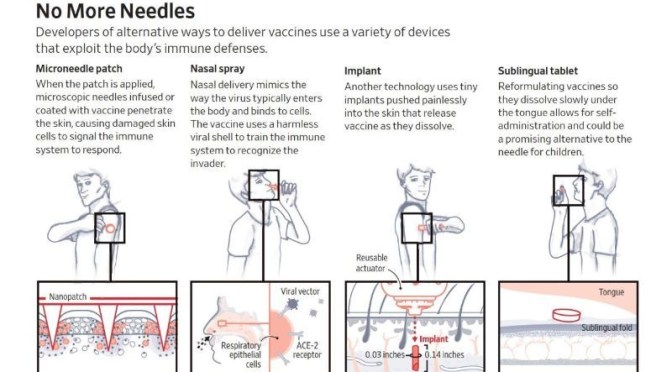
Technologies in development for delivering vaccines include Enesi’s dissolving implants, microneedle patches, electrical-pulse systems, nasal sprays and even pills.
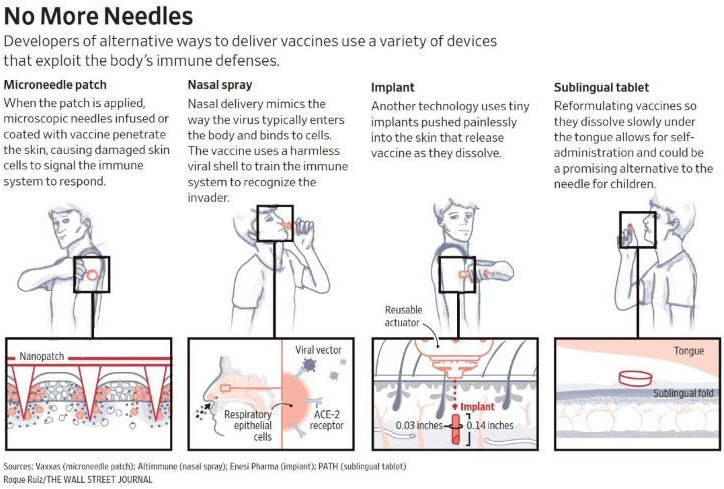
Some firms are developing their own vaccines against Covid-19, while others are aiming to reformulate some of the dozens already in development or being rolled out world-wide. Some are sitting this pandemic out in the hope of being ready for the next one.
All are in the early to mid-stages of development and clinical testing, suggesting it might be months if not years before they come to market. Big pharmaceutical companies have so far shown limited interest.




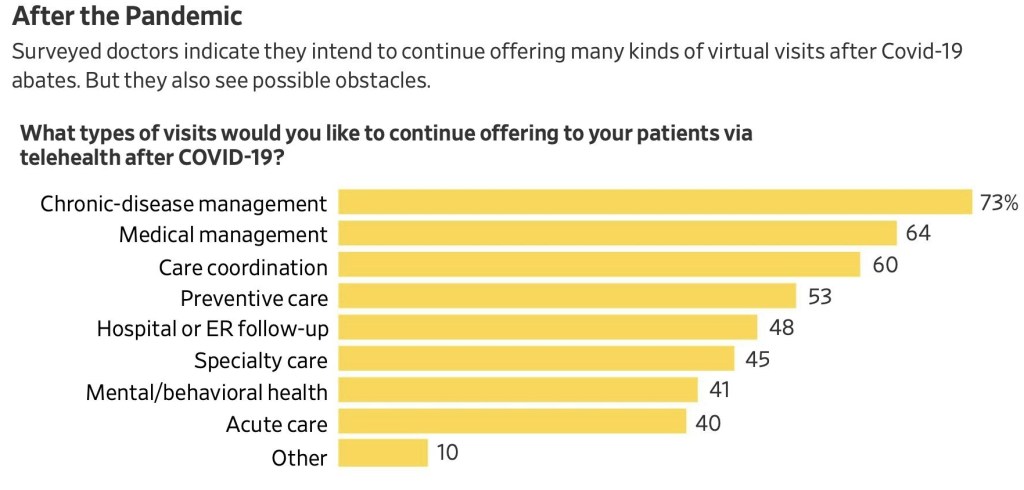
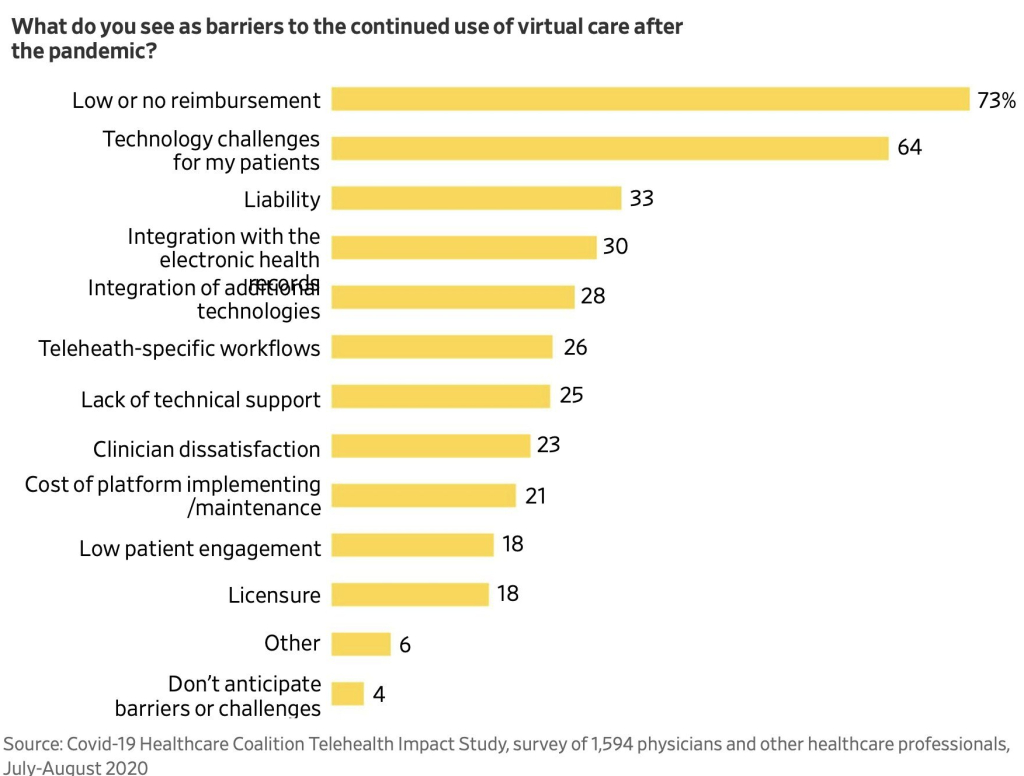

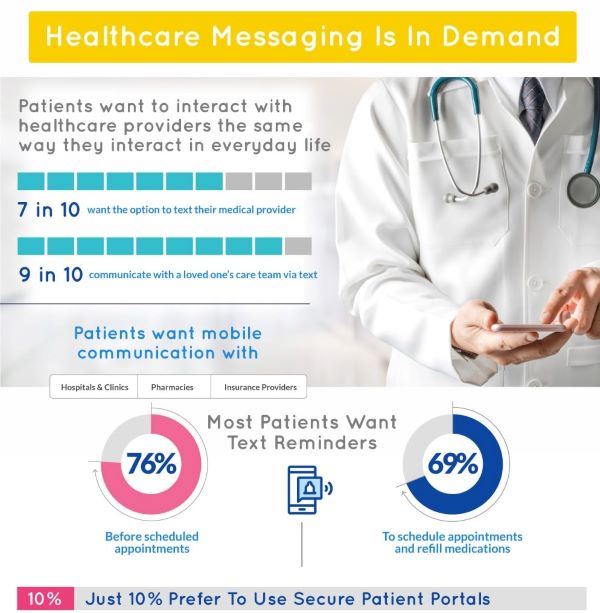
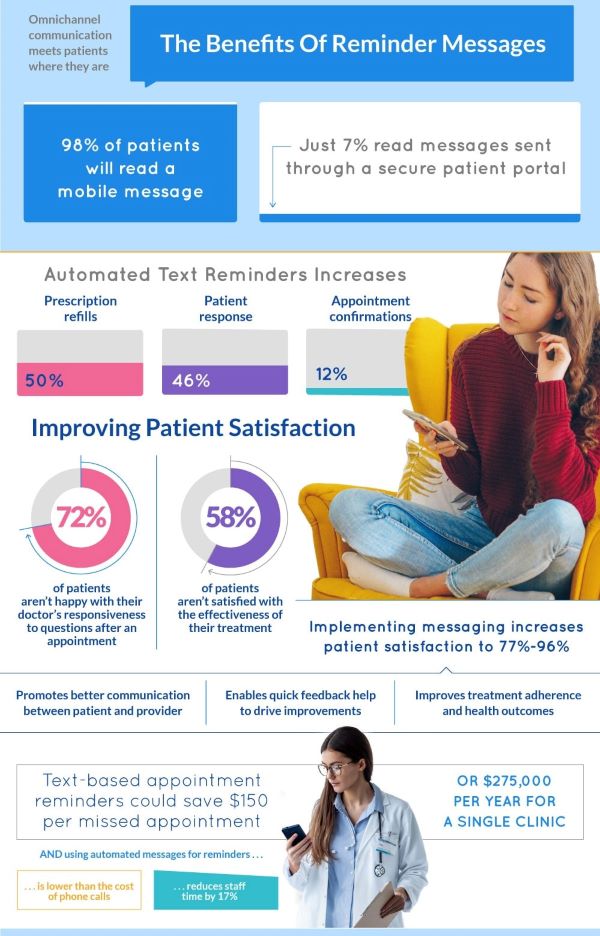
 Doctors Without Waiting Rooms