
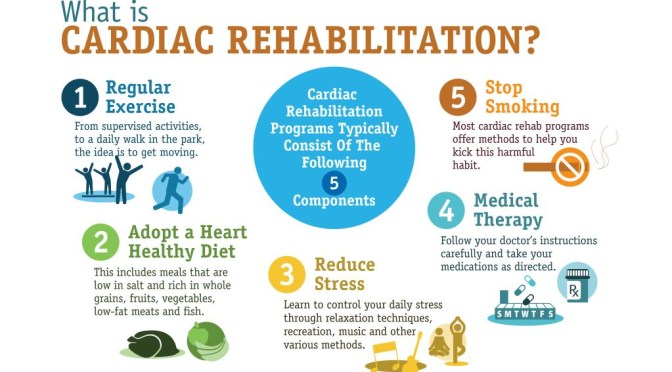
Ever wondered what it might be like to have your own personal coach to help you live a healthier life? In many ways, this is what cardiac rehab (#cvRehab) programs do for people recovering from certain heart-related conditions and procedures 👉 https://t.co/onuN586B9h pic.twitter.com/pDEqBpLOfh
— CardioSmart (@CardioSmart) July 13, 2021
Tag Archives: Cardiovascular Disease
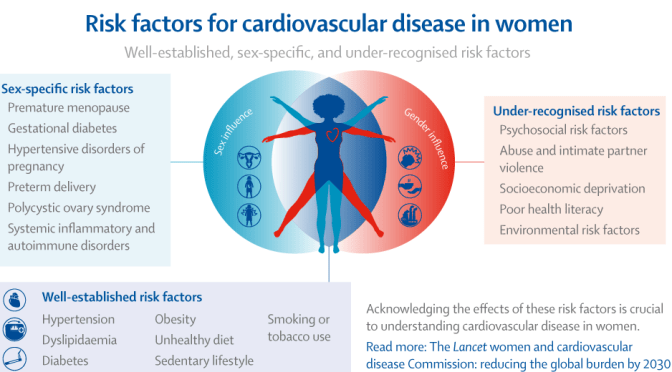
Health: Risk Factors For Cardiovascular Disease In Women (Infographic)
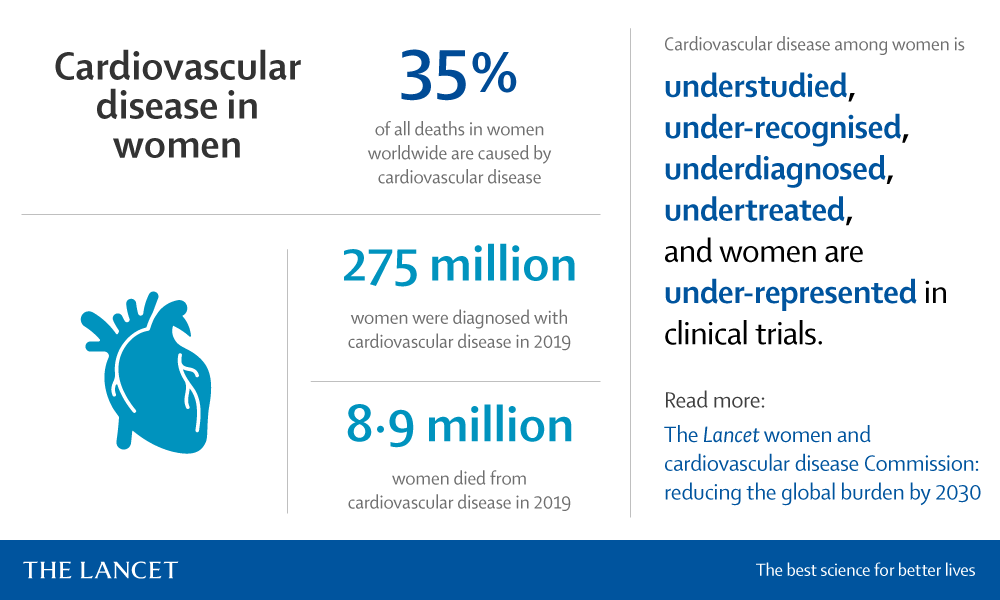
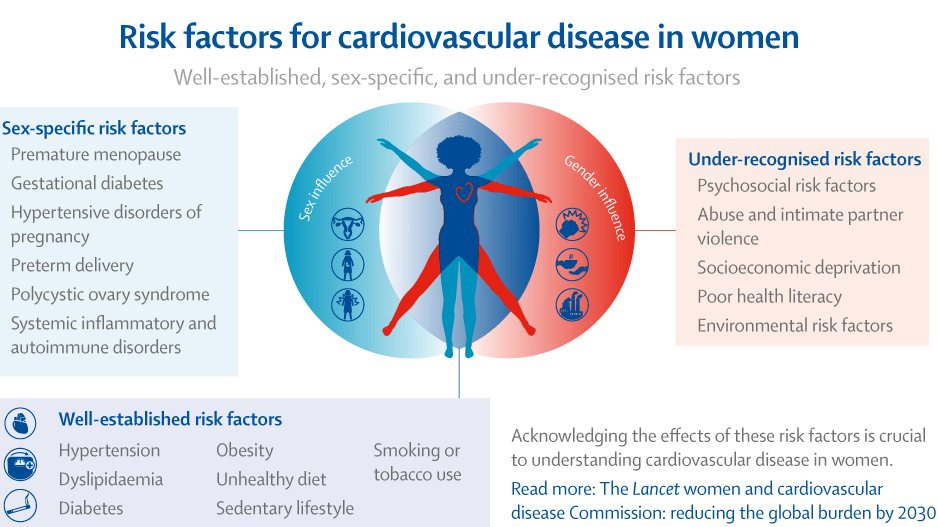
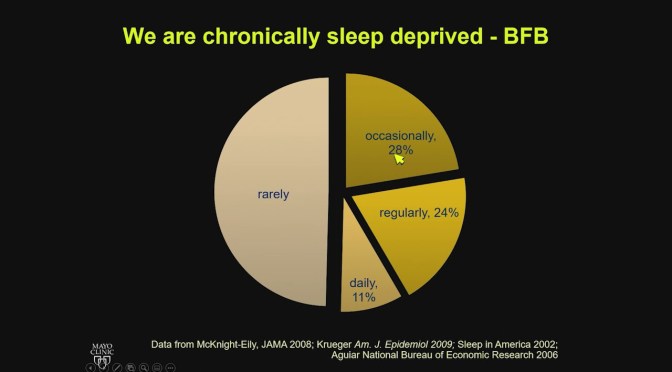
MEDICINE: ADEQUATE SLEEP & CARDIOVASCULAR HEALTH
Mayo Clinic Division of Preventive Cardiology will be preparing a series of recordings focusing on Cardiovascular Disease states. This is the Sleep Series and this particular one focuses on what is adequate sleep and does it benefit Cardiovascular Health.
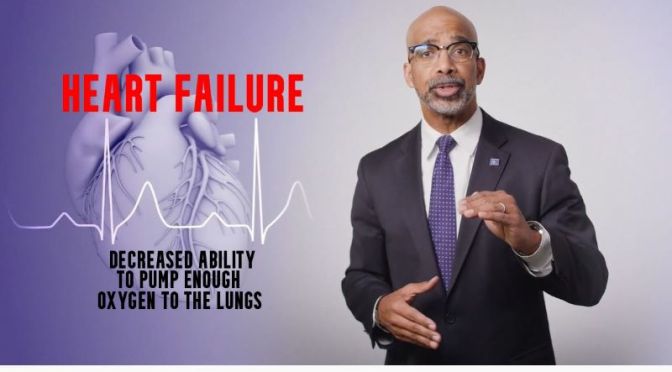
Heart Failure: ‘What It Is & How To Treat It’ (Video)
The heart is a hero. It works relentlessly to deliver oxygen and nutrients to the body. But just like all heroes, sometimes it gets tired, and can’t do its job as well. This is called heart failure – the inability for the heart to pump enough blood and oxygen to the lungs and rest of the body. In this video, Northwestern Medicine cardiologists Clyde W. Yancy, MD, MSc and Jane E. Wilcox, MD, MSc explain what heart failure is and the integrated and collaborative approach used to diagnose, stage and treat heart failure at Northwestern Medicine. For more information, visit http://heart.nm.org
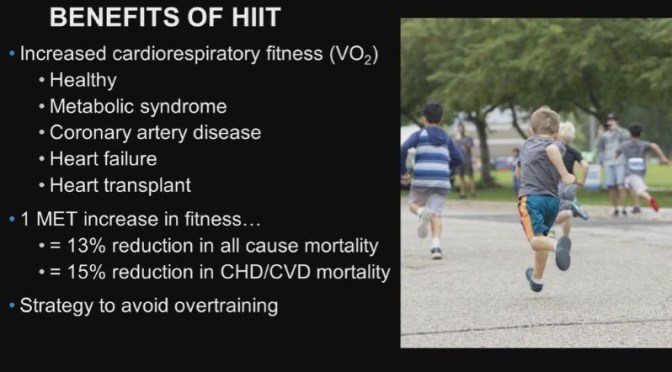
EXERCISE: BENEFITS OF HIIT (HIGH-INTENSITY INTERVAL TRAINING) – MAYO CLINIC
Mayo Clinic Division of Preventive Cardiology will be preparing a series of recordings focusing on Cardiovascular Disease states. This is the Exercise Series and this particular one focuses on HIIT and its benefits. Results in physiological adaptations linked to improved health (even with a very small volume of exercise).
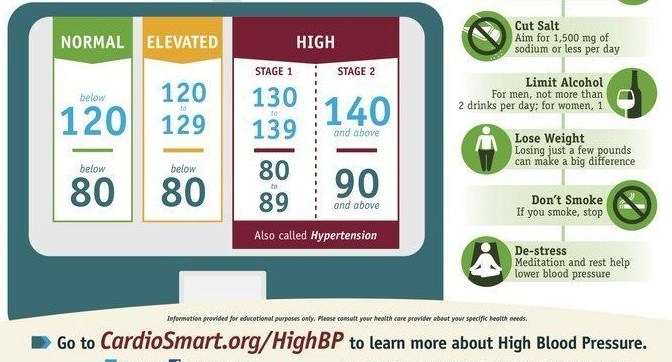
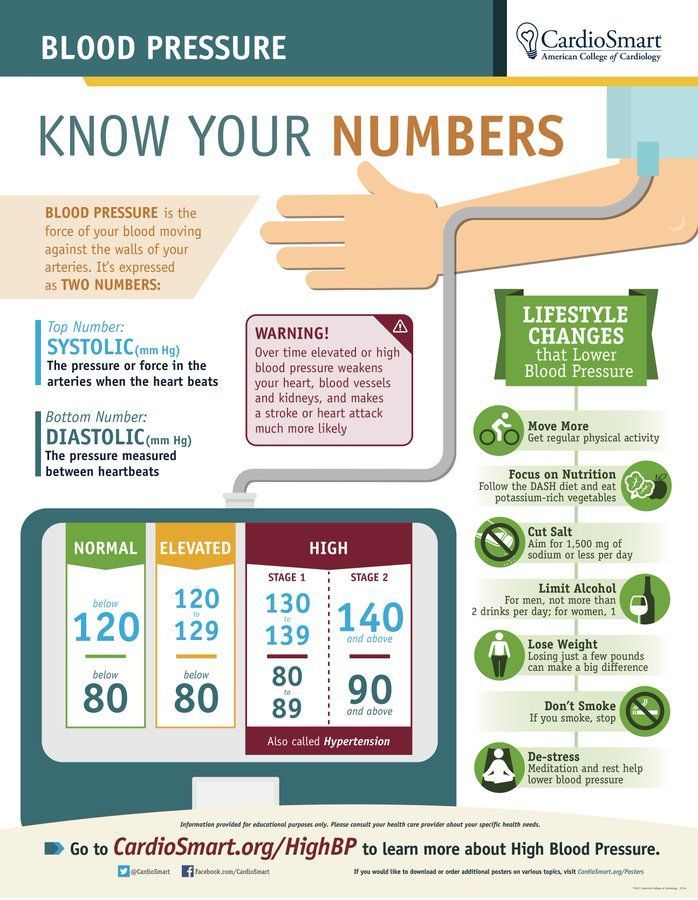
HEALTH: ‘BLOOD PRESSURE – KNOW YOUR NUMBERS’
STUDY: “ANTI-INFLAMATORY” DIET OF VEGETABLES, FRUITS, COFFEE & TEA LOWERS HEART DISEASE AND STROKE RISKS
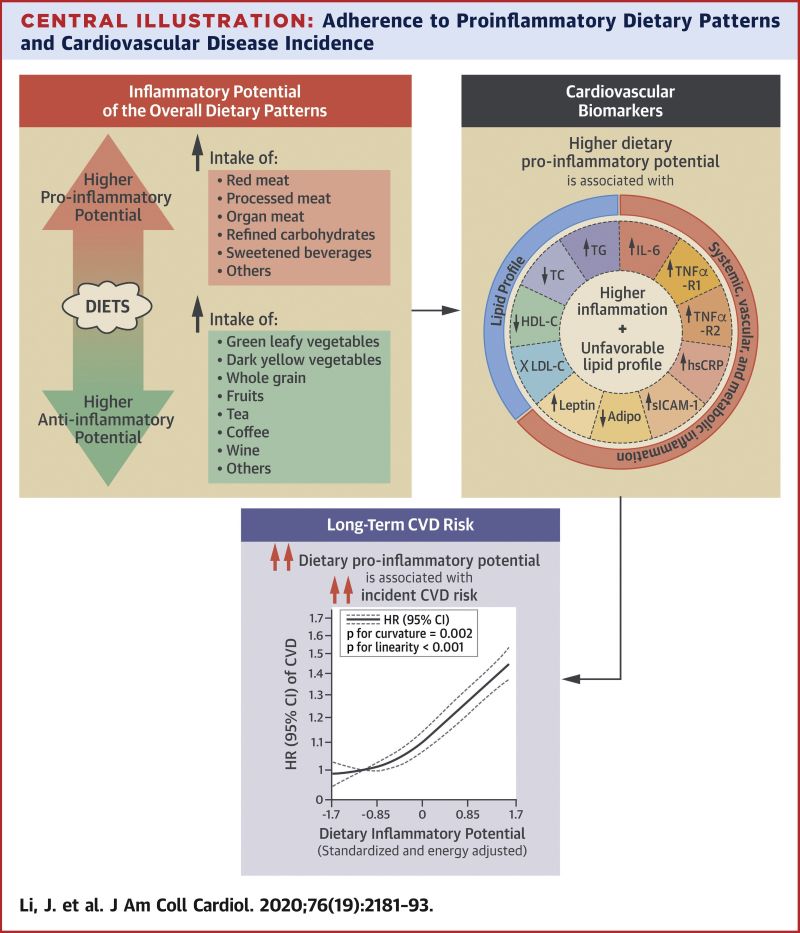
Dietary patterns with a higher proinflammatory potential were associated with higher CVD risk. Reducing the inflammatory potential of the diet may potentially provide an effective strategy for CVD prevention.
Background
Inflammation plays an important role in cardiovascular disease (CVD) development. Diet modulates inflammation; however, it remains unknown whether dietary patterns with higher inflammatory potential are associated with long-term CVD risk.
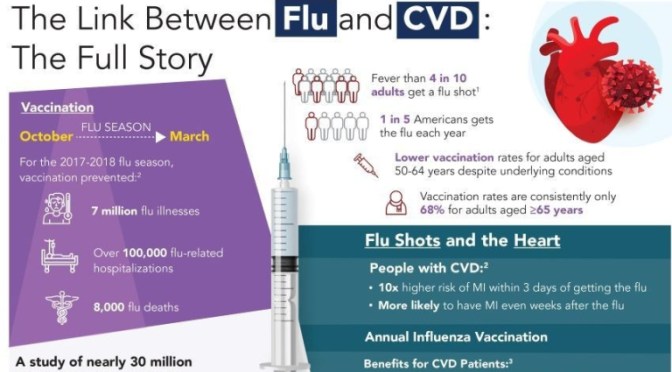
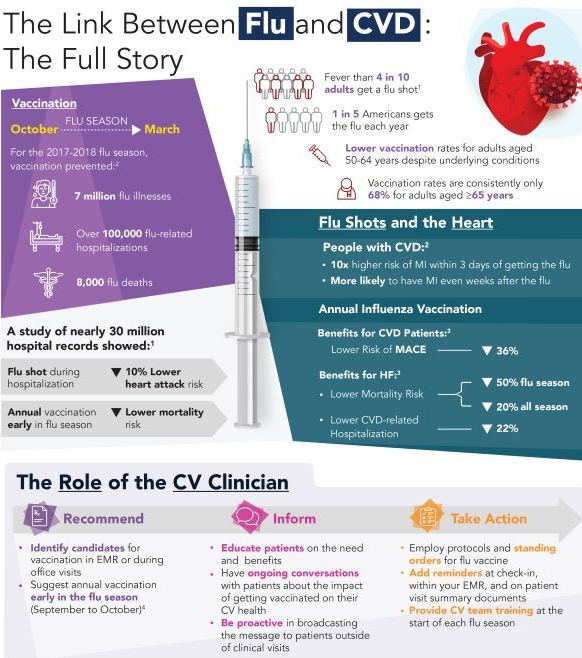
INFOGRAPHIC: ‘THE LINK BETWEEN FLU AND CVD’
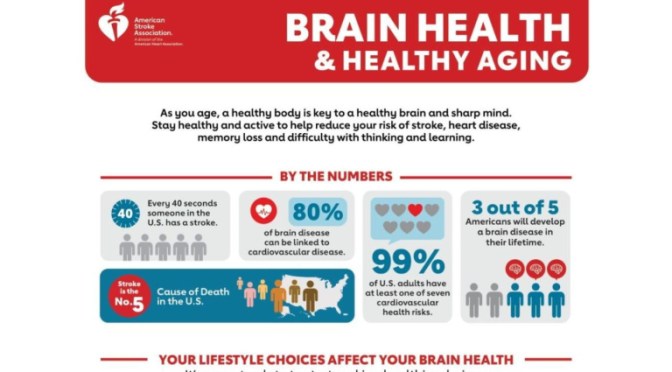
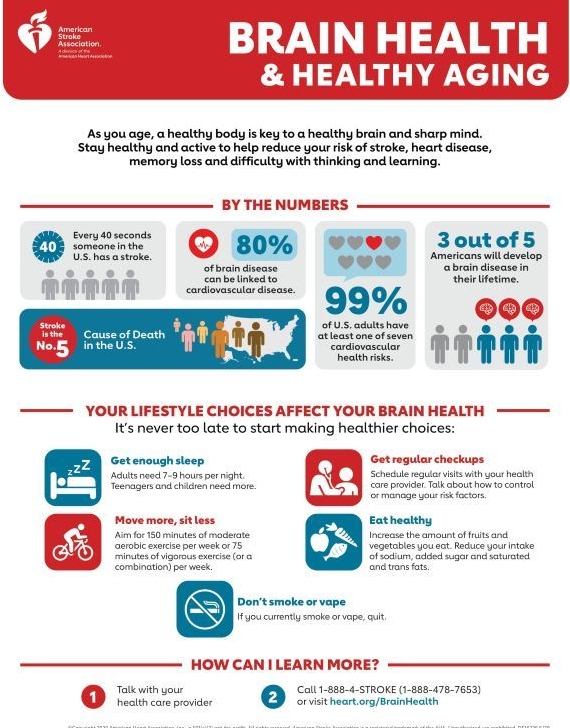
INFOGRAPHIC: BRAIN HEALTH, STROKES & HEALTHY AGING

HEALTH: NEW STUDIES FIND “COFFEE & CAFFEINE” LOWER HEART DISEASE, CANCER RISK
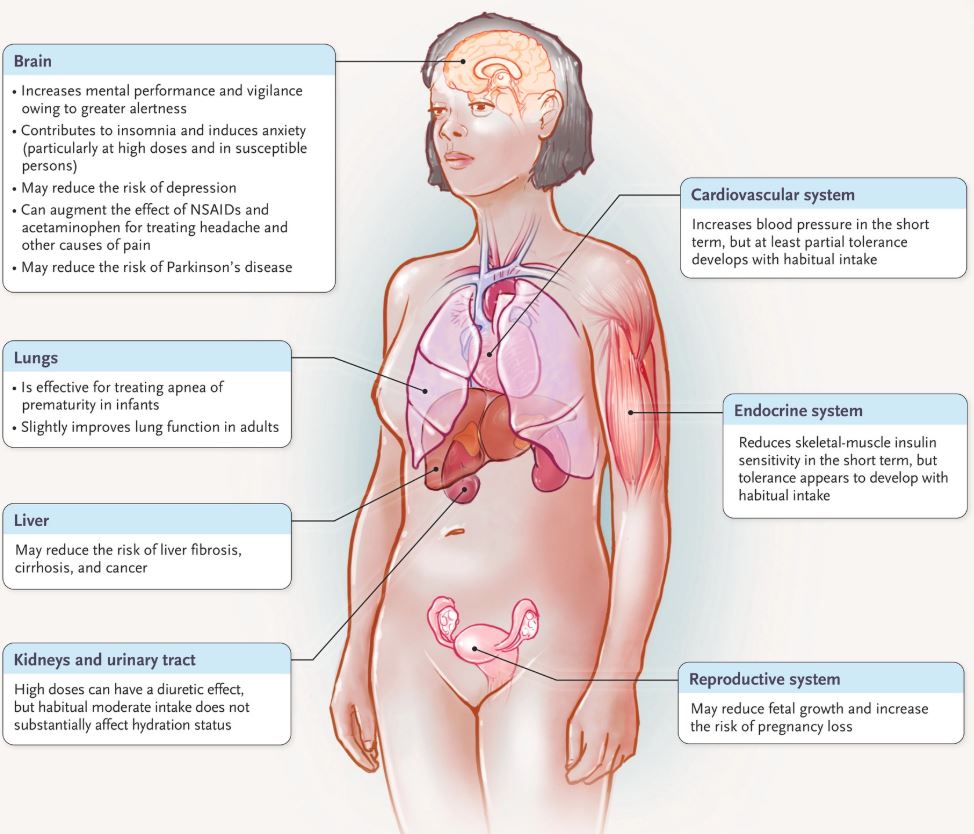
NEW ENGLAND JOURNAL OF MEDICINE (JULY 23, 2020): A large body of evidence suggests that consumption of caffeinated coffee, the main source of caffeine intake in adults in the United States, does not increase the risk of cardiovascular diseases and cancers. In fact, consumption of 3 to 5 standard cups of coffee daily has been consistently associated with a reduced risk of several chronic diseases.
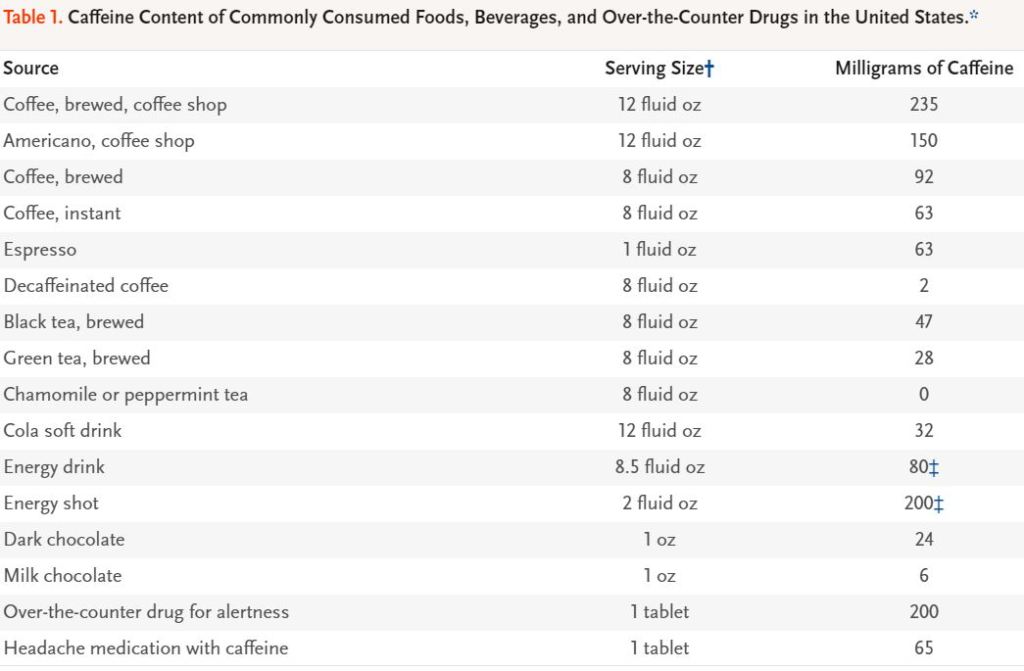
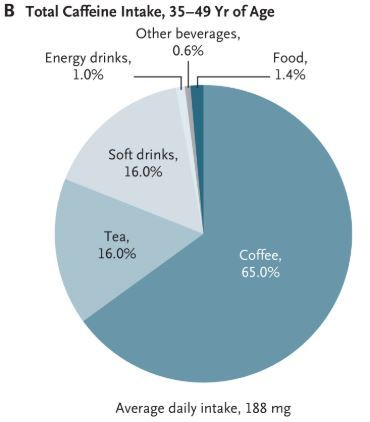
Coffee and tea have been consumed for hundreds of years and have become an important part of cultural traditions and social life.5 In addition, people use coffee beverages to increase wakefulness and work productivity. The caffeine content of commonly used sources of caffeine is shown in Table 1. For a typical serving, the caffeine content is highest in coffee, energy drinks, and caffeine tablets; intermediate in tea; and lowest in soft drinks. In the United States, 85% of adults consume caffeine daily,6 and average caffeine intake is 135 mg per day, which is equivalent to about 1.5 standard cups of coffee (with a standard cup defined as 8 fluid oz [235 ml]).7 Coffee is the predominant source of caffeine ingested by adults, whereas soft drinks and tea are more important sources of caffeine ingested by adolescents,
 Doctors Without Waiting Rooms