Tag Archives: April 2023

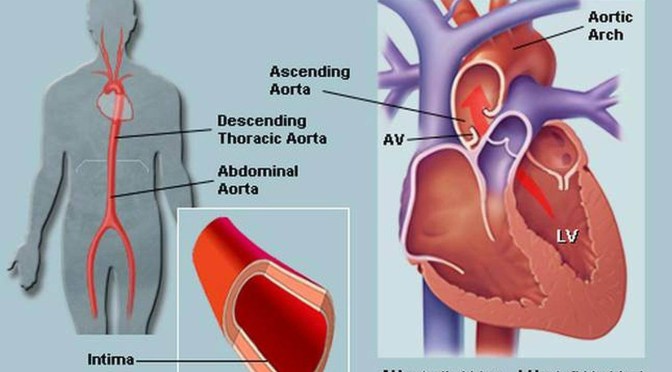
Heart Health: How The Aorta Functions (Yale)

Yale Medicine (April 29, 2023) – The aorta is a complex organ responsible for carrying blood to all organs and tissues in the body. Many disease conditions with catastrophic complications are associated with aortic pathologies, including aneurysm disease, aortic dissection, aortic ulcer and hematoma.

Care of patients with aortic diseases remains highly complex and requires the combined expertise of a multidisciplinary team of cardiovascular surgeons, neurologists, cardiac anesthesiologists, vascular surgeons, and specialized advanced practice providers.

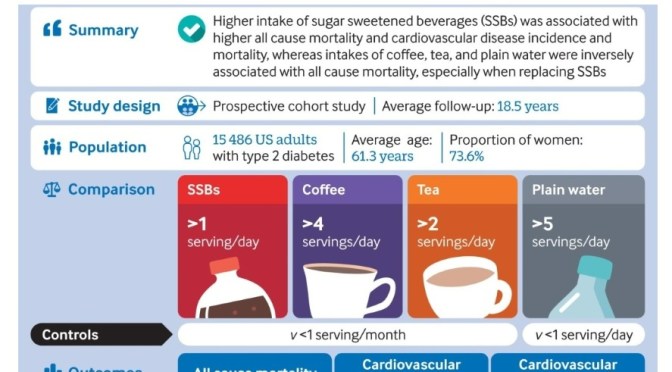
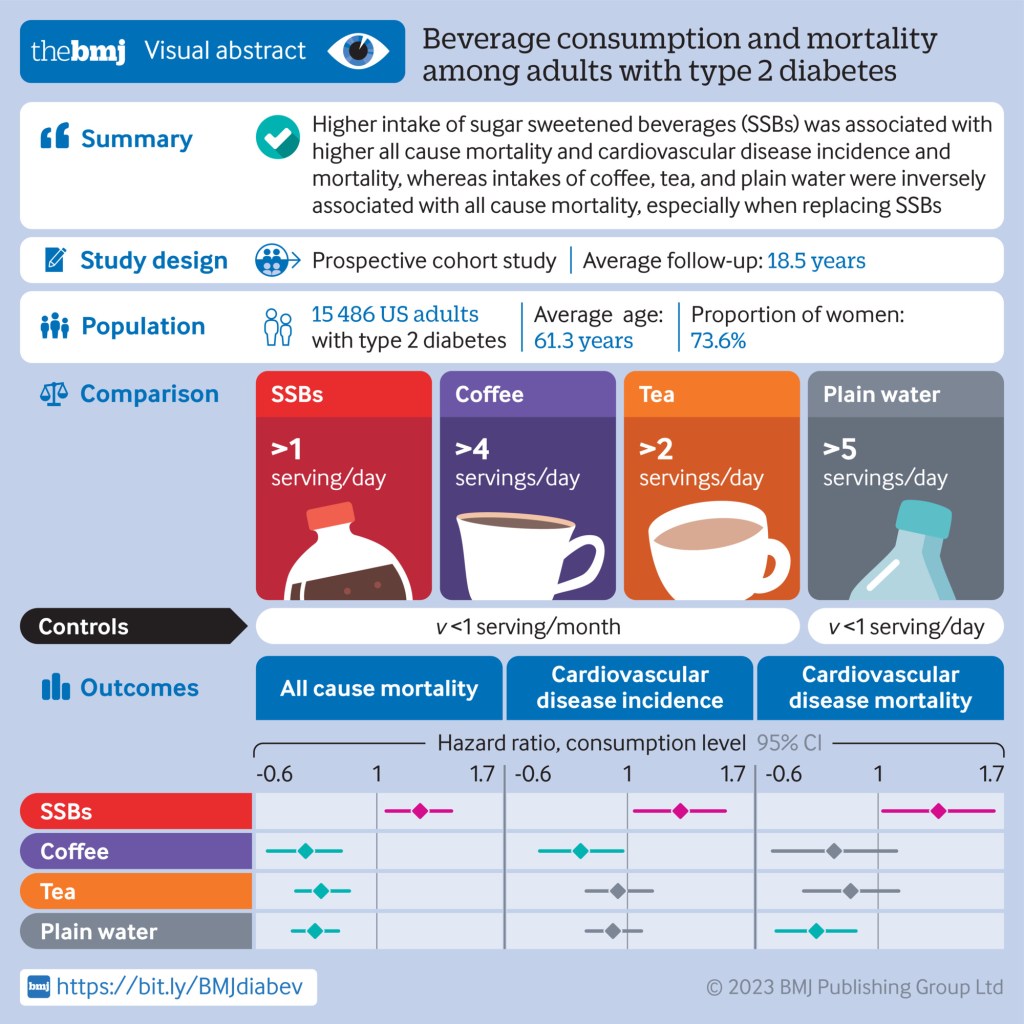
TYPE 2 DIABETES STUDIES: 65% HIGHER DEATH RATES WITH ‘SWEETENED DRINKS’

The BMJ (Published April 19, 2023) – 

Conclusions: Individual beverages showed divergent associations with all cause mortality and CVD outcomes among adults with type 2 diabetes. Higher intake of SSBs was associated with higher all cause mortality and CVD incidence and mortality, whereas intakes of coffee, tea, plain water, and low fat milk were inversely associated with all cause mortality. These findings emphasize the potential role of healthy choices of beverages in managing the risk of CVD and premature death overall in adults with type 2 diabetes.

READ COMPLETE BMJ RESEARCH STUDY

SHARE THIS:

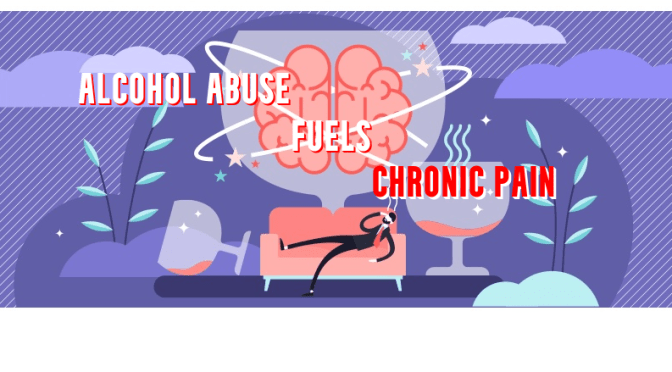
STUDIES: ALCOHOL ABUSE INCREASES CHRONIC PAIN

Scripps Research (April 21, 2023) – Chronic alcohol consumption may make people more sensitive to pain through two different molecular mechanisms—one driven by alcohol intake and one by alcohol withdrawal. That is one new conclusion by scientists at Scripps Research on the complex links between alcohol and pain.

The research, published in the British Journal of Pharmacology on April 12, 2023, also suggests potential new drug targets for treating alcohol-associated chronic pain and hypersensitivity.

“There is an urgent need to better understand the two-way street between chronic pain and alcohol dependence,” says senior author Marisa Roberto, PhD, the Schimmel Family Chair of Molecular Medicine, and a professor of neuroscience at Scripps Research. “Pain is both a widespread symptom in patients suffering from alcohol dependence, as well as a reason why people are driven to drink again.”

Alcohol use disorder (AUD), which encompasses the conditions commonly called alcohol abuse, alcohol dependence and alcohol addiction, affects 29.5 million people in the U.S. according to the 2021 National Survey on Drug Use and Health.  Over time, AUD can trigger the development of numerous chronic diseases, including heart disease, stroke, liver disease and some cancers.

READ MORE AT SCRIPPS RESEARCH

Research: The Digital Medicine Revolution

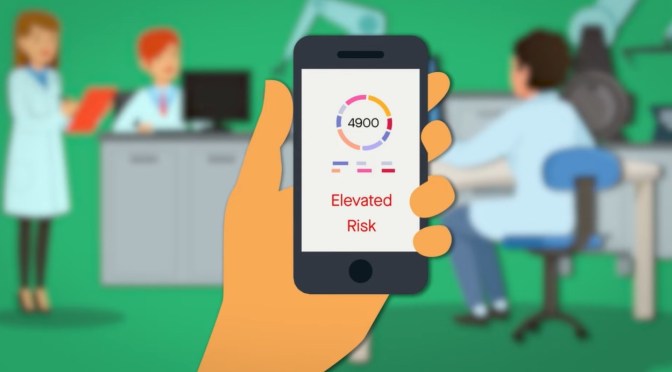
Scripps Research (April 11, 2023) – From smartwatches and fitness bands to glucose monitors and in-home ultrasounds, the proliferation of digital devices is igniting a revolution in healthcare and medical research.

Patients can now collect thousands of data points about themselves and share that information with their healthcare providers. At the Scripps Research Translational Institute, researchers are taking advantage of new technology to study disease in novel ways.

Their projects include a platform for early detection of disease outbreaks, a sleep quality study, and even a way to predict and individual’s risk of certain disease based on their genetics. In this video, hear directly from the team about this exciting new frontier.

READ MORE

Bipolar Disorder: How It Is Diagnosed & Managed

Cleveland Clinic (April 6, 2023) – About 5.7 million adults in the U.S. have bipolar disorder. The lifelong mental health condition, which includes four different types, is known for the maniac and depressive episodes someone experiences.

Chapters: 0:00 Intro 0:26 What is bipolar disorder? 0:50 What does a manic episode feel like? 1:18 What does a depressive episode feel like? 2:00 How to manage bipolar disorder

What is bipolar disorder?

Bipolar disorder (formerly known as manic-depressive illness or manic depression) is a lifelong mood disorder and mental health condition that causes intense shifts in mood, energy levels, thinking patterns and behavior. These shifts can last for hours, days, weeks or months and interrupt your ability to carry out day-to-day tasks.

There are a few types of bipolar disorder, which involve experiencing significant fluctuations in mood referred to as hypomanic/manic and depressive episodes. However, people with bipolar disorder aren’t always in a hypomanic/manic or depressive state. They also experience periods of normal mood, known as euthymia.

READ MORE at Cleveland Clinic

REPORTS: TUFTS HEALTH & NUTRITION – APRIL 2023

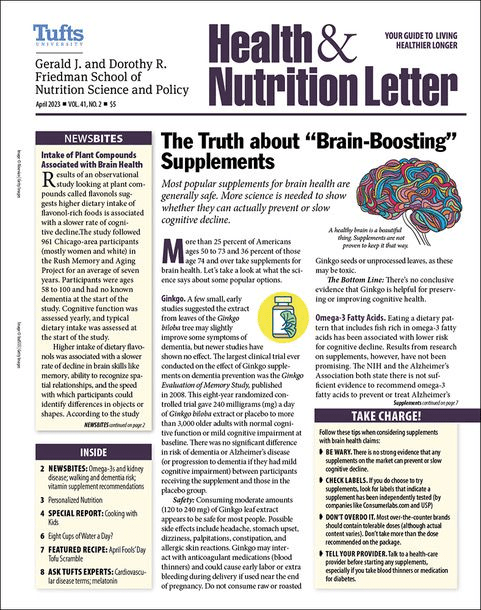
Tufts Health & Nutrition Letter (April 2023):

  • The Truth about “Brain-Boosting” Supplements
  • News Bites
  • Personalized Nutrition
  • Special Report: Cooking with Kids
  • Eight Cups of Water a Day?
  • Featured Recipe: April Fools’ Day Tofu Scramble
  • Ask Tufts Experts: Cardiovascular Disease; Melatonin