
Tag Archives: Alzheimer's Disease

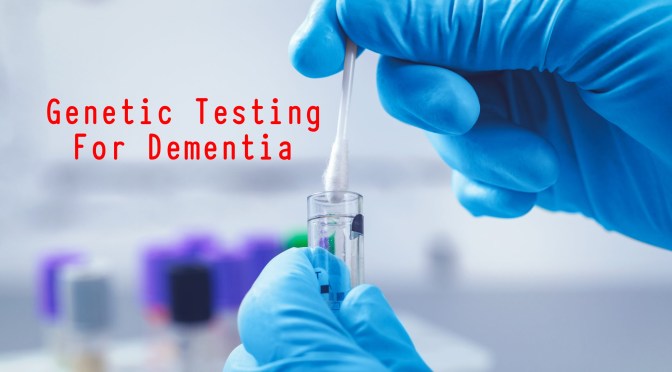
Dementia: What Are The Benefits of Genetic Tests?

AlzheimersResearch UK (February 28, 2023) – In this video, Prof Nick Fox, Director of the Dementia Research Centre at UCL (and specialist in familial Alzheimer’s disease) answers frequently asked questions about getting a genetic test for dementia.

Video timeline: 0:00 Start 0:01 #1.What is the difference between dementia risk genes and rare familial genes? 1:05 #2.Which genes are tested for? 1:45 #3.What happens in families with directly inherit dementia? 3:20 #4.What are the common misconceptions? 4:14 #5.Do I need to know which gene runs in my family? 9:50 #6.How do I get a genetic test for dementia? 11:09 #7.What if my doctor won’t refer me for the test? 11:56 #8.Will getting my results affect my life insurance or mortgage?

Having a test to look for a faulty gene that causes dementia is only appropriate for a very small number of people. This is because only around one in 100 cases of dementia are directly inherited. In these cases, there is an obvious pattern of a parent passing it on to their child (or children) throughout every generation of a family, often developing symptoms in their 40s and 50s.
Research: ‘Rejuvenating The Aging Brain’ (Scripps)

REJUVENATING THE AGING BRAIN

As humans live longer, they’re at increased risk of developing devastating NEURODEGENERATIVE diseases, such as Alzheimer’s—in a treatment landscape with few options and little hope. At Scripps Research, scientists are closer than ever to understanding how these diseases harm the brain and identifying possible drugs to stop them.

“This early preclinical work may identify proteins that protect against cognitive loss. We know it’s a long path to get to a drug, but we’re creating the foundation. We know there’s an entire landscape of potential molecular interactions that maintain healthy synapses, and any of these proteins could be a drug target.”— Hollis Cline, PhD

Technology: How AI Can Improve Diagnostics (GAO)

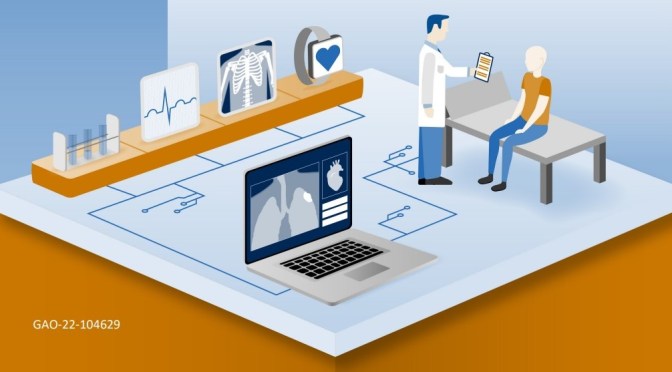
Each year, medical diagnosis errors affect the health of millions of Americans and cost billions of dollars. Machine learning technologies can help identify hidden or complex patterns in diagnostic data to detect diseases earlier and improve treatments.

Several machine learning (ML) technologies are available in the U.S. to assist with the diagnostic process. The resulting benefits include earlier detection of diseases; more consistent analysis of medical data; and increased access to care, particularly for underserved populations. GAO identified a variety of ML-based technologies for five selected diseases

  • Certain cancers,
  • Diabetic retinopathy,
  • Alzheimer’s disease,
  • Heart disease,
  • COVID-19

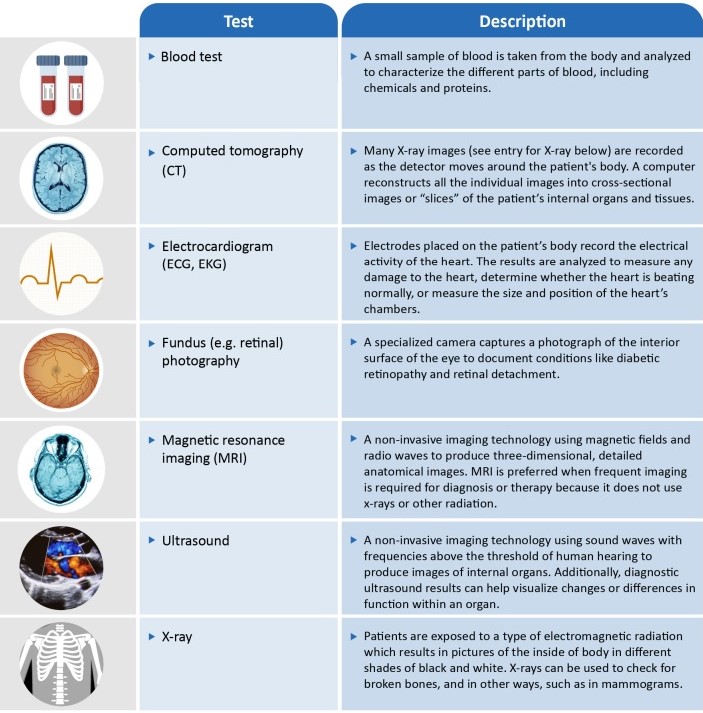
Most technologies relying on data from imaging such as x-rays or magnetic resonance imaging (MRI). However, these ML technologies have generally not been widely adopted.

Read more

AGING: HOW BIOMARKERS HELP DIAGNOSE DEMENTIA

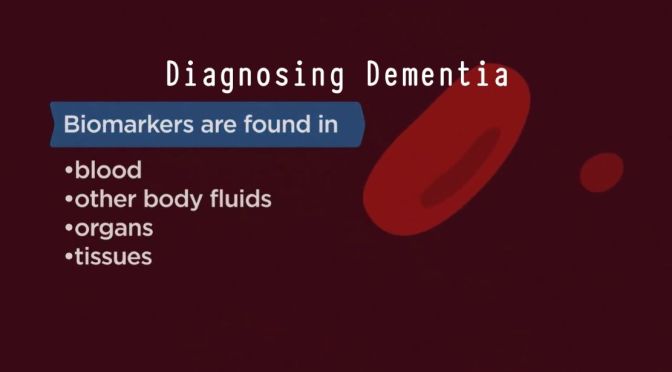
Biomarkers are measurable indicators of what’s happening in your body. They can be found in blood, other body fluids, organs, and tissues, and can be used to track healthy processes, disease progression, or even responses to a medication. Biomarkers are an important part of dementia research.

Read more

Brain Health: Endurance Exercise Raises Cognition