After surveying almost 800 gastroenterology and hepatology patients and their physicians at Penn Medicine, 67 percent of both viewed their video and telephone appointments held during the peak of the COVID-19 pandemic as positive and acceptable substitutes to in-person appointments.
From March 16 to April 10, 2020, 94 percent of gastroenterology and hepatology appointments at Penn Medicine were performed using telemedicine in order to mitigate risks of COVID-19 spread while continuing to advance care as patients self-isolated at home. A telemedicine visit meant either a video visit (similar to FaceTime or Skype) or one via phone in which clinicians largely performed routine and non-urgent care.
On a Friday afternoon last summer, a patient, “Barb,” texted me: “Call me. I can’t breathe.” As a heart failure nurse serving rural patients, getting messages like Barb’s launches my adrenaline. I called her immediately.
A month earlier, I’d trained Barb to send daily vital signs via my clinic’s digital portal—blood pressure, weight, heart rate, and oxygen saturation.
Barb was suffering from a congestive heart failure exacerbation: her lungs were filling with fluid. If we didn’t remove it, she’d need to be hospitalized or worse.
Once I was sure she wasn’t in emergency distress, I called the clinic’s cardiologist for instructions. Then I phoned Barb’s pharmacy and ordered a new diuretic to add to her regimen—a water pill so powerful in its fluid off-loading effect that I’ve nicknamed it the Bellagio. Within two hours, Barb had taken the pill and begun to urinate out the fluid flooding her lungs. By the next morning, she was breathing comfortably.
Without access to a telehealth program, Barb would probably have gone to the emergency room, then to the intensive care unit for expensive intravenous medications.
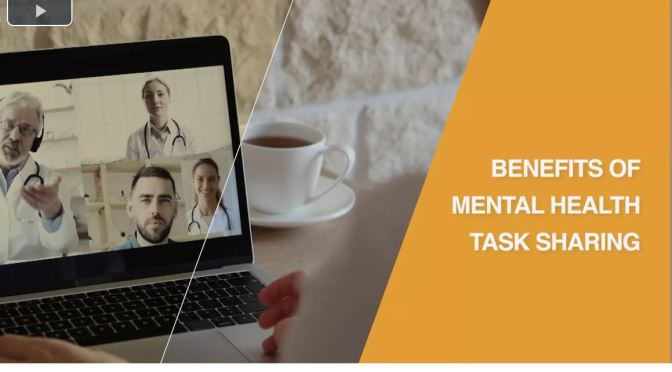
Lynsay Ayer, senior behavioral scientist with the RAND Corporation, describes how task sharing helps fill the need for more mental health care providers.
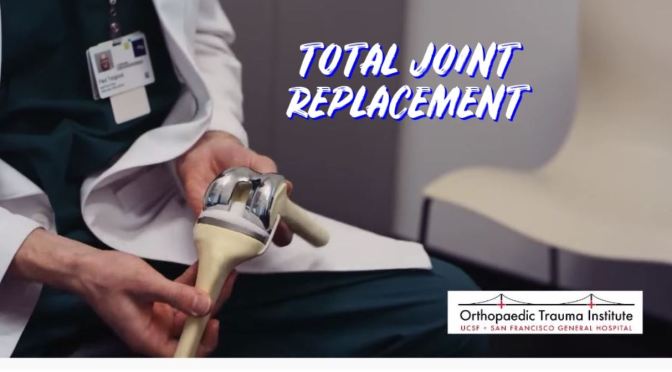
Hip and knee replacement are two of the most commonly performed operations in orthopedic surgery. UCSF orthopedic surgeon Dr. Paul Toogood takes a closer look at what Total Joint Replacement actually is, how it improves your quality of life, and what some of the considerations are when having this surgical procedure.
In fact, research on actual cases, as well as models of the pandemic, indicate that between 10 and 20 percent of infected people are responsible for 80 percent of the coronavirus’s spread.
Researchers have identified several factors that make it easier for superspreading to happen. Some of them are environmental.
Poorly ventilated indoor areas seem especially conducive to the virus’s spread – A preliminary analysis of 110 COVID-19 cases in Japan found that the odds of transmitting the pathogen in a closed environment was more than 18 times greater than in an open-air space.
Places where large numbers of people congregate – As a group’s size increases, so does the risk of transmitting the virus to a wider cluster. A large group size also increases the chance that someone present will be infectious.
The longer a group stays in contact, the greater the likelihood that the virus will spread among them – The benchmark used for risk assessment in her contact-tracing work is 10 minutes of contact with an infectious person, though the CDC uses 15 minutes as a guideline.
Some activities seem to make it easier to spread respiratory gunk – Speech emits more particles than normal breathing. And emissions also increase as people speak louder. Singing emits even more particles, which may partially explain the superspreader event at the Washington State choir practice. Breathing hard during exercise might also help the spread of COVID-19.
Outpatient Virtual Visits connect patients and health care providers to Dartmouth-Hitchcock specialists via scheduled outpatient TeleHealth visits. Outpatient Virtual Visits increase access to specialty care services for patients located in rural or underserved areas and improves the patient experience via more convenient access to specialty care with reduced travel. D-H Outpatient Virtual Visit services currently offered including specialty clinic appointments, direct-to-patient home visits and inpatient consultations.
TeleEmergency
TeleEmergencyprovides a board-certified emergency medicine physician and an experienced emergency nurse to join the bedside team, on-demand, 24/7. Using high-quality, two-way audio-video communication, the TeleEmergency team assists by whatever means requested, including nursing documentation, direct patient care, consultation, a second set of eyes, assistance with transfer coordination, acceptance, and/or transport.
TeleICN
TeleICN allows D-H Neonatologists to join your bedside team to serve the needs of you and your patients for a wide variety of diagnoses. Some babies require a higher level of care as they adjust to life outside of the mother’s body. The 24/7 support of ICN services helps keep patients and families closer to home by supporting clinical decision making and providing expert evaluations and recommendations. If a transfer is necessary, our specialized ICN team will assist in transporting that patient.
TeleICU
TeleICU provides experienced intensive care physicians and critical care nurses to augment, not replace, the bedside team. In addition, the service provides behind-the-scenes, high-level monitoring and sophisticated analytical algorithms to identifying concerning trends prior to patient deterioration. Not only does this result in decreased mortality and length of stay; it also allows more patients to get their ICU care close to home.
TeleNeurology
TeleNeurologyprovides board-certified neurologists on-demand 24/7 for Emergency Department and inpatient consultations. This includes not only stroke (including evaluation and recommendations, and assistance with tPA administration), but also assistance with other adult neurologic emergencies. This allows a lower cost coverage option for hospitals with limited or no neurologist access, improved tPA administration rates and decreased transfers.
TelePharmacy
TelePharmacyconnects hospitals to a team of dedicated pharmacists who can provide medication order review and processing as well as clinical consultation, allowing hospitals to optimize their internal staffing while remaining compliant with order review regulations. D-H TelePharmacy improves medication efficacy, patient safety and staff satisfaction while also supporting the integration of pharmacy delivery within hospital systems and/or regions, including protocols and order sets.
TelePsychiatry
TelePsychiatryenables prompt assessment and management of patients in the Emergency Department or inpatient setting for locations that do not have around-the-clock psychiatric coverage. Board-certified psychiatrists provide 24/7, on-demand assessments including expedited admit vs. discharge decisions, early management recommendations, and assistance with medication management, while improving the ultimate patient trajectory.
TeleUrgent Care
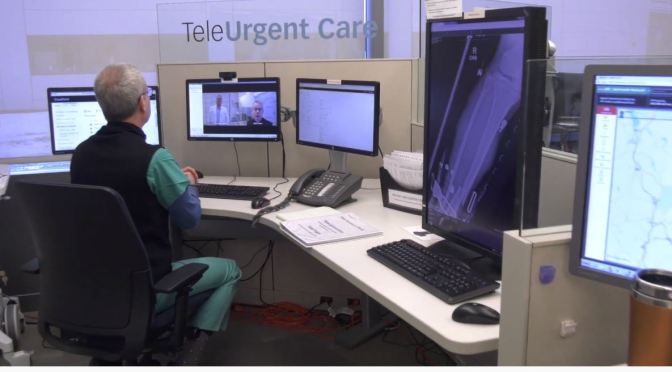
TeleUrgent Care provides back-up, support and consultation to Urgent Care providers by emergency medicine physicians via high-definition, two-way audio-video conferencing. TeleUrgent Care physician input can include general recommendations, real-time patient assessments, second opinions, advice regarding the need and timing of additional emergent or urgent evaluations, review of radiographic images, and assistance with volume surges.






 Doctors Without Waiting Rooms