
DR. C REVIEWS MAJOR HEALTH AND TELEMEDICAL NEWS FOR THE WEEK ENDING DECEMBER 27, 2020.
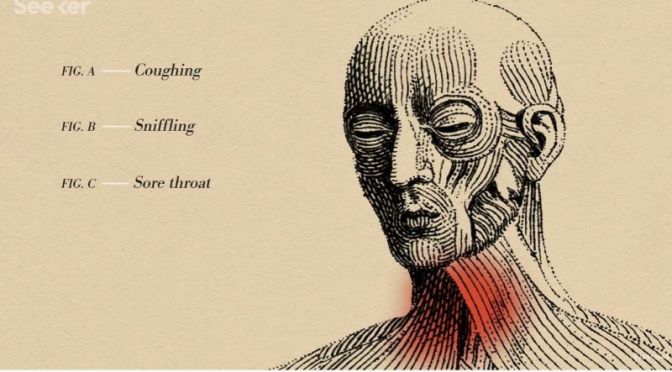
HEALTH: ‘WHY THERE IS NO CURE FOR COMMON COLDS’
The common cold is the most common human disease in the world. So, why haven’t we found a cure yet?!
Called human rhinoviruses, these respiratory viruses measure between 15 to 30 nanometers in diameter, making them some of the smallest types of viruses out there. And it’s partly thanks to the viruses’ genetic makeup that they’re so good at replicating.
Human rhinoviruses travel like most other respiratory viruses via nasal secretions, which can be released through sneezing, or through contact with fomites, which are surfaces like a keyboard or a doorknob that can help spread the virus from one person to another. From there, all it takes is for a hand to touch one of the body’s mucous membranes like the eyes, nose, or mouth and bam — the virus has gained entry.
Soon after infection, coughing, sneezing, headaches, a mild fever and body aches can soon follow. And these symptoms may easily be confused with those of the flu. But unlike the flu, where symptoms start quite suddenly, it can take a couple of days for cold symptoms to fully develop. And they usually last anywhere from 7 to 14 days.
THE DOCTORS 101 CHRONIC SYMPTOMS & CONDITIONS #32: Normal Pressure Hydrocephalus (NPH)
Normal Pressure Hydrocephalus, NPH, is an important condition. Although uncommon, affecting less than 5% of the population, it is a TREATABLE form of DEMENTIA.
If you or a loved one has been suspected of having Alzheimers or Parkinsons disease, NPH should be considered. It can be ruled out by MRI. Problems with Walking (“ Gait”) is often the first symptom, followed by mild Dementia. Loss of urinary control, incontinence, is often a later symptom.

The classic 3 symptoms are gait problems, dementia and incontinence, Hakim’s triad. A politically incorrect MNEMONIC is “wet, wacky and wobbly”. Gait “deviations”, with a broad based, slow, “stuck to the floor” movement are present almost all the time, and often suggests the more common Parkinson’s disease.
Some difficulty in planning, attention and concentration is present more than half of the time. Frequency of urination and incontinence comes later, but is often present by the time the diagnosis is made. Block in the reabsorption of Cerebrospinal fluid is thought to be the cause.
This produces intermittent elevation of pressure in the brain cavities, the ventricles. Thinning of the cortex follows, and it is this loss of brain tissue that produces the symptoms the diagnosis, usually by a Neurologist, is made by a number of tests, including MRI, and measurements of CSF Pressure.
An interesting test is to remove 30-50 cc of CSF and see if the walking improves. Treatment is with a tube connecting the Ventricles to the abdominal cavity, which restores drainage of the CSF. One of my friends was diagnosed with NPH, and benefitted with treatment. I consulted a neurologist about another of my friends with dementia, and an MRI to rule out NPH was suggested.

Treatability is the main virtue of discovering NPH, rather than another cause of dementia.
–Dr. C.
COVID-19 PODCAST: LATEST ON VACCINE ROLLOUT, NEW MUTATION & FDA APPROVALS

Stephen Hahn, U.S. Food and Drug Administration Commissioner, Sigal Atzmon, founder and chief executive officer of Medix Global, and Roche CEO Severin Schwan, on the pandemic, Covid-19 vaccines and the new mutation.
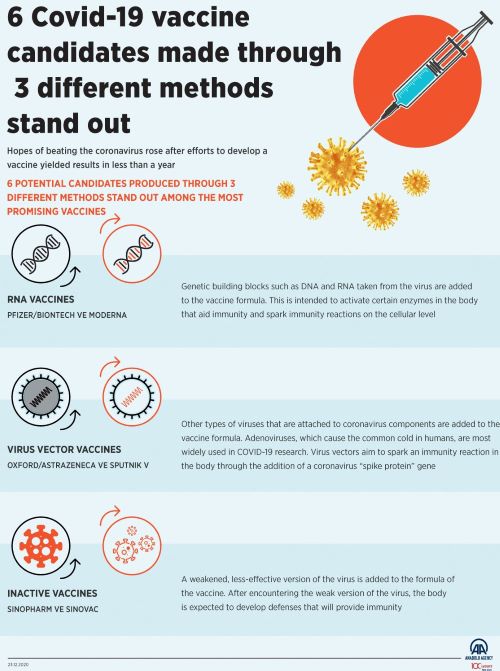
INFOGRAPHIC: THE ‘3 TYPES OF COVID-19 VACCINES’

Legal: ‘Regulation Of Telehealth Services In The Era Of Covid (Video)
Technology has made it possible for people to virtually access their healthcare providers. During COVID-19, this has enabled patients and doctors to avoid excess exposure and travel for non-emergency visits. However, state and local regulations frequently limit or ban telemedicine for health and safety reasons. Should telemedicine be considered as the same or different from traditional office visits, and what regulations should govern it? Anastasia P. Boden is an attorney at the Pacific Legal Foundation.

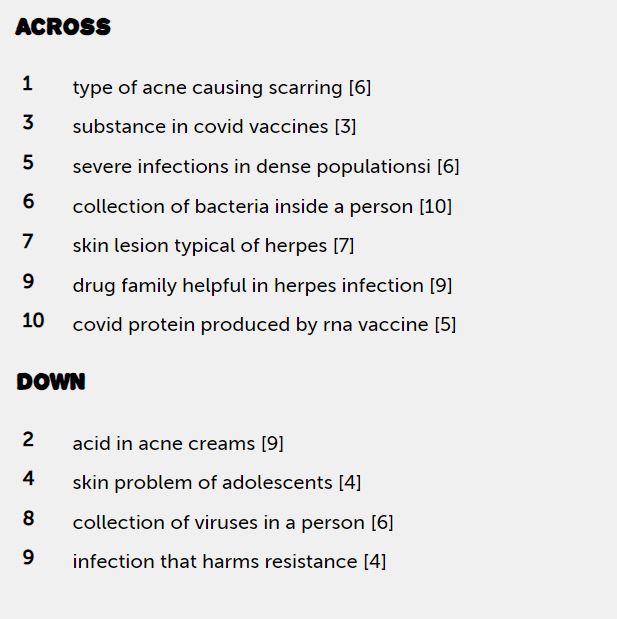
PATIENT EDUCATION: THE “2020 WEEKLY CROSSWORD PUZZLE CHALLENGE” (DEC 22)


‘INFECTIONS’: HOW WE EXPERIENCE INTERACTIONS WITH MICROORGANISMS
The RNA molecule is central to life. It is the information molecule of the Pandemic SARS CoV 2 virus, whose Messenger RNA specifying Spike proteins is the basis of 2 recently-released vaccines.
“RNA Life” is the leading theory for the Origin of Life itself, more than 3 Billion years ago. DNA evolved as the blueprint information molecule in cellular life, but the ubiquitous RNA may well have become the first viruses.
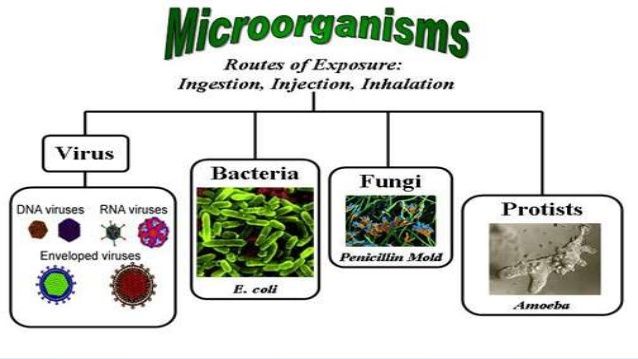
The stage was set for the ongoing battle of life: Parasite vs. Host, Pathogen vs. Target, but recent research reveals a much more nuanced picture. Viruses and bacteria can be BENEFICIAL as well as deleterious. We now speak of the MICROBIOME, usually referring to our host of resident BACTERIA, and the VIROME referring to all of our indwelling VIRUSES.
INFECTION is how we experience our interaction with microorganisms, their benefits unseen. Bacteria, viruses and parasites have always been with us, increasing in impact as Paleolithic man crowded into agricultural settlements.
Enlarging cities became more dense, favoring spread of infection and PLAGUES. The Bacterium, Yersinia Pestis,emerged in Roman times,
causing the Justinian plague, and resurfaced in the 14th C. as the Black Death. Viral Plagues, including Smallpox, were devastating during European adventures into the New World.
Malaria, a one-cell Eukaryotic Parasite, may be the greatest killer of all time. Modern Sanitation and improving medication have lately pushed bacterial infections into the background.
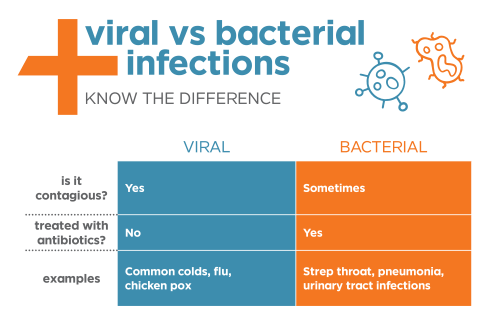
Viral infections such as Influenza and most recently Covid have become the Modern face of infection. Many Viruses reduce Immunity, however, paving the way for bacteria to invade: Haemophilus influenzae, a bacterium, may have caused much of the mortality of the 1817-1918
Flu epidemic.
IV drug usage has facilitated the spreading of the viruses causing Hepatitis and AIDS. The immune-compromising nature of the latter has reinvigorated TB and Syphilis, both bacterial infections. Only a few years ago, bacterial infection was thought to be conquered by antibiotics, and viral infection contained by Vaccines.
Microorganisms are constantly evolving, however, and often share their resistance factors. Infection is no more a thing of the past than War. The Battle continues.
–Dr. C.
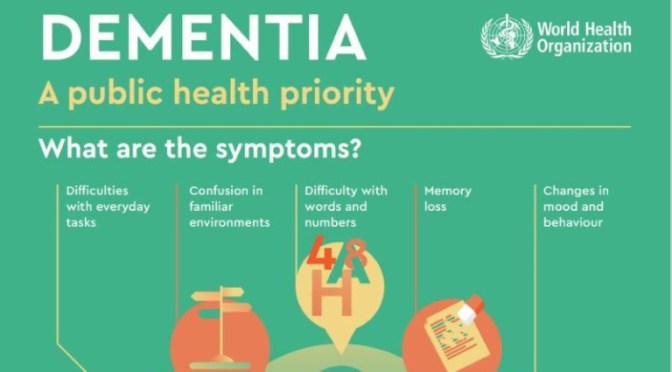
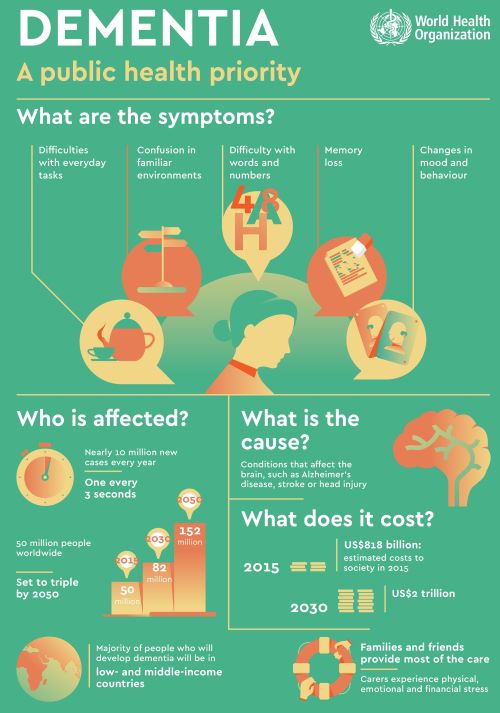
INFOGRAPHIC: ‘DEMENTIA – SYMPTOMS, CAUSES & COSTS’
DR. C’S PODCAST: WEEKLY MEDICAL NEWS (DEC 20)
DR. C REVIEWS MAJOR HEALTH AND TELEMEDICAL NEWS FOR THE WEEK ENDING DECEMBER 20, 2020.
 Doctors Without Waiting Rooms