

A bi-weekly podcast on the latest medical, science and telehealth news.

COVID-19: UNDERSTANDING THE NEW VARIANTS & NEW VACCINES EFFECTIVENESS
Researchers are scrambling to understand the biology of new coronavirus variants and the impact they might have on vaccine efficacy.
Around the world, concern is growing about the impact that new, faster-spreading variants of the SARS-CoV-2 virus will have on the pandemic.
In this episode of Coronapod, we discuss what these variants are, and the best way to respond to them, in the face of increasing evidence that some can evade the immunity produced by vaccination or previous infection.
News: ‘A bloody mess’: Confusion reigns over naming of new COVID variants
News: Fast-spreading COVID variant can elude immune responses
News: Could new COVID variants undermine vaccines? Labs scramble to find out
News: How to redesign COVID vaccines so they protect against variants
News: J&J’s one-shot COVID vaccine offers hope for faster protection
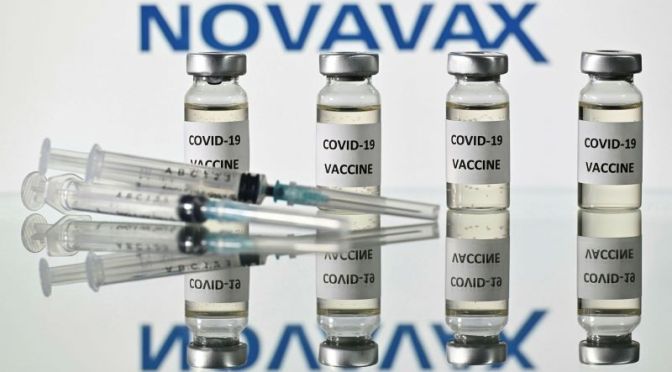
PROTEIN VACCINE: NOVAVAX PRIMES IMMUNE SYSTEM TO MAKE ANTIBODIES (VIDEO)
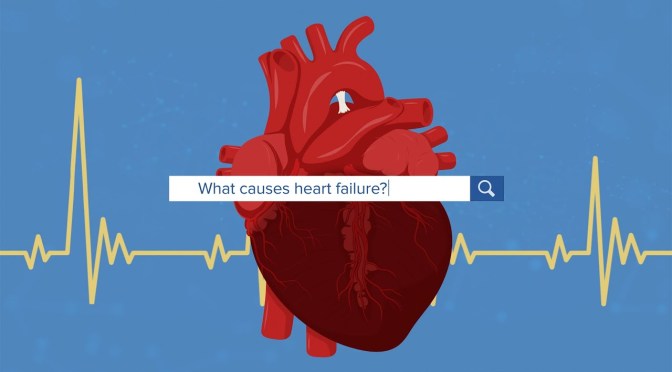
YALE MEDICINE: ‘WHAT CAUSES HEART FAILURE?’
The heart is a muscle and it’s main job is to pump blood but certain things can cause that muscle to fail. There are genetic reasons, there are reasons related to valve disease, and there’s a viral infection that affects the heart called myocarditis.
The most common cause of heart failure is a heart attack. Fatty plaque builds up in the blood vessel that supplies the heart itself and unless that blood vessel is opened up immediately that muscle will die. The rest of the muscle that’s not dead anymore has to do extra to keep on pumping the blood and overtime it cannot keep and that’s when heart failure develops.
DOCTORS PODCAST: MEDICAL & TELEHEALTH NEWS (FEB 1)
A bi-weekly podcast on the latest medical, science and telehealth news.

ANALYSIS: MULTIRESISTANT BACTERIA THAT OUTSMART ANTIBIOTICS (VIDEO)
Antimicrobial resistance is one of the greatest medical challenges of our time. Among the causes are industrial livestock farming, poor hygiene in hospitals, and the misuse of antibiotics. This documentary looks at approaches to fighting multiresistant strains of bacteria.
Each year 33,000 people in Europe die after becoming infected with bacteria that are resistant to antibiotics. Hygiene specialist Dr. Ron Hendrix has been working for years to prevent outbreaks of infectious disease in hospitals. Dr. Hendrix says that he and other experts in the Netherlands recognized early on that they’d have to fight the spread of bacteria just as actively as they would the actual infection.
Hendrix has convinced a number of German hospitals to re-open their diagnostic laboratories, as well. In the early 2000s, many of these labs had been shut down as a cost-cutting measure. And farmers in Denmark voluntarily chose to sharply reduce their use of antibiotics, after evidence showed that intensive livestock farming caused multiresistant bacteria to multiply.
Infectious disease specialist Dr. Patrick Soentjens was able to convince Belgium’s health ministry to allow the use of “phages” to treat stubborn antimicrobial resistant pathogens. Phages are special viruses that kill bacteria. Dr. Soentjens is certain that this well-known, but largely forgotten option could save many lives. Belgium has become the first western European country where phages have been officially recognized as a legitimate medical treatment.
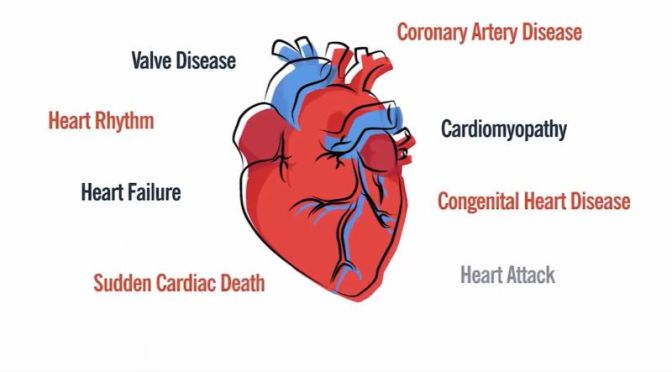
HEART DISEASE: TYPES & RISK FACTORS (CLEVELAND CLINIC)
There are lots of things you can do to prevent heart disease! The key is to live a healthy lifestyle and see your doctor for regular checkups.
To learn more about heart disease risk factors, please visit https://cle.clinic/3r3iKQh

HEALTHY DIETS: BALANCED CARBOHYDRATE RATIO – LOW FREE SUGARS + HIGH FIBER
Are all carbohydrates equally important to you? Considering carbohydrate quantity but also quality has a crucial importance for a healthy and balanced nutrition. Balanced Carbohydrate Ratio has been developed and scientifically proven in order to identify products and diets with the most optimal carbohydrate content.
DOCTORS PODCAST: MEDICAL & TELEHEALTH NEWS (JAN 27)
A bi-weekly podcast on the latest medical, science and telehealth news.

DIGITAL HEALTH: THE FUTURE OF WEARABLE DEVICES
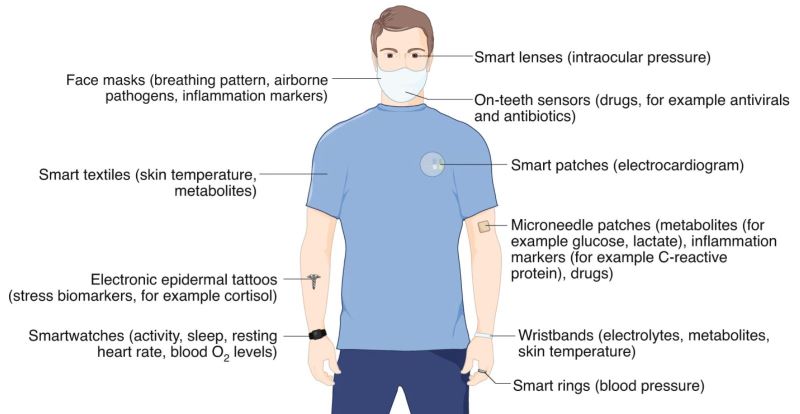
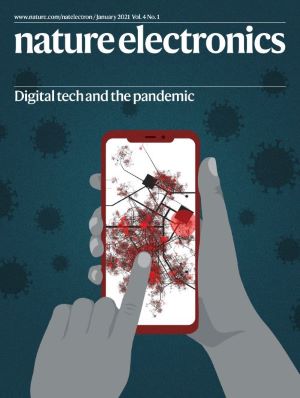
Currently, smartwatches provide information such as heart rate, sleep time and activity patterns. In the future, this could be augmented with new classes of wearable devices that monitor, for example, concentrations of cortisol for tracking stress (using electronic epidermal tattoos), biomarkers of inflammation and levels of blood O2 (microneedle patches), skin temperature (electronic textiles), blood pressure (smart rings), concentration of ions (wristbands), intraocular pressure (smart contact lenses), the presence of airborne pathogens and breathing anomalies (face masks), and the concentration of therapeutic drugs (on-teeth sensors)2,10,12,13,14,15,16. Such emerging low-cost wearable sensing technologies, monitoring both physical parameters and biochemical markers, could be used to identify symptomatic and pre-symptomatic cases in future pandemics. The devices could also be used to remotely monitor the recovery of individuals undergoing treatment or self-isolating at home.
 Doctors Without Waiting Rooms