
TeleHealth: Weill Cornell ‘Center For Virtual Care’ Expands Training Courses

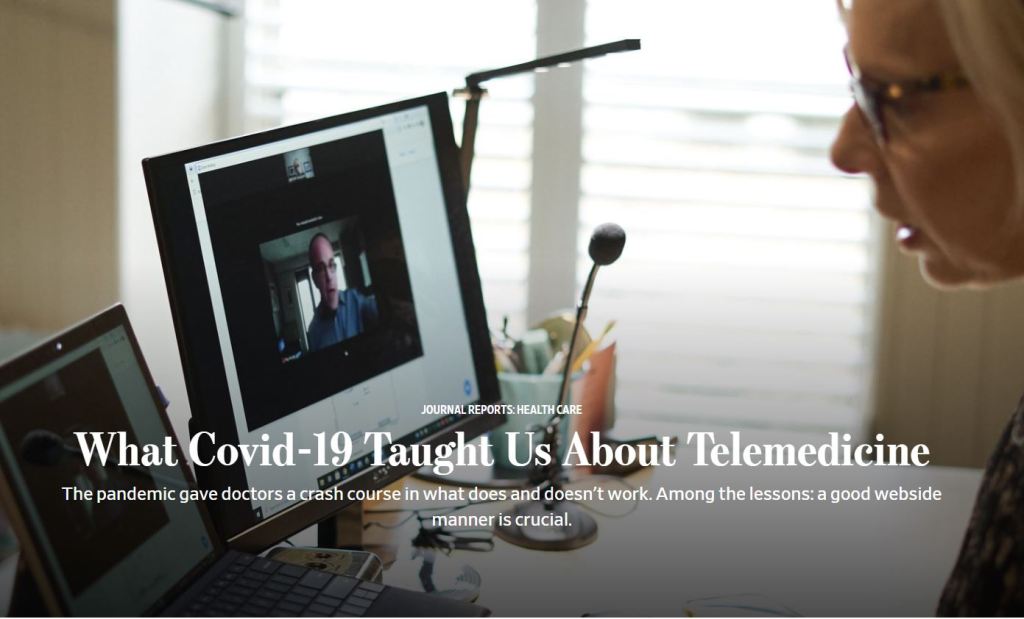
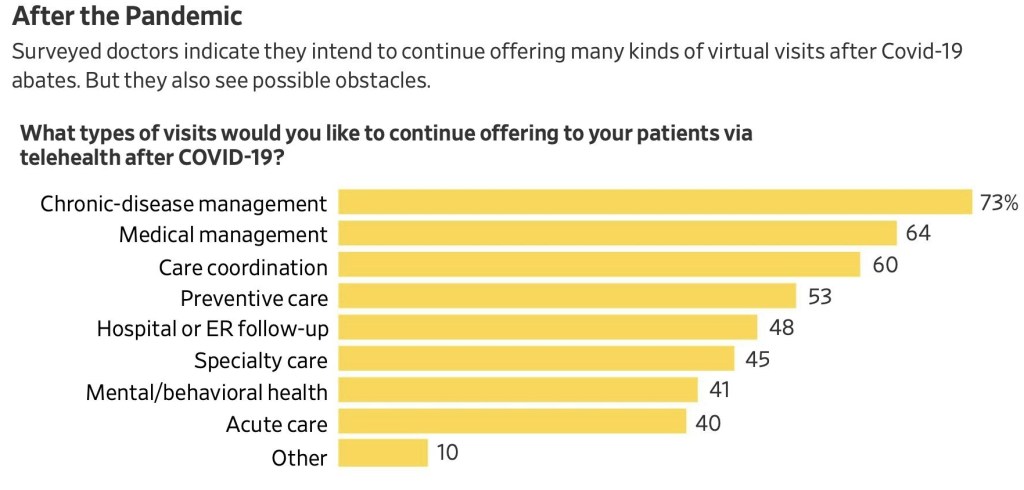
The new eCornell course, which features a curriculum in-line with the Association of American Medical College’s Telehealth Competencies, offers instruction on how to harness the digital health medium to effectively create a therapeutic patient-provider encounter. Students learn essentials including verbal and nonverbal communication strategies to convey empathy and compassion, how to overcome technical challenges, and how to conduct remote patient exams.

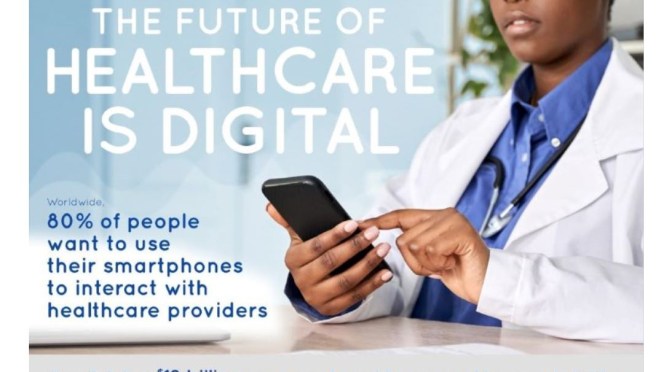
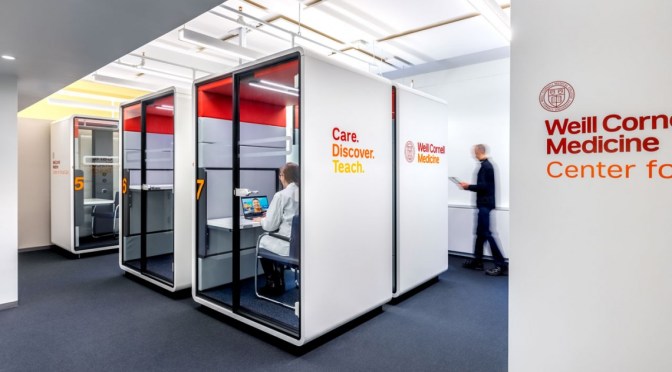
Digital health and the tools for patients to virtually reach their health care providers have quickly become a mainstay of medical care during the COVID-19 pandemic. Weill Cornell Medicine’s Center for Virtual Care is positioned at the leading edge of this health care delivery transformation. Leveraging their years of experience with video visits, the center’s experts train providers how to best use it to give their patients comprehensive, compassionate care.

Read more

DR. C Comments

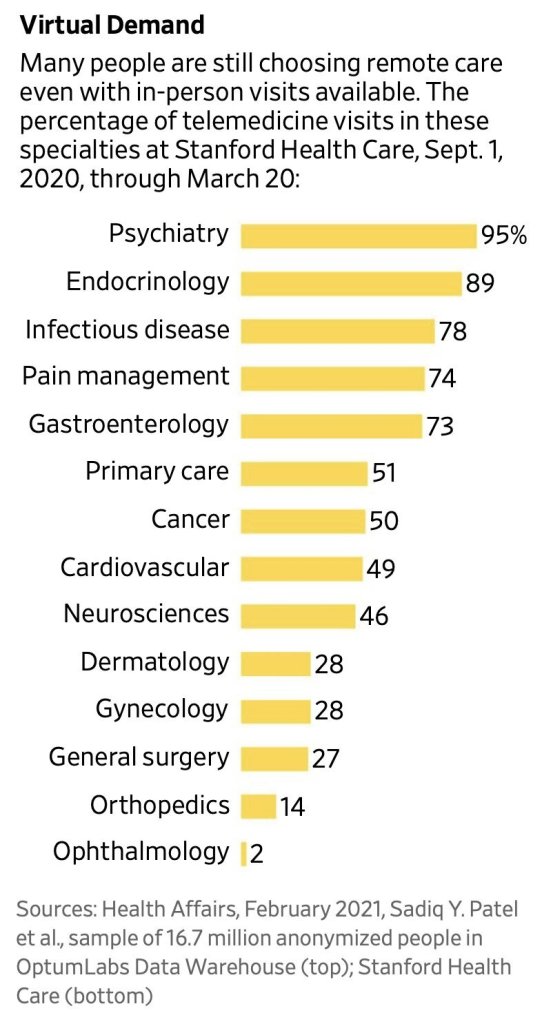
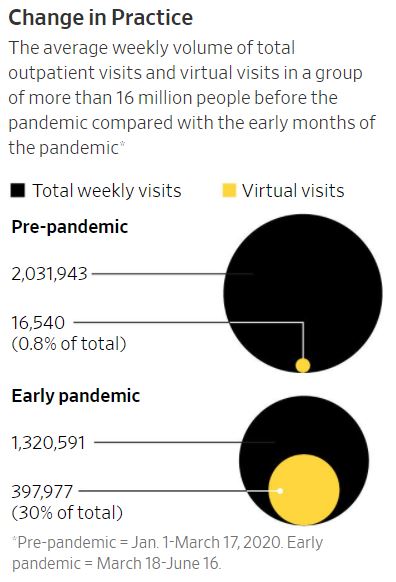
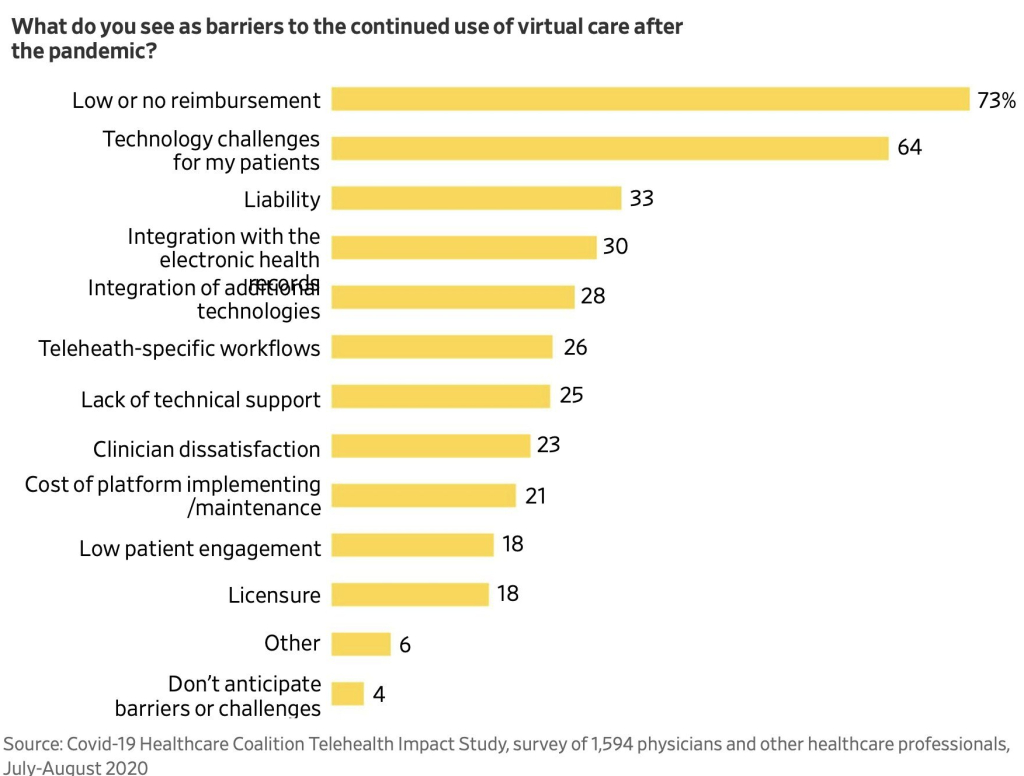
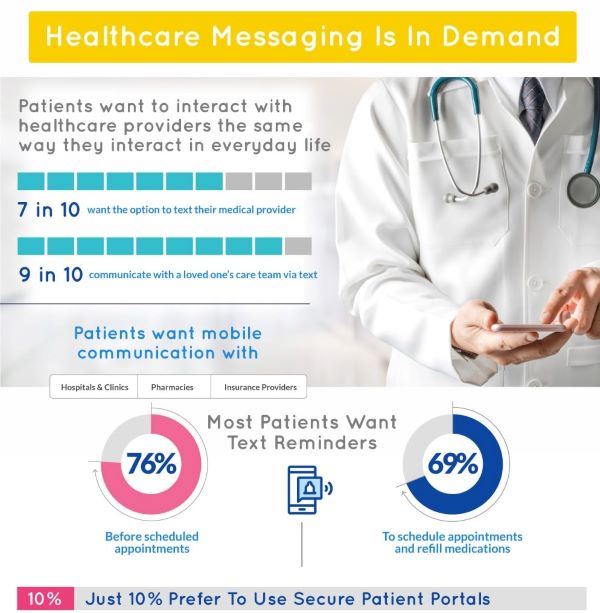
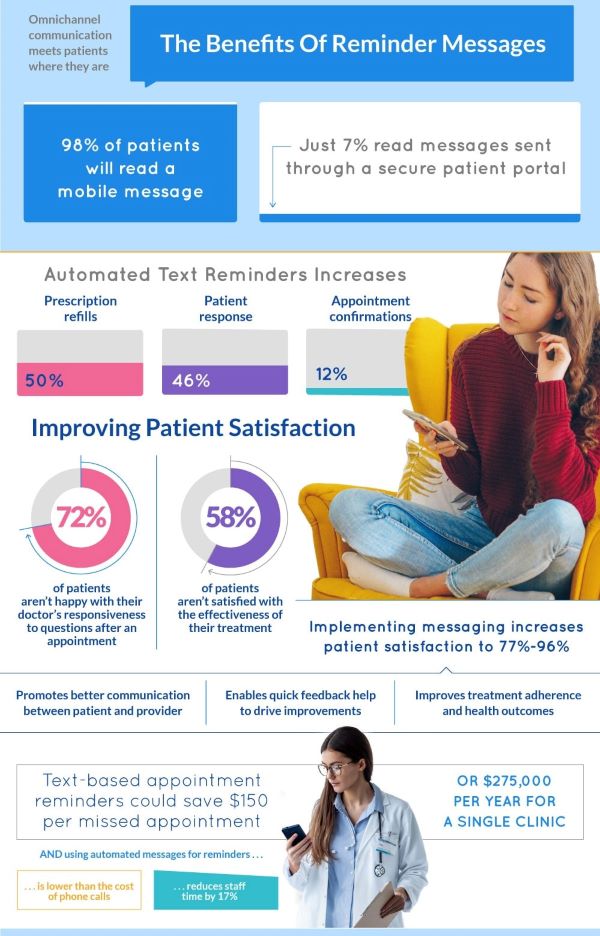
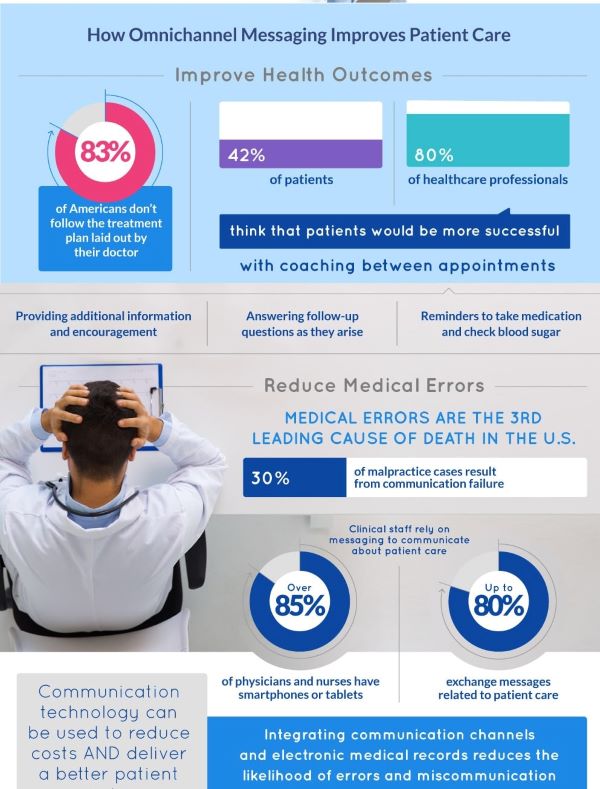
Telehealth offers significant advantages to both patient and doctor. It should be a welcome and valuable addition to the medical profession in its desire to deliver comprehensive care to patients. However, Telemedicine faces a number of barriers both from the medical side and the patient side, not to mention insurance, lawyers, and government.

A good video was posted from Cornell, which aims to get doctors to develop a set of behavioral skills which will make telemedicine more personal. Of course, training should be extended to peripheral sensing devices that will enhance the ability of doctors to gain information at a distance, as well as familiarization with a user-friendly electronic system to navigate.

Patients also need a special course in how to become more Competent in the technical aspects of telemedicine,  sensors and other challenges. Since  Telemedicine visits occur at widely spaced intervals, even an intensive training course might find the patient unfamiliar with the system at the time of need.

Recently, I signed up for a zoom consultation At UCLA medical Center. It was very helpful to have a knowledgeable person on the phone directing me through the maze that got me signed up to “my chart”, The electronic system that UCLA uses. Even though I took Notes, when it is actually time to get into the system and  go to the virtual waiting room of my chart, I may well have difficulty.

And that’s just one system. It seems as though doctors offices, different medical systems, and different health plans all have their own unique electronic systems which are enough different to be confusing to the patient.

I can only hope that the newer generations, having grown up using these electronic devices, will have enough facility to easily interface with their doctor electronically. Until the older generation passes on, however,  there will be ongoing challenges.
Bladder Cancer: Causes, Symptoms & Treatments

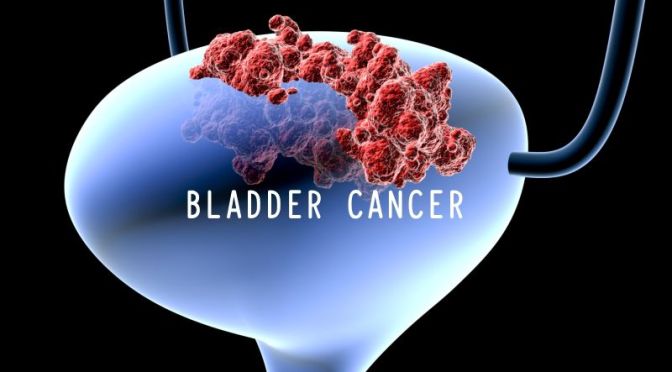
Bladder cancer is the fourth most common cancer in men, after prostate, lung, and colorectal cancer. A man has about one chance in 27 of getting bladder cancer during his life time. It is less common in women.

The urinary bladder is exposed, through the urine, to the waste products of the body. Cigarette smoking is the most common risk factor, and I suspect a lot of the chemicals that are in our environment could be suspected, like the delicious smoky flavor of  barbecued food.

Bladder cancer does not often run in families, but it seems to in mine. My father died of bladder cancer, and I have just been diagnosed with it. When it runs in families, FGFR 2 can sometimes be found in the genes.

Hematuria is the most common Presenting symptom, but there are few  other marker symptoms that give Bladder cancer away; It has been called it “the silent killer”.

Cystoscopy Is the most sensitive test for bladder cancer, and  is not a painful examination in the hands of a good urologist.

In my opinion, cystoscopy should be used as  a reasonable screening test to pick up bladder cancer at an early stage, when it is more treatable.

–Dr. C

Read article from Mayo Clinic

AMERICAN DIET: THE COVID SURGE IN SNACKING (VIDEO)

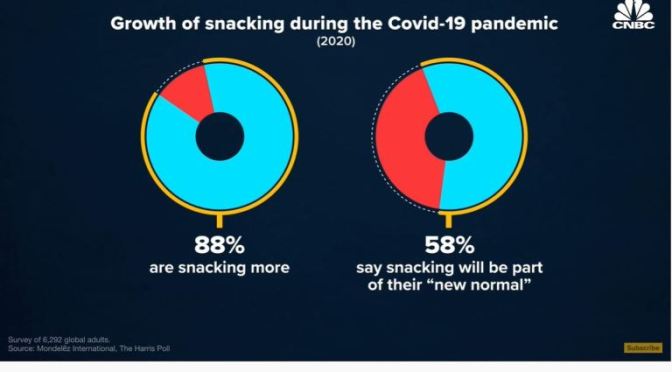
With Americans stuck at home, snack food has become a valuable commodity for the pandemic stressed consumer. North American sales of savory snacks like chips, popcorn, and pretzels climbed to $56.9 billion in 2020. In stressful times, people turn to snacking for comfort and Covid-19 has transformed kitchens across the U.S. into giant vending machines. So, has Covid-19 put an end to the shift to healthier snacks?

DR. C’S COMMENTS:

Snacking with its  concomitant weight gain has increased with Covid. Of course Snacking didn’t originate with Covid, and it has long been common in Overweight people.  Snacks are engineered to taste terrific, which means containing a lot of fat, sugar, and salt, easily be over done. Good nutrition  is an afterthought to snack companies.

The Small volume of snacks, eaten frequently, Does not cause the satiation that comes with regular meals.

In my opinion, one of the major mechanisms by which TIME RESTRICTED EATING causes weight loss is by its prohibition of snacks. In the narrow window of time that you’re allowed to eat, you are hungry and eat regular food which tends to be of higher quality. Your stomach is full. You feel full and are not tempted to snack. Sugary drinks and snacks are bad for health.

HEALTH: ‘GUT MICROBIOMES – ENABLER OF LONGER LIVES’

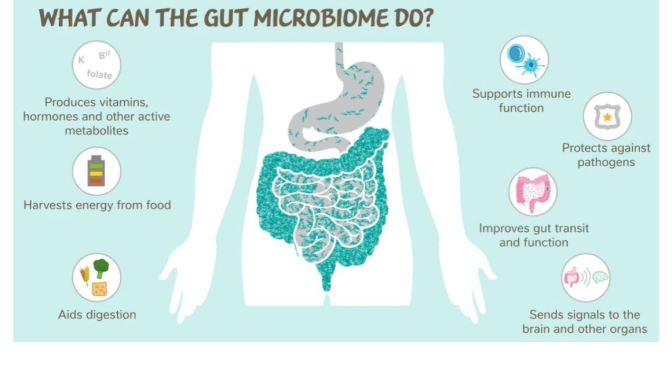
Microbiomes are complex microbial ecosystems, and amongst those found in and on human body, gut microbiome is the most complex. It performs important functions, and is increasingly recognized as a key element influencing long-life health. Specific nutritional components, such as prebiotics and probiotics, can be used to shape healthy gut microbiome. Nestlé Research has made significant contributions in this field for over 30 years.

MEDICINE: ADEQUATE SLEEP & CARDIOVASCULAR HEALTH

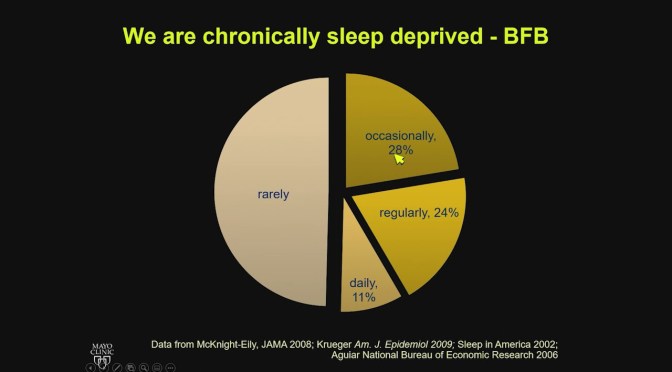
Mayo Clinic Division of Preventive Cardiology will be preparing a series of recordings focusing on Cardiovascular Disease states. This is the Sleep Series and this particular one focuses on what is adequate sleep and does it benefit Cardiovascular Health.

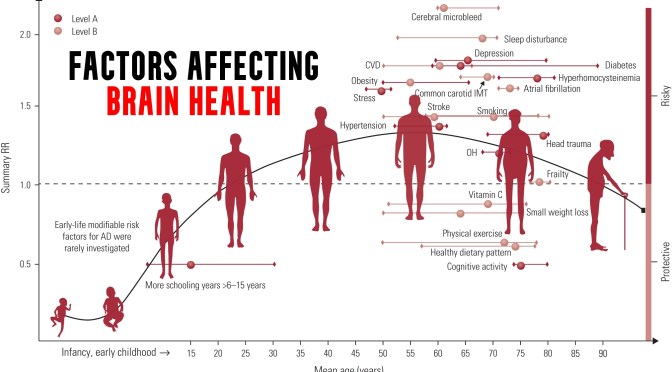
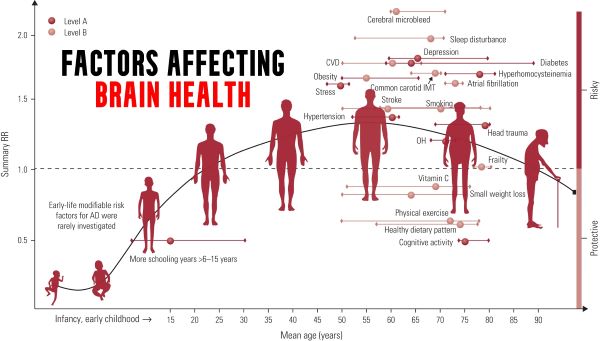
INFOGRAPHIC: ENHANCING BRAIN HEALTH ACROSS AN INDIVIDUAL’S LIFESPAN

Opportunities for enhancing brain health across the lifespan

Published online by Cambridge University Press:  22 March 2021

Summary

As we age, there are characteristic changes in our thinking, reasoning and memory skills (referred to as cognitive ageing). However, variation between people in the timing and degree of change experienced suggests that a range of factors determine individual cognitive ageing trajectories. This narrative review considers some of the lifestyle factors that might promote (or harm) cognitive health. The focus on lifestyle factors is because these are potentially modifiable by individuals or may be the targets of behavioural or societal interventions. To support that, the review briefly considers people’s beliefs and attitudes about cognitive ageing; the nature and timing of cognitive changes across the lifespan; and the genetic contributions to cognitive ability level and change. In introducing potentially modifiable determinants, a framing that draws evidence derived from epidemiological studies of dementia is provided, before an overview of lifestyle and behavioural predictors of cognitive health, including education and occupation, diet and activity.

Read more

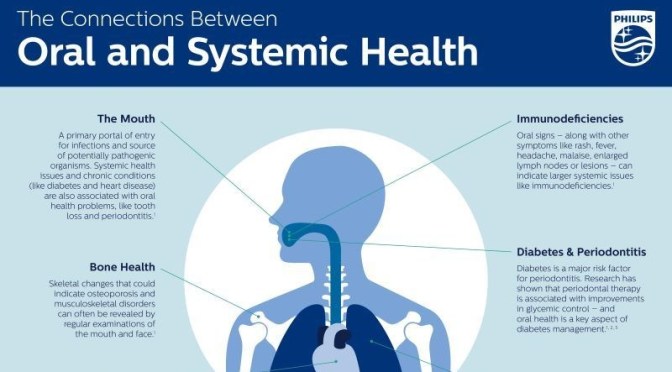
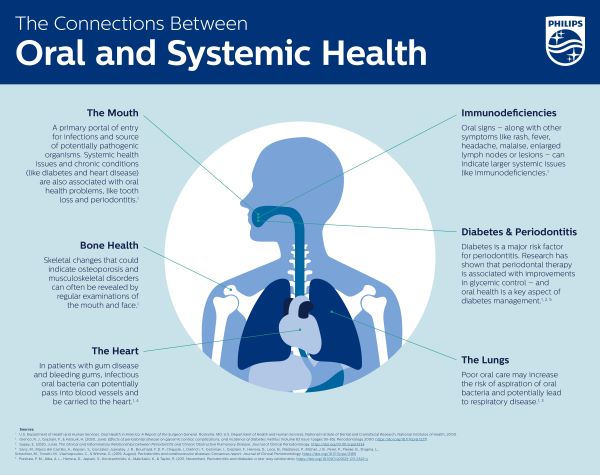
INFOGRAPHIC: POOR ORAL HEALTH LEADS TO CHRONIC AND SYSTEMIC DISEASE

Good oral health leads to benefits beyond a healthy mouth

People today want to be more in control of their own health and are more attuned to getting the support and information they need online, from apps, and from connected products. Yet there are gaps in both their knowledge and daily commitment to good oral hygiene, and they need help along the way. Depending on lifestage, patient’s oral health concerns can evolve from plaque removal and aesthetics to larger concerns around gum health and disease. Too often, by the time they begin thinking about gum health, it’s too late. Multiple studies have revealed linkages between periodontal diseases and certain systemic diseases, such as diabetesheart disease and kidney disease [4][5][6].

Prevention is key. Along with professional deep cleaning, good daily brushing and interdental cleaning are critical. It’s also important for patients to have regular conversations with their dentist about oral health issues and the linkage to their overall health.

Read more

Empowering Patients Through Education And Telemedicine