DR. C’S JOURNAL: STEM CELLS

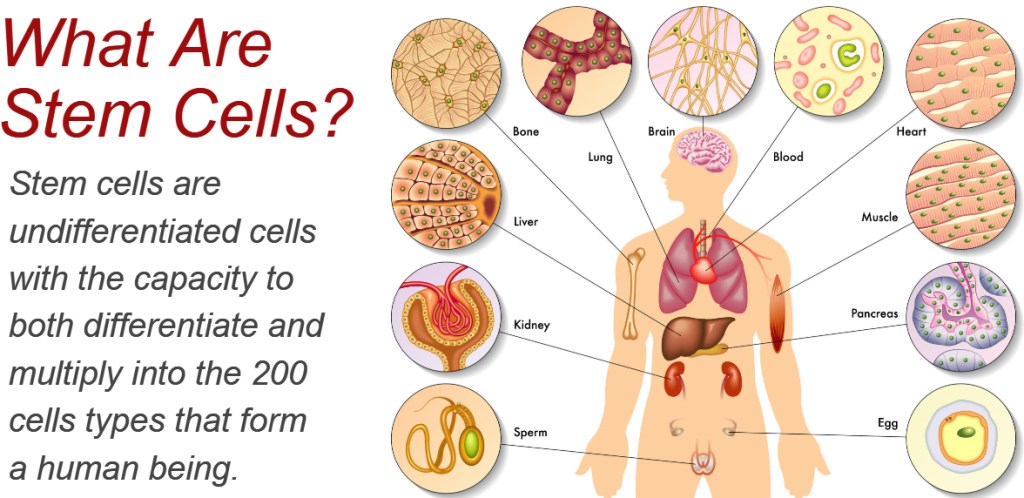
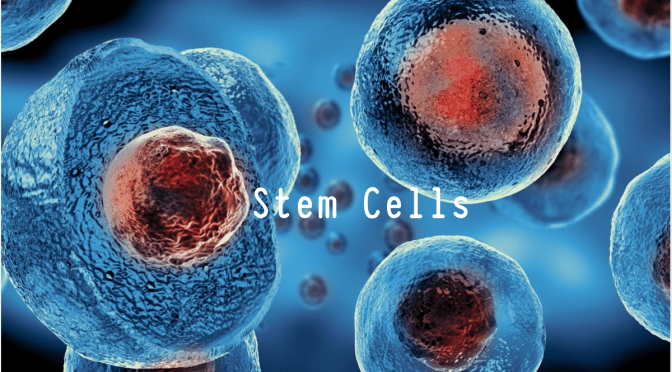
The ultimate stem cell is the fertilized egg from which we came. This omnipotent stem cell divides countless times, “differentiates”, and forms more and more specialized tissues, and our body is the eventual result. All of our tissues contain some stem cells, which grow increasingly rare as we age.

Regenerative medicine takes advantage of stem cells derived from diverse sources. An embryo, an umbilical  cord, or your bone marrow contains stem cells. Even one of your mature connective tissue cells that has been dedifferentiated, or sent back along the pathway that originated from the single cell from which you came, can be induced to form a stem cell (iSC).

If the stem cell originates from your own tissues, it is  accepted by your body, as one of its own.

I have an wealthy acquaintance whose Parkinson’s disease is being treated by one of his own cells induced to form a dopamine containing neuronal stem cell.

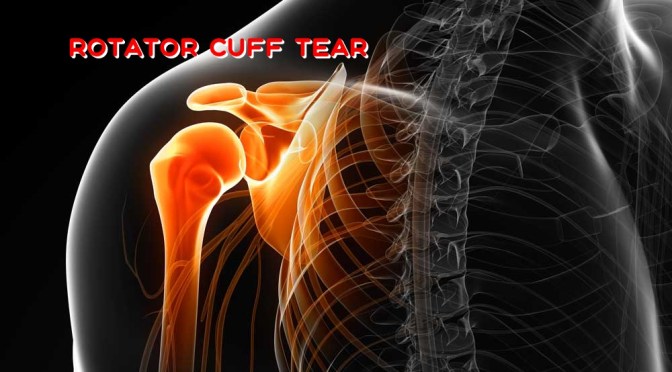
The article posted previously regarding rotator cuff surgery apparently used stem cells to shorten the recovery time.

I have heard about the use of stem cells in heart failure, osteoarthritis, and other joint problems, and I’m sure we will hear about this increasingly as time passes. However, there are hurdles to be overcome, moral, legal and medical. The possibility (small) of induced stem cells to evolve into cancer is one medical hurdle, and if the Stem Sell originates from another individual, immunosuppressive treatment must be used in the recipient to allow the stem cells to work. Also, the use of the other individual’s stem cells may involve some moral, legal and possibly religious objections.

Please refer to the following Mayo clinic article for more information.

–Dr. C

Covid-19: Patients Dying In Name Of Vaccine Freedom

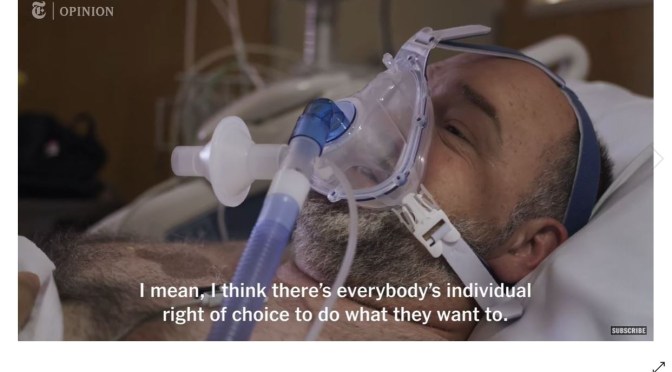
In the video above, Alexander Stockton, a producer on the Opinion Video team, explores two of the main reasons the number of Covid cases is soaring once again in the United States: vaccine hesitancy and refusal.

“It’s hard to watch the pandemic drag on as Americans refuse the vaccine in the name of freedom,” he says. Seeking understanding, Mr. Stockton travels to Mountain Home, Ark., in the Ozarks, a region with galloping contagion and — not unrelated — abysmal vaccination rates. He finds that a range of feelings and beliefs underpins the low rates — including fear, skepticism and a libertarian strain of defiance.

This doubt even extends to the staff at a regional hospital, where about half of the medical personnel are not vaccinated — even while the intensive care unit is crowded with unvaccinated Covid patients fighting for their lives. Mountain Home — like the United States as a whole — is caught in a tug of war between private liberty and public health. But Mr. Stockton suggests that unless government upholds its duty to protect Americans, keeping the common good in mind, this may be a battle with no end.

COMMENTARY:

I am a Doctor Who has studied the miracle of MRNA Covid vaccine, and who knows that it cannot get into the nucleus of any of my cells or long remain in my body.

I have studied the transmission and pathogenesis of Covid, and know how it works. The knowledge that it could affect my thinking, memory, my very essence, and the fact that it could last indefinitely after the initial illness has certainly made me a believer.

There is an element of truth in the concerns of anti-vaxers and anti-maskers. Unfortunately the problem is not black and white. No vaccine is 100% safe, although the mRNA vaccines come close. There is some worry about clotting problems with a few people, particularly the young. This risk is measured in terms of problems per million people getting the vaccine, and is vanishingly small compared to the alternative of exposing yourself to the ravages of Covid.

An intelligent friend of mine who is a nurse has auto immune disease, and vaccines tend to hit her hard. Unfortunately the fact that she is a nurse and is exposed a lot to the public make her more likely to get Covid, and her auto immunity would render her much more likely to have complications, should she get it. She has received her first injection of Covid vaccine, and had a lot of fatigue, headaches and symptoms that were relatively self-limited.

Masks are mainly useful in protecting other people from the mask-wearer and only slightly helpful in protecting the mask wearer from other people. Also, I have read a long article about some subtle disadvantages of forcing children to wear masks although I think it’s still a good idea, particularly when Covid is common in the community.

The main problem is that Americans have freedom of choice without the knowledge to weigh the benefits and hazards of receiving the vaccine, versus the hazards of getting the disease.

There are times when we should unload the making of such statistical decisions on people who know more about the vagaries of disease.
In my opinion, the states which allow hospitals to require their healthcare workers to receive vaccination, and allow schools to require their students and teachers to receive vaccination are in the right. Currently, there are less problems in those states.

Covid is certainly a nasty disease, and even doubly vaccinated people can be spreaders. As an elderly vaccinated person, I still treat everybody as if they are infected, and require masks when visitors come. When inside, I sit by an open door, with a fan behind me blowing air in the other direction.

At the age of 89, I cannot afford to get Covid-19.

—Dr. C.

DR. C’S JOURNAL: PAIN FOLLOWING TOTAL KNEE REPLACEMENT SURGERY


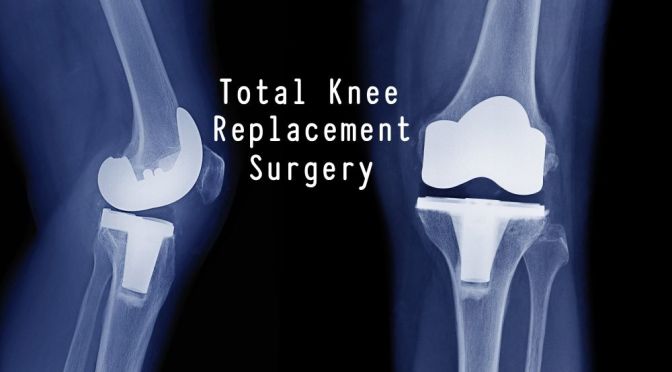
Total knee replacement(arthroplasty) is one of the most successful orthopedic operations. Satisfaction rate varies between 75 and 90%. Even so, almost 10% of operated individuals will have anterior knee pain, the most common complication, 1 year after TKR.

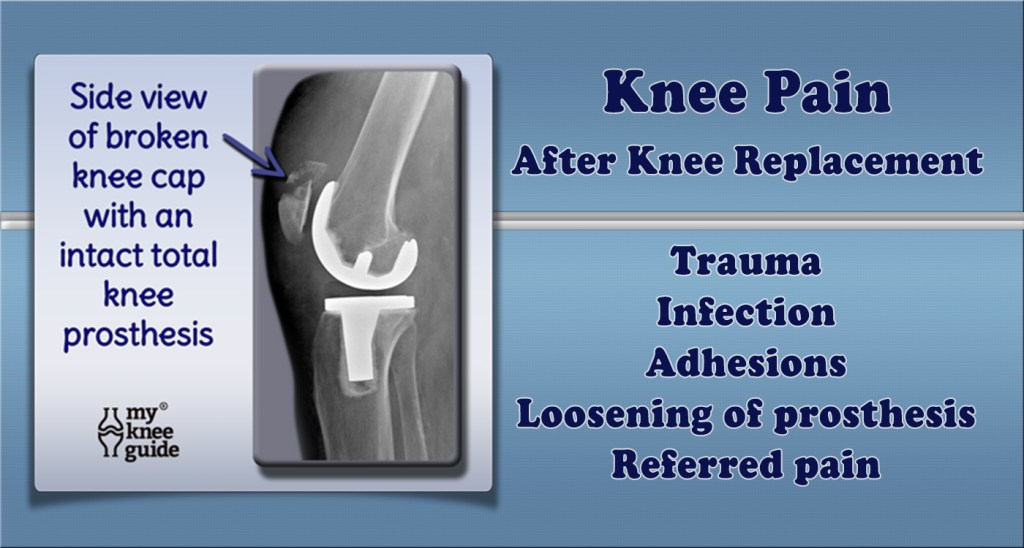
I had an even greater appreciation of the knee after reading the following article, which explain the causes of knee pain more adequately than I can, and would be good to read.

With knee replacement surgery, a great deal depends on the technical expertise and precision of the operating surgeon. A rotational error more than a degree or two can be critical, so important is proper tracking of the kneecap in the trochlea, or groove in the leg bone(femur). An imbalance in the pull  of muscles, or a knock knee, (Valgus) angulation of the knee, hip rotation, spinal problems, all can be important in generating pain as you get older.

There are psychological factors too. The knee pain after TKR average is only 1/3 of that suffered before the operation, on average. However if you expect that discomfort will disappear completely, or if your pain threshold is low, or if you have anxiety or depression, you may have more postoperative pain, and  be disappointed with the surgery.

My immediate reason to write this article was the anterior knee pain developing in a friend of mine, 15 years after surgery, at the age of 89. She had polio in childhood, and her right leg was severely affected. This caused her to overuse her left leg, resulting in a TKR 15 years ago. Just recently, she started developing anterior knee pain in the left knee. A thallium scan showed a lot of signal on the inside of the kneecap, most likely indicative of inflammation. She is not enthused about having another operation because of her age., and wondered about other things she might do.

An orthopedic friend of mine suggested that injections of a viscous lubricant might help, if the initial operation did not include resurfacing of the kneecap (patella). I would imagine that eventually the resurfacing of the patella with advanced materials, or perhaps stem cells might help.
I also thought of a special brace with a motor assist for her right leg, but the orthopedist said that this did not work very well in polio patients, who have a weak nerve signal.

Although my friends polio made her TKR almost inevitable, there are things that you can do, or avoid doing, that could help avoid TKR. Activities to reduce include squatting, deep lunging, running (particularly in deep sand), high impact sports, repetitive jumping, and running up stairs. Basketball, football, and volleyball come to mind as regular sports that are risky. Maintaining a healthy weight, controlling blood sugar, stoppage of smoking, avoidance of injury, and regular exercise, particularly walking and swimming ,are things that might help.

Remember that your knees are your wheels and are jewels to protect as you get older.

–Dr. C

HEALTH: LOOKING OUT FOR DIVERTICULITIS (HARVARD)

What is diverticulitis?

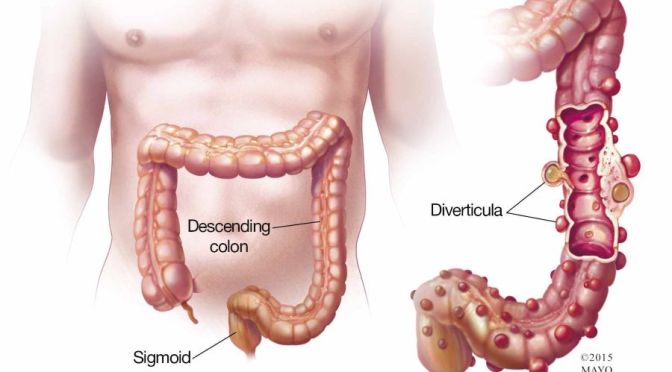
Diverticulitis arises from a condition called diverticulosis, which occurs when weak areas in the inner wall of the colon bulge outward and form tiny pouches. Many people get diverticulosis as they age. In fact, diverticulosis affects about 58% of US adults over age 60. Getting enough fiber in your diet can help protect against diverticulosis.

Know the signs of diverticulitis

The most common symptoms of diverticulitis are abdominal pain (usually on the lower left side) and fever. The pain is distinct and sharp, and may strike over a few hours. Other symptoms may include a combination of loss of appetite, nausea, vomiting, abdominal bloating and cramping, and not passing gas or stool.

A mild case of diverticulitis that causes only minimal pain in the lower abdomen can resolve on its own within a day or two. However, you should seek immediate medical attention if your symptoms are not going away or you are feeling worse, such as having increasing pain, fever, bloody stools, or abdominal bloating with vomiting.

Treatment depends on whether you have uncomplicated or complicated diverticulitis. Your doctor can determine this by using a combination of blood tests and imaging studies, such as a CT scan.

How is uncomplicated diverticulitis treated?

As the name implies, uncomplicated diverticulitis is the less serious of the two. It means that the inflammation or infection is confined to one section of the colon, and that there is no evidence of complicating factors.

Uncomplicated diverticulitis is typically treated at home with oral antibiotics. You’ll also be prescribed “bowel rest” for a few days, which often includes a clear liquid diet. This gives your bowel a chance to rest and heal, and may reduce pain. Additionally, you’ll follow a low-fiber diet (about 10 to 15 grams of fiber a day) until your symptoms improve.

Some people may need to be hospitalized to receive intravenous (IV) antibiotics. A hospital stay is more likely if you’re 65 or older or have other medical conditions, such as heart disease, diabetes, or chronic obstructive pulmonary disease.

People usually begin to feel improvement from treatment after about three days. If you feel well enough and the symptoms have subsided, you can gradually resume your regular diet.

If symptoms haven’t responded to antibiotics after a week, you probably will undergo CT scans and other tests to see if you have complicated diverticulitis.

How is complicated diverticulitis treated?

Complicated diverticulitis means you have a specific complication that requires a longer course of IV antibiotics, and possibly surgery.

Pope Francis had scarring in a segment of colon where he previously had diverticulitis, which had caused a narrowing in the colon called stenosis. In a case like this, the unhealthy part of the colon is removed, and the remaining colon is then reconnected.

Other types of complications that may occur during an active diverticulitis infection include:

  • Abscess. A diverticular abscess is a collection of pus (a fluid that can form at the site of infection) outside of the intestinal wall. If the abscess doesn’t get better with antibiotics, a doctor will need to drain the pus using a needle, under guidance through images on a CT scan.
  • Perforation. Diverticulitis can cause a hole in the colon that allows bowel contents to spill into the abdominal cavity. If you have a perforation, your abdomen may feel tender to touch, hard, or enlarged. Surgery repairs the hole. Sometimes part of the colon around the hole must be removed.
  • Fistula. A fistula is an abnormal connection between the inflamed and infected segment of the colon and adjacent organs, such as other parts of the intestine or the bladder. Surgery consists of colon resection and removing the fistula.

Can diverticulitis be prevented?

Eating a high-fiber diet and managing stress may lower the risk of developing pouches in the colon known as diverticula. So it makes sense that these lifestyle interventions might help make diverticulitis less likely to occur. However, once you have diverticulosis, there is no proven way to prevent one of the diverticula from becoming infected or inflamed.

COVID-19: WHAT TO KNOW ABOUT BOOSTER SHOTS

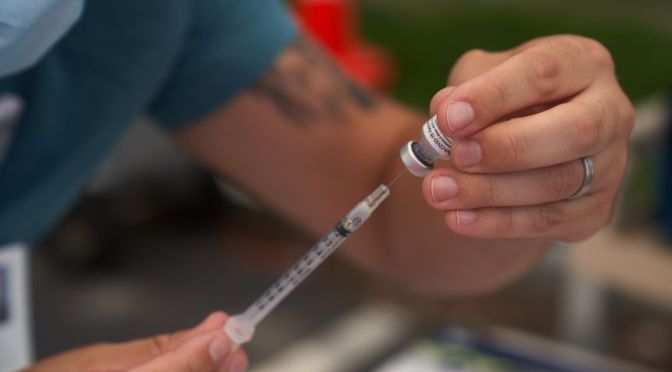
The Biden administration announced that Americans who have been fully vaccinated with a two-dose regimen against Covid-19 should receive a booster, citing the threat from the highly contagious Delta variant. WSJ breaks down what you need to know. Photo: Kamil Krzaczynski/Reuters

HARVARD STUDY: VITAMIN D LOWERS THE RISK OF YOUNG-ONSET COLORECTAL CANCER

COMMENTARY:

Vitamin D has many beneficial effects, but my comments will be restricted to the effect of vitamin D on cancer.

Interest in this association was started by the observation that certain cancers are less common near the equator, where there is more sunlight exposure, and therefore more natural vitamin D generation in your skin.
The most information on cancer in humans Is available on colorectal, breast, prostate, and pancreatic cancer. Colorectal cancer, highlighted DWW our posting, is the only cancer that apparently is affected by vitamin D.

Several studies have suggested that vitamin D can decrease cancer cell growth, stimulate cell death, and reduce cancer blood vessel formation. Increasing cell death, or apoptosis, is what interests me the most, since this is one of the factors which increases inflammation in aging.

The infographics stated that only 300 international units of vitamin D is necessary to produce a 50 Percent reduction in cancer, and that a healthy diet generally supplies this.

I personally take 5000 international units vitamin D. This produces a blood level of about 60 ng/mL, and what the NFL recommends to keep their players healthy, and well within the maximum recommended level of 120 ng/milliliter.

Excessive vitamin D can produce an elevated calcium blood level, and mine is within normal limits. I take the higher dose because of vitamin D’s other effects, such is benefiting the immune system in a time of Conid-19.

I suggest that you get a vitamin D blood level, and also a calcium blood level if you elect to take more of this useful vitamin.

–Dr. C

Read more

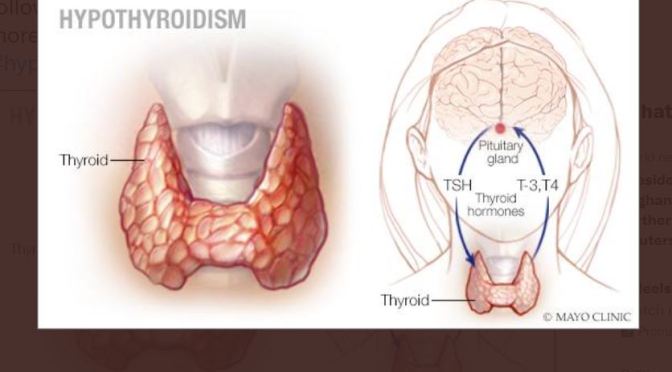
Hypothyroidism: TSH Test First, Then Hormone Test

Empowering Patients Through Education And Telemedicine