National Institute on Aging – As 2022 comes to a close, NIA invites you to explore some of the most popular health information topics from this past year:
— Shingles is a disease that triggers a painful skin rash. About one in three people will get shingles, but there is a vaccine for older adults to help prevent the disease.
Cleveland Clinic – If you have insulin resistance, your body doesn’t respond to insulin like it should. Insulin, a hormone made by your pancreas, regulates your blood glucose levels.
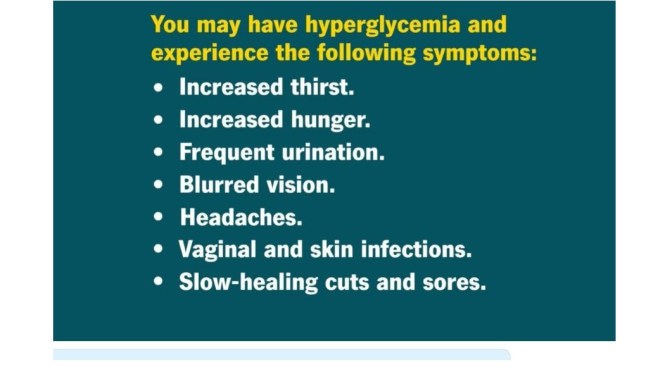
And if your blood glucose (or blood sugar) levels become too high, it can lead to hyperglycemia or even prediabetes and Type 2 diabetes.
Chapters: 0:00 What is insulin? 0:28 What is insulin resistance? 0:55 What are risk factors of insulin resistance? 2:06 Symptoms of hyperglycemia 2:30 Can insulin resistance be treated?
In one study published in JAMA Open Network, researchers found that 87% of the preliminary diagnoses made during telemedicine appointments were later confirmed during in-person appointments.
To put it simply: diagnoses over video are usually spot on.
December 2, 2022 – Researchers evaluated more than 97,000 video visits across Mayo Clinic between March and June 2020. Of those visits, 2,400 patients had a visit for a new health concern and followed up with an in-person appointment within 90 days.
The highest rate of matching telemedicine and in-person diagnoses was found in specialties that included psychiatry and psychology, allergy and immunology, orthopedics, and urology. While diagnostic concordance was slightly lower in specialties such as dermatology and ear, nose and throat (ENT), still, close to 80% of those diagnoses were confirmed in person.
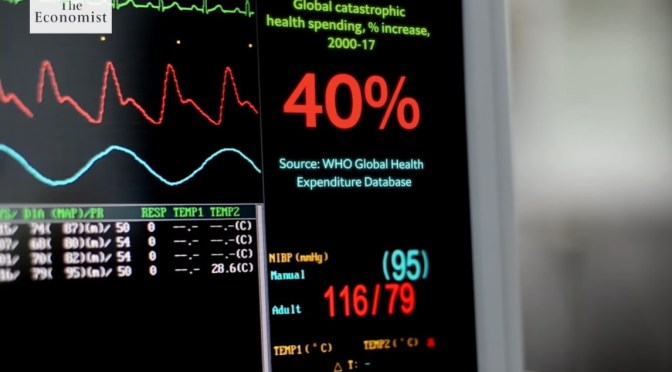
The cost of health care is unaffordable for many in the developing world. But while universal health care may sound like an impossible dream, it’s more achievable than you might think.
Video timeline: 00:00 – The argument for universal health coverage is clear 00:57 – Thailand’s path to universal health coverage 03:31 – Universal health care around the world 04:48 – How to finance universal health coverage? 05:30 – Rwanda: from genocide to public health exemplar 07:19 – What is a pooling finance system? 08:01 – Which services make the cut? 11:17 – The economic benefits of UHC 12:23 – Could covid-19 be a catalyst for reform?
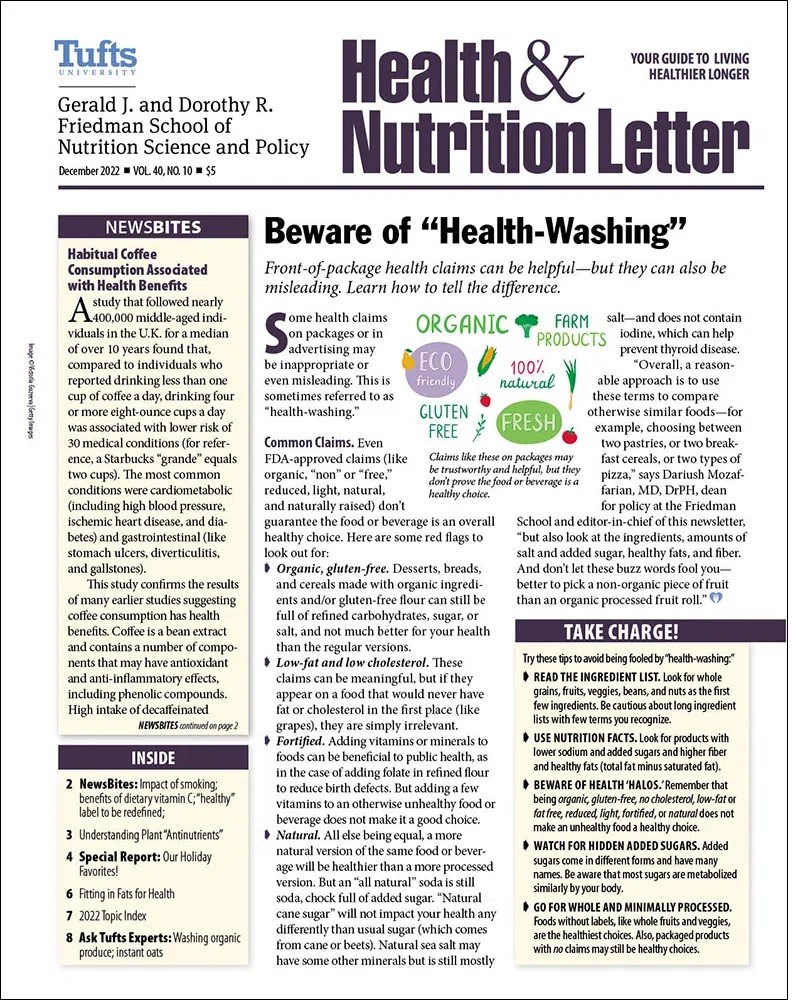
A study that followed nearly 400,000 middle-aged individuals in the U.K. for a median of over 10 years found that, compared to individuals who reported drinking less than one cup of coffee a day, drinking four or more eight-ounce cups a day was associated with lower risk of 30 medical conditions.
The U.S. Food and Drug Administration (FDA) recently proposed new draft guidelines for food manufacturers who want to label their products as “healthy.” This term was last defined in the 1990s. According to the FDA, “our current definition permits manufacturers to use the claim ‘healthy’ on some foods that, based on the most up-to-date nutrition.
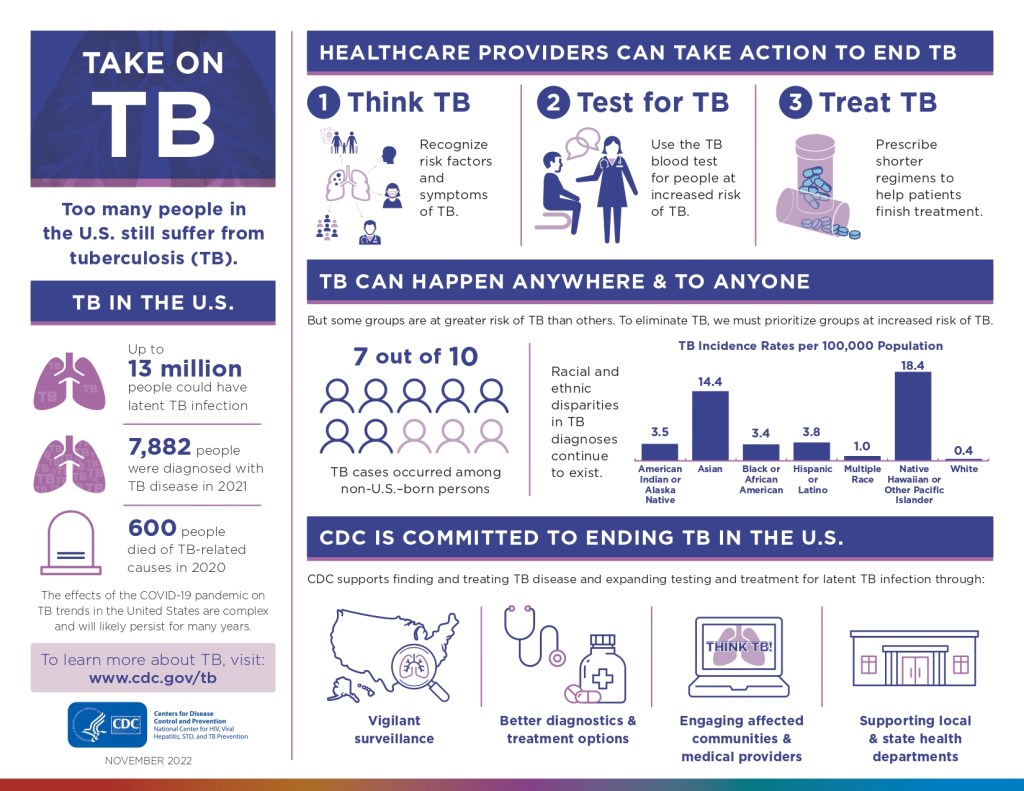
Tuberculosis is an ancient killer, and is one of the few diseases that has been traced back to Ancient Egypt and beyond. TB has ravaged humanity for millennia, and was commonly called consumption due to its tendency to produce weight loss.
Once thought to be under control, TB has received a new lease on life with the emergence of AIDS. All countries except North America, western Europe, and Australia have a problem with tuberculosis, which kills more than 1 million people each year.
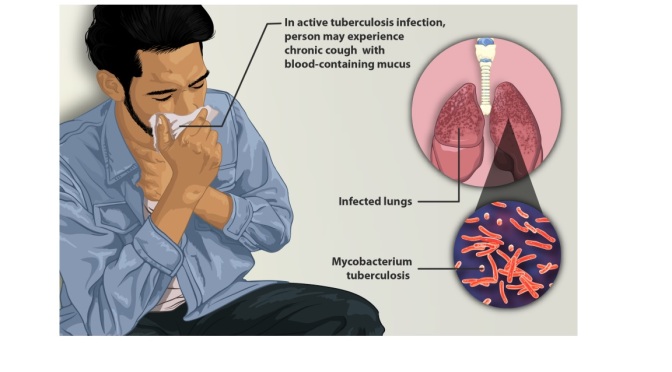
The tuberculosis germ is unusual in that It has a cell wall high in the lipid, mycolic acid. This protects the germ when it is engulfed by first responders such as macrophages. The infected cell Is surrounded by other macrophages, lymphocytes and Fibroblasts to form a granuloma. This creates a standoff, where the tuberculosis germ is still alive, but walled off, and becomes an inactive or “latent” case of tuberculosis, a small percentage of which become active each year.
Active tuberculosis produces the usual infectious symptoms of fever, chills, and cough, often productive with blood. The tuberculosis germ multipliesu much more slowly than most other bacteria and the symptoms are long and drawn out; a cough lasting for more than a month, especially if accompanied by weight loss, should raise the suspicion of TB.
TB can spread to infect bones, kidneys, liver, and brain, but prefers the lung.
A spot on the Lung, confirmed by a Tuberculin test, or a blood test called a T-spot, will confirm the diagnosis.
The slow multipication of the tuberculosis Germ requires much longer treatment, and the combination with AIDS has caused a rapid development of resistant organisms. Fortunately, there are several drugs available.
Only one immunization is currently available, namely BCG. This has been used a lot in Europe and other countries . BCG produces a weekly positive tuberculin test.
A large number of conditions which reduce immunity, such as cigarette smoking, drug use, and immunosuppressive treatments associated with organ transplants and cancer will predispose a person to catching tuberculosis. TV is transmitted in the tiny droplets from sneezing, coughing, or talking such as we were accustomed to thinking about during Covid. The same preventative measures, such as masks and avoiding close contact with infected individuals should be practiced to prevent spread from an infected person.
If you follow a healthy lifestyle and are careful when traveling, you will most likely have no trouble with this nasty infection. Please check with the following reference or more complete information.
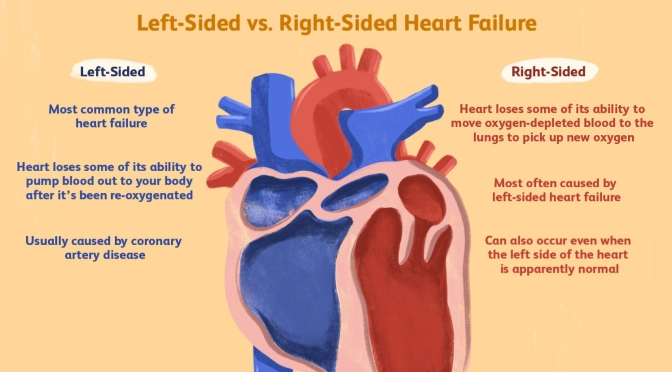
In this episode of the Heart podcast, Digital Media Editor, Dr James Rudd, is joined by Professor Carolyn Lam, a world expert in heart failure from the University of Singapore and the National Heart Centre, also in Singapore.
They discuss updates in the diagnosis and management of heart failure, including wearables, biomarkers, the 4 pillars of therapy, and how and why there has historically been an under-representation of women in heart failure trials. This episode is sponsored by an educational grant from the Boehringer Ingelheim-Lilly Alliance. The sponsor has no influence over podcast content, the selection of speakers or any associated educational material.
Professor Carolyn Lam is a Senior Consultant from the Department of Cardiology and Director of Women’s Heart Health at the National Heart Centre Singapore, having pioneered the first Women’s Heart Clinic in Singapore. Academically, she serves as a tenured Full Professor at the Duke-National University of Singapore, having also graduated from the Standford Executive Programme in 2015, and obtained a PhD at the University Medical Centre Groningen, the Netherlands in 2016. In the field of MedTech, Prof Lam is co-founder of Us2.ai, an award-wining startup dedicated to the automation of the fight against heart disease by applying artificial intelligence to echocardiography (ultrasound of the heart).
Prof Lam is a world-renowned specialist in heart failure (particularly heart failure with preserved ejection fraction [HFpEF]). Her work in the PARAGON-HF and EMPEROR-Preserved trials led to the first FDA-approved treatment for HFpEF and the first robustly positive clinical outcomes trial in HFpEF to-date, respectively. She leads several multinational global and regional clinical trials, and has received numerous prestigious awards and global recognition for her work. Her recent appointments on the 2021 European Society of Cardiology Heart Failure Guidelines Task Force, and as International Honorary Fellow of the Heart Failure Society of America 2021, attest to her contributions in both cardiology and research fields.
Prof Lam is a proud recipient of the National Medical Research Council (NMRC) Senior Investigator Clinician Scientist Award in 2020, and served as the Founding Programme Lead of A*STaR’s Asian neTwork for Translational Research and Cardiovascular Trials (ATTRaCT) and Principal Investigator of ASIAN-HF (a multinational study across 11 Asian countries). In 2019, She initiated the Asian Diabetes Outcomes Prevention Trial (ADOPT), an ongoing trial involving 5 countries and aimed at reducing the cardiovascular adverse outcomes of diabetes in Asian patients.
She has published with over 350 articles in major high impact journals including New England Journal of Medicine, Journal of the American Medical Association (JAMA), Lancet, Circulation, and European Heart Journal; and has been recognised as a World Expert by Expertscape’s PubMed-based algorithms (top 0.1% of scholars writing about Heart Failure over the past 10 years; Heart Failure: Worldwide – Expertscape.com). Besides being an Associate Editor for Circulation (top Cardiology Journal) and European Journal of Heart Failure, she is also the lead author of the chapter on HFpEF for Braunwald’s Heart Disease: A Textbook of Cardiovascular Medicine, 12th Edition – the award-winning textbook trusted by generations of cardiologists for the latest, most reliable guidance in the field.
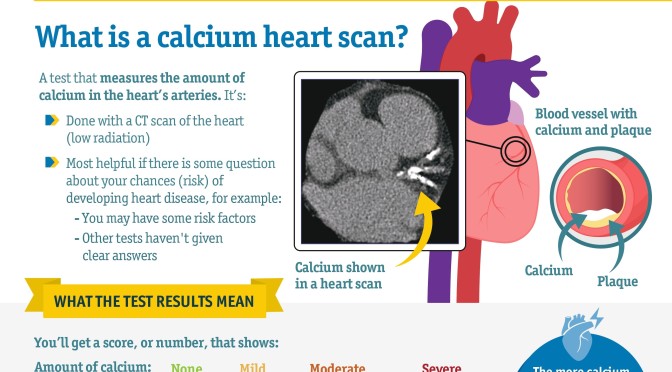
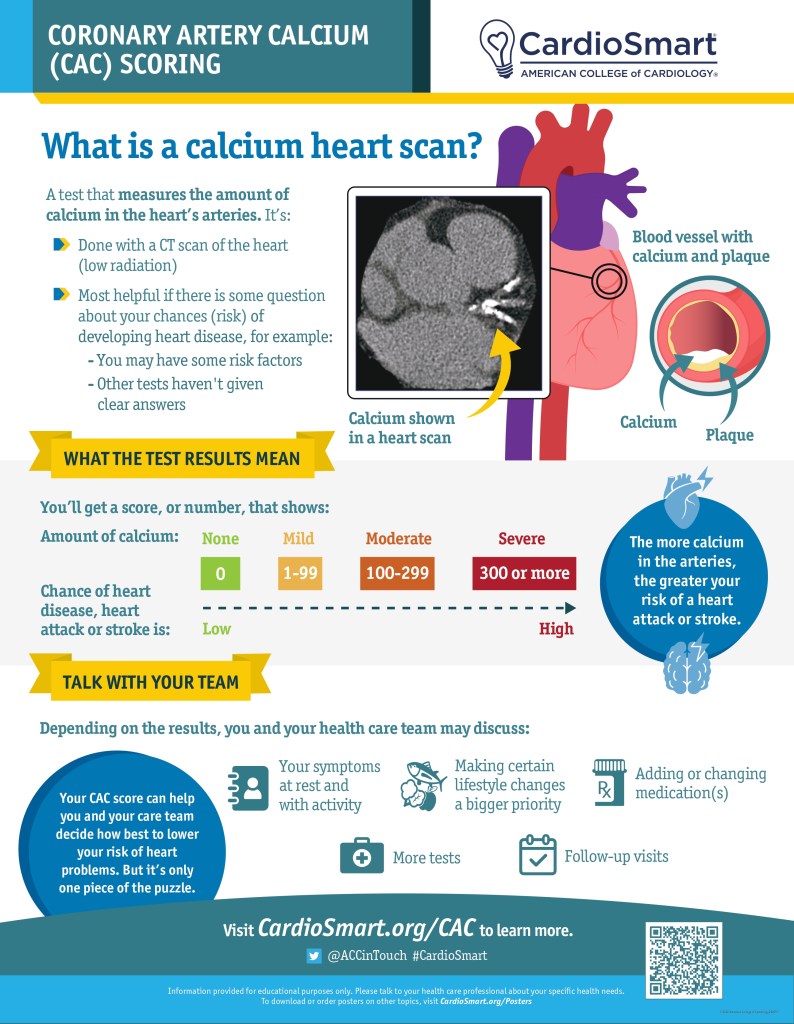
A CT scan of the heart measures the amount of calcium in the heart’s arteries. The more calcium in the arteries, the greater your risk of a heart attack or stroke.
Knowing your coronary artery calcium (CAC) score can help you and your care team decide how best to lower your risk of heart problems. But it’s only once piece of the puzzle.








 Doctors Without Waiting Rooms