Category Archives: Women’s Health

THE DOCTORS 101 CHRONIC SYMPTOMS/CONDITIONS#10: MACULAR DEGENERATION

Macular Degeneration is the most common cause of blindness in the western world.as you get older, it becomes increasingly common, and almost 20% of people older than 85 years have this disease.
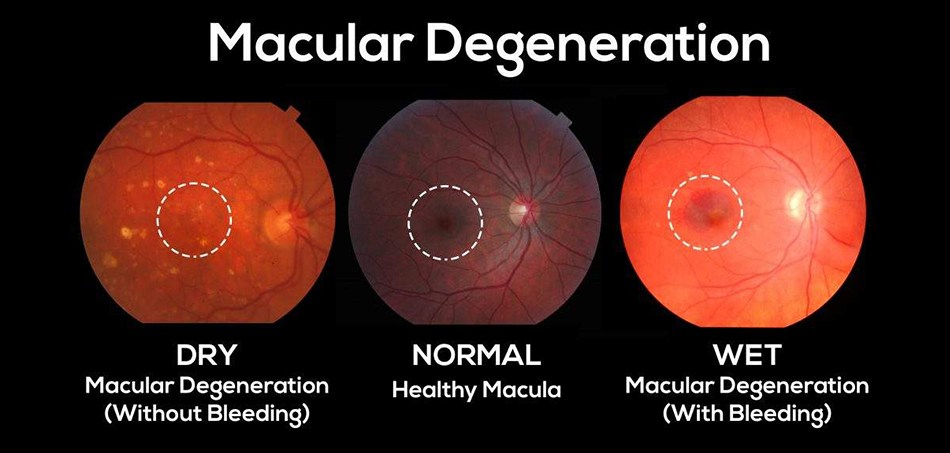
It comes in 2 types, dry and wet. Mostly it starts as the milder dry type, which develops slowly and has no definite treatment. The dry type can develop into the more rapidly progressive wet variety, however, and is important to notice and report to your ophthalmologist.

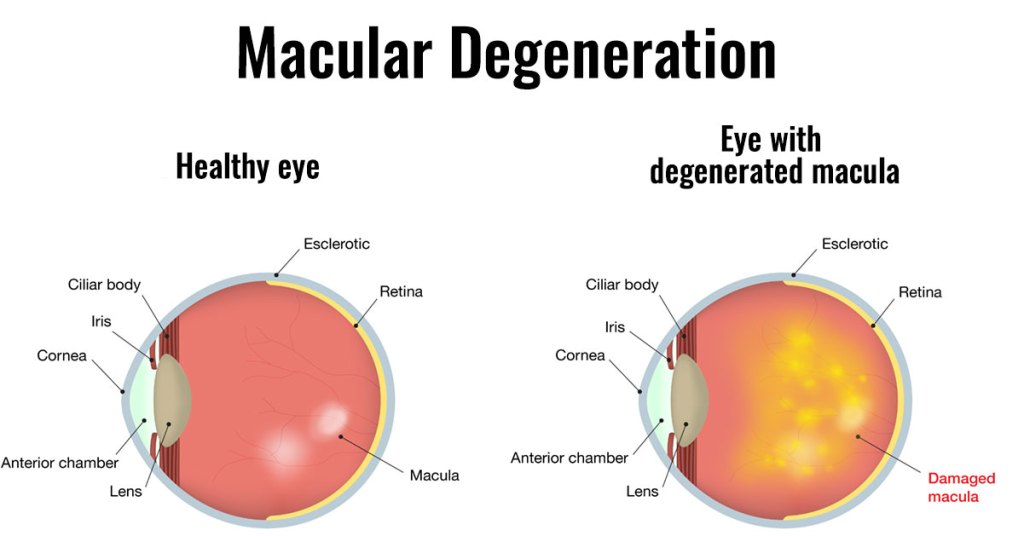
The MACULA is the center of the visual field, and has by far the most photoreceptors. It yields the sharpest vision, and is essential for reading, and even recognizing faces.

LOSS OF VISION is the commonest symptom, but is hard to notice in a slowly developing condition. A neurologist friend of mine alerted me to the AMSLER GRID, which helps in picking up the subtle distortions of this sneaky problem.
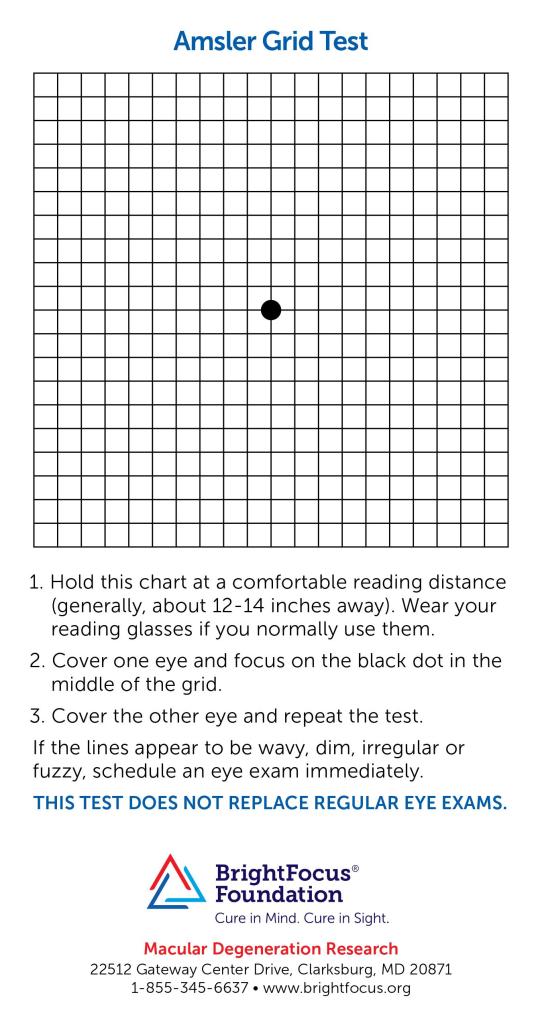
Checking your vision every few days-it takes only a few seconds- is a good idea as you age. You might be healthy in every other way, but if you are blind, the quality of life in your final years will suffer. The mechanics of the wavy lines generated by macular degeneration are deposits beneath the macula, raising it up.

The deposits are fatty in the case of the dry, and fluid in the case of the wet macular degeneration; and fluid from the abnormal blood vessels in the wet MD can collect very rapidly indeed.
Even though the cause of MD is unknown, prevention is by the same old healthy habits tiresomely mentioned in all my other postings: DIET and EXERCISE. I’m sure that good sleep doesn’t hurt either, No cigarette smoking of course, and there are some vitamins and minerals mentioned, such as lutein, zeaxanthin, zinc, and copper.

The wet MD does have a treatment to slow down the disease. Since blood vessel growth is important in causation, antibodies to VEGF, vascular endothelial growth factor, are injected into the macular area. I’m sure that more help is on the way. Some treatments to support the protective pigmented layer of the retina are currently in progress.

–DR. C

THE DOCTORS 101 CHRONIC SYMPTOMS & CONDITIONS #9: “Choking” (Food-Related)

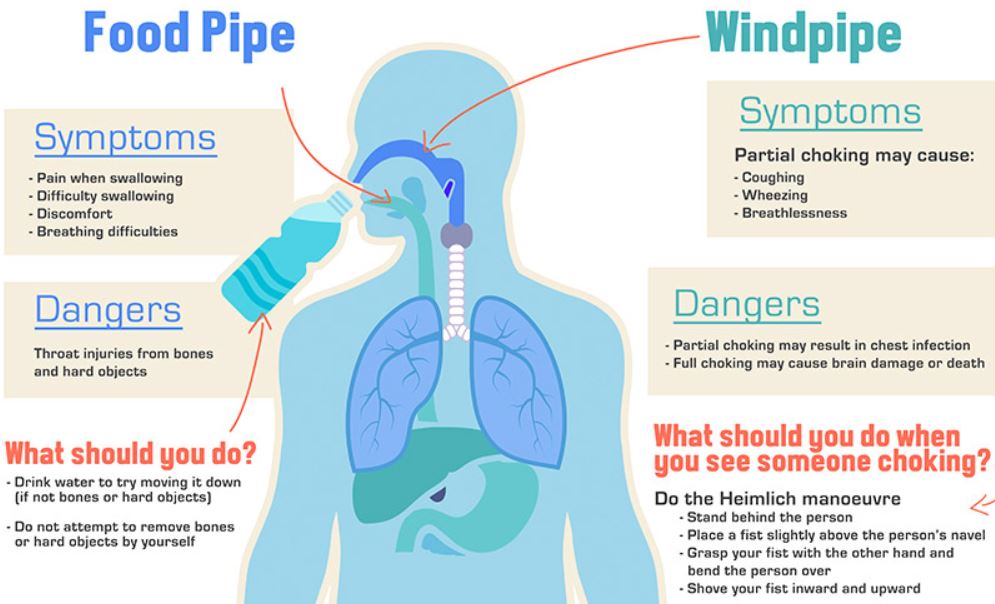
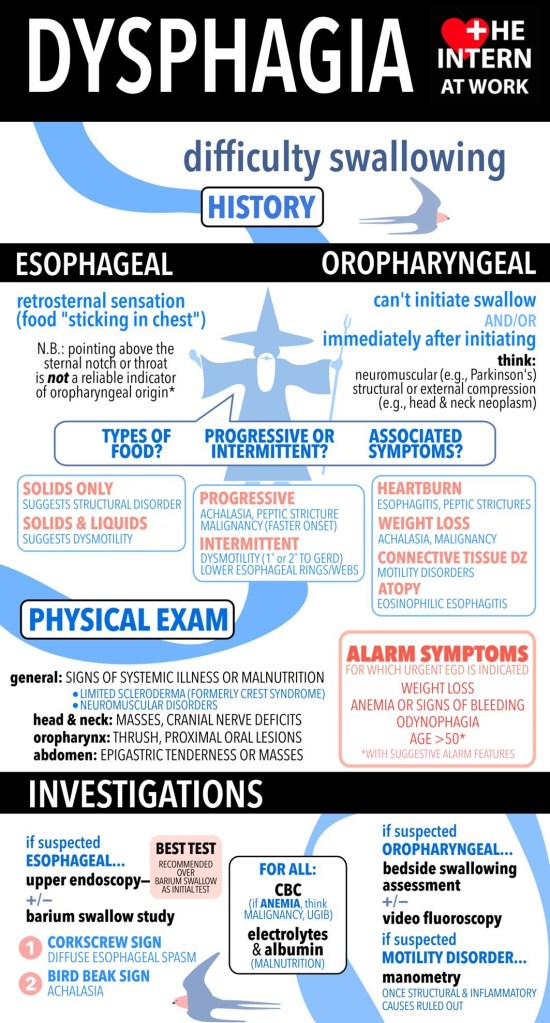
DYSPHAGIA covers a wide range of troubles, symptoms and diseases, as indicated from the excellent Infographic posted August 21, 2020. I have already discussed GERD, or trouble with the food coming back up after being swallowed.

This post will be on “choking”, or getting the food into the Airway instead of the Esophagus, or swallowing tube. In the future, I will develop a post in “swallowing difficulties”, or trouble getting the food to pass easily and freely down the esophagus into the stomach.

CHEWING the food properly is rare in our rushed, fast-food society, but it is very important, the first part of the digestion process. Mastication breaks the food into smaller particles that are easier to digest, and also EASIER TO SWALLOW. Saliva flows as you chew, and contains Ptyalin, an enzyme which breaks down starch into absorbable sugars.

Chewing also SLOWS down the rate of eating, improves enjoyment, and allows more time for the stomach to send Satiety signals to the brain. This leads to less overeating and weight gain. In children, chewing is said to aid in jaw development and to reduce dental crowding and need for Orthodontia.

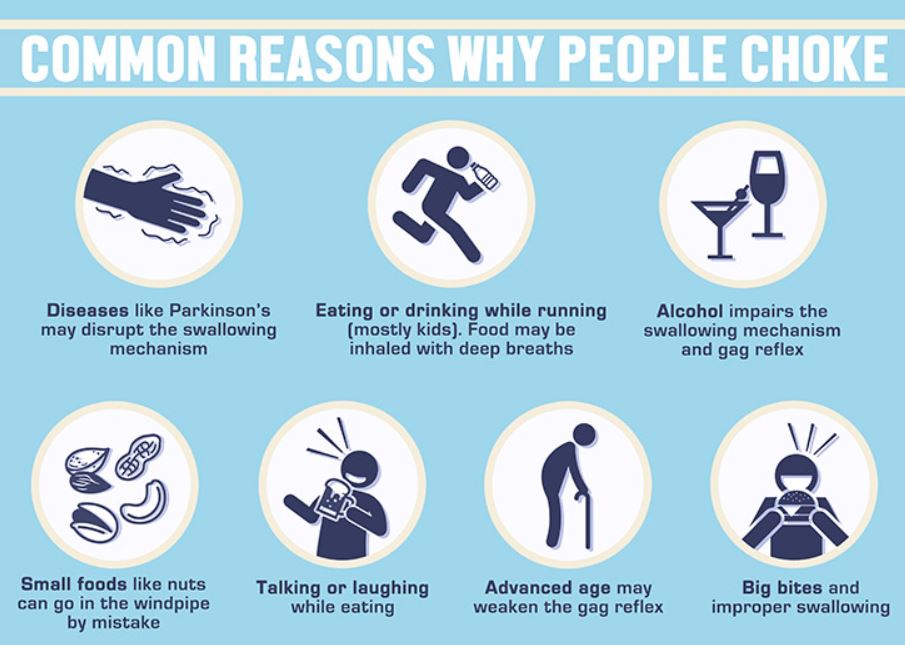
Some people have trouble in Initiating the swallowing process. This can be caused by neurological problems like Parkinson’s Disease. It can also be Psychological, a reflection of fear of discomfort on swallowing.

I have the opposite problem, a tendency to swallow too eagerly and rapidly, causing me to choke on liquids, sometimes even on water. I went to an ENT specializing in swallowing problems. He checked the sensitivity of my throat to touch, and found it normal.

Apparently LESSENED sensitivity is the main concern, which would
lead to Aspiration of food. The only guidance he gave me was to eat and drink more slowly. I find that I am most likely to choke when I drink wine, or a tasty beverage which I tend to “slurp” so as to fan the aroma out broadly in my mouth. I am having a hard time breaking myself of that habit.

Sometimes I find that residual amounts of food builds up in the back of my throat, probably by my epiglottis. I worry about nuts especially. If I don’t drink some water to flush it away, I am likely to choke on it. I guess that is the reason people are told to offer some water to a person who is choking.

I seem to be choking more as I get older, which is reasonable. Swallowing requires an amazingly intricate coordination and motion in the throat area, especially in getting the epiglottis, the little door that closes off the windpipe, to close properly.

My other dexterities are fading, why should swallowing be an exception? Pill swallowing is getting more frequent and more problematic at the same time.

Tablets are worse than capsules, maybe because they are not as slick. There is one size in particular that tends to get stuck in the back of my throat just above the uvula. I sometimes have to cough a lot and choke the offending object back up. One more reason to constantly try to cut down the number of pills.

There is one good thing about this problem, however. I now take the pills separately with a big swallow of water, improving my Hydration.

–Dr. C.

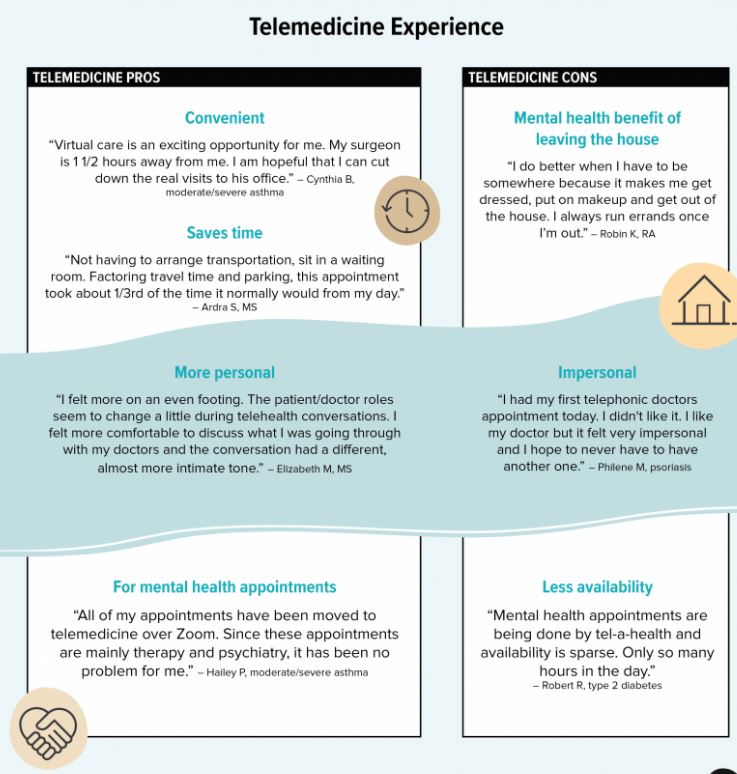
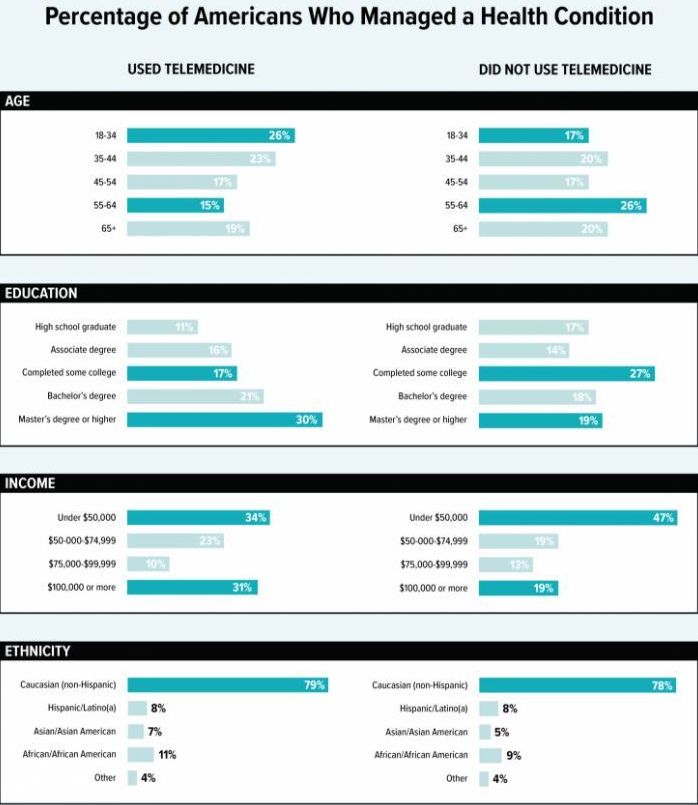
Surveys: Telemedicine Surges With “Chronic Condition” Patients

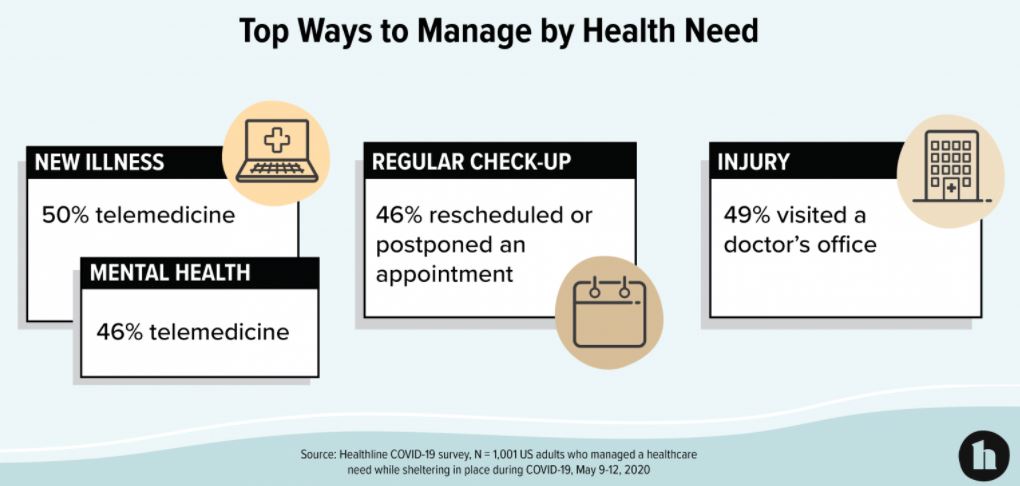
Though people living with a chronic condition have a vast range of experiences, our data show that the most common way they managed their condition between March and May 2020 was through telemedicine (45 percent). Only 8 percent had used it before… 

Read more

THE DOCTORS 101 CHRONIC SYMPTOMS & CONDITIONS #8: GOUT (GOUTY ARTHRITIS)

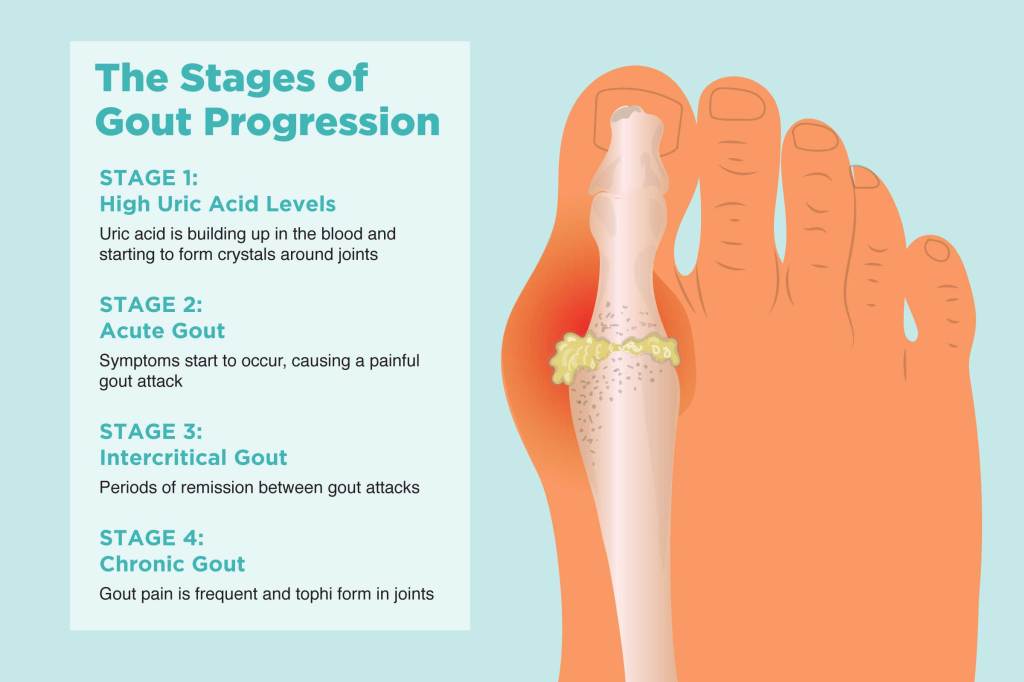
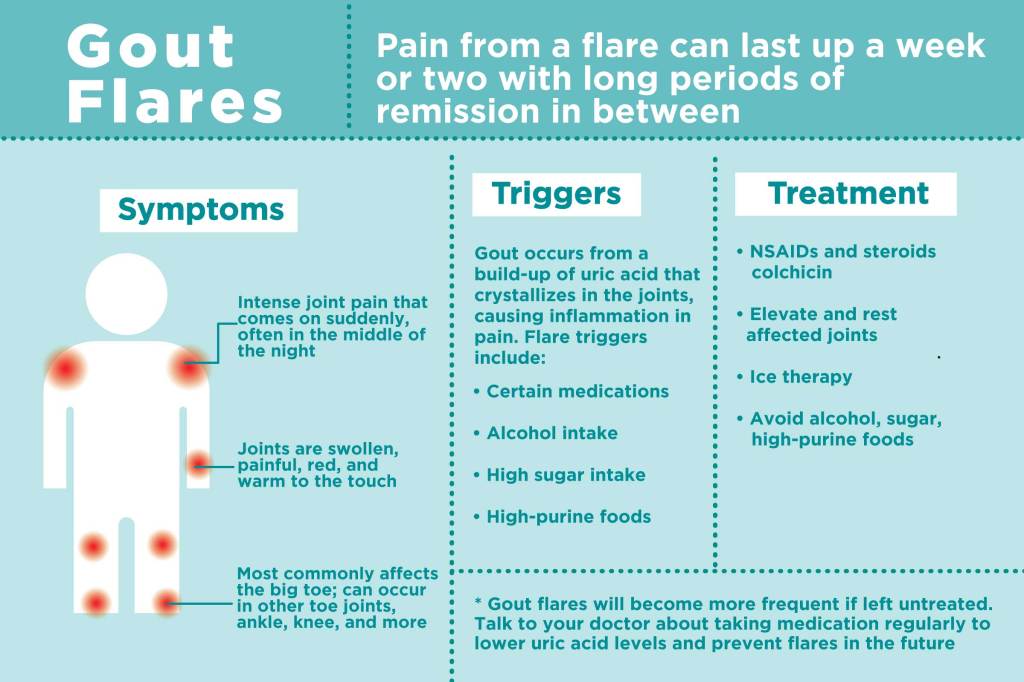
If you develop severe big toe pain in the middle of the night, and it is so tender that you can’t even stand the pressure of the sheet on it, you may have GOUT, an increasingly common form of ARTHRITIS.

And you would be in famous company: King Henry Vlll, Isaac Newton, and Benjamin Franklin all had Gout. There is even a famous dialogue between Franklin and his Tormentor.

Gout is caused by a buildup of URIC ACID in the bloodstream. This buildup can be caused by eating too much nucleic-acid-containing foods, like meats, “sweetbreads” and shellfish, and drinking too much alcohol, especially beer.

Reduced Clearance of Uric acid in the kidneys may contribute, and may be responsible for some of the familial tendencies of gout. The uric excess acid in the blood stream gets into joint tissues, most famously the big toe, although ankles, knees and other joints may be involved.

When deposited in joint tissues, the uric acid crystals attract inflammatory cells, which secrete their Interleukins and produce all of the symptoms of painful, red and swollen joints.

Risk factors include Obesity, diabetes, and the usual suite of problems of the METABOLIC SYNDROME. Just look at a picture of Henry Vlll with a mug of beer in one hand, and a leg of mutton in the other, and your big toe will start to hurt.

Dietary regulation is one of the best ways of reducing PURINE AND PYRIMIDINE intake and consequently the metabolic BYPRODUCT, Uric Acid, in the circulation.

There are DRUGS, called uricosurics, which will cause the kidneys to Clear more Uric acid, and other drugs, such as thiazide diuretics, which will reduce clearance and excretion of gout’s causative agent.

Yes, UNHEALTHFUL EATING CAN BE PAINFUL.

–DR. C

Technology: SCIENTISTS DEVELOP SMARTPHONE APP TO DETECT “DIABETES” (UCSF)

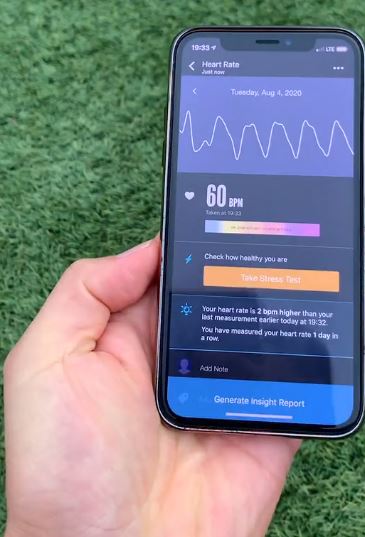
Overall, the algorithm correctly identified the presence of diabetes in up to 81 percent of patients in two separate datasets. When the algorithm was tested in an additional dataset of patients enrolled from in-person clinics, it correctly identified 82 percent of patients with diabetes.  

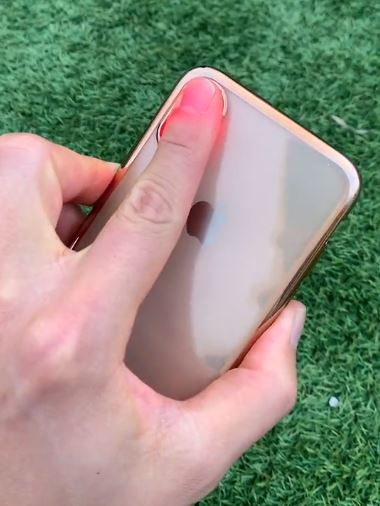
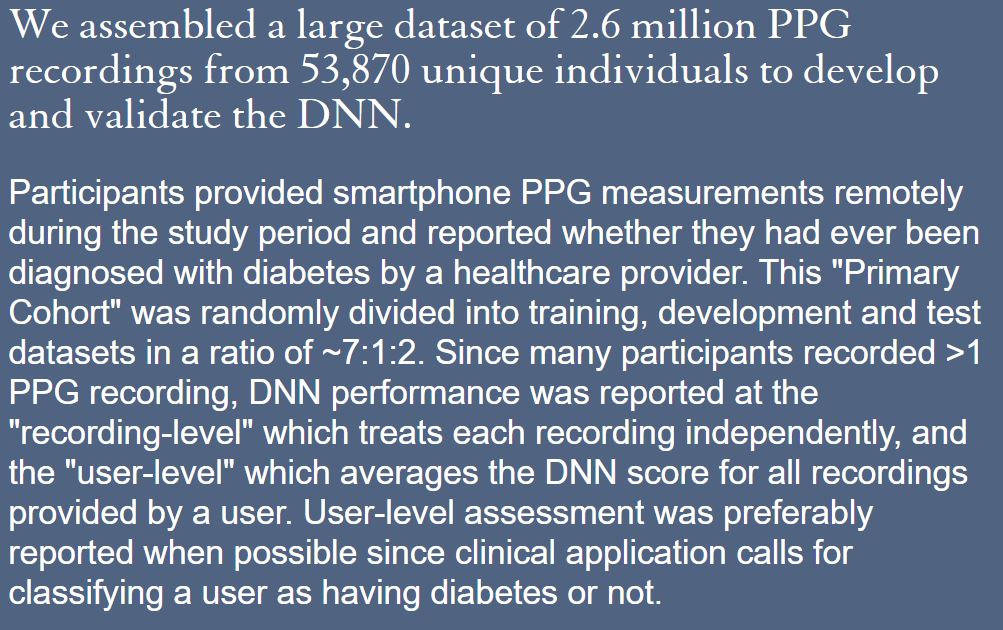
In the Nature Medicine study, UCSF researchers obtained nearly 3 million PPG recordings from 53,870 patients in the Health eHeart Study who used the Azumio Instant Heart Rate app on the iPhone and reported having been diagnosed with diabetes by a health care provider. This data was used to both develop and validate a deep-learning algorithm to detect the presence of diabetes using smartphone-measured PPG signals.  

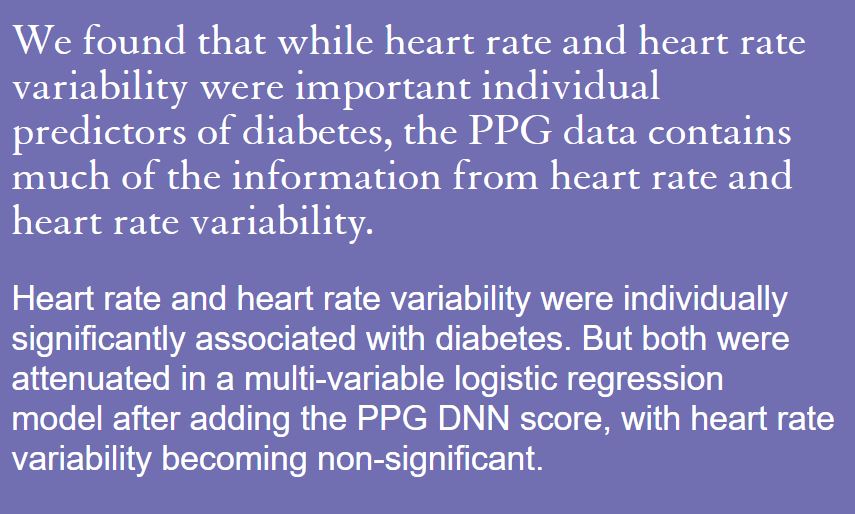
Among the patients that the algorithm predicted did not have diabetes, 92 to 97 percent indeed did not have the disease across the validation datasets. When this PPG-derived prediction was combined with other easily obtainable patient information, such as age, gender, body mass index and race/ethnicity, predictive performance improved further.

Read more

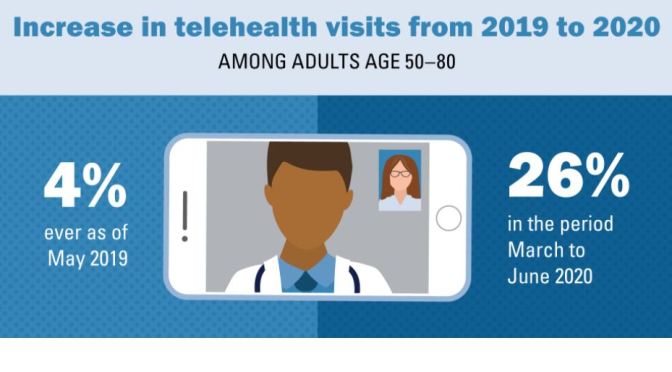
Telehealth: Older Adults increase Use Of Virtual Visits from 4% To 26% (2020)

From 2019 to 2020, there was a substantial increase in the proportion of older adults who reported that their health care providers offered telehealth visits. In May 2019, 14% of older adults said that their health care providers offered telehealth visits, compared to 62% in June 2020.

Similarly, the percentage of older adults who had ever participated in a telehealth visit rose sharply from 4% in May 2019 to 30% in June 2020. Of those surveyed in 2020, 6% reported having a telehealth visit prior to March 2020, while 26% reported having a telehealth visit in the period from March to June 2020.

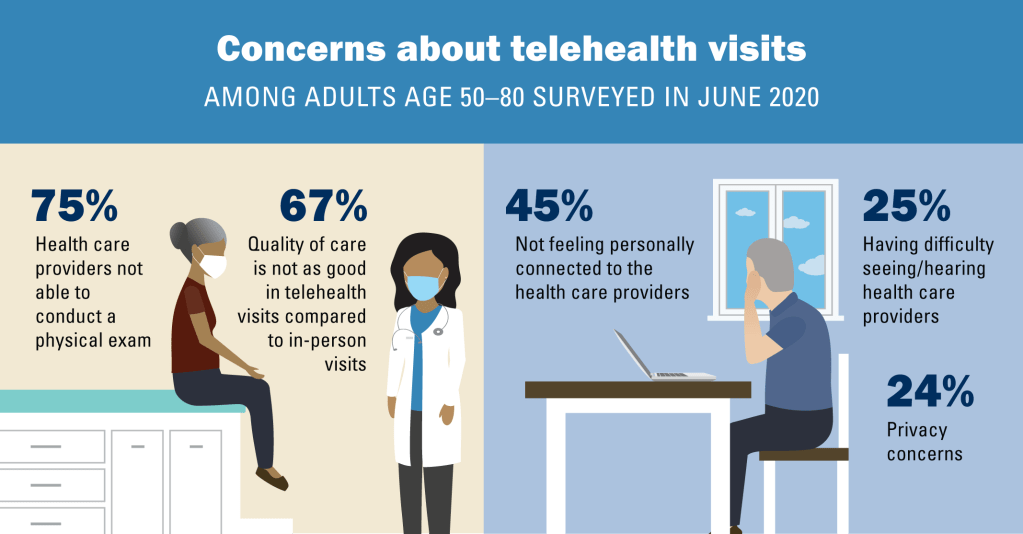
Over the past year, some concerns about telehealth visits decreased among adults age 50–80 whether or not they had a telehealth visit. Older adults’ concerns about privacy in telehealth visits decreased from 49% in May 2019 to 24% in June 2020, and concerns about having difficulty seeing or hearing health care providers in telehealth visits decreased from 39% in May 2019 to 25% in June 2020. Concerns about not feeling personally connected to the health care provider decreased slightly (49% to 45%).

Read more

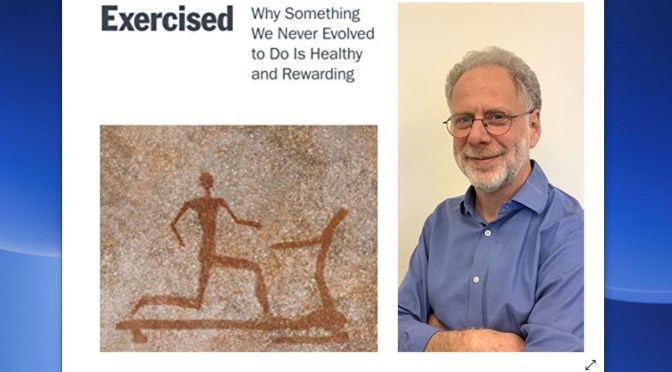
TOP NEW BOOKS ON AGING: “EXERCISED” BY DANIEL E. LIEBERMAN – “EXTENDING LONGEVITY” (HARVARD)

HARVARD MAGAZINE (SEPT – OCT 2020): From the book EXERCISED: Why Something We Never Evolved to Do Is Healthy and Rewarding by Daniel E. Lieberman, to be published on September 8, 2020 by Pantheon Books:

‘….many of the mechanisms that slow aging and extend life are turned on by physical activity, especially as we get older. Human health and longevity are thus extended both by and for physical activity.’

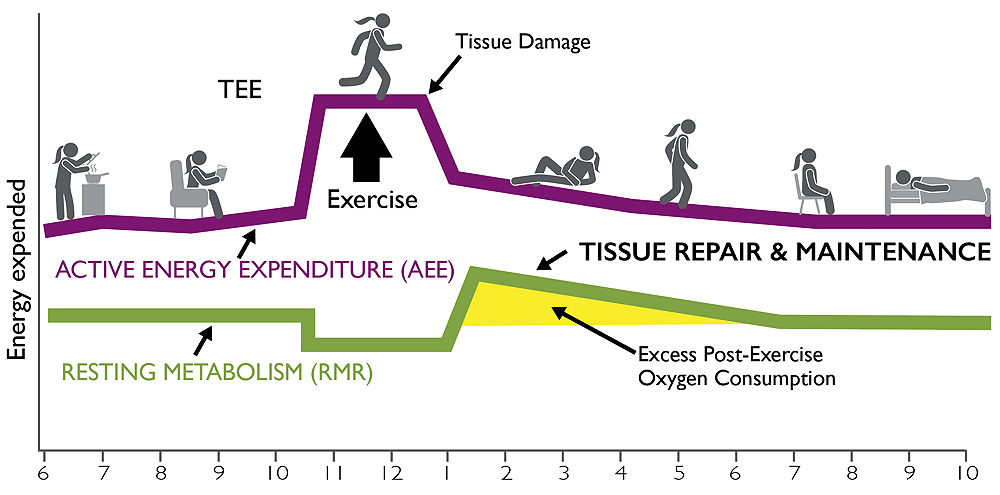
What Happens When We Exercise?
The graph breaks total energy expenditure (TEE) into two parts: active energy expenditure, and resting metabolism. Resting metabolism remains elevated for hours even after exercise ceases, burning additional calories in a phase known as excess post-exercise oxygen consumption (EPOC).

Exercise is like scrubbing the kitchen floor so well after a spill that the whole floor ends up being cleaner. The modest stresses caused by exercise trigger a reparative response yielding a general benefit.

In order to elucidate the links between exercise and aging, I propose a corollary to the Grandmother Hypothesis, which I call the Active Grandparent Hypothesis. According to this idea, human longevity was not only selected for but was also made possible by having to work hard during old age to help as many children, grandchildren, and other younger relatives as possible survive and thrive. That is, while there may have been selection for genes (as yet unidentified) that help humans live past the age of 50, there was also selection for genes that repair and maintain our bodies when we are physically active.

Daniel E. Lieberman is a paleoanthropologist at Harvard University, where he is the Edwin M Lerner II Professor of Biological Sciences, and Professor in the Department of Human Evolutionary Biology. He is best known for his research on the evolution of the human head and the evolution of the human body.

Read full excerpt from article

COMMENTARY

Daniel Lieberman, a Cultural Anthropologist from Harvard, makes the case that paleolithic hunter-gatherers Grandparents were helpful, in fact necessary to their families, and evolved to be active into old age. They did not evolve to sit in front of the TV, and modern men pay a penalty if they do.

INACTIVITY at ANY AGE is bad. If you put 20 year olds to bed, both weight and blood pressure go up. The book addresses a conundrum. Free radicals are bad. Exercise runs O2 through the mitochondria, which produces free radicals.

But EXERCISE REDUCES FREE RADICALS. A metaphor is introduced: you spill some tomato juice on the floor. But you clean it up, and the floor becomes cleaner than it was before. You exercise, the muscles suffer some microtears and injury. The REPAIR RESTORES the muscles to better than before, maybe with some extra mitochondria.

The Bodies MECHANISMS are MEANT TO BE USED. DIET is meant to supply the body energy and units for repair, EXERCISE is meant to use that energy, and keep the mechanism lubricated, and SLEEP is meant to allow for time to accomplish repair.

Sleep, Diet and Exercise can all be reconciled by recourse to Paleolithic man, whose activities imprinted our modern bodies.

–Dr. C.

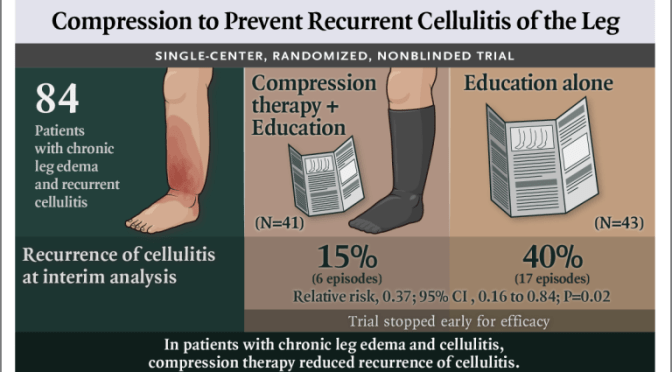
HEALTH: “COMPRESSION THERAPY” REDUCES CHRONIC CELLULITIS & LEG EDEMA

New England Journal of Medicine (Aug 13, 2020) – In this small, single-center, nonblinded trial involving patients with chronic edema of the leg and cellulitis, compression therapy resulted in a lower incidence of recurrence of cellulitis than conservative treatment.

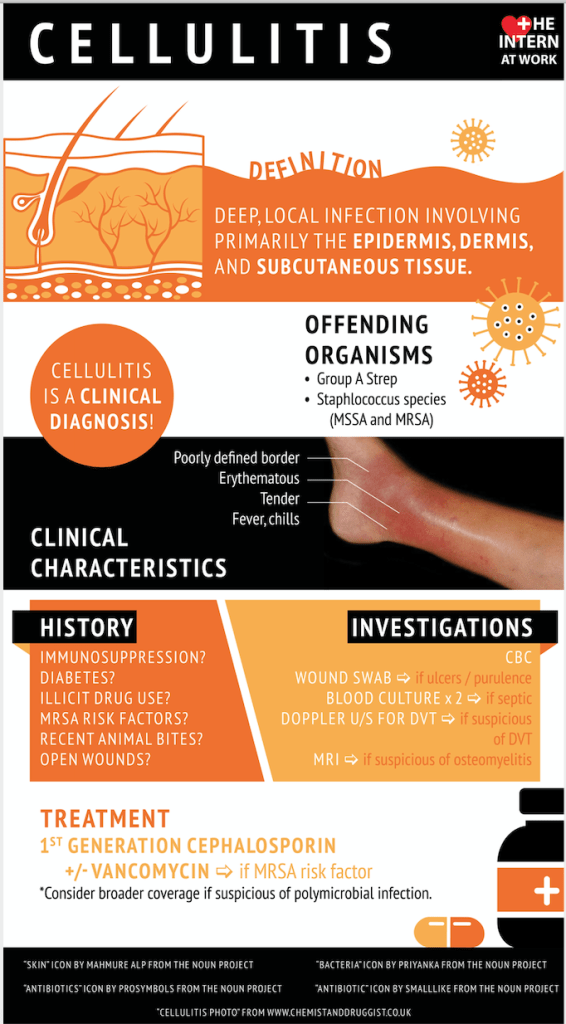
The researchers have conducted a single-center, randomized, nonblinded trial that aimed to find out an association between the compression therapy and controlled incidents of chronic edema of the leg and people with cellulitis that can be defined as an infection of the skin that involves subcutaneous tissues or the innermost layer of the skin. Cellulitis can be caused by trauma or scratching of other lesions due to animal or human bites that result in fever, extreme pain, and redness of the skin.

Read more

Read NEJM Study

COMMENTARY

I have been using compression stockings for decades, since the discovery of the difference in color of my feet. An evaluation by a vascular surgeon revealed incompetence in the valve of my left popliteal vein. It wasn’t long before I developed small varicose veins.

Comfortable with PREVENTATIVE MEDICINE after a career in ALLERGY, I started wearing Jobst compression stockings, with 30-40 mm of constrictive force. After a decade or so of daily wearing, my big toes started to overlap my second toes, and I began using toe-spreaders; scissor-toe and hammer-toe were my worry, and I wanted to prevent this discomfort.

After a while, I began to notice that the Jobst stockings tended to bunch my toes together. Also, with the developing arthritis in my fingers, it was increasingly hard to get the 30-40mm stockings on without straining my arthritic hands. I now wear OPEN-TOE 15-20mm compression Medi stockings, which are easier to get on, and don’t bunch up my toes.

I still use the visco-elastic toe spreaders. Now, back to the compression stockings for treatment of cellulitis complicating ankle swelling. Of course it works. Beta Hemolytic Streptococci and Staph aureus like nothing better to feed on than a warm pool of interstitial fluid, which is the juice that comprises the ankle swelling.

And BLOOD CLOTS tend to form in the stagnant pools of blood which aggregates in varicose veins, particularly when you are sitting for a long time, such as during a long airline trip. By all means, use compression stockings if you have ankle edema, or even a condition predisposing to ankle edema like varicose veins. Don’t wait for the complication to develop. Be PROACTIVE, and STAY HEALTHY.

–DR. C