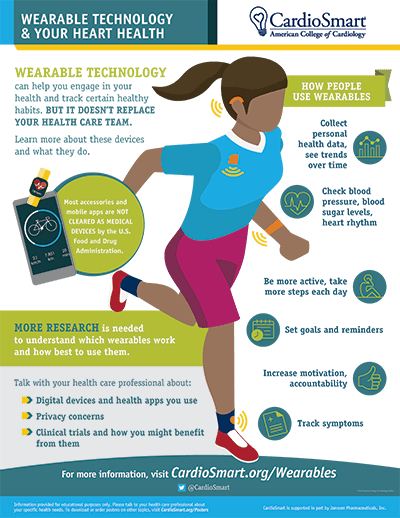
In the future, remote monitoring of health data using wireless–enabled devices that measure a person’s weight, blood pressure, blood sugar, pulse, and heart rhythm could further advance telehealth’s promise.
“I imagine a world where we are continuously monitoring key health factors and using artificial intelligence to monitor those signals,” says Dr. Schwamm.
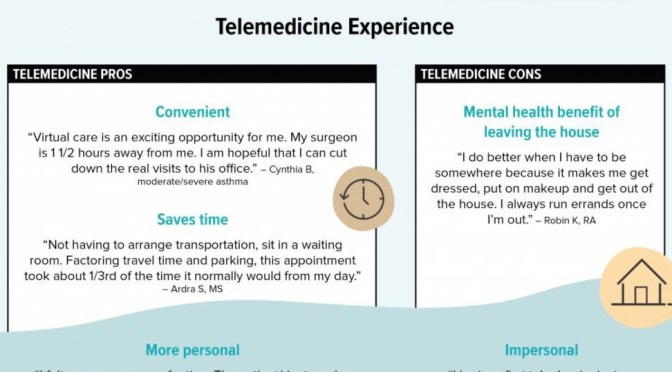
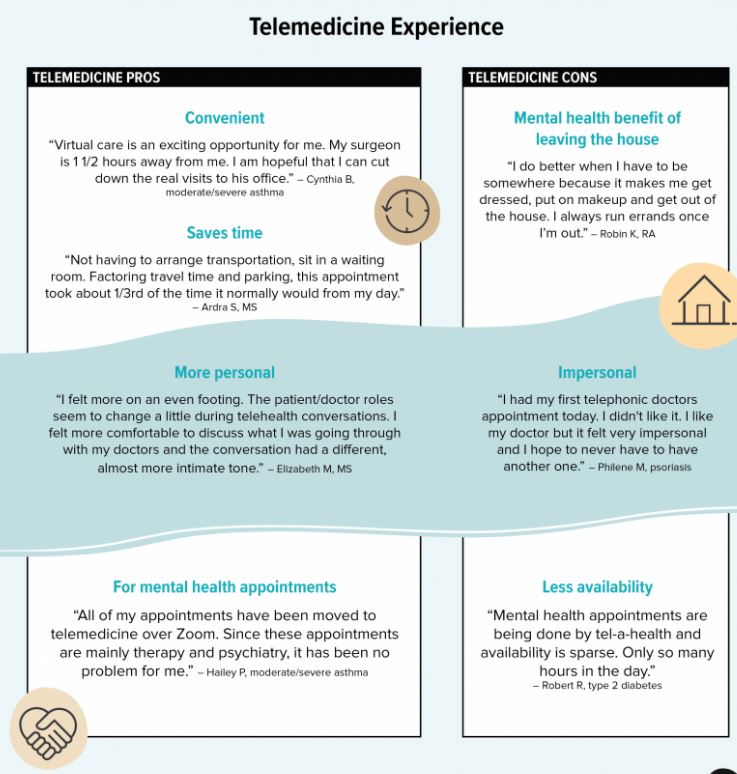
From a patient’s perspective, virtual visits save a lot of time. You don’t need to take time off work or other commitments to drive, park, and sit in a waiting room before your visit. And even though you’re not in the same room, you may actually get more direct eye contact with your physician, thanks to the face-to-face nature of video calling.
Another advantage: you may be able to have another person — such as a family member who lives across town or across the country — join the video call. That could be especially helpful if you’re facing an upcoming procedure or discussing a serious health concern. Just as with in-person visits, it’s nice to have another person listening, asking questions, and taking notes.
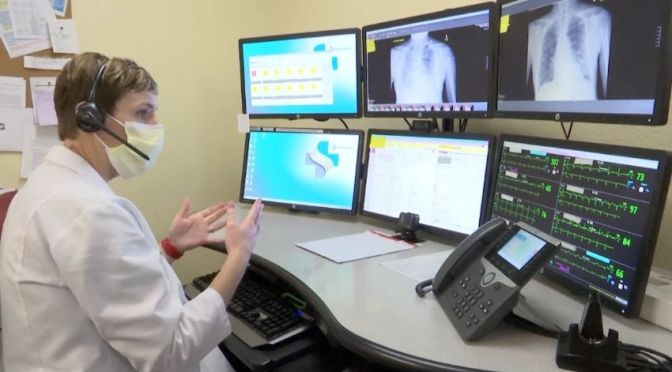
A growing number of hospitals are relying on remote ICUs to monitor and evaluate patients virtually, which helps to cope with an unrelenting COVID-19 caseload.
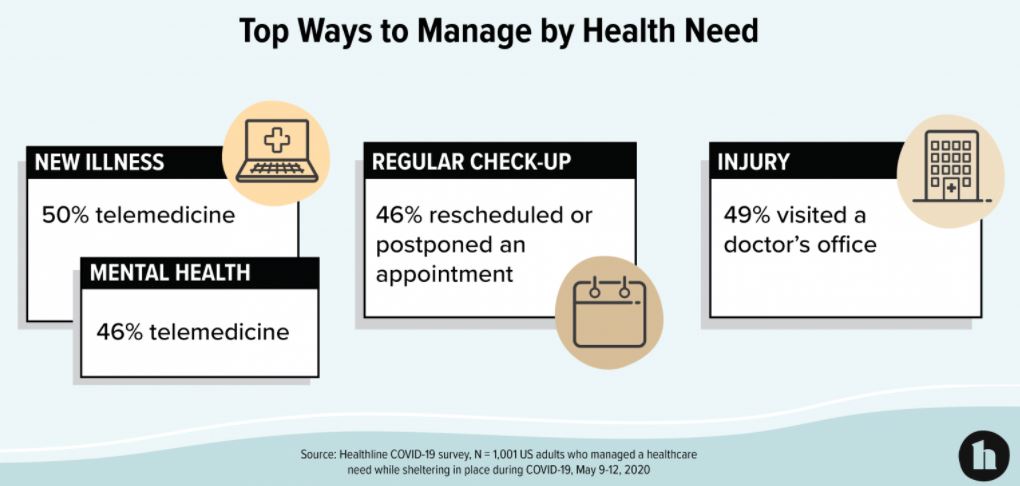
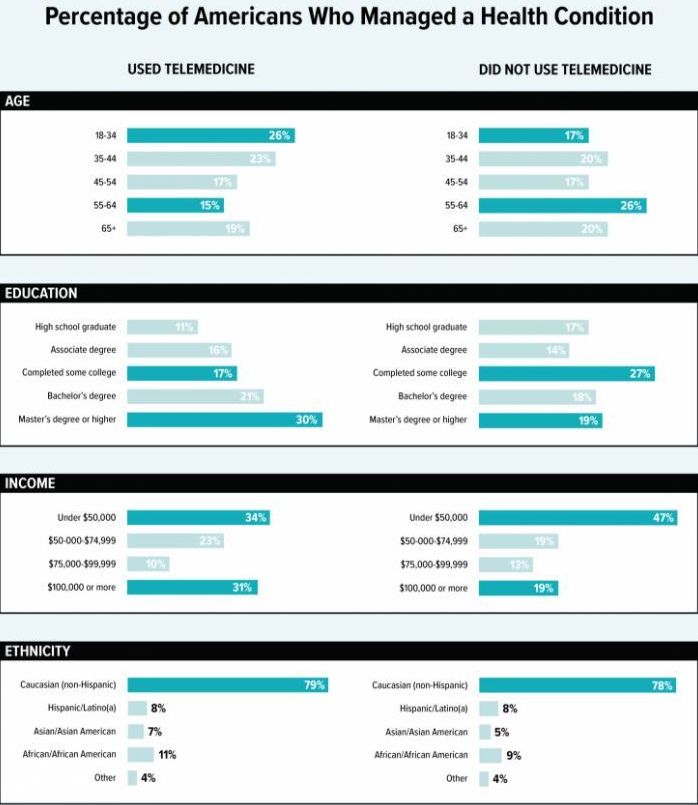
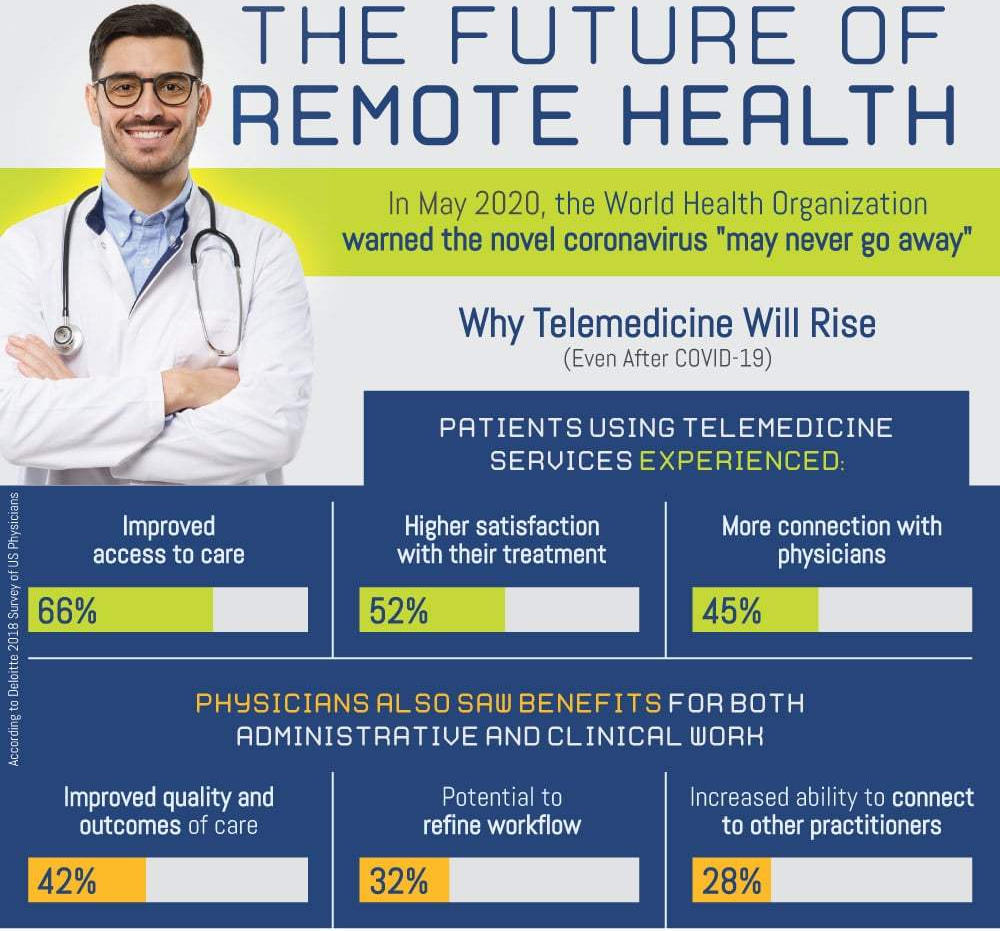
‘Though people living with a chronic condition have a vast range of experiences, our data show that the most common way they managed their condition between March and May 2020 was through telemedicine (45 percent). Only 8 percent had used it before… ‘
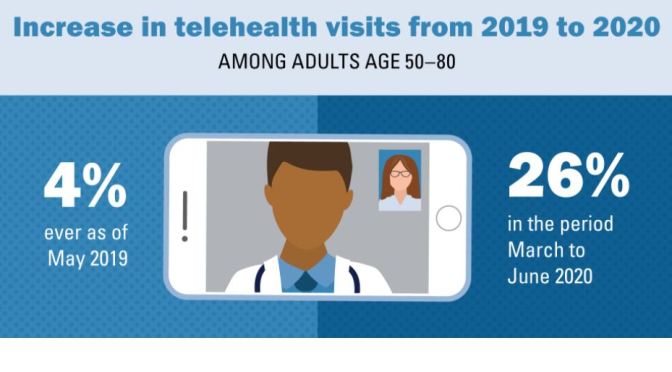
From 2019 to 2020, there was a substantial increase in the proportion of older adults who reported that their health care providers offered telehealth visits. In May 2019, 14% of older adults said that their health care providers offered telehealth visits, compared to 62% in June 2020.
Similarly, the percentage of older adults who had ever participated in a telehealth visit rose sharply from 4% in May 2019 to 30% in June 2020. Of those surveyed in 2020, 6% reported having a telehealth visit prior to March 2020, while 26% reported having a telehealth visit in the period from March to June 2020.
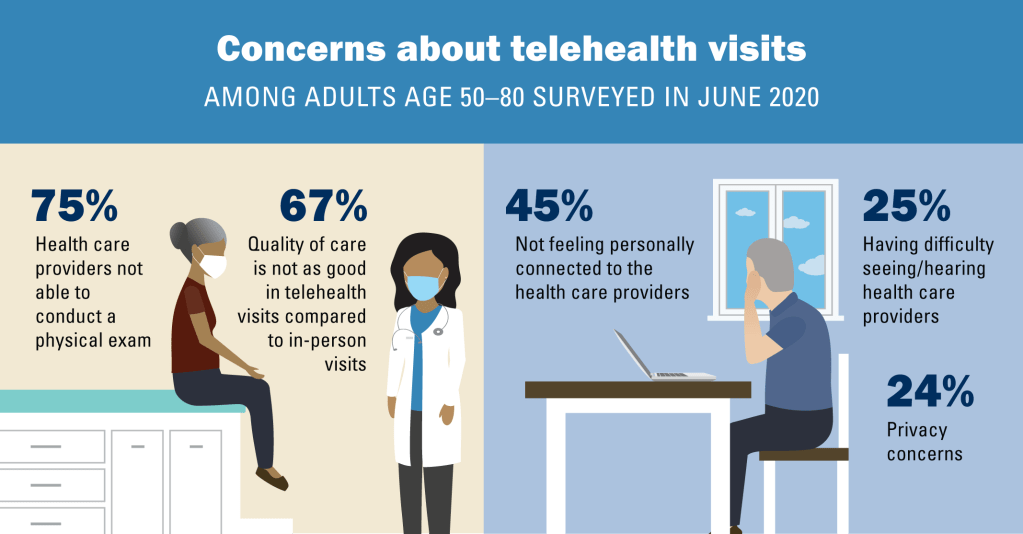
Over the past year, some concerns about telehealth visits decreased among adults age 50–80 whether or not they had a telehealth visit. Older adults’ concerns about privacy in telehealth visits decreased from 49% in May 2019 to 24% in June 2020, and concerns about having difficulty seeing or hearing health care providers in telehealth visits decreased from 39% in May 2019 to 25% in June 2020. Concerns about not feeling personally connected to the health care provider decreased slightly (49% to 45%).
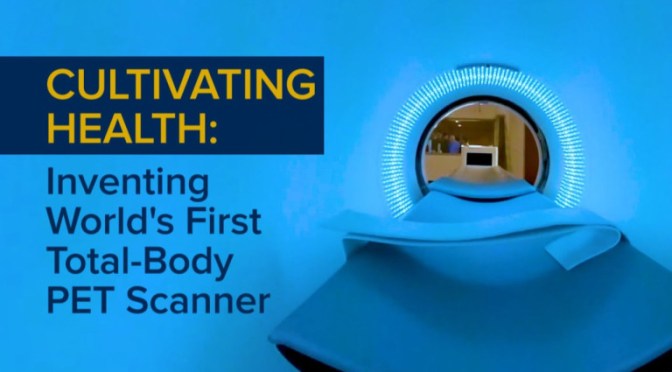
UC Davis Health scientists Simon Cherry and Ramsey Badawi spent 15 years developing the world’s first total-body PET scanner, called EXPLORER. This imaging machine scans a patient’s entire body at one time, delivering breathtaking image quality that improves patient diagnoses and disease research.
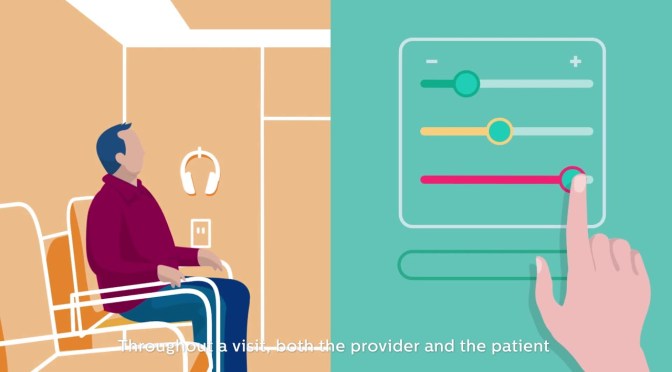
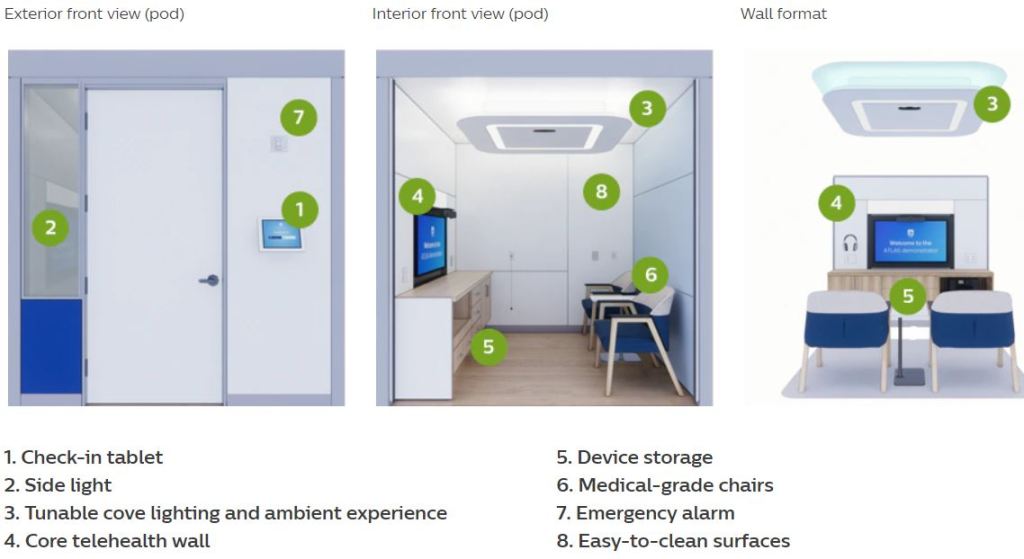
Philips Virtual Care Station, inspired by the VA’s ATLAS program, is a community-based telehealth solution designed to expand access to high-quality care by connecting patients and providers remotely through a secure, clinical-grade environment.
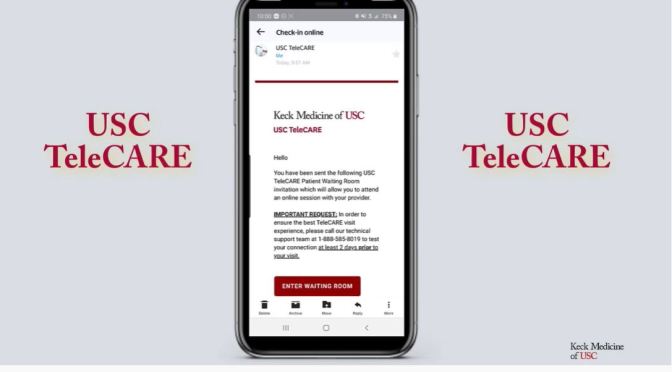
What should you expect when you schedule a telehealth appointment with our physicians? John Carmichael, MD, and Sirisha Mohan, MD, walk you through the process and offer helpful tips on how to make the most of the experience.
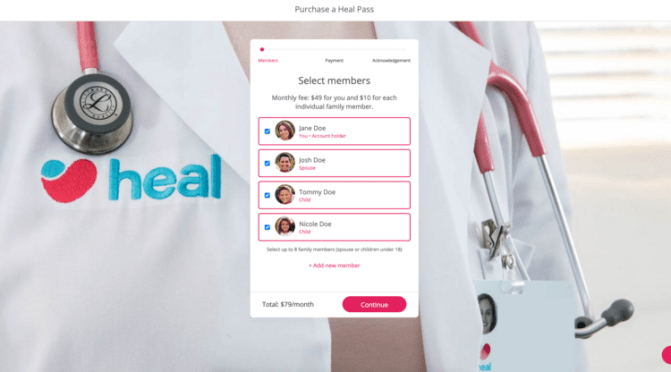
By providing house calls and telemedicine from physicians at a fixed monthly fee with no copays, no deductibles, and no insurance required, Heal Pass is making affordable healthcare possible for the estimated 27 million Americans who recently lost their health insurance along with their jobs because of COVID-19.
Heal patients can register now for the new service starting at $49 per month.
Adults can add members of their household to their Heal Pass account for an additional $10 per person each month and may register up to six people to the account.
Patients spend an average of $800 out of pocket each year, in addition to $2,000 for an emergency room visit.
With Heal Pass, a family of four would receive up to 36 total appointments at an average cost of less than $27.
Individual patients can save up to $1,100 per year and the average family can save up to $2,200 per year.
Uninsured individuals and their families are fearful of getting sick and accumulating high medical bills during this time of economic uncertainty.
Heal Pass is not health insurance, but it is health assurance, giving the uninsured the comfort of knowing they can get the care they need at a fixed, low fee with no surprise bills or out of pocket costs.
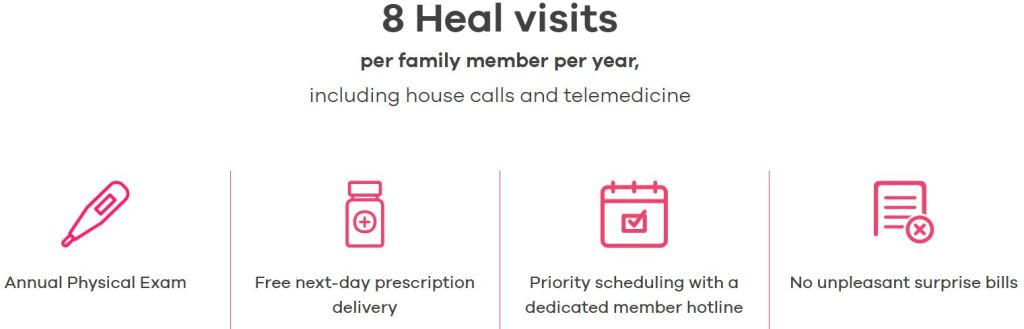
The new program allows up to eight house calls or telemedicine appointments per member each year in addition to an annual physical, helping with patients’ most common needs, including primary care, preventive care, non-emergency urgent care and chronic disease management.
It also includes free next day delivery of medications prescribed by a Heal doctor. Heal doctors are highly qualified and deliver house calls and care in a way that keeps patients safe from COVID-19 exposure as the country sees a pronounced second spike with 58,618 cases per day on average over the last seven days.
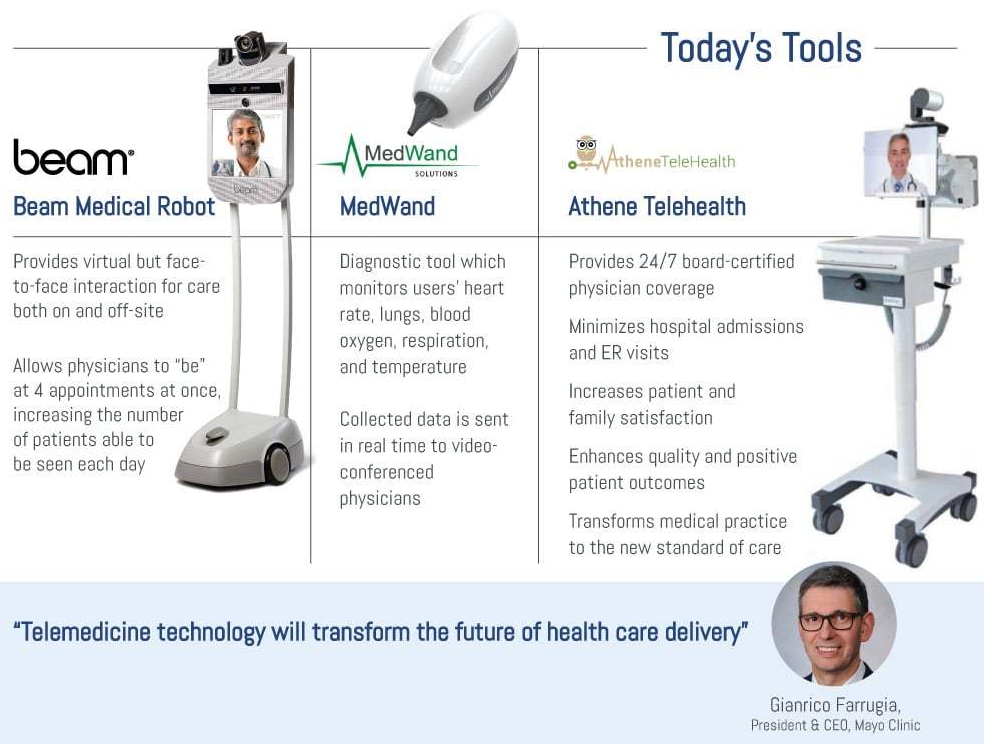
Telemedicine and Covid 19 are fermenting together and creating some new ideas for medical care.
Safety is a concern, and what could be better than your own home, using telemedicine, or a futuristic telemedicine booth located at convenient locations for the busy traveler?
Convenience is another attraction, with a PREPAID aliquot of healthcare; this idea was featured by Forward Health, reviewed a couple of weeks ago, which offered a package of remote monitors and 24/7 access for $149 per month.
Now, Heal pass offers 24/7 access they call “house calls” for $49. a month, with a blizzard of statistics on what you will save. We will see.
You usually get what you pay for.
The Onmed station sounds doable, and has the advantage of self-contained units that may be available to you at the right place and time. You could conceivably even wind up with a prescription as you exit the booth.
—Dr. C.
Empowering Patients Through Education And Telemedicine





 Doctors Without Waiting Rooms