

Category Archives: Resources
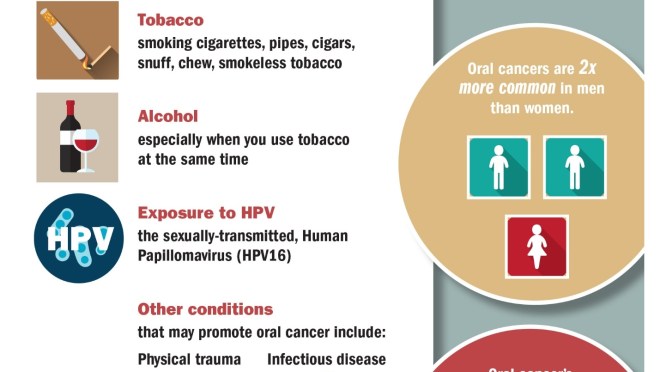
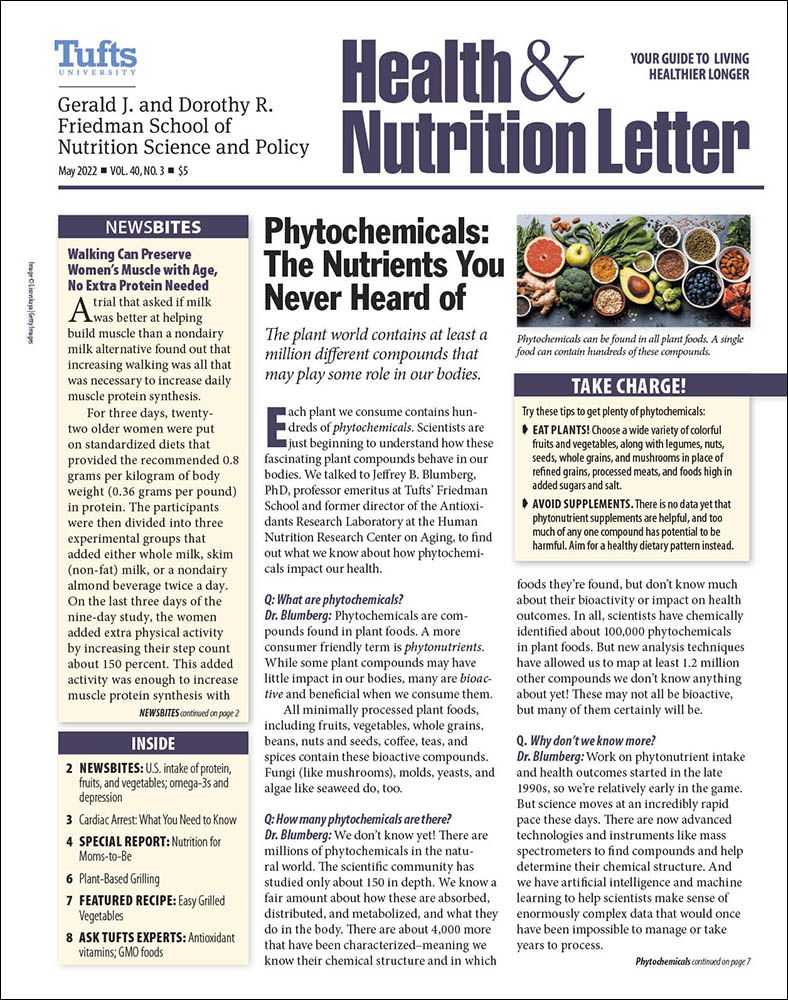
Mayo Clinic: Treating And Preventing Oral Cancer
Oral (mouth) cancer is complicated. It’s okay to have questions. Get informed: https://mayocl.in/3xu4GFH If you or someone you know has been diagnosed with oral cancer, you may be asking yourself a lot of questions. Our experts are here to help you answer them.
Chapters: 0:00 Introduction 0:15 What can I do to prevent oral cancer? 0:45 What is my chance of cure? 1:33 What do oral cancer patients need to know about mental health? 2:33 As a caregiver, how can I support someone with oral cancer? 3:23 How can I be the best partner to my medical team? 2:55 Ending
What is oral cancer? https://bit.ly/37l5Ybx

Cardiac Tests: B-Type Natriuretic Peptide (BNP)
B-type natriuretic peptide (BNP) belongs to a family of protein hormones called natriuretic peptides. These natriuretic peptides have an important role in regulating the circulation. They act on blood vessels, causing them to dilate, or widen. They also work on the kidneys, causing them to excrete more salt and water. In addition, the natriuretic peptides reduce the production of various hormones that narrow blood vessels, boost the heart rate, or affect fluid retention; examples include adrenaline, angiotensin, and aldosterone.
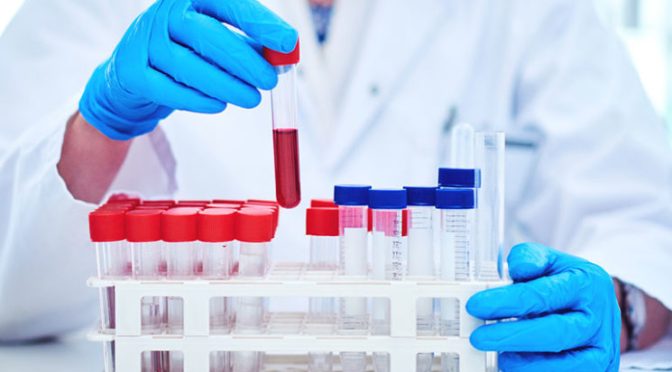
Blood Tests: What Is A ‘Basic Metabolic Panel’?
1. Glucose
Glucose is the type of sugar that your body uses for energy.
What’s normal: 70 to 99 mg/dL (after 8 to 12 hours of not eating).
- What’s normal: 70 to 99 mg/dL (after 8 to 12 hours of not eating).
- What abnormal results can mean: If there’s too much, then it can mean diabetes or prediabetes. If there’s too little, it could mean hypoglycemia.
2. Calcium
Calcium is needed for many body functions, including building bones, heart function, muscle contraction and nerve signaling.
- What’s normal: 8.5 to 10.2 mg/dL.
- What abnormal results can mean: Kidney/liver problems, bone disease, thyroid disease, cancer and malnutrition
3. Electrolytes
Electrolytes are minerals that maintain fluid levels and chemical balance in your body.
- What’s normal: Bicarbonate (total) 18 to 30 mEq/L; Chloride: 98 to 106 mEq/L; Magnesium: 1.8 to 3.6 mg/dL or 1.5 to 3.0 mEq/L; Phosphorus: 3 to 4.5 mg/dL or 1.8 to 2.3 mEq/L; Potassium: 3.5 to 5.5 mEq/L; Sodium: 135 to 147 mEq/L.
- What abnormal results can mean: Dehydration, kidney disease, liver disease, heart failure and high blood pressure.
4. Blood urea nitrogen (BUN)
Blood urea nitrogen (BUN) is a waste product that kidneys filter out of your body.
- What’s normal: 6 to 20 mg/dL.
- What abnormal results can mean: If there’s too much, then it can mean kidney disease, heart failure or dehydration. If there’s too little, it could mean liver failure or malnutrition.
5. Creatinine
Creatinine is a waste product that kidneys filter out of your body.
- What’s normal: For men, 0.7 to 1.3 mg/dL. For women, 0.6 to 1.1 mg/dL.
- What abnormal results can mean: If there’s too much, then it can mean kidney disease, muscle breakdown or dehydration. If there’s too little, it could mean malnutrition or low muscle mass.
“Metabolism involves any way your body converts or uses energy,” says Dr. Allan. “That includes digestion, breathing, circulation, and functioning of your organs, muscles and nervous system.”

Inflammation: How To Treat Ulcerative Colitis
Since ulcerative colitis (UC), a condition that causes inflammation in the colon and rectum, is never medically cured, certain lifestyle behaviors can help you manage symptoms and better cope with your condition. In addition to managing stress, paying attention to what you eat can have a big impact on your quality of life.
There is no single diet that works best for managing UC. In fact, no studies have shown that any specific diet improves symptoms or that any specific foods cause UC flare-ups. The best approach is to avoid or reduce the foods that aggravate your symptoms.
You should eat a well-balanced, healthy diet rich in fresh fruits and vegetables, such as a Mediterranean style diet. Avoid preservatives and emulsifiers, such as carrageenan, carboxymethylcellulose, and polysorbate-80.
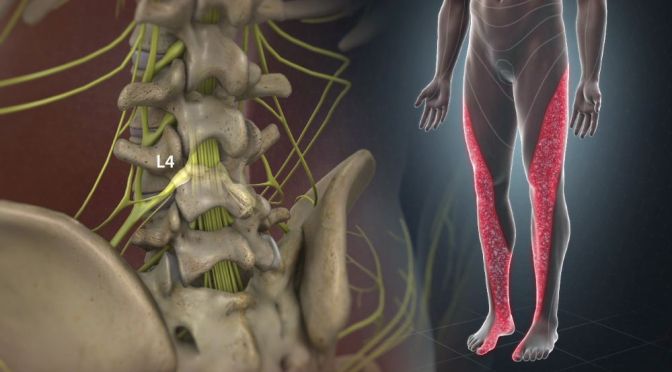
Back Pain: The Causes & Symptoms Of Sciatica
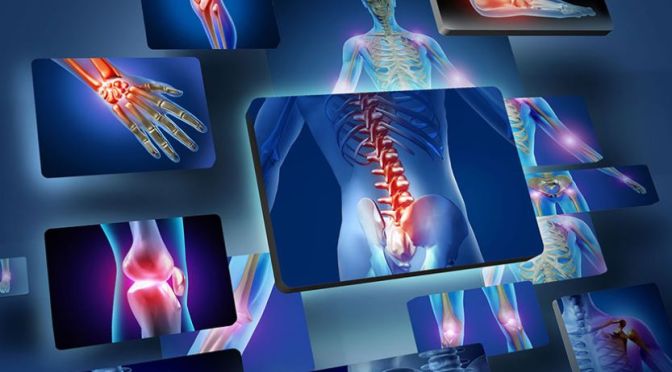
Sciatica refers to pain caused by the sciatic nerve that carries messages from the brain down the spinal cord to the legs. The pain of sciatica typically radiates down one side from the lower back into the leg, often below the knee. The most common cause is a bulging (“herniated”) disc in the lower back. Discs are tire-like structures that sit between the bones of the spine. If the outer rim of the disc tears, usually due to routine pressure on the lower back, the jelly-like inner material can come out and pinch or inflame the nearby nerve. Sciatica is most common in people 30 to 50.
How do you know if it is sciatica?
The key to diagnosing sciatica is a thorough history and a focused exam. Sciatica symptoms are often worse with sitting or coughing and may be accompanied by numbness or tingling in the leg. A physical exam can confirm that the sciatic nerve is involved. If there is muscle weakness or diminished reflexes in the involved leg, an imaging test such as a back MRI can be useful and help guide a decision for early surgery.
Health: Four Tests For Chronic Inflammation
These are four of the most common tests for inflammation:
- Erythrocyte sedimentation rate (sed rate or ESR). This test measures how fast red blood cells settle to the bottom of a vertical tube of blood. When inflammation is present the red blood cells fall faster, as higher amounts of proteins in the blood make those cells clump together. While ranges vary by lab, a normal result is typically 20 mm/hr or less, while a value over 100 mm/hr is quite high.
- C-reactive protein (CRP). This protein made in the liver tends to rise when inflammation is present. A normal value is less than 3 mg/L. A value over 3 mg/L is often used to identify an increased risk of cardiovascular disease, but bodywide inflammation can make CRP rise to 100 mg/L or more.
- Ferritin. This is a blood protein that reflects the amount of iron stored in the body. It’s most often ordered to evaluate whether an anemic person is iron-deficient, in which case ferritin levels are low. Or, if there is too much iron in the body, ferritin levels may be high. But ferritin levels also rise when inflammation is present. Normal results vary by lab and tend to be a bit higher in men, but a typical normal range is 20 to 200 mcg/L.
- Fibrinogen. While this protein is most commonly measured to evaluate the status of the blood clotting system, its levels tend to rise when inflammation is present. A normal fibrinogen level is 200 to 400 mg/dL.
Commentary:
Inflammation is an essential, evolutionarily conserved mechanism that our bodies have developed for excluding infections, toxins, and damaged or cancerous cells.
Acute inflammation in response to infections is almost always beneficial, except where it is disproportionate to the danger that it fights; the common cold is probably innocuous, but we develop symptoms from our bodies’ response. Covid has been found to incite disproportionately severe inflammation, which can lead to severe disease, and the need for corticosteroids.
Chronic inflammation is a different animal, and is usually undesirable. Sometimes it is due to an infection, such as tuberculosis, which won’t go away. Sometimes the bodies immune system develops a disordered communication system, and fights its own cells, called auto immunity.
Chronic inflammation can also be caused by obesity, chronic stress, cigarette smoking, alcohol in excess, and cancer, which can also be CAUSED BY chronic inflammation.
Chronic inflammation is also associated with Alzheimer’s, heart disease, rheumatoid arthritis, and type two diabetes. Asthma is a chronic inflammatory disease of the airways. IBD, inflammatory bowel disease, is a chronic inflammatory disease of the intestinal tract.
The symptoms of chronic inflammation very widely depending on the area involved. Abdominal pain, chest pain, joint pain, skin rashes, fatigue, and fever are some of the symptoms.
You can reduce your likelihood of chronic inflammation by maintaining normal weight, having regular exercise, eating a diet rich in natural vegetables and fruits (antioxidants), avoiding alcohol and cigarette smoke, and by reducing or handling your stress.
—Dr. C.
Intestines: Leaky Gut – Symptoms & Diagnosis
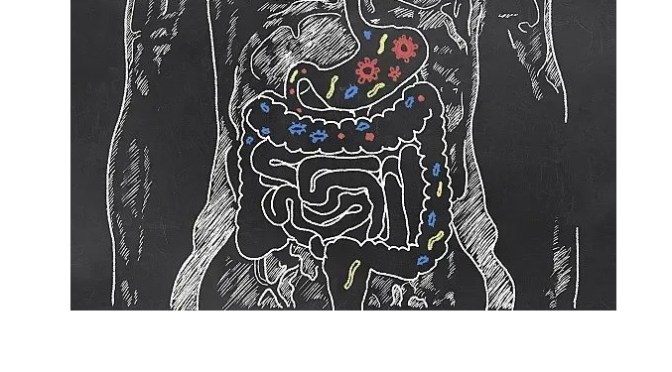
Inside our bellies, we have an extensive intestinal lining covering more than 4,000 square feet of surface area. When working properly, it forms a tight barrier that controls what gets absorbed into the bloodstream. An unhealthy gut lining may have large cracks or holes, allowing partially digested food, toxins, and bugs to penetrate the tissues beneath it. This may trigger inflammation and changes in the gut flora (normal bacteria) that could lead to problems within the digestive tract and beyond. The research world is booming today with studies showing that modifications in the intestinal bacteria and inflammation may play a role in the development of several common chronic diseases.
The IGA Immune System And Nasal Immunization
The IGA immune system comprises approximately 2/3 of all the immune cells in the body. Intestinal tract, respiratory tract, and skin are all exterior surfaces and are required to hold the environments’ many pathogens at bay.
IGA is one of several classes of immunoglobulins, the others being Gamma M, Gamma E, and several sub classes of Gamma G. They each have different structures and functions, but all have the basic underlying mechanisms of antigen presentation, clonal expansion, heavy chain and light chain dimers and specificity.
Mucosal gamma A occurs in pairs, with a junctional J chain and a secretory piece; The latter serves as a type of receptor on the cell surface; Imagine millions of gamma A combining sites waving on the surface of respiratory and intestinal epithelium waiting for pathogens to come along. Once combined with the virus or bacterium, they are shed into the mucus and eliminated before the virus can get to the mucosal cells.
With an IM injection of COVID-19 vaccine, all of the immunoglobulin classes except for Gamma E respond, with the earliest anybody at four or five days and peaking at 11 to 12 days. Gamma A in the serum occurs as a single antibody, as opposed to the secretory IGA which occur in pairs. Gamma G and M reside in the serum, and do not occur in any significant amounts in the mucus, leaving secretory gamma A alone to directly face the outside world.
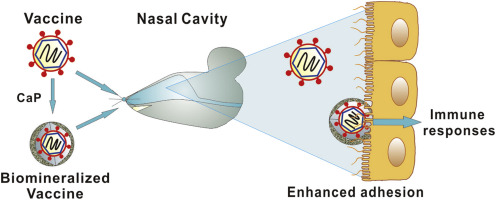
Nasal immunization should theoretically be the route of choice for respiratory viruses. There is a vigorous response not only in the production of mucosal secretory IGA, but also in the production of serum immunoglobulins including IgG. However, the Titanic of medical practice turns very slowly. Part of the problem is probably tradition; immunizations have always been given by subcutaneous or intramuscular injection.
When a substance is injected, you know that it’s in the body in a precise amount, the tissues are very vascular, and the pick up rate is known, and it works well. With IM immunizations, people may get sick, because the lining membranes are not protected, but the immunized person rapidly produces huge amounts of IgG which usually keeps the infection under control. Covid is unique in its ability to evade the innate immune system, and multiply rapidly before the humoral immune response is adequate. Also, Covid Immunity wanes rapidly, aided by the fact that Covid is always changing it’s outer form.
There are more than a dozen nasal Covid vaccines being investigated, and the early studies on hamsters and mice showed a robust mucosal antibody production as well as a serum IgG production at least as great as intramuscular injection.
There are, however, several problems. An attenuated, live COVID-19 vaccine would theoretically be the best, since the virus itself is able to get into the cells and start replicating. However, lack of experience makes the medical profession fearful. There are a huge number of “do not give to” warnings on the only currently approved nasal vaccine, which is an attenuated influenza virus. There are worries about immunodeficient people, older people, pregnant people and about the possibility that the attenuated virus will go into the central nervous system via the olfactory system.
There are practical concerns as well. Viral vector vaccines may stimulate an amnestic response to the vector that excludes the vaccine from entering the cells. The nasal vaccine might be swept away with the mucus. How much is the vaccine will remain in the nasal tissues? Will patients have any confidence in the vaccine since it’s just a spray in the nose? Will it be abused, since literally anybody could administer the nasal vaccine.
The bottom line is that of the many vaccines in trial, not a single one is expected to be approved until the early fall. Interestingly, Pfizer is working with an mRNA nasal vaccine. DNA nasal vaccines are also being tried, since DNA is a more stable molecule. A number of adenoviral vectored vaccines are in trials.
The nasal route for immunization is so promising that I believe we will eventually have nasal vaccines, hopefully tailored for current viral variants.
Nasal antibody administration, or a small molecule drug that will combine with Covid are being looked at, but since they do not produce more than transient effects, I doubt if they will be very popular. Carrageenan is an approved substance that ties up viruses, and might have a chance to succeed as a nasal spray treatment.
Pills are so much for more familiar to people as a treatment device, and seem more attractive to drug companies. I do not believe that nasal sprays will replace them as the staple of outpatient medical treatment.
—Dr. C.
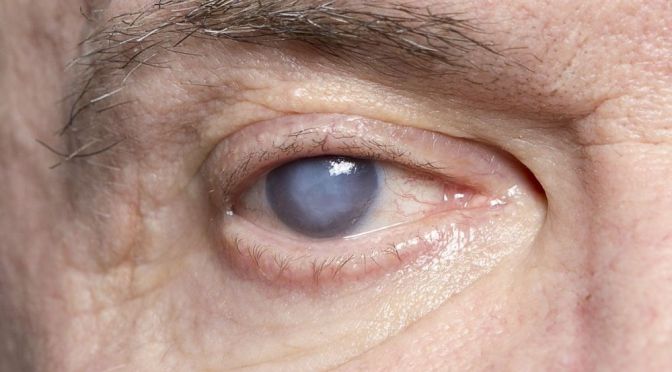
Eye Health: Cataracts
Cataracts involve the lens of the eye which is located just back of the cornea.
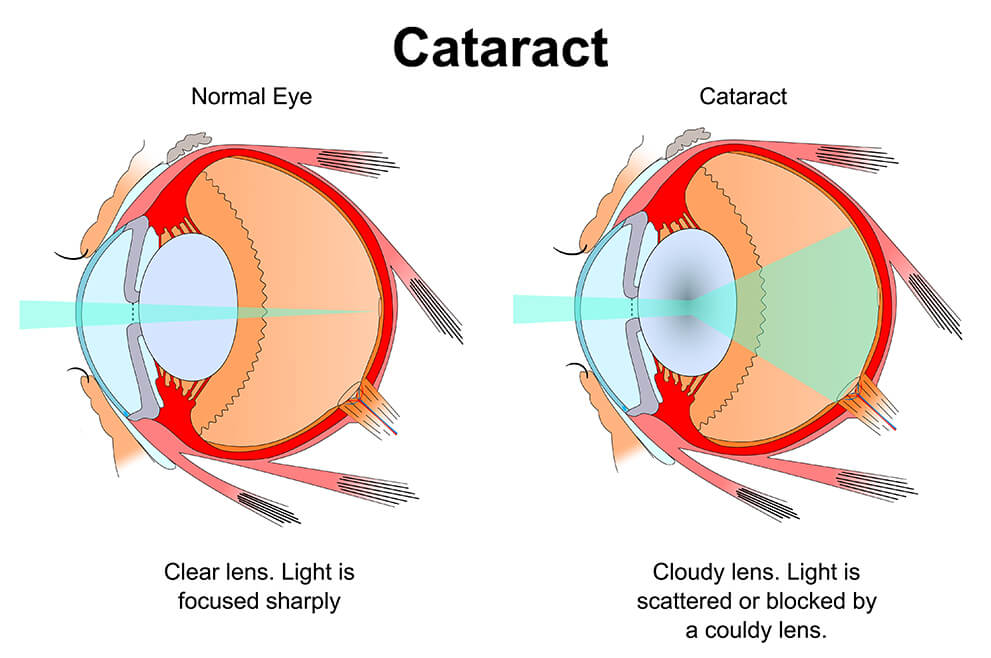
The lens is composed of evenly aligned collagen fibers which are progressively damaged by ultraviolet light as we age. Cataracts cause clouding of the lens and reduce visual acuity, as well as causing a stiffening and rigidity of the lens which keeps it from changing shape for close-up activities like reading.
If you live long enough, cataracts are almost inevitable and the main decision is when to get them corrected. With intraocular lenses, the operation has few downsides.
The halo around oncoming headlights disturbed my night driving, and was a major reason for me to get my cataracts removed.
I used to require glasses all the time, and took them off to read. Now I wear no glasses, and even reading is possible without glasses, since one of my eyes has a -1.5 diopter cylindrical astigmatism. You can ask for one Intraocular lens to be slightly nearsighted, if you wish to avoid needing reading glasses.
I prefer to use my corrective glasses to read, however.
—Dr. C.
 Doctors Without Waiting Rooms