
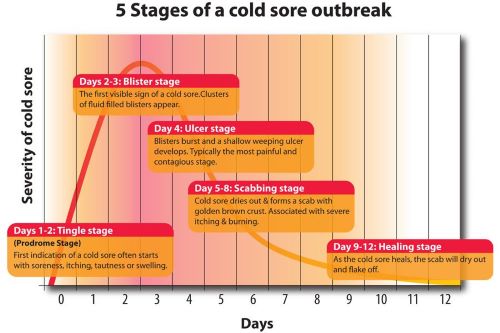
“Fever Blisters”, or “Cold sores” are caused by infection, almost always, with the Herpes Simplex 1 virus. Herpesvirus infestations are present in 50% of the population, usually causing little disturbance. The symptoms on first exposure depend on the Age the virus is first acquired.
NEONATAL Herpes can be extremely serious, due to the immaturity of the infant immune system. Herpes acquired in CHILDHOOD, or Primary herpetic Gingivostomatitis, can cause very dramatic FEVER, with blisters in the mouth, that lasts for a week to 10 days, causing lots of misery and hand-wringing but having a good outcome.
I had one such case early in my pediatric residency at Walter Reed Army Hospital, a young French boy named Didier Dupont. He screamed with pain, and wouldn’t eat or drink. His parents thought that he was going to die, and that I saved his life, neither of which was true. My roommate and I lived in the same housing complex as the Duponts, and enjoyed many fine french meals with them, one of the few positive events to result from an encounter with Herpes Viruses.
The first acquaintance with Herpes in ADULTHOOD produces outcomes ranging from no symptoms at all, to a flu like syndrome with mouth blisters. Many people have positive blood tests for herpes, but cannot recall any mucosal burning, blisters or pain, so Herpes can enter the body without producing memorable symptoms.
The Herpes 1 Virus gains entrance to the body through the lining of the lips, mouth or nose(or through broken skin), and travels up the local nerves to the cell body in the local Trigeminal ganglion. There it remains quietly, until some STRESS reduces the resistance, allowing it to awaken and travel back down the nerves to the “mucocutaneous junction”, where the skin thins out into the lining of the nose, mouth, or occasionally the eyes.
There it multiplies and forms painful blisters, or “cold sores”. Sunburning of the lips, a “cold”, or psychological strain are examples of the stresses that can trigger cold sores. Reduced resistance is the common factor.
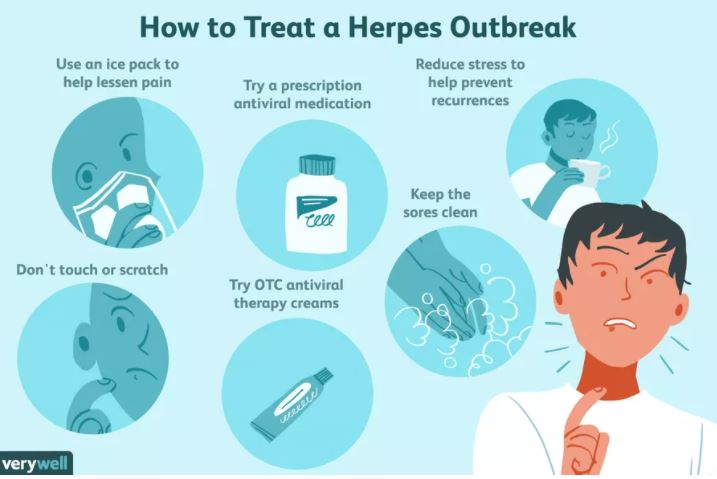
The Acyclovir family of drugs is usually effective in treatment, and works by inhibiting DNA Polymerase. These oral medications can be given to curtail each episode, if cold sores are infrequent, or continuously to reduce the number of outbreaks.
Herpes 1 is a double stranded DNA Virus in a family that includes Herpes 2, Chickenpox, the EB virus of mononucleosis fame, and Cytomegalovirus, which is the bane of organ transplant recipients. A nasty Clan indeed, and very successful in evolutionary terms.
DR. C REVIEWS MAJOR HEALTH AND TELEMEDICAL NEWS FOR THE WEEK ENDING DECEMBER 13, 2020.
Cervical polyps are fairly common, particularly in young women who have had children. They are rare before periods start, and uncommon after menopause. Polyps are often silent, without symptoms.
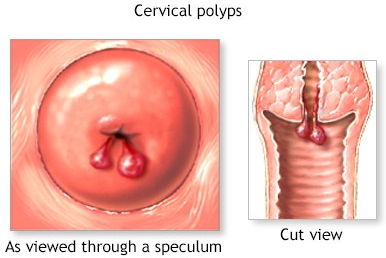
Polyps are often silent, without symptoms. Polyps are often associated with INFLAMMATION, and may be discovered because of vaginal DISCHARGE. They may bleed and betray themselves by heavy periods, or BLEEDING between periods.
My Daughter, a Student Health Physician, recently saw a patient who presented with a foul discharge and examination revealed a large polyp. A blood count showed a severe ANEMIA.
Although cancer is rare, the polyp should be biopsied or removed and examined to be sure there is no malignancy. Cervical Polyps are often discovered on a routine Physical Examination. Preventative Physical and Vaginal examinations in young women are important to check for such conditions as Polyps, do PAP smears, and, in sexually active women, screen for STDs.
The STATIN medications are one of medicine’s greatest achievements, in my opinion. They REDUCE blood CHOLESTEROL and HEART ATTACKS in very low doses and have a good safety profile. They truly deserve to be the Best Selling class of drugs. 13 Nobel prizes have been awarded during the centuries of cholesterol research.
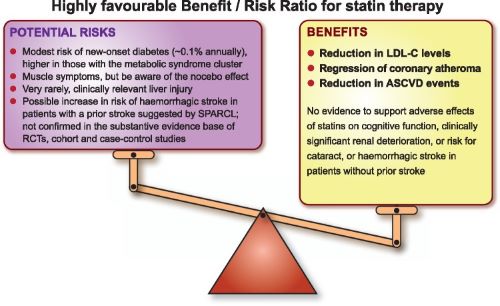
I have never had a heart attack, but do have some calcification in my Coronaries. Moreover, I have an untreated serum cholesterol level of 220 mg/dL. This is above the recommended level of 200 mg/dL, so I read up on the statins. The only concerning side effect from my viewpoint was MUSCLE PAIN.
I already have some muscle soreness from my exercise program, and did not want more, so I started at ½ of the 5 mg. dose of the statin suggested by my family doctor. This tiny dose of Rosuvastatin produced a dramatic 40 mg. Drop in my Cholesterol, and I am still hovering around the recommended level of 200 mg./dL. Instead of breaking the 5 mg. tablet in half, I now take 5 mg. every other day, since Rosuvastatin has a long half life.
One of my friends took a higher dose, and drove his cholesterol down to 100 Mg./dL. Apparently there is no serum level of cholesterol where further reduction fails to help.
Total cholesterol is divided into HDL and LDL components. My HDL, the “good” cholesterol, is thought to offset some of the cholesterol-plaque-causing effects of the LDL, or “bad” cholesterol. This makes me less than eager to raise my cholesterol and risk muscle pain.
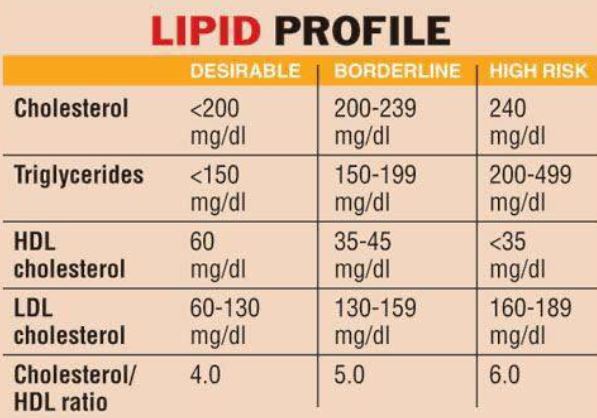
My HIGH HDL is probably due to a combination of EXERCISE, FISH OIL and Genetics. Many of my friends “don’t tolerate” the statins, meaning that they developed muscle pain. Since they were taking the drug on faith, and not because of already-developed heart problems, they just don’t take the medication any more.
If your doctor has recommended one of the Statin drugs because of an elevated cholesterol, you might ask her to start at a lower dose. You can always work up to a higher dose if necessary. If you develop muscle pain at the higher dose, you can drop back to the dose you tolerated. Enjoy “Personalized” Medicine.
DR. C REVIEWS MAJOR HEALTH AND TELEMEDICAL NEWS FOR THE WEEK ENDING DECEMBER 6, 2020.






 Doctors Without Waiting Rooms