Category Archives: Research

Cancer Treatments: CAR-T Cell “Smart” Therapy

In war, we are familiar with “smart bombs” that home in on a laser-marked target, or a heat source. The same thing is happening in our battle with cancer. Everybody has had friends or relatives given chemotherapy, which affects all cells, but  cancer cells, since they are dividing more rapidly, suffer the most. However, the entire body is affected with weight loss, hair loss, anemia, leukopenia and other severe symptoms.

The two developments I would like to address here, are smart chemotherapy using ADCs, and smart immunotherapy using CAR-T cells.
In smart chemotherapy, a poisonous package is linked to an antibody which homes in on cancer cells having a specific membrane marker on their surface. For instance, many cancers, not just those of the breast, express HER-2 receptors. Antibodies specific for this receptor are attached to such drugs as doxorubicin, in a therapy called ADC. The coupled pair then home in on the cancer cell and kill it, sparing  the rest of the body most of the exposure to this toxic chemical. This is really a form of immunotherapy, since it uses antibodies.

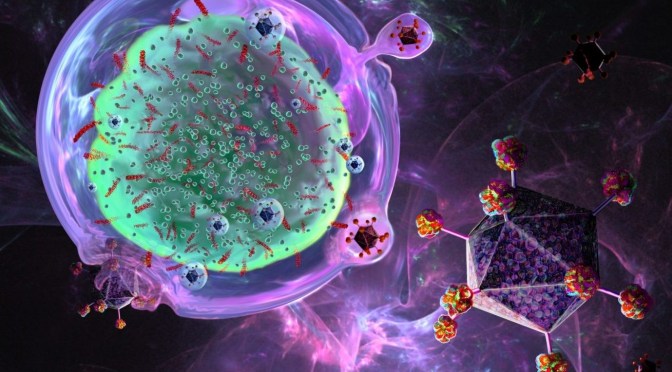
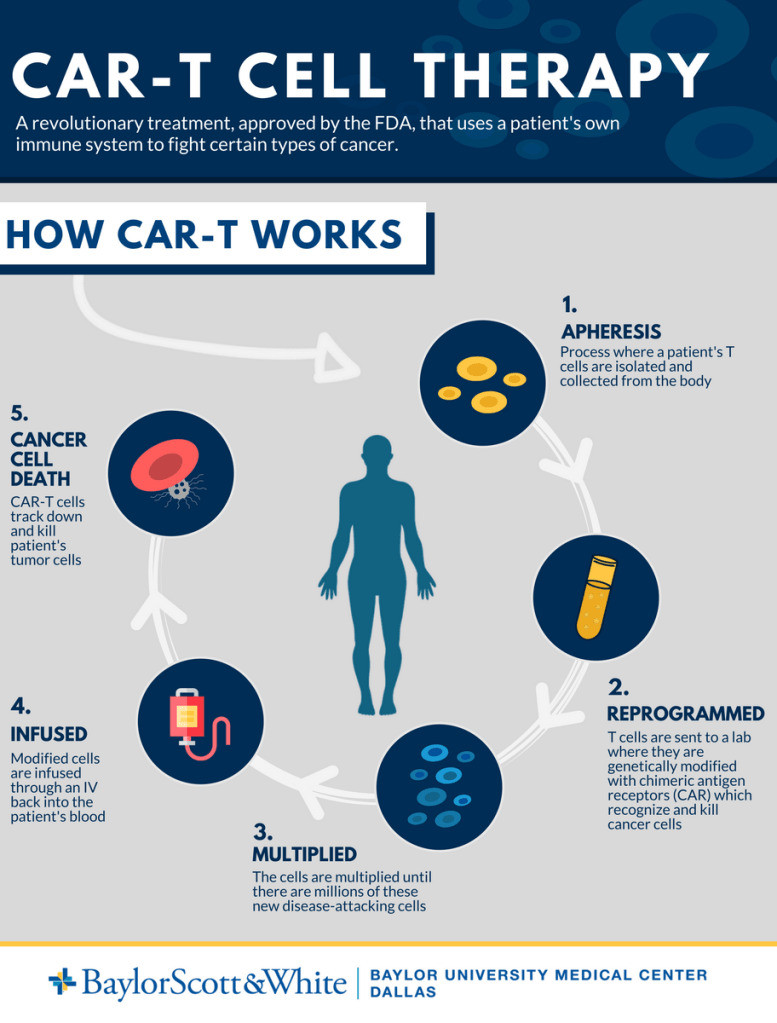
Smart cell therapy with CAR-T cells, uses T lymphocytes which normally have surface ligands that attach to various cells marked for killing. These T-cells have their targets genetically modified, with antibody receptors, to be specific for such things as CD 19 and BCMA on the surface of cancer cells. When infused, the T-cells latch on to the specified cancer cells and punch holes in them. The treatment can have some side effects, but they are usually much less severe than  regular chemotherapy.

CAR-T cell therapy has been very successful for blood cancers like leukemia, Lymphoma, and multiple myeloma. It can produce flu-like symptoms from the recruitment of lymphokines, and occasionally neurologic symptoms. It is currently successful in about a third of the cases, used as a second line therapy, and is very expensive.

It used to be that a cancer was classified according to its anatomic location, e.g. breast cancer, colon cancer, skin cancer. With increased knowledge, it is now becoming more important to know the surface markers of the cancer than the organ of origin.

—Dr. C.

JAMA Oncology Article

Read more

Sports Medicine: Tennis Wrist Injury Research

Whether it’s the serve, forehand, backhand or volley, tennis puts a lot of stress on your wrist. Many of those injuries are caused by chronic overuse. How you grip the racket and hit the ball plays a major role, too, which is why Mayo researchers recently studied tennis players’ strokes in a motion analysis lab.

Technology: The Lancet Digital Health – July 2022

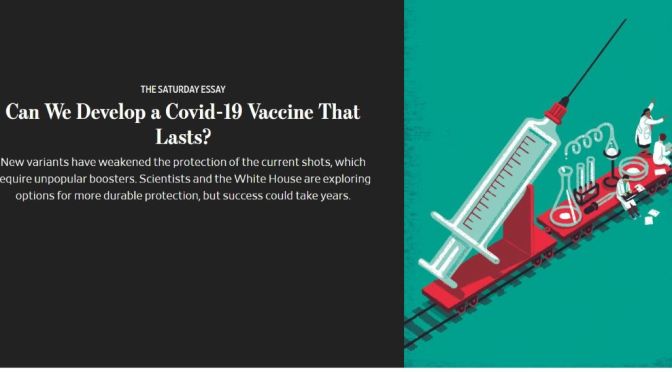
Covid-19: Can A Vaccine Be Developed That Lasts?

“Roughly two and a half years into the pandemic, White House officials and health experts have reached a pivotal conclusion about Covid-19 vaccines: The current approach of offering booster shots every few months isn’t sustainable.

Though most vaccines take years to develop, the Covid shots now in use were created in record time—in a matter of months. For health authorities and a public desperate for tools to deal with the pandemic, their speedy arrival provided a huge lift, preventing hospitalizations and deaths while helping people to escape lockdowns and return to work, school and many other aspects of pre-Covid life.”

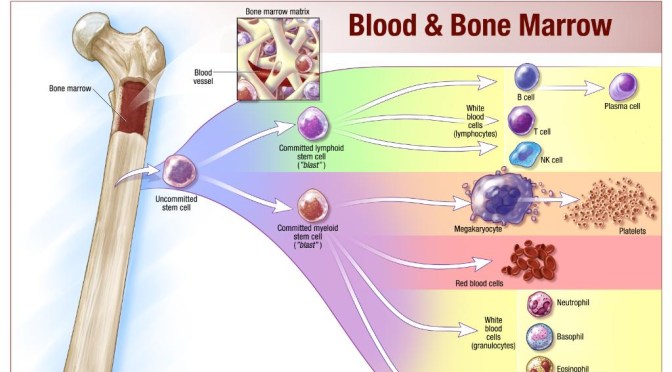
Stem Cells: Bone Marrow Transplants (Mayo Clinic)

Clinical advances by the Mayo Clinic Transplant team offer new possibilities in treatment. Mayo Clinic is a world leader in setting standards for stem cell transplant. Allogenic transplant involves using stem cells from a donor and replacing diseased or damaged bone marrow. This video reviews the transplant process. Mayo Clinic is making bone marrow transplant safer and improving the lives of people who need them.

Advances by the Mayo Clinic Transplant Program are offering new possibilities in treatment for patients requiring bone marrow transplant. Autologous bone marrow transplant utilizes healthy stem cells from a person’s own body to help recover from high dose chemotherapy. This video reviews the conditions autologous stem cell transplantation is most often used to treat and what to expect throughout the process.

Brain Health: The Benefits Of Intermittent Fasting

Although intermittent fasting is most widely known as a weight-loss strategy, emerging research suggests that it could have benefits for brain health and cognition. But does it actually work, are there any drawbacks and how long would you have to fast to see benefits?

WSJ’s Daniela Hernandez breaks down what’s known and what’s not about the neuroscience of intermittent fasting.

Video Timeline: 0:00 Could intermittent fasting help our brains work better and longer? 0:31 How long would you have to fast to see any potential cognitive benefits? 1:04 How intermittent fasting could affect your ability to focus 2:27 Potential mood-related benefits of intermittent fasting 2:48 How intermittent fasting can affect brain health 4:03 Potential drawbacks of intermittent fasting

NUTRIGENOMICS: HOW DIET CAN REPROGRAM OUR DNA

The burgeoning field of “nutrigenomics” claims that the food we eat can alter our genetics. Dietitians, scientists and lifestyle companies have all hopped on the bandwagon.

Nutrigenomics (also known as nutritional genomics) is broadly defined as the relationship between nutrients, diet, and gene expression. The launch of the Human Genome Project in the 1990s and the subsequent mapping of human DNA sequencing ushered in the ‘era of big science’, jump-starting the field of nutrigenomics that we know today.

Medical Trials: Cancer-Preventing Vaccines

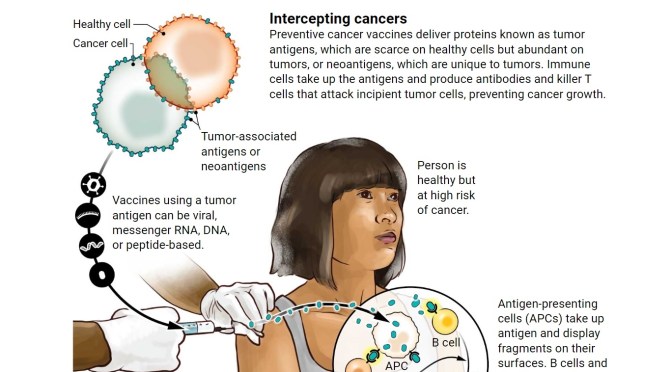
The idea is to deliver into the body bits of proteins, or antigens, from cancer cells to stimulate the immune system to attack any incipient tumors. The concept isn’t new, and it has faced skepticism. A decade ago, a Nature editorial dismissed a prominent breast cancer advocacy group’s goal of developing a preventive vaccine by 2020 as “misguided,” in part because of the genetic complexity of tumors. The editorial called the goal an “objective that science cannot yet deliver.” But now, a few teams—including one funded by the same advocacy group, the National Breast Cancer Coalition (NBCC)—are poised to test preventive vaccines, in some cases in healthy people at high genetic risk for breast and other cancers.