
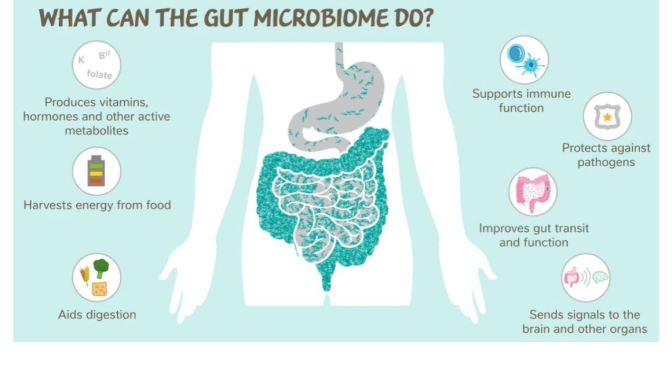
Microbiomes are complex microbial ecosystems, and amongst those found in and on human body, gut microbiome is the most complex. It performs important functions, and is increasingly recognized as a key element influencing long-life health. Specific nutritional components, such as prebiotics and probiotics, can be used to shape healthy gut microbiome. Nestlé Research has made significant contributions in this field for over 30 years.
Mayo Clinic Insights: Dr. Swift discusses what you need to know about the new Johnson & Johnson COVID-19 vaccine. For more up to date information about COVID-19, visit https://mayocl.in/3aUioXa
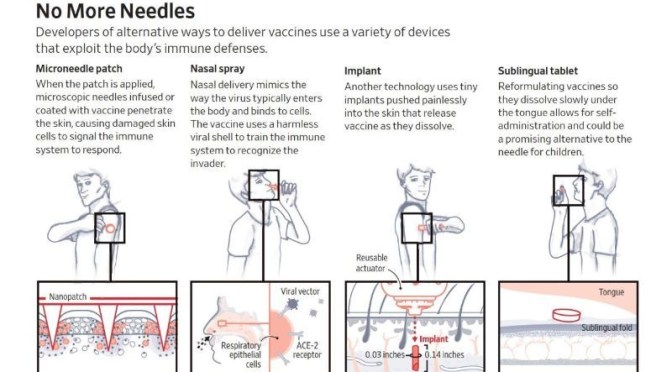
Technologies in development for delivering vaccines include Enesi’s dissolving implants, microneedle patches, electrical-pulse systems, nasal sprays and even pills.
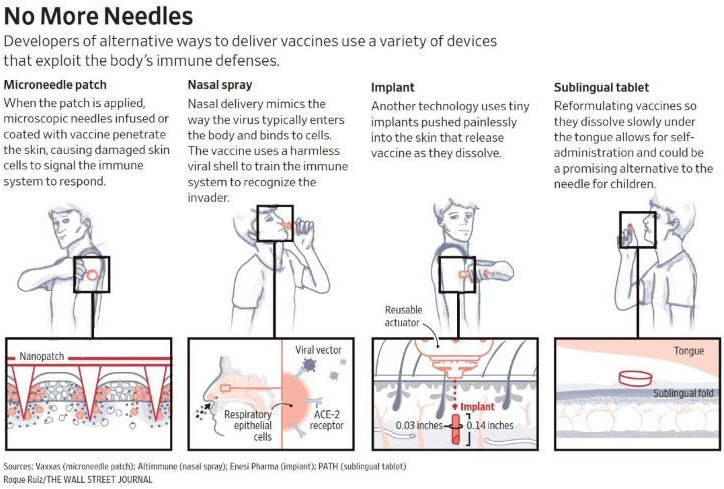
Some firms are developing their own vaccines against Covid-19, while others are aiming to reformulate some of the dozens already in development or being rolled out world-wide. Some are sitting this pandemic out in the hope of being ready for the next one.
All are in the early to mid-stages of development and clinical testing, suggesting it might be months if not years before they come to market. Big pharmaceutical companies have so far shown limited interest.
From Scientific American (March 1, 2021):
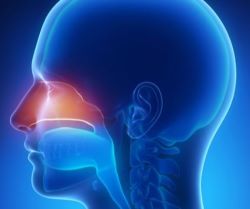
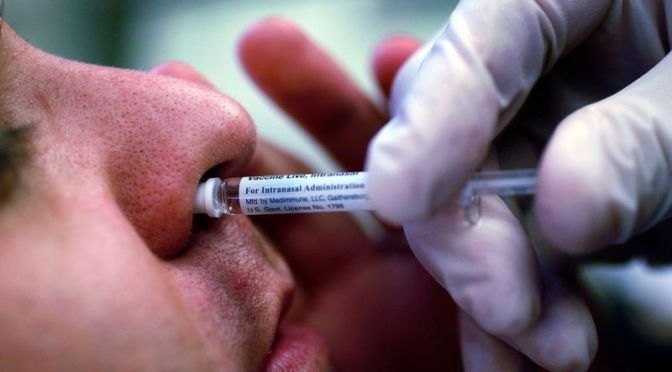
Enter the intranasal vaccine, which abandons the needle and syringe for a spray container that looks more like a nasal decongestant. With a quick spritz up the nose, intranasal vaccines are designed to bolster immune defenses in the mucosa, triggering production of an antibody known as immunoglobulin A, which can block infection. This overwhelming response, called sterilizing immunity, reduces the chance that people will pass on the virus.
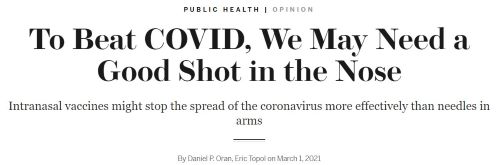
The development of highly effective COVID vaccines in less than a year is an extraordinary triumph of science. But several coronavirus variants have emerged that could at least partly evade the immune response induced by the vaccines. These variants should serve as a warning against complacency—and encourage us to explore a different type of vaccination, delivered as a spray in the nose. Intranasal vaccines could provide an additional degree of protection, and help reduce the spread of the virus.
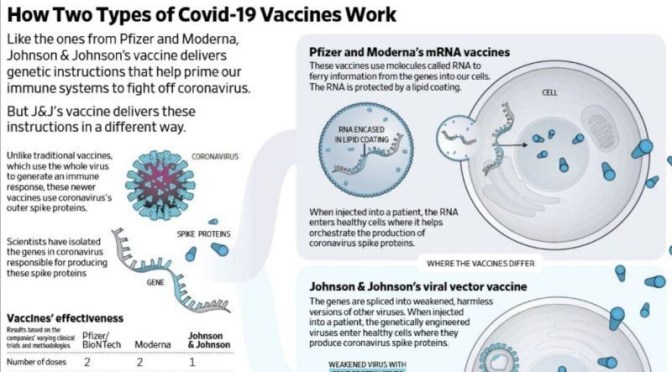
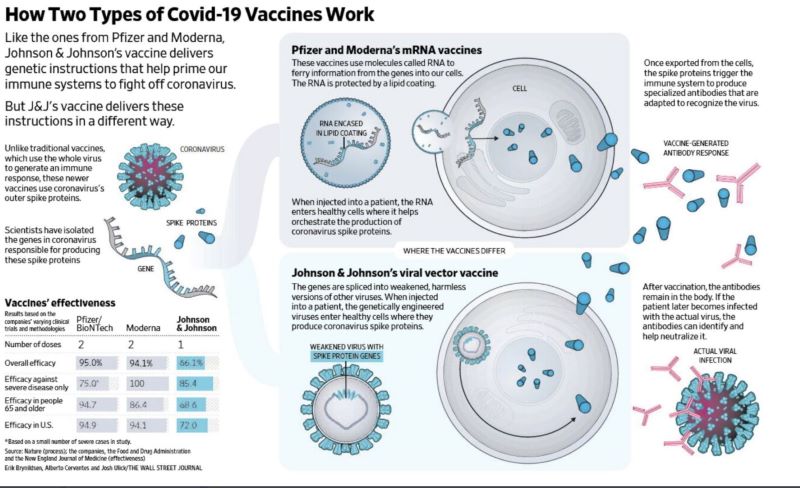
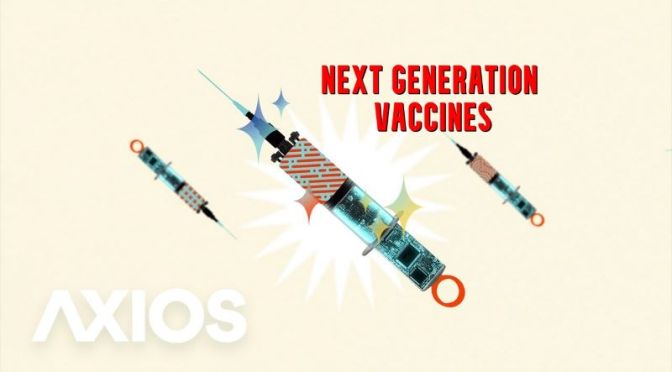
Vaccine science and technology is advancing. Next generation vaccines could change how we combat infectious diseases, and it’s important to understand how the technology works.
Just two months ago, the incredible performance of new vaccines from Moderna and Pfizer had people cheering for an imminent end to the pandemic. But an onslaught of fast-spreading and potentially dangerous mutations of the virus changed that.
So now, even as pharma companies ramp up production in the early stages of a massive rollout, they are racing to retool their vaccine strategies. Robert Langreth reports that booster shots could give drugmakers a lucrative new revenue stream.

 Doctors Without Waiting Rooms