Category Archives: Prevention

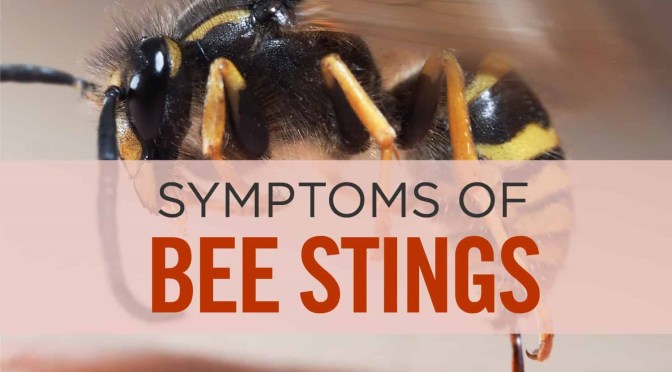
Dr. C’s Journal: Bee Sting Allergies And Reactions

Almost everybody experiences a bee sting sometime in their life, although only a few people have more than a mild reaction to the stings. Adults react more commonly than children, and old people more seriously than young.
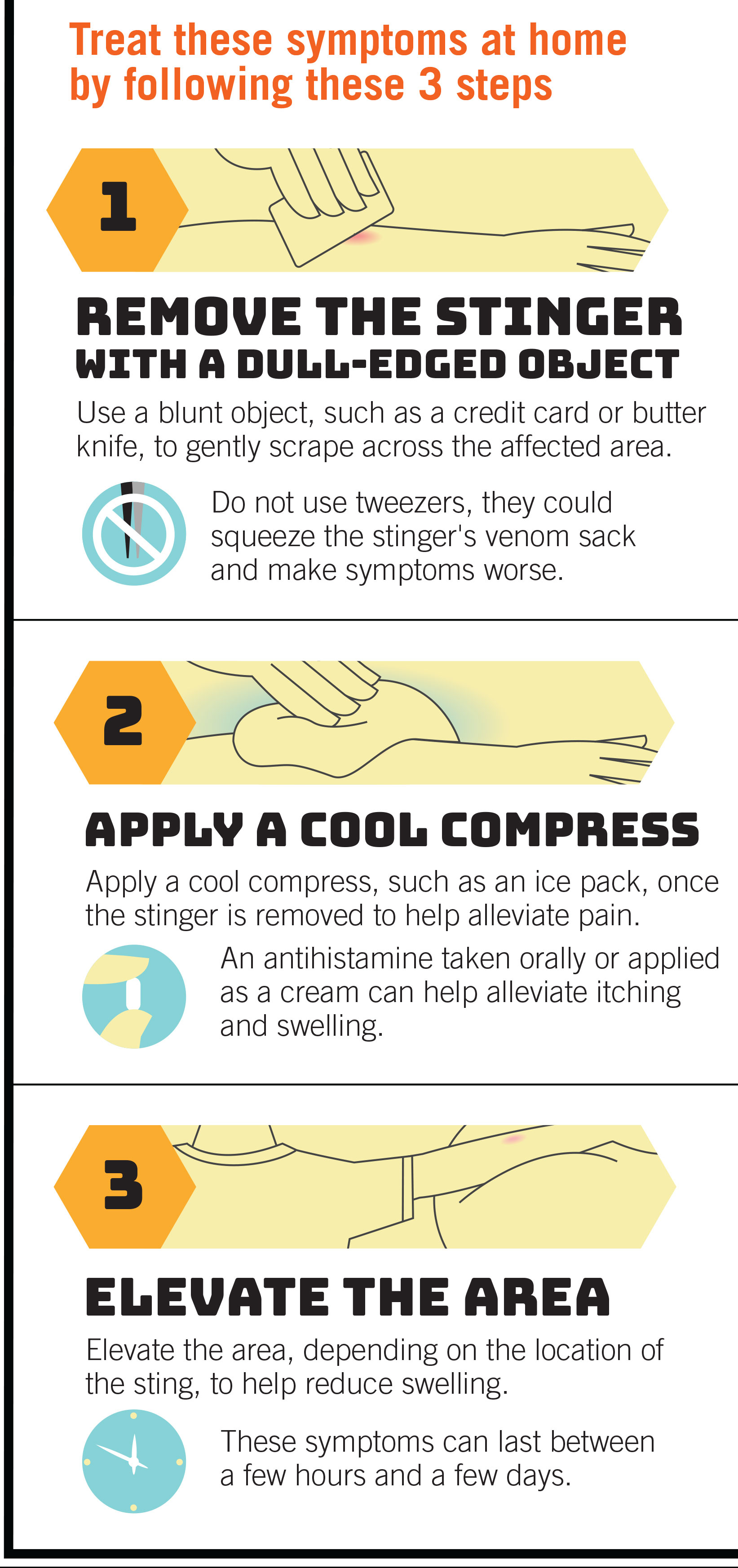
Anaphylaxis, which is potentially fatal, is the main worry about bee stings, although if you get stung in your throat, or by 10 or more insects there is risk of problems from the venom alone.

The usual reaction to a bee sting is sudden pain, a small swelling that lessens later in the day, after which there is recovery. A large local reaction can occur where the swelling increases over a 2-3 day period and can last for 7 – 10 days. This is called a large local reaction, and considered to be an allergy, but carries no increased likelihood for anaphylaxis.

A bee sting with hives developing on the skin but no other symptoms usually requires nothing more than an antihistamine. Interestingly, I had a bee sting on my foot after walking on the beach, became itchy all over and developed hives, received desensitization, and had no more trouble with the several stings I had later.

Anaphylaxis is defined as a reaction distant to the site of the bee sting that involves more than one organ system. For instance you might have hives and wheezing, hives and dizziness, or any number of other combination of organ involvements or sickness.

If anaphylaxis results from the sting, it is best to be referred to an allergist.

Interestingly, bee sting allergy is NOT more common with allergic individuals, even though they may have more severe reactions. Apparently, the sting reactions are dependent upon an excess number of a cell called the mast cell, and this is determined by a serum test for tryptase.

The allergist usually performs skin or blood tests to determine whether there is sensitivity to insect stings; in addition to the Honeybee, yellow jackets and to a lesser degree other stinging insects called Hymenoptera can produce analyphaxis.

Desensitization is the only curative treatment for anaphylactic reactions to stinging insects. In addition, rapidly administered epinephrine or adrenalin, such as an EpiPen, as well as antihistamines, are usually kept on hand for use in case of a bee sting.

When I first started practice, we made our own extracts using the whole bee. Unfortunately, the digestive tract enzymes in the bee destroyed the protein of the venom so that our materials were not sufficiently active. Even after pure venom extracts became available, we also would give injections to individuals who developed hives as the only reaction other than the pain and swelling of the sting. A large study showed that  desensitization for a large local reactions, or hives only, was not warranted.

Medical science continues to advance, and you are well advised to go to the best-trained specialist you can find for bee sting anaphylaxis. Your life may depend on it.

—Dr. C.
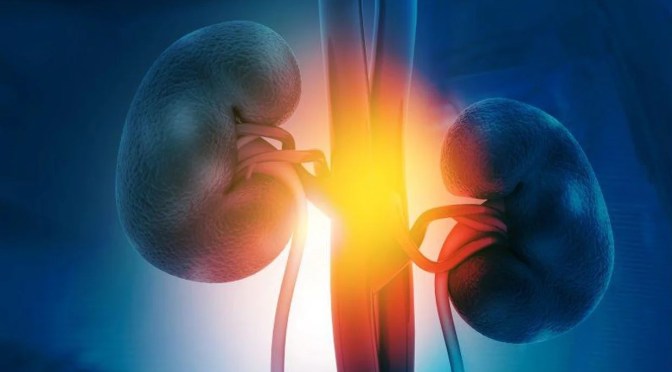
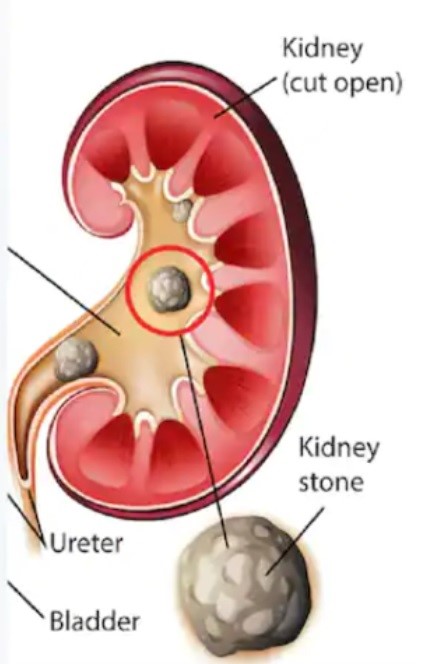
Potassium-Rich Diets Prevent Kidney Stones

Anyone who has ever had a kidney stone never wants a repeat of the blinding pain that comes when it passes. Now, a new study maps out a diet that can help guard against that.

The cornerstones of that diet include eating plenty of foods that contain potassium, as well as a few servings of low-fat dairy daily, to get enough calcium. High-potassium fruits and veggies that could help include bananas, oranges, grapefruits, apricots, mushrooms, peas, cucumbers, zucchini, and melons such as cantaloupe and honeydew.

To arrive at those recommendations, researchers from the Mayo Clinic used data from questionnaires completed by kidney stone patients between 2009 and 2018. The team compared the diets of 411 people who had already had their first kidney stone and a control group of 384 individuals.

“We had this information and then we, number one, could look at things that … differed between controls and kidney stone formers, but then we’ve also been following these people forward in time,” said study author Dr. John Lieske, director of the O’Brien Urology Research Center at the Mayo Clinic in Rochester, Minn.

During a median of just over four years of follow-up, 73 patients in the study had recurrent kidney stones.

Lower levels of calcium and potassium predicted that recurrence. After adjustments for non-dietary factors, lower calcium continued to be a predictor. So did lower potassium, but only among those who weren’t already taking certain types of diuretics and calcium supplements.

Read more at Health Day

NEWSLETTERS: TUFTS HEALTH & NUTRITION – JULY 2022

  • NEWSBITES: Physical activity in older adults; low- and no-calorie drinks
  • Hydrating for Health
  • SPECIAL REPORT: Cholesterol, Explained
  • Red, White, and …Berries!
  • FEATURED RECIPE: Chickpea Salad with Strawberries
  • ASK TUFTS EXPERTS: Why we say “people with obesity;” Cholesterol and genes

Read more

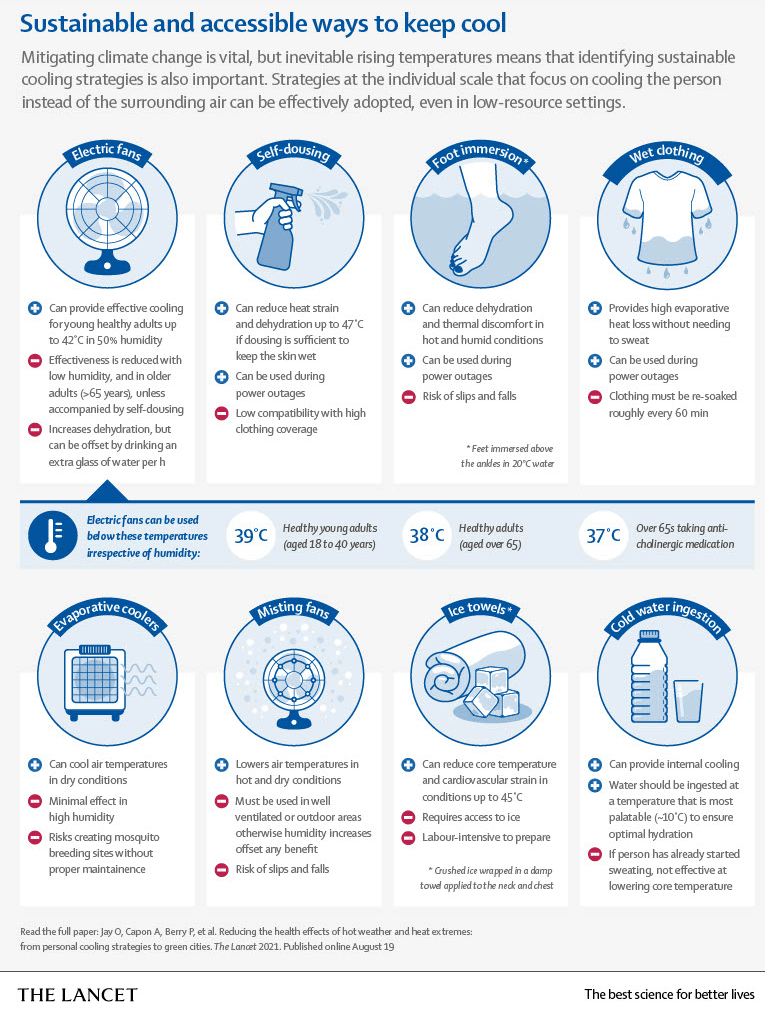
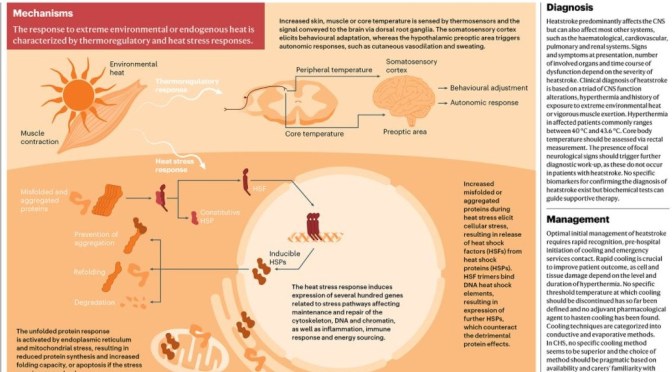
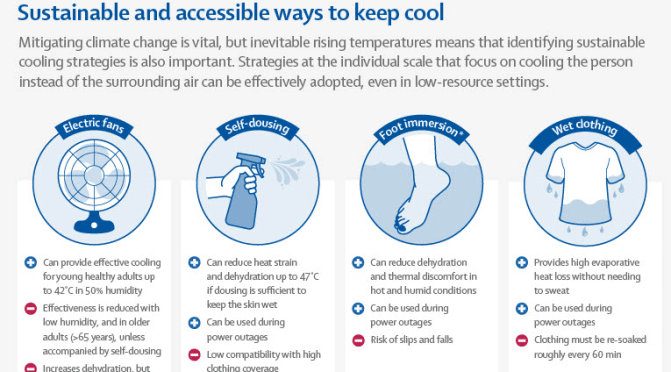
Infographic: Classic & Exertional Heatstroke

Heatstroke is a condition caused by your body overheating, usually as a result of prolonged exposure to or physical exertion in high temperatures. This most serious form of heat injury, heatstroke, can occur if your body temperature rises to 104 F (40 C) or higher. The condition is most common in the summer months.

Heatstroke requires emergency treatment. Untreated heatstroke can quickly damage your brain, heart, kidneys and muscles. The damage worsens the longer treatment is delayed, increasing your risk of serious complications or death.

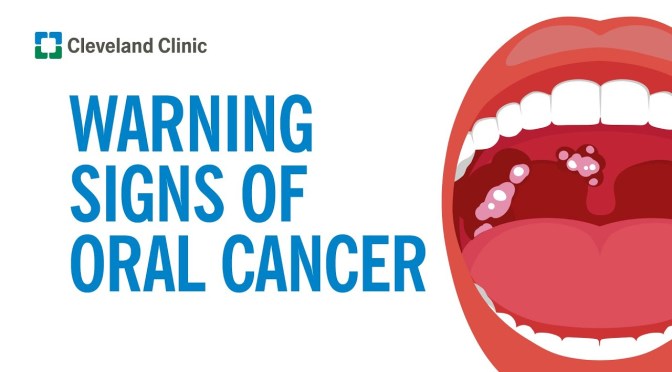
Cleveland Clinic: How To Prevent Oral Cancer

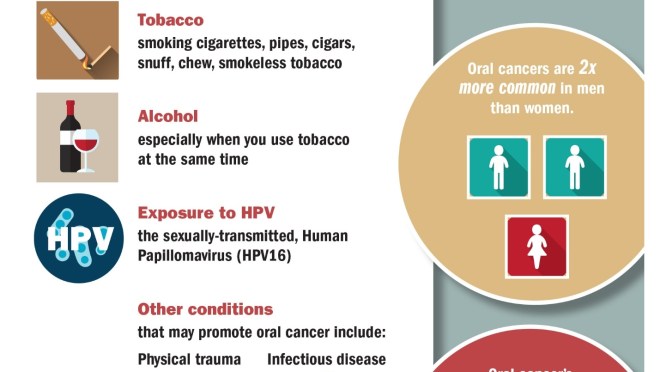
Men face twice the risk of developing oral cancer as women, and men who are over age 50 face the greatest risk. Other risk factors include smoking or using tobacco, drinking too much alcohol and having a family history of oral cancer. But there are lifestyle changes you can make to reduce your risk. Here’s what you can do to lessen your chance of getting oral cancer.

Chapters: 0:00 What is oral cancer? 0:14 Who is most at risk of developing oral cancer? 0:29 7 ways to reduce your risk of developing oral cancer. 2:12 Is oral cancer curable?

What is oral cancer?

Oral cancer (mouth cancer) is the broad term for cancer that affects the inside of your mouth. Oral cancer can look like a common problem with your lips or in your mouth, like white patches or sores that bleed. The difference between a common problem and potential cancer is these changes don’t go away. Left untreated, oral cancer can spread throughout your mouth and throat to other areas of your head and neck. Approximately 63% of people with oral cavity cancer are alive five years after diagnosis.

Who is affected by oral cancer?

Overall, about 11 people in 100,000 will develop oral cancer during their lifetime. Men are more likely than women to develop oral cancer. People who are white are more likely to develop oral cancer than people who are Black.

Bacterial Infections: Lyme Disease On The Rise

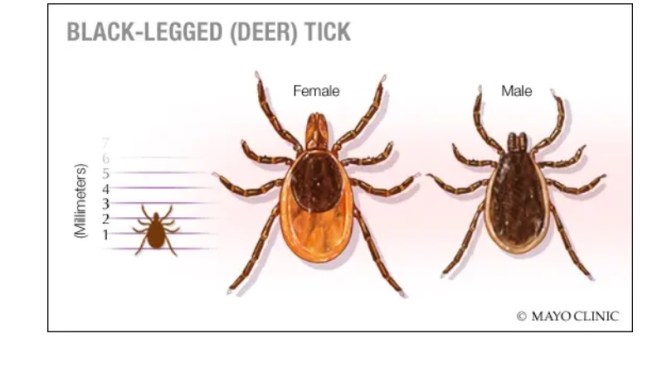
Lyme disease has infected more than 14% of the world’s population, according to a new study. “It’s significant,” says Dr. Bobbi Pritt, director of the Clinical Parasitology Laboratory at Mayo Clinic.

“If you look at the numbers and how it breaks down in regions across the United States, in some areas, that exceeds 50% seropositivity. That means people are walking around with antibodies in their blood that are detectable. That shows they’ve been exposed to Lyme disease at some point in their life,” says Dr. Pritt. “Now whether it was in the past and they’ve been successfully treated, or whether they have it right now, you can’t tell by that result, but it’s a marker of exposure.”

Brain Health: How To Reduce Risks Of Strokes

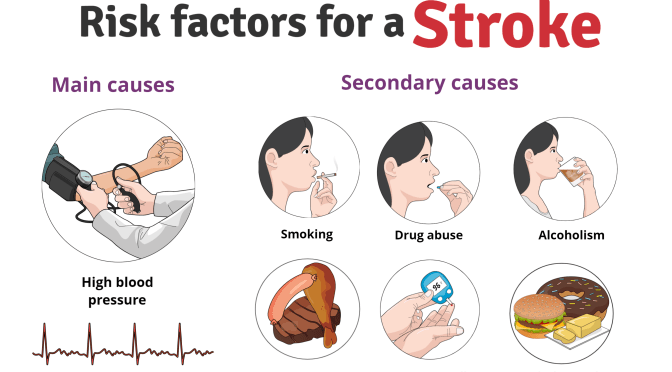
Stroke is one of the leading causes of death and disability in the U.S. with almost 800,000 cases diagnosed each year. Dr. David Miller, director of the Comprehensive Stroke Center at Mayo Clinic in Florida, explains how to reduce your stroke risk..

Precancerous Polyps: AI Reduces Screening Misses

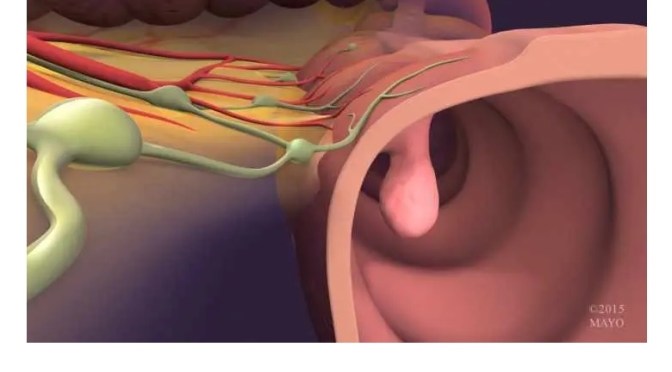
Artificial intelligence reduced by twofold the rate at which precancerous polyps were missed in colorectal cancer screening, reported a team of international researchers led by Mayo Clinic. The study is published in Gastroenterology.

Mayo Clinic: Treating And Preventing Oral Cancer

Oral (mouth) cancer is complicated. It’s okay to have questions. Get informed: https://mayocl.in/3xu4GFH If you or someone you know has been diagnosed with oral cancer, you may be asking yourself a lot of questions. Our experts are here to help you answer them.

Chapters: 0:00 Introduction 0:15 What can I do to prevent oral cancer? 0:45 What is my chance of cure? 1:33 What do oral cancer patients need to know about mental health? 2:33 As a caregiver, how can I support someone with oral cancer? 3:23 How can I be the best partner to my medical team? 2:55 Ending

What is oral cancer? https://bit.ly/37l5Ybx