Category Archives: Physicians

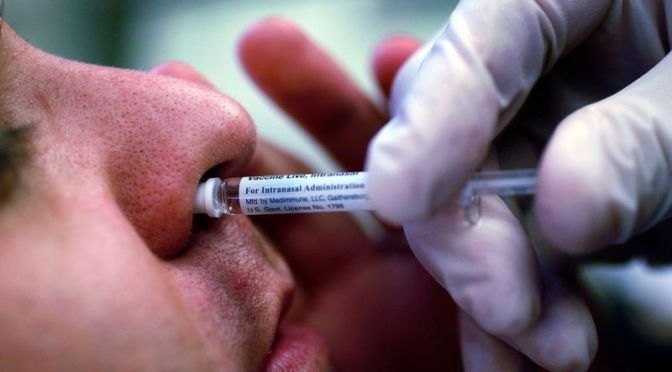
COVID-19: ‘INTRANASAL VACCINES’ MIGHT BE MORE EFFECTIVE THAN NEEDLES

From Scientific American (March 1, 2021):
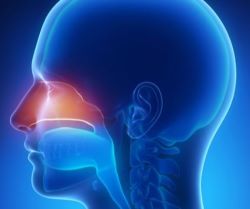
Enter the intranasal vaccine, which abandons the needle and syringe for a spray container that looks more like a nasal decongestant. With a quick spritz up the nose, intranasal vaccines are designed to bolster immune defenses in the mucosa, triggering production of an antibody known as immunoglobulin A, which can block infection. This overwhelming response, called sterilizing immunity, reduces the chance that people will pass on the virus.
The development of highly effective COVID vaccines in less than a year is an extraordinary triumph of science. But several coronavirus variants have emerged that could at least partly evade the immune response induced by the vaccines. These variants should serve as a warning against complacency—and encourage us to explore a different type of vaccination, delivered as a spray in the nose. Intranasal vaccines could provide an additional degree of protection, and help reduce the spread of the virus.

Read more

PHYSICIAN Q&A: SCREENING FOR COLORECTAL CANCER

Colorectal cancer is comprised of colon cancer and rectal cancer, which originate in the lower portion of the large intestine and into the rectum. As with other cancers, screening for early detection should not be delayed. “The vast majority of the time, we don’t know exactly what causes any specific cancer,” says Dr. Jeremy Jones, a Mayo Clinic oncologist. “But there are a number of factors that can increase the risk of developing colon or rectal cancer.” Dr. Jones says one risk factor is increasing age. However, he adds that over the last 30 years younger patients have seen a 50% increased risk of developing colon and rectal cancers. In this Mayo Clinic Q&A podcast, Dr. Jones talks about risk factors, symptoms, treatment, health care disparities and the latest in colorectal cancer research. ____________________________________________

PODCAST: ‘THE FUTURE OF DRUG PRICE TRANSPARENCY’

Interview with Dr. William Feldman on a new federal price-transparency rule and legal challenges to efforts to increase access to pricing information.

William Feldman is a physician and researcher in the Division of Pharmacoepidemiology and Pharmacoeconomics at Brigham and Women’s Hospital. Stephen Morrissey, the interviewer, is the Executive Managing Editor of the Journal.

Heart Failure: ‘What It Is & How To Treat It’ (Video)

The heart is a hero. It works relentlessly to deliver oxygen and nutrients to the body. But just like all heroes, sometimes it gets tired, and can’t do its job as well. This is called heart failure – the inability for the heart to pump enough blood and oxygen to the lungs and rest of the body. In this video, Northwestern Medicine cardiologists Clyde W. Yancy, MD, MSc and Jane E. Wilcox, MD, MSc explain what heart failure is and the integrated and collaborative approach used to diagnose, stage and treat heart failure at Northwestern Medicine. For more information, visit http://heart.nm.org

COVID-19: UNDERSTANDING THE NEW VARIANTS & NEW VACCINES EFFECTIVENESS

Researchers are scrambling to understand the biology of new coronavirus variants and the impact they might have on vaccine efficacy.

Around the world, concern is growing about the impact that new, faster-spreading variants of the SARS-CoV-2 virus will have on the pandemic.

In this episode of Coronapod, we discuss what these variants are, and the best way to respond to them, in the face of increasing evidence that some can evade the immunity produced by vaccination or previous infection.

News: ‘A bloody mess’: Confusion reigns over naming of new COVID variants

News: Fast-spreading COVID variant can elude immune responses

News: Could new COVID variants undermine vaccines? Labs scramble to find out

News: How to redesign COVID vaccines so they protect against variants

News: J&J’s one-shot COVID vaccine offers hope for faster protection

COVID-19 PODCAST: LATEST ON VACCINE ROLLOUT, NEW MUTATION & FDA APPROVALS

Stephen Hahn, U.S. Food and Drug Administration Commissioner, Sigal Atzmon, founder and chief executive officer of Medix Global, and Roche CEO Severin Schwan, on the pandemic, Covid-19 vaccines and the new mutation.

INTERVIEW: ANTHONY FAUCI ON COVID-19 (JAMA VIDEO)

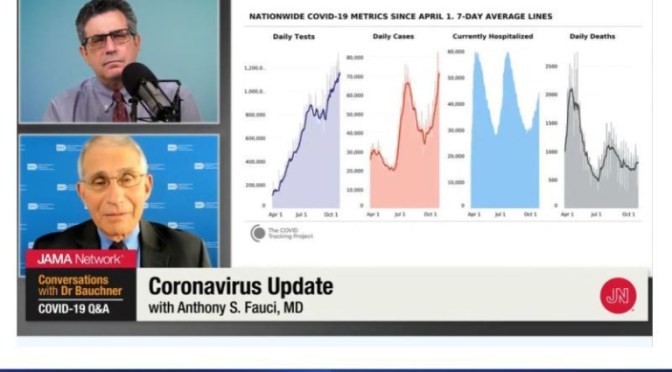
Anthony S. Fauci, MD returns to JAMA’s Q&A series to discuss the latest developments in the COVID-19 pandemic, including the continued importance of nonpharmaceutical interventions (masking, handwashing, physical distancing) for managing rising case numbers in the US and globally.

Recorded October 28, 2020.

Topics discussed in this interview: 0:00 Introduction 0:20 NAM Presidential Citation for Exemplary Leadership 1:19 COVID-19 numbers and excess deaths 4:05 National masking mandate 5:55 How to get people to accept masking 7:07 Herd Immunity and the Great Barrington Declaration 9:51 The holidays and airplane travel 13:44 Therapies update 17:54 Vaccines update 20:08 Vaccine distribution 22:00 Vaccine safety 24:42 How Australia has dealt with COVID-19 spikes 27:00 Acknowledgements and baseball

HEALTH: ‘DIABETES AND CHRONIC KIDNEY DISEASE’ – NEW GUIDELINES (OCT 2020)

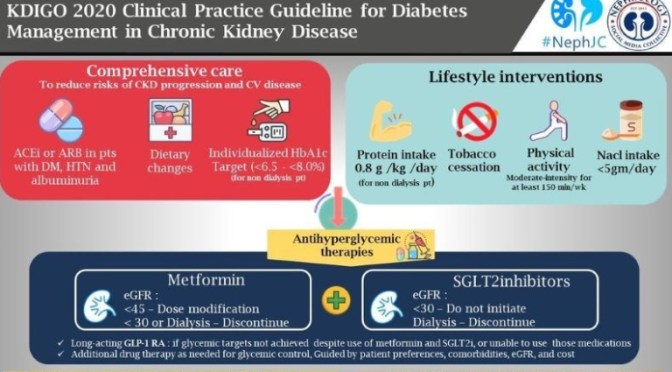
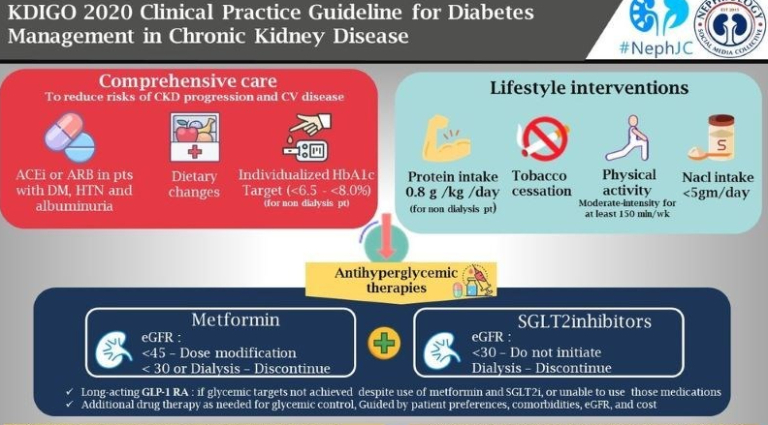
Comprehensive care in patients with diabetes and CKD

Management of CKD in diabetes can be challenging and complex, and a multidisciplinary team should be involved (doctors, nurses, dietitians, educators, etc). Patient participation is important for self-management and to participate in shared decision-making regarding the management plan. (Practice point).

We recommend that treatment with an angiotensin-converting enzyme inhibitor (ACEi) or an angiotensin II receptor blocker (ARB) be initiated in patients with diabetes, hypertension, and albuminuria, and that these medications be titrated to the highest approved dose that is tolerated (1B).

Lifestyle interventions in patients with diabetes and CKD

We suggest maintaining a protein intake of 0.8 g protein/kg)/d for those with diabetes and CKD not treated with dialysis (2C).

On the amount of proteins recommended in these guidelines, they suggest (‘recommend’ becomes a ‘suggest’ at this level of evidence) a very precise  intake of 0.8g/kg/d in patients with diabetes and CKD. Lower dietary protein intake has been hypothesized but never proven to reduce glomerular hyperfiltration and slow progression of CKD, however in patients with diabetes, limiting protein intake below 0.8g/kg/d can be translated into a decreased caloric content, significant weight loss and quality of life. Malnutrition from protein and calorie deficit is possible.

Physical activity

We recommend that patients with diabetes and CKD be advised to undertake moderate-intensity physical activity for a cumulative duration of at least 150 minutes per week, or to a level compatible with their cardiovascular and physical tolerance (1D).

Read full guidelines

TOP MEDICAL PODCASTS: ‘DIVERTICULAR DISEASE’ (BMJ)

Colonic diverticulosis refers to herniation of the mucosa and submucosa through the muscular layer of the colonic wall and may be the result of colonic smooth muscle over-activity. Diverticular disease may be defined as any clinical state caused by symptoms pertaining to colonic diverticula and includes a wide-ranging spectrum from asymptomatic to severe and complicated disease. 

Mohamed Thaha, Senior Lecturer & Lead Consultant in Colorectal Surgery, National Bowel Research Centre, Barts and The London School of Medicine and Dentistry, tells us more. 

Read more