
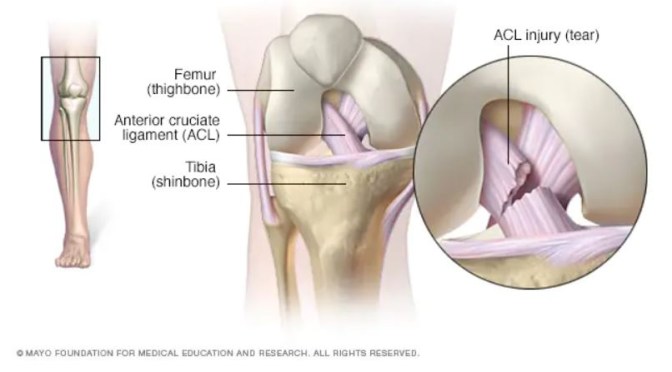
ACL tears can sideline an athlete or crush an Olympic dream. It’s a common knee injury affecting nearly twice as many women than men. Dr. Cedric Ortiguera, a Mayo Clinic orthopedic surgeon and sports medicine specialist, says 150,000‒200,000 ACL injuries occur each year in the U.S., and that number is growing as more children become involved in competitive sports year-round. The good news is that surgery can help get some athletes get back in the game.
Category Archives: Physicians

Health: Is There A Link Between Diet & Cancer?
When it comes to fighting cancer or living with a cancer diagnosis, does what you eat make a difference? On Mayo Clinic Q&A, Dr. John Shin, a hematologist/oncologist, discusses nutrition and cancer.
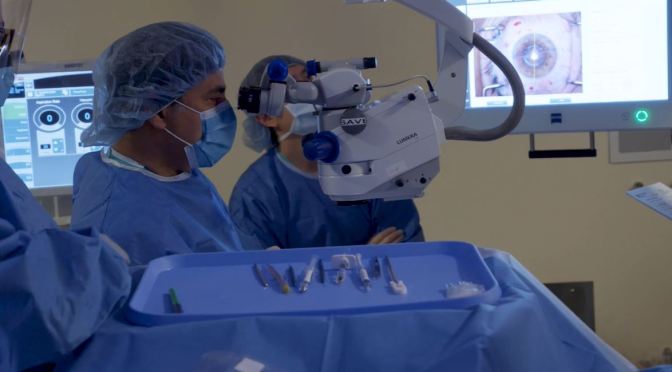
INSIDE VIEWS: CATARACT SURGERY PROCEDURE
The patient is awake as a laser cuts her cataract into six pieces. Then, she heads into the operating room. When she wakes up, her cataracts and nearsightedness are gone.

Medicine: What Causes Urinating Issues? (Video)
Trouble Urinating? There are many common causes for urinary issues in men. Learn about symptoms and treatment options offered by The Johns Hopkins Brady Urological Institute. https://www.hopkinsmedicine.org/brady…
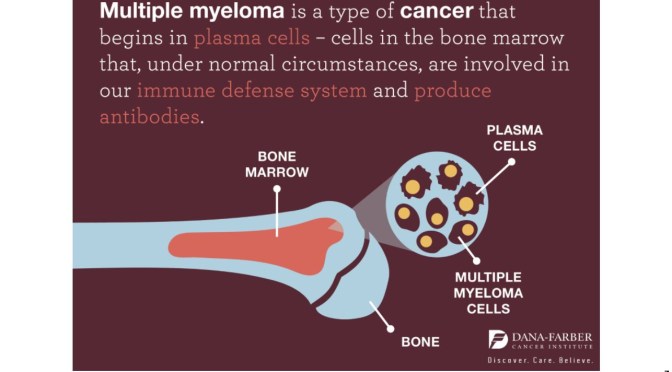
Cancers: What Is Multiple Myeloma? (Mayo Clinic)
Multiple myeloma is a relatively uncommon form of blood cancer that affects less than 1% of the U.S. population, according the American Cancer Society. People younger than 45 rarely get the disease, and it occurs more in older men than women. And your risk is doubled if you’re African American.
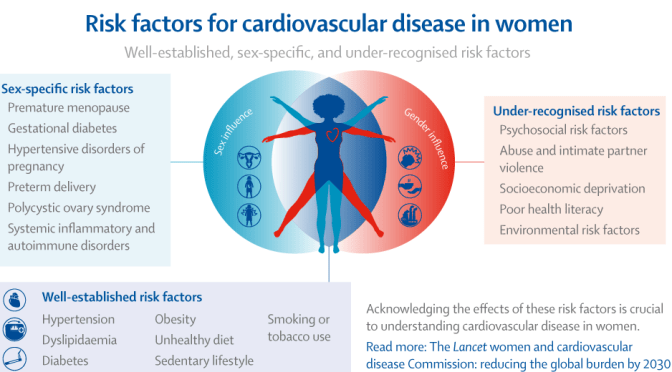
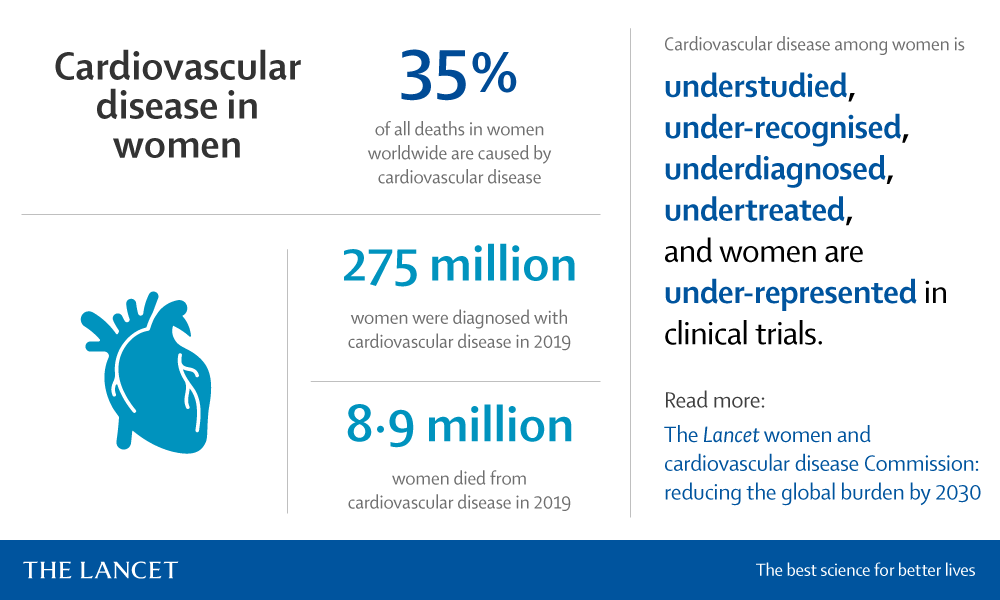
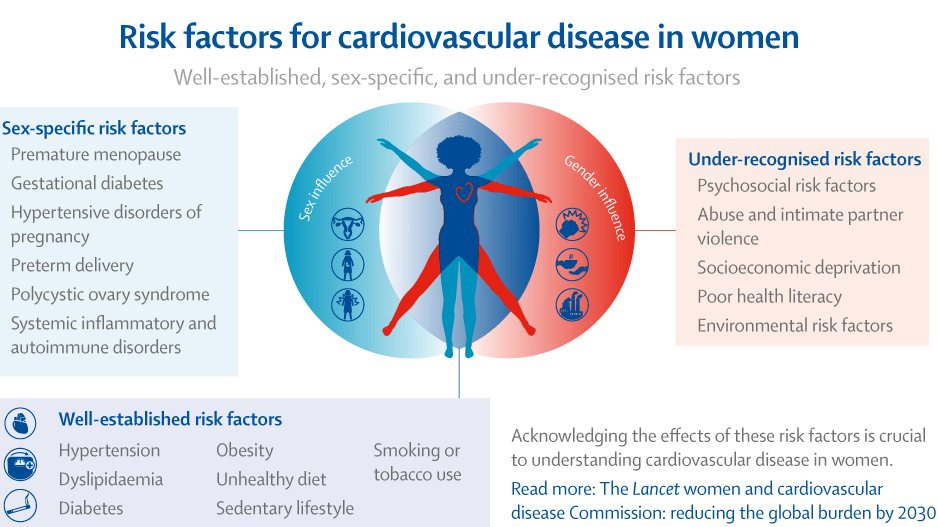
Health: Risk Factors For Cardiovascular Disease In Women (Infographic)
TeleHealth: Weill Cornell ‘Center For Virtual Care’ Expands Training Courses

The new eCornell course, which features a curriculum in-line with the Association of American Medical College’s Telehealth Competencies, offers instruction on how to harness the digital health medium to effectively create a therapeutic patient-provider encounter. Students learn essentials including verbal and nonverbal communication strategies to convey empathy and compassion, how to overcome technical challenges, and how to conduct remote patient exams.
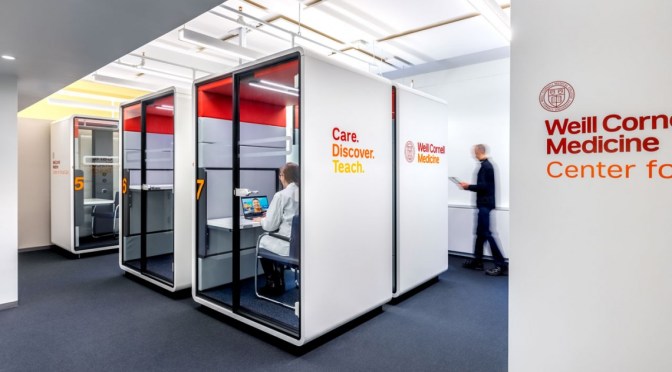
Digital health and the tools for patients to virtually reach their health care providers have quickly become a mainstay of medical care during the COVID-19 pandemic. Weill Cornell Medicine’s Center for Virtual Care is positioned at the leading edge of this health care delivery transformation. Leveraging their years of experience with video visits, the center’s experts train providers how to best use it to give their patients comprehensive, compassionate care.
DR. C Comments
Telehealth offers significant advantages to both patient and doctor. It should be a welcome and valuable addition to the medical profession in its desire to deliver comprehensive care to patients. However, Telemedicine faces a number of barriers both from the medical side and the patient side, not to mention insurance, lawyers, and government.
A good video was posted from Cornell, which aims to get doctors to develop a set of behavioral skills which will make telemedicine more personal. Of course, training should be extended to peripheral sensing devices that will enhance the ability of doctors to gain information at a distance, as well as familiarization with a user-friendly electronic system to navigate.
Patients also need a special course in how to become more Competent in the technical aspects of telemedicine, sensors and other challenges. Since Telemedicine visits occur at widely spaced intervals, even an intensive training course might find the patient unfamiliar with the system at the time of need.
Recently, I signed up for a zoom consultation At UCLA medical Center. It was very helpful to have a knowledgeable person on the phone directing me through the maze that got me signed up to “my chart”, The electronic system that UCLA uses. Even though I took Notes, when it is actually time to get into the system and go to the virtual waiting room of my chart, I may well have difficulty.
And that’s just one system. It seems as though doctors offices, different medical systems, and different health plans all have their own unique electronic systems which are enough different to be confusing to the patient.
I can only hope that the newer generations, having grown up using these electronic devices, will have enough facility to easily interface with their doctor electronically. Until the older generation passes on, however, there will be ongoing challenges.
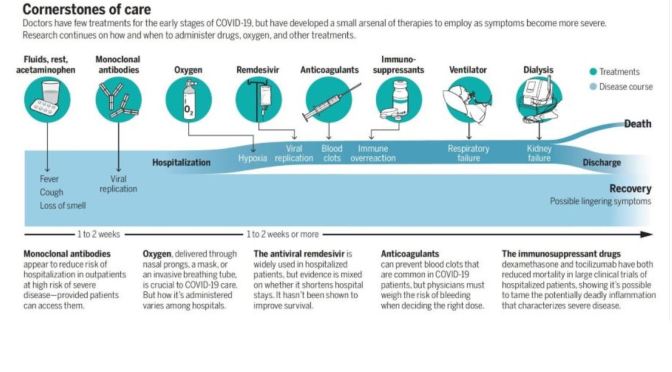
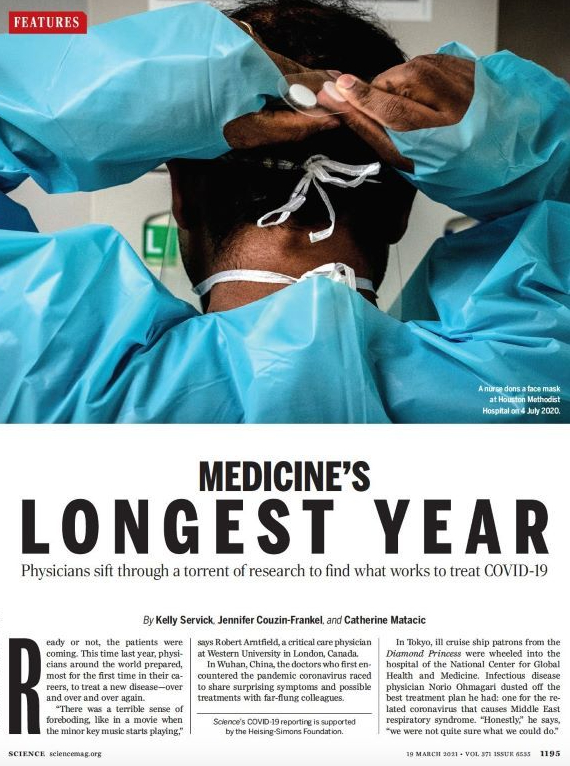
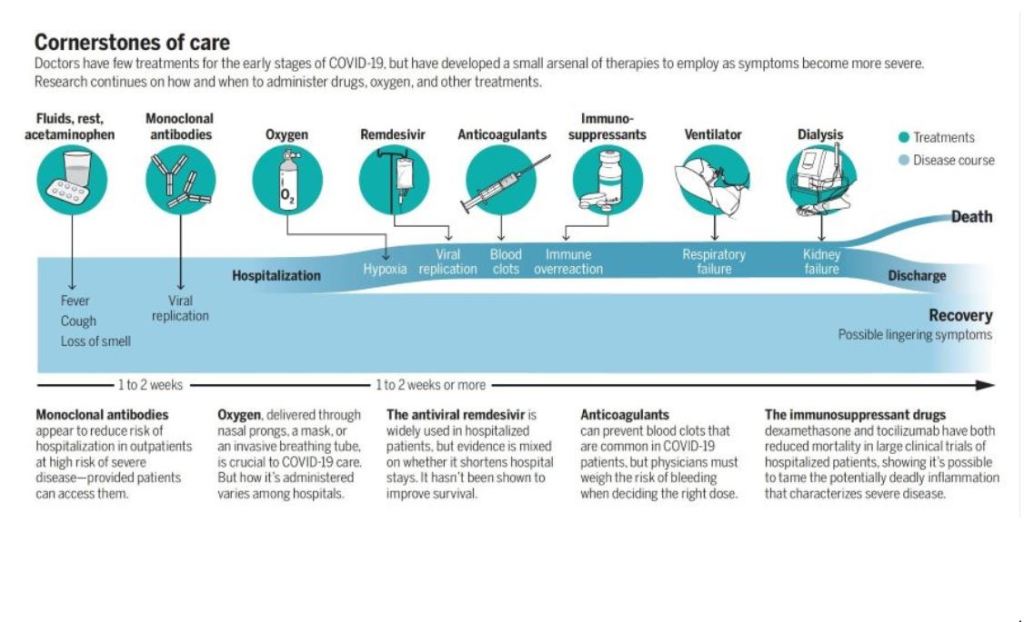
COVID-19: INSIDE MEDICINE’S LONGEST YEAR (2020 – 2021)
Intensive Care Views: ‘Pain & Airway Management’
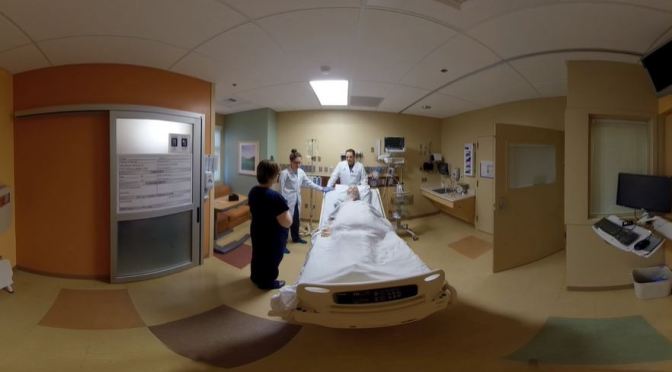
Pain Management in the Intensive Care Unit.
Institution: Department of Anesthesiology and Intensive Care Medicine, Charité – Universitätsmedizin Berlin & Massachusetts General Hospital, Harvard Medical School, Boston
MEDICINE: BASEBALL GREAT CAL RIPKEN JR.’S ‘ROBOTIC RADICAL PROSTATECTOMY’
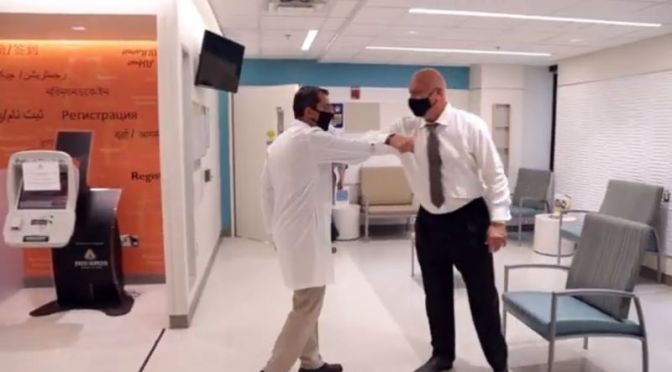
Known as the Ironman, Hall of Famer Cal Ripken Jr. was diagnosed with prostate cancer during the COVID-19 pandemic. Partnering with the Brady Urological Institute, Mr. Ripken had a successful robotic radical prostatectomy to remove his tumor and is now deemed cancer free. Watch urologic surgeon Mohamad Allaf and Cal Ripken Jr. discuss his prostate cancer journey at Johns Hopkins and share his powerful message to men across the world.
 Doctors Without Waiting Rooms