

The rollout of the Johnson & Johnson vaccine has been paused in the US, Europe and South Africa after reports of rare blood clotting in a very small number of people. Health authorities said they were halting the use of the shot while they investigate the cases — and that they were doing this out of “an abundance of caution.” The Astra Zeneca jab was also recently temporarily suspended in some countries after being linked to rare blood clots. Authorities are calling it a short “pause.” The US’s Johnson and Johnson vaccine has hit the same stumbling block as the UK’s AstraZeneca jab did last month: a likely link to a rare and deadly blood clot. Use of Johnson and Johnson’s Janssen vaccine has now been halted across the US, Europe and South Africa, with health authorities investigating six incidents of clotting in younger women, one of them fatal. The US-developed vaccine uses an adenovirus to trigger immunity – the same mechanism as the UK’s AstraZeneca vaccine. It accounts for roughly 5 percent of vaccines delivered so far in the US. This is a setback to Europe, too. Johnson and Johnson announced it will delay it’s rollout on the continent. The company had already started processing an order from the EU of 200 million doses. The Janssen jab has been partially rolled out in Africa, where a majority of countries don’t have enough vaccines even for their healthcare workers. The African Union signed a deal for 220 million doses this year. But US authorities remain hopeful. They’re saying it could only be a matter of days before the rollout resumes.
Category Archives: Medicine
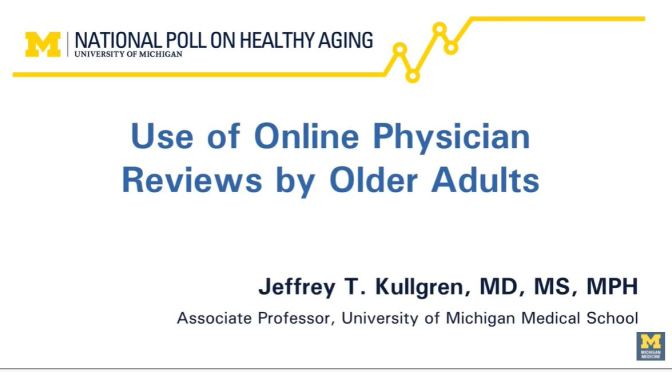
HEALTHCARE: OLDER ADULTS PREFER CONVENIENCE OVER REPUTATION IN PHYSICIANS
A new study by a team from the University of Michigan Institute for Healthcare Policy and Innovation shows that adults over age 50 place more importance on convenience-related factors, rather than reputation, when choosing a doctor.
The study, based on data from IHPI’s National Poll on Healthy Aging supported by AARP and Michigan Medicine, still shows that online ratings and reviews of physicians play an important role, and should receive attention from providers and policymakers.
Dr. Jeffrey Kullgren, a U-M primary care physician and lead author of the study, describes the findings.
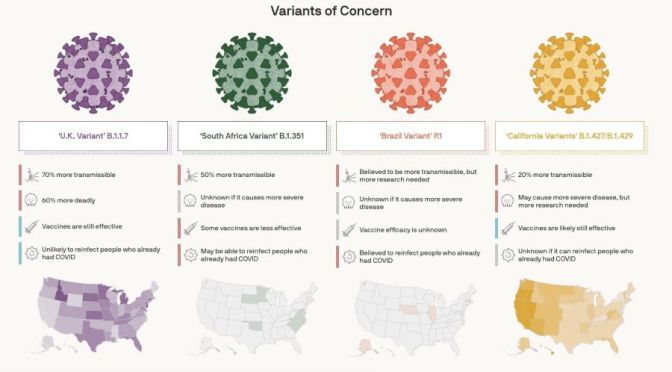
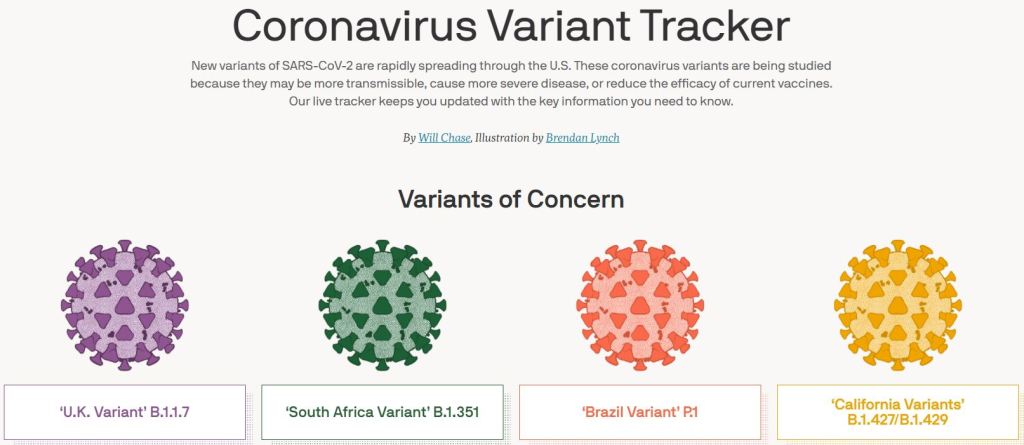
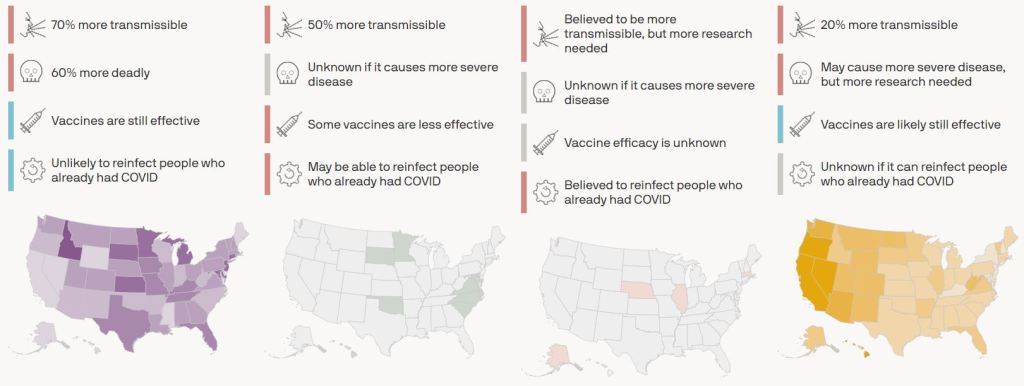
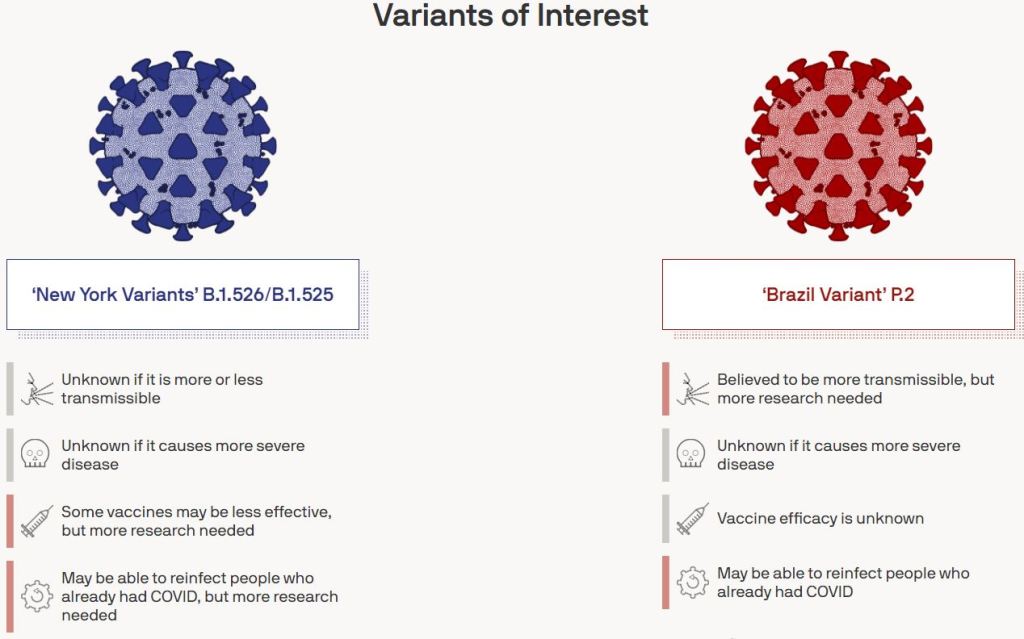
COVID-19 INFOGRAPHIC: ‘TRACKING THE VARIANTS’
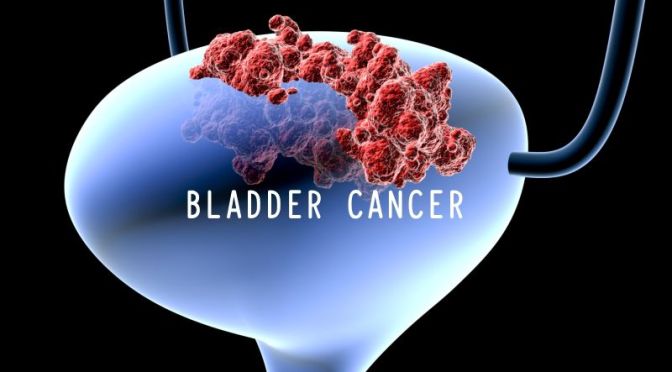
Bladder Cancer: Causes, Symptoms & Treatments
Bladder cancer is the fourth most common cancer in men, after prostate, lung, and colorectal cancer. A man has about one chance in 27 of getting bladder cancer during his life time. It is less common in women.

The urinary bladder is exposed, through the urine, to the waste products of the body. Cigarette smoking is the most common risk factor, and I suspect a lot of the chemicals that are in our environment could be suspected, like the delicious smoky flavor of barbecued food.
Bladder cancer does not often run in families, but it seems to in mine. My father died of bladder cancer, and I have just been diagnosed with it. When it runs in families, FGFR 2 can sometimes be found in the genes.
Hematuria is the most common Presenting symptom, but there are few other marker symptoms that give Bladder cancer away; It has been called it “the silent killer”.
Cystoscopy Is the most sensitive test for bladder cancer, and is not a painful examination in the hands of a good urologist.
In my opinion, cystoscopy should be used as a reasonable screening test to pick up bladder cancer at an early stage, when it is more treatable.
–Dr. C
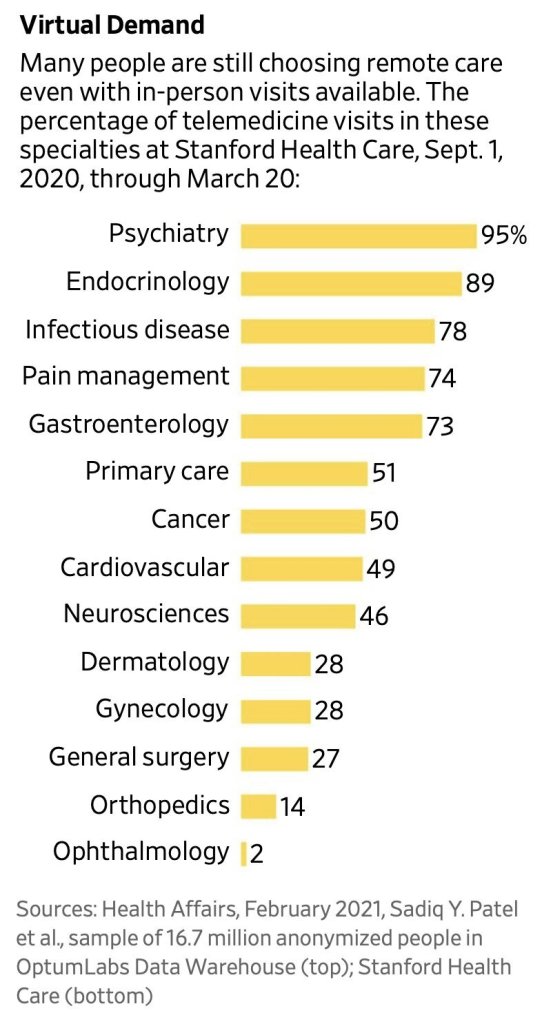
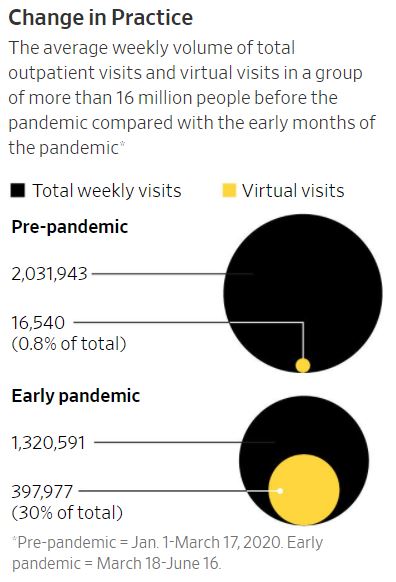
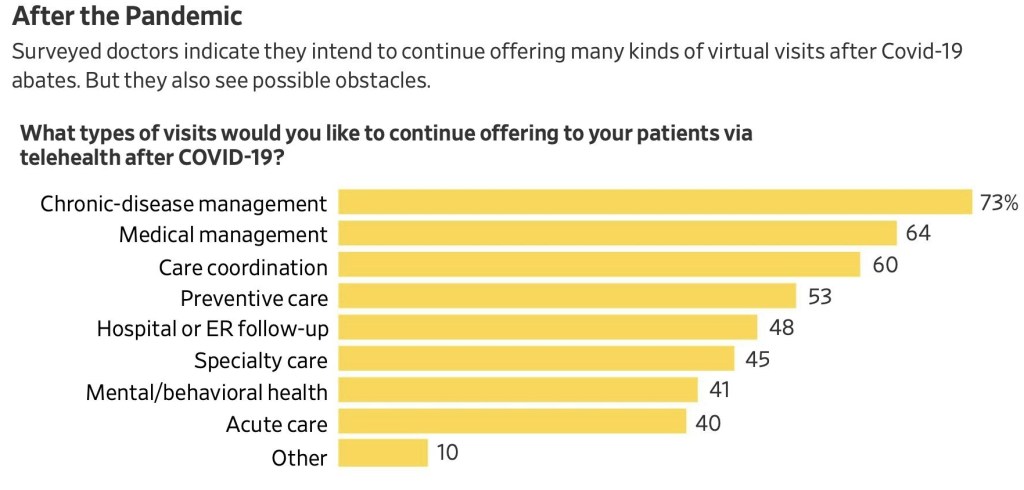
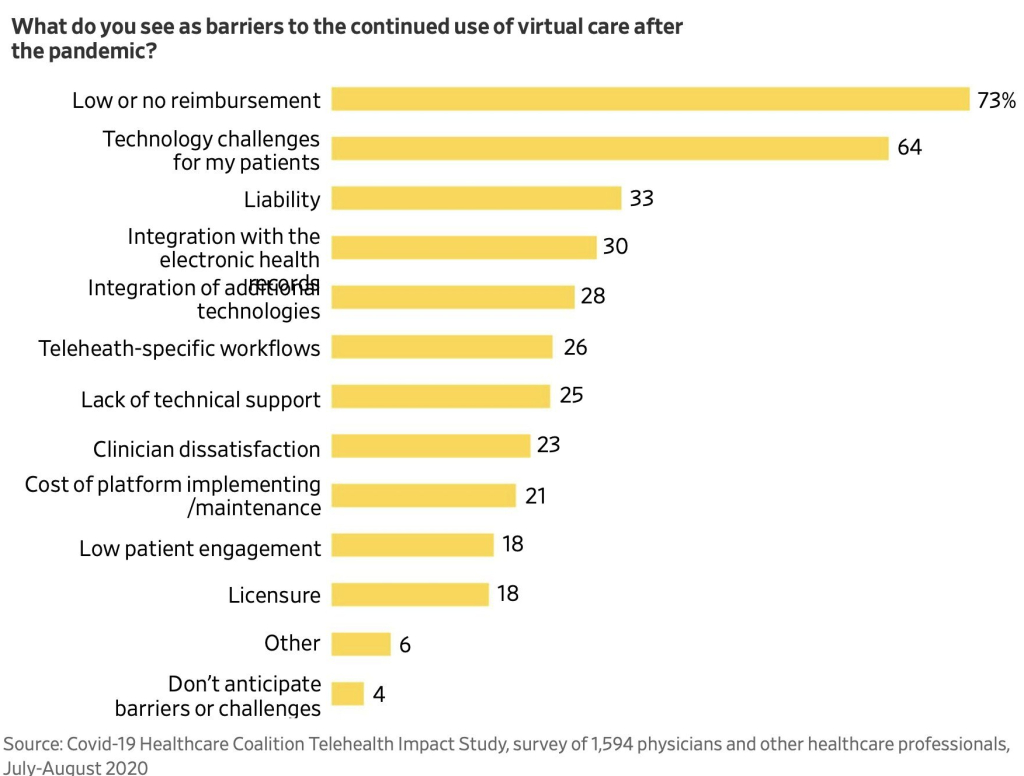
TELEMEDICINE SURVEY: ‘HIGH DEMAND’ CONTINUES FOR VIRTUAL MEDICAL VISITS


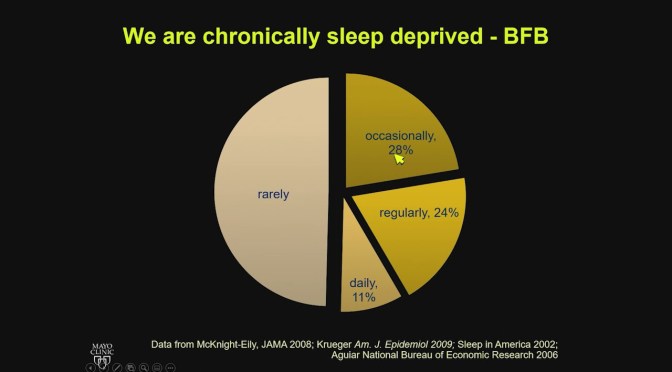
MEDICINE: ADEQUATE SLEEP & CARDIOVASCULAR HEALTH
Mayo Clinic Division of Preventive Cardiology will be preparing a series of recordings focusing on Cardiovascular Disease states. This is the Sleep Series and this particular one focuses on what is adequate sleep and does it benefit Cardiovascular Health.
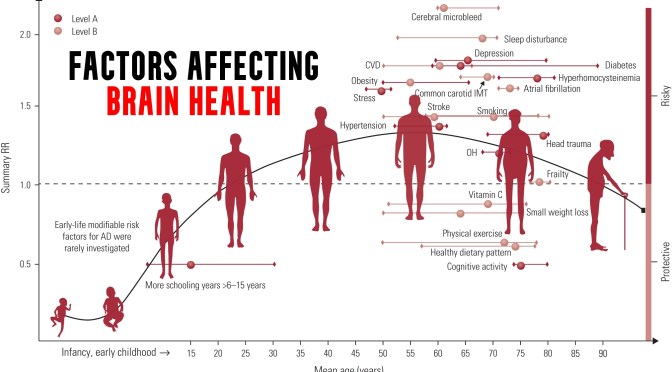
INFOGRAPHIC: ENHANCING BRAIN HEALTH ACROSS AN INDIVIDUAL’S LIFESPAN
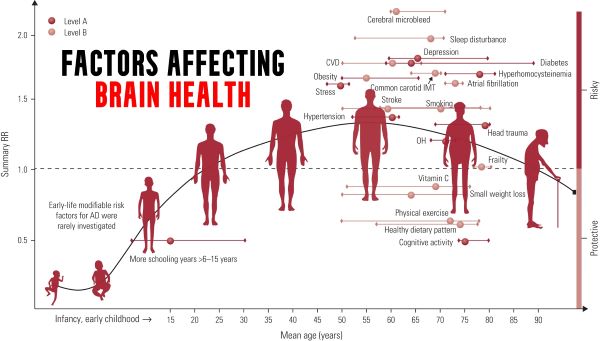
Opportunities for enhancing brain health across the lifespan
Published online by Cambridge University Press: 22 March 2021
Summary
As we age, there are characteristic changes in our thinking, reasoning and memory skills (referred to as cognitive ageing). However, variation between people in the timing and degree of change experienced suggests that a range of factors determine individual cognitive ageing trajectories. This narrative review considers some of the lifestyle factors that might promote (or harm) cognitive health. The focus on lifestyle factors is because these are potentially modifiable by individuals or may be the targets of behavioural or societal interventions. To support that, the review briefly considers people’s beliefs and attitudes about cognitive ageing; the nature and timing of cognitive changes across the lifespan; and the genetic contributions to cognitive ability level and change. In introducing potentially modifiable determinants, a framing that draws evidence derived from epidemiological studies of dementia is provided, before an overview of lifestyle and behavioural predictors of cognitive health, including education and occupation, diet and activity.
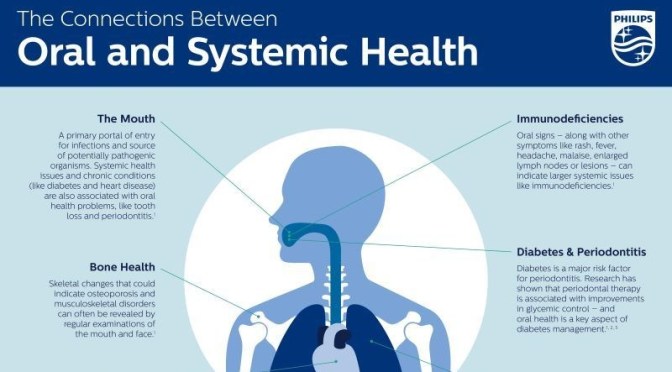
INFOGRAPHIC: POOR ORAL HEALTH LEADS TO CHRONIC AND SYSTEMIC DISEASE
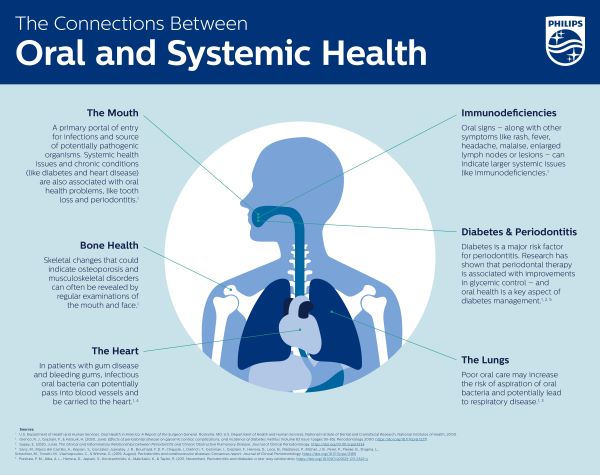
Good oral health leads to benefits beyond a healthy mouth
People today want to be more in control of their own health and are more attuned to getting the support and information they need online, from apps, and from connected products. Yet there are gaps in both their knowledge and daily commitment to good oral hygiene, and they need help along the way. Depending on lifestage, patient’s oral health concerns can evolve from plaque removal and aesthetics to larger concerns around gum health and disease. Too often, by the time they begin thinking about gum health, it’s too late. Multiple studies have revealed linkages between periodontal diseases and certain systemic diseases, such as diabetes, heart disease and kidney disease [4][5][6].
Prevention is key. Along with professional deep cleaning, good daily brushing and interdental cleaning are critical. It’s also important for patients to have regular conversations with their dentist about oral health issues and the linkage to their overall health.
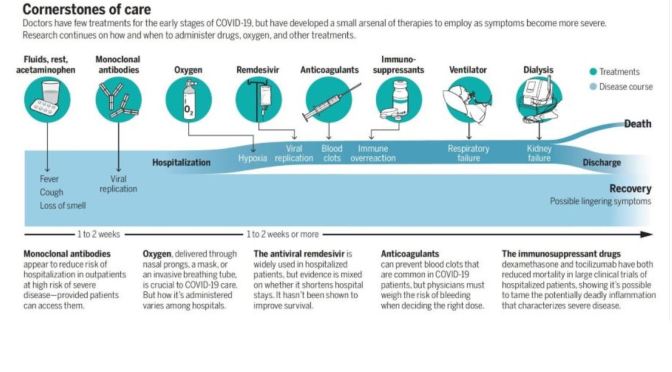
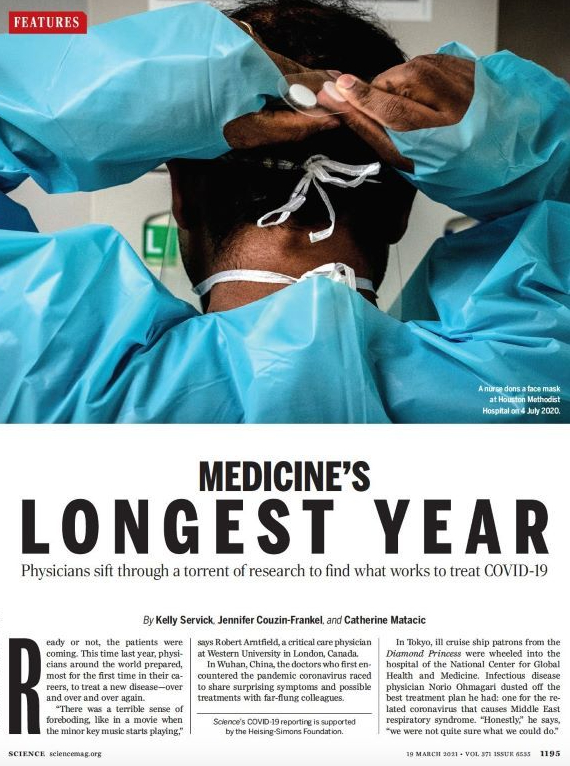
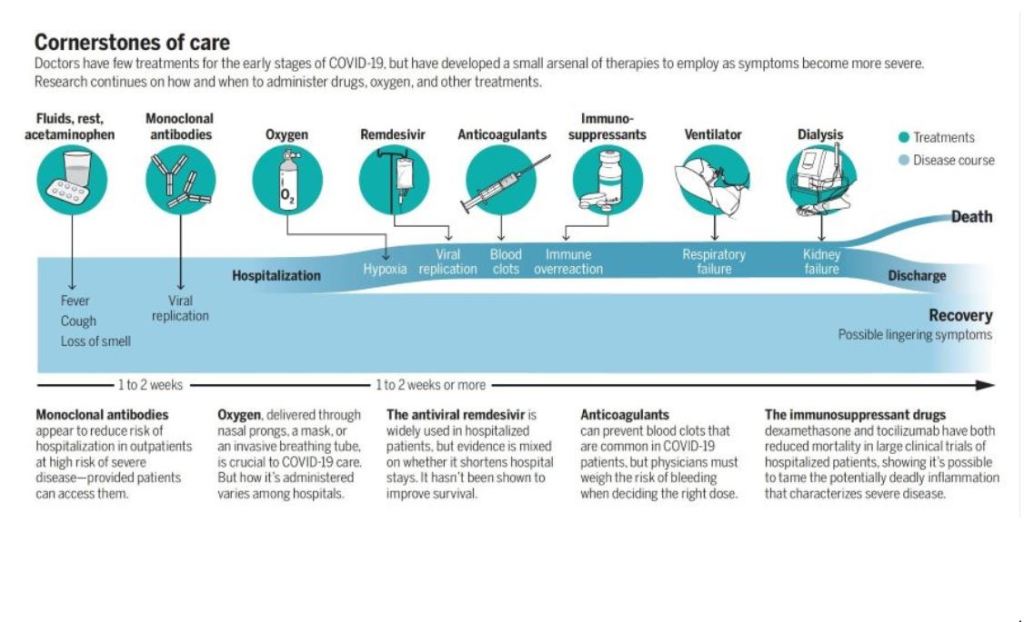
COVID-19: INSIDE MEDICINE’S LONGEST YEAR (2020 – 2021)
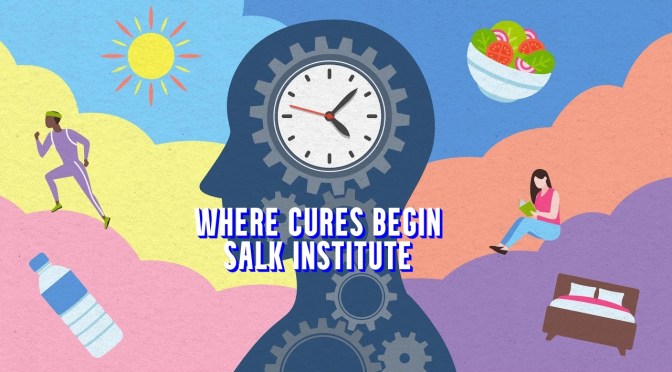
HEALTHY LIVES: LIVING IN SYCH WITH BIOLOGICAL CLOCKS (SALK INSTITUTE)
Satchin Panda is a professor in Salk’s Regulatory Biology Laboratory. He explores the genes, molecules and cells that keep the whole body on the same biological clock, also known as a circadian rhythm. On this episode of Where Cures Begin, Panda talks about what a biological clock is, how living in sync with your clock can improve your health, and how growing up in India informed his research.
 Doctors Without Waiting Rooms