Category Archives: Infographics

Skin Conditions: A Review Of Urticaria (Or Hives)

One out of five people experience hives in their lifetime. These are itchy bumps, which are surrounded by a field of redness, and itch like crazy.

Hives are caused by the release of histamine from mast cells in the tissues, or basophiles in the bloodstream.
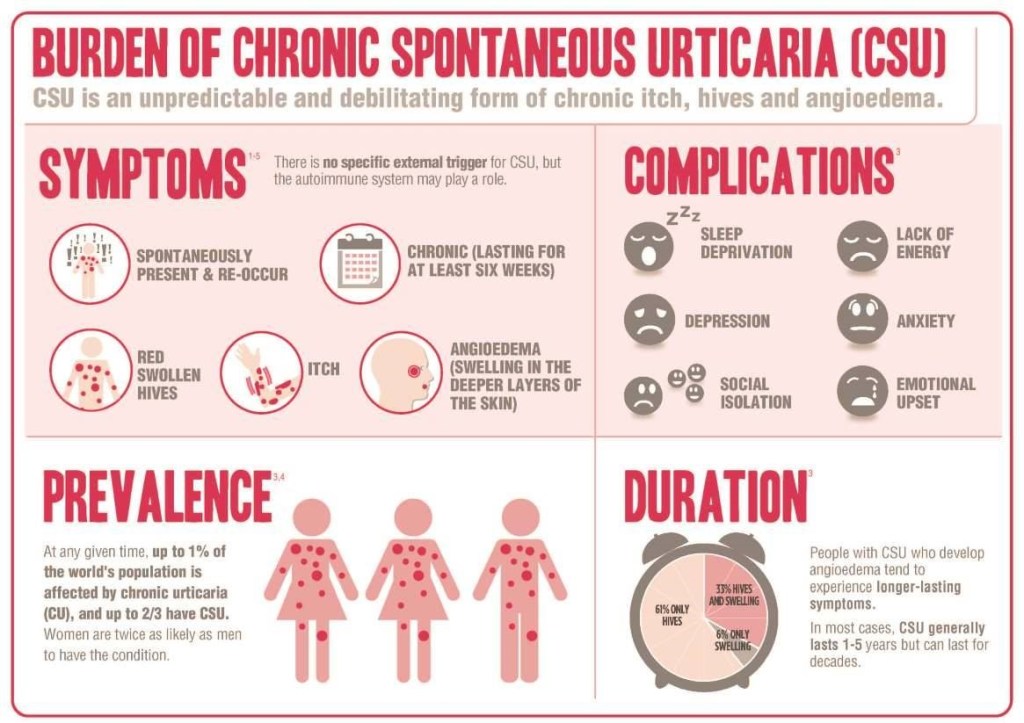
Itching is the chief annoyance, which can cause sleep loss, as well as misery severe enough to distract from normal activities. Hives are sometimes associated with angioedema, which is swelling in certain areas, such as the throat and windpipe, which can be fatal. Extensive hives, with leaking of fluid out of the blood vessel’s can also cause low blood pressure, which can be fatal, especially if you’re in a precarious situation, such as swimming.

The topic has been increasingly understood, and therefore growing increasingly complex, and I will only touch on some high points. I would recommend the review of Dermnet from New Zealand, which is included below if you want more complete and reasonably understandable information.

I have had hives only one time, after being stung by a bee for the third or fourth time. Within a few seconds, I started itching all over my body, but had no dizziness so apparently didn’t lose much fluid from my blood vessels. The hives went away after taking an antihistamine. I sometimes get itchy after wearing a tight belt, which is probably caused by histamine release due to “ pressure urticaria. As mentioned in previous articles, I also get itchy skin without hives if I let my skin get too dry, helped by lubricants, and have itchy ears for which I take drops of mineral oil into my ears, and wash the wax out every few months.

Urticaria, or hives, can be in a limited  area or all over the body, can last a few days or come and go indefinitely, and can be mild or incapacitating. They can be caused by a huge variety of known things, from infections, such as upper respiratory infections, foods such as peanut, drugs such as antibiotics, contactants, such as latex gloves, and stings or other injectants, which  can generalize into severe and sometimes fatal anaphylaxis.

Adrenaline, and antihistamines, are needed immediately in these situations. You may have heard of the rapidly injectable EpiPen, which you must carry with you if at risk.

Often with chronic urticaria, the cause remains unknown or “idiopathic”. As an allergist, this used to drive me almost as crazy as my patients, A lot of progress has been made in the last few decades. About half of the unknown causes turns out to be antibodies directed towards the allergic antibody, IGE, which can be treated by yet another antibody, omalizumab, or some other expensive new medications.

If you have urticaria that continues, and interferes with your enjoyment of life, You can help your doctor out by carefully remembering the circumstances, under which the hives occur, and the places on your body where they are the most annoying. Ask your relatives if they have any autoimmune diseases, like lupus, or vitiligo. Know exactly what medication you are taking, and bring a list with you.

Angioedema can be fatal due to blockage of breathing and demands immediate attention. ACE Inhibitors can cause these swellings, which often occur without itching.

Once again, go to the excellent and understandable article by Dermnet/urticaria/an overview.

—Dr. C.

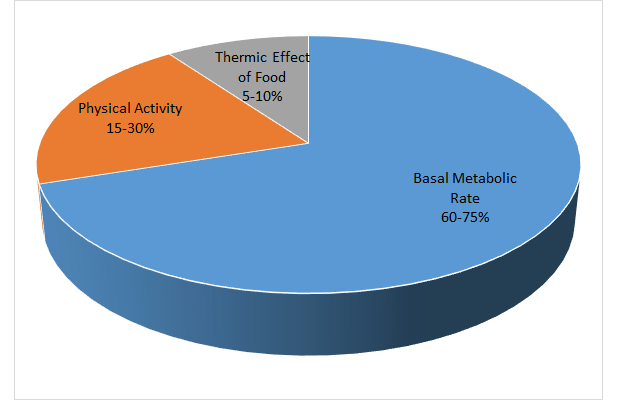
Basal Metabolic Rate (BMR)

Cleveland Clinic (June 9, 2023) – The truth is that your body NEVER STOPS burning calories. That calorie blaze might resemble a five-alarm fire at certain times of the day, like when you’re exercising, but the flame is always lit.

Over the course of a day, your body’s natural calorie burn without any activity can range from 1,300 to more than 2,000, depending on your age and sex. (More on that in a bit.)

So, how and why do you burn calories reading, sleeping or logging long hours as a couch potato? Let’s do the math with endocrinologist and weight management specialist Marcio Griebeler, MD.

Why your body burns calories

With so much talk about “calorie burn” focused on weight loss, the true reason behind your body’s calorie needs often gets overlooked. It’s not about the numbers on the scale. It’s about survival.

“To live, you have to burn calories,” says Dr. Griebeler. “Your body burns calories to pump your heart, to breath, to think … to do everything.”

That constant burn to keep your body going is known as your metabolism. To get a little more specific, your basal metabolic rate (BMR) refers to the minimum number of calories your body needs to function.

So, as you’re doing nothing, your body is still busy and burning calories to keep all systems operational.

Calculating your metabolic rate

While we all have a BMR, we don’t all share the same BMR. It’s not some standard formula like the Pythagorean Theorem. (That’s A² + B² = C², in case you’re rusty on your middle school math lessons.)

BMR, also known as your resting metabolic rate, varies widely based on factors such as:

  • Age.
  • Height.
  • Weight.
  • Sex.
  • Muscle-to-fat ratio.
  • Genetics.

READ MORE

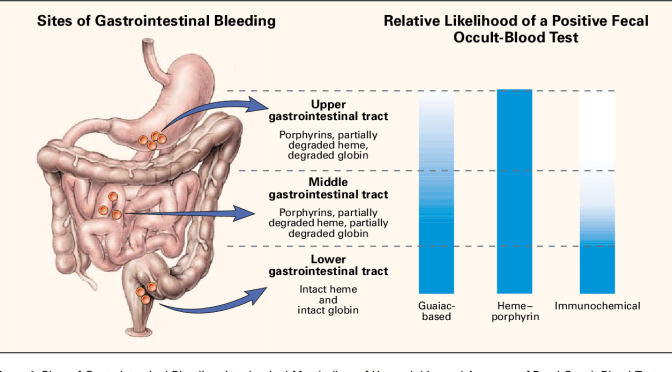
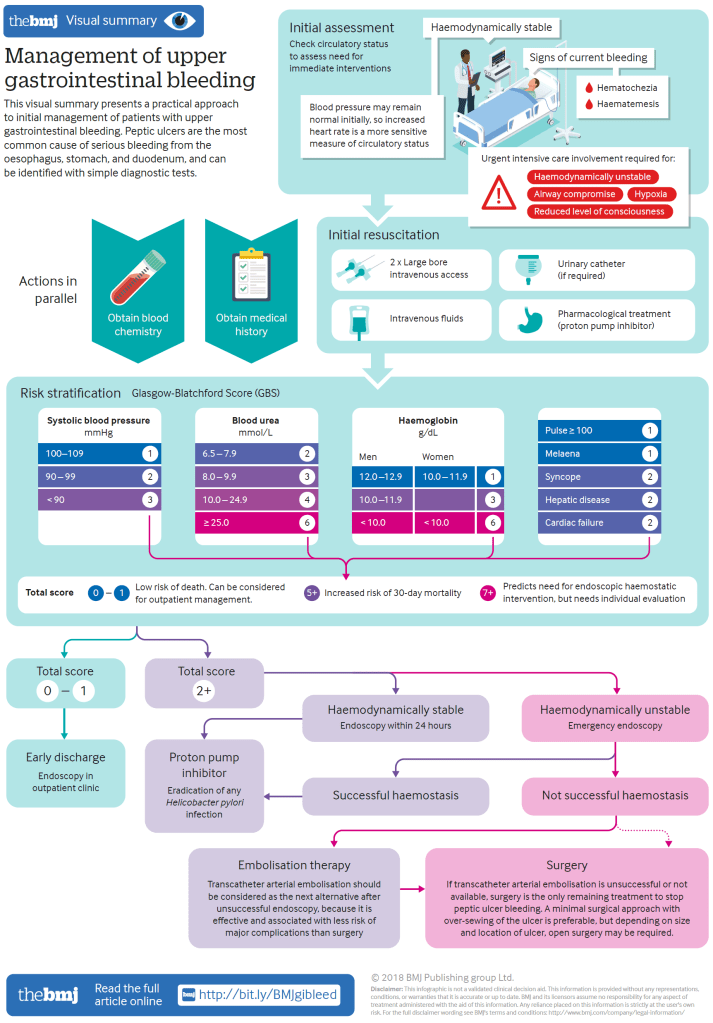
Review: Gastrointestinal Bleeding Management

Upper gastrointestinal bleeding (UGIB) refers to gastrointestinal blood loss whose origin is proximal to the ligament of Treitz at the duodenojejunal junction. Acute UGIB can manifest in a variety of ways, with or without hemodynamic compromise, including hematemesis, coffee-ground emesis, the return of bright red blood through a nasogastric tube, melena, and, rarely, hematochezia (bright red blood per rectum). Hematochezia is typically only seen with an extremely brisk UGIB; significant hemodynamic compromise is common in these patients.[1][2]

Causes are multiple, but in developed countries bleeding is usually secondary to peptic ulcer disease (PUD), erosions, esophagitis, or varices.

UGIB results in more than 250,000 hospital admissions annually in the US, with a mortality of up to 11%.[3][4] Ordinarily, mortality is secondary to hypovolemic shock. Rapid evaluation, hemodynamic resuscitation, and appropriate pharmacologic and endoscopic interventions are the cornerstones of therapy.

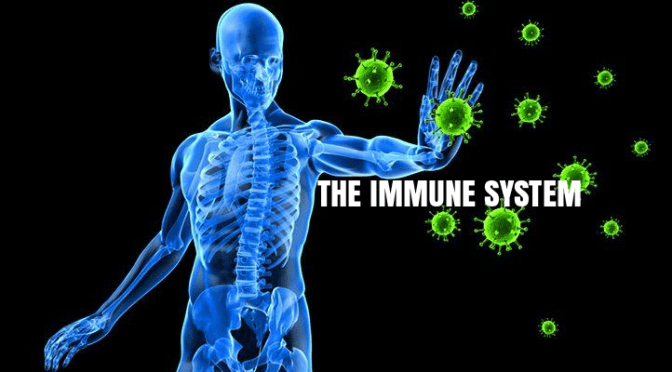
Immune System: Is It A Guard Dog Or Wolf?

Without an immune system, we wouldn’t be here. Even the simplest creature, like bacteria, have types of defensive systems.

However, as we learned with Covid, the immune system can become mistimed, and be a detriment. Covid retards the innate immune system, and unleashes it later on when it no longer serves a useful purpose and actually damages tissue. In certain illnesses, like the common cold, most of the symptoms are actually CAUSED by the immune system.

in the case of allergies, symptoms are caused by the operation of our th2 immune system against a harmless entity, like pollen. With organ transplantation, our immune system recognizes the transplant as foreign; it has no reasoning capacity to realize that the transplanted tissue is necessary for us to live, and  to proceeds to reject the transplant.

In the case of the previous post, hydrocortisone, the prototypical shotgun that tamps down the immune system, benefited severe pneumonia.

With public health, immunizations, and a clean environment, infection is no longer the big killer is once was. Our immune system, designed to defend against a much more infectious world, is currently a real source of danger and disease.

Just like our coagulation system, once critical to stop the more frequent blood flowing in a violent world, Is now a bigger danger than ever because of our development of atherosclerotic blood vessel disease as we live longer.

Anticoagulants and anti-immunity treatments, some of them very expensive, are finding increased utility.

Please press the magnifying glass on the green field, and type in “immune system”. There are a number of previous posts of a more specific and detailed nature.

— Dr. C

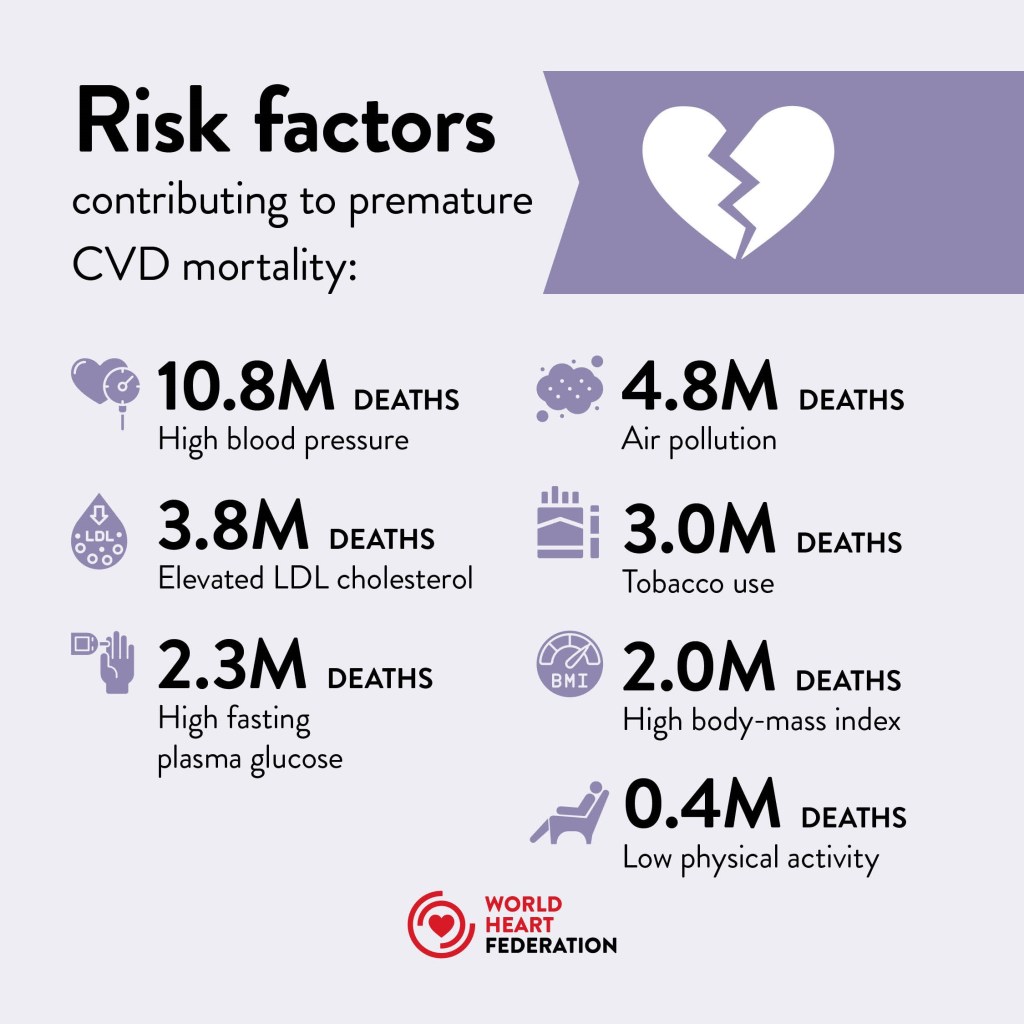
Infographic: Systemic Arterial Hypertension

Systemic arterial hypertension is the most important modifiable risk factor for all-cause morbidity and mortality worldwide and is associated with an increased risk of cardiovascular disease (CVD).

Fewer than half of those with hypertension are aware of their condition, and many others are aware but not treated or inadequately treated, although successful treatment of hypertension reduces the global burden of disease and mortality. The aetiology of hypertension involves the complex interplay of environmental and pathophysiological factors that affect multiple systems, as well as genetic predisposition.

The evaluation of patients with hypertension includes accurate standardized blood pressure (BP) measurement, assessment of the patients’ predicted risk of atherosclerotic CVD and evidence of target-organ damage, and detection of secondary causes of hypertension and presence of comorbidities (such as CVD and kidney disease). Lifestyle changes, including dietary modifications and increased physical activity, are effective in lowering BP and preventing hypertension and its CVD sequelae.

Pharmacological therapy is very effective in lowering BP and in preventing CVD outcomes in most patients; first-line antihypertensive medications include angiotensin-converting enzyme inhibitors, angiotensin II receptor blockers, dihydropyridine calcium-channel blockers and thiazide diuretics.

READ MORE

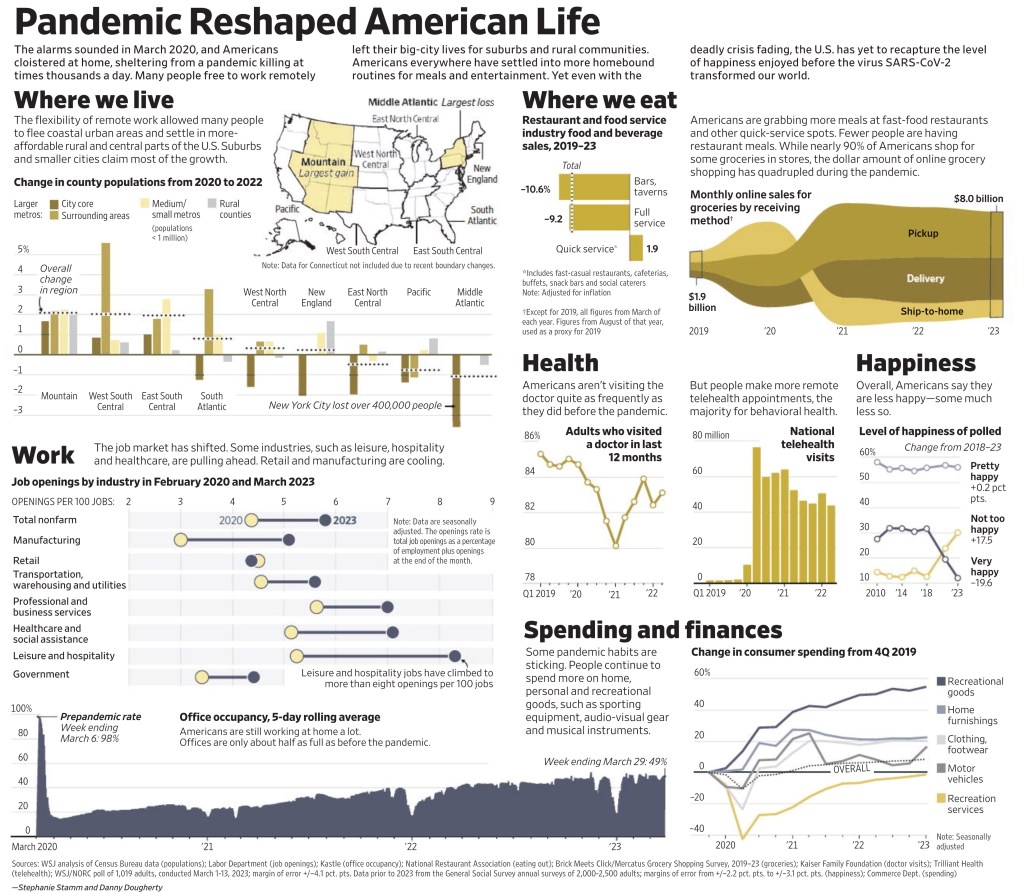
HEALTH: HOW THE PANDEMIC RESHAPED AMERICAN LIFE

Wall Street Journal (May 5, 2023) – The alarms sounded in March 2020, and Americans cloistered at home, sheltering from a pandemic killing at times thousands a day. Many people free to work remotely left their big-city lives for suburbs and rural communities. Americans everywhere have settled into more homebound routines for meals and entertainment. Yet even with the deadly crisis fading, the U.S. has yet to recapture the level of happiness enjoyed before the virus SARS-CoV-2 transformed our world.

READ MORE AT WSJ

Bacteria: Helicobacter Pylori Infection Review

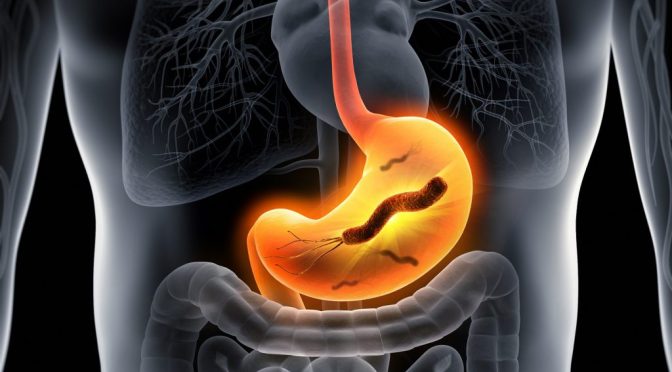
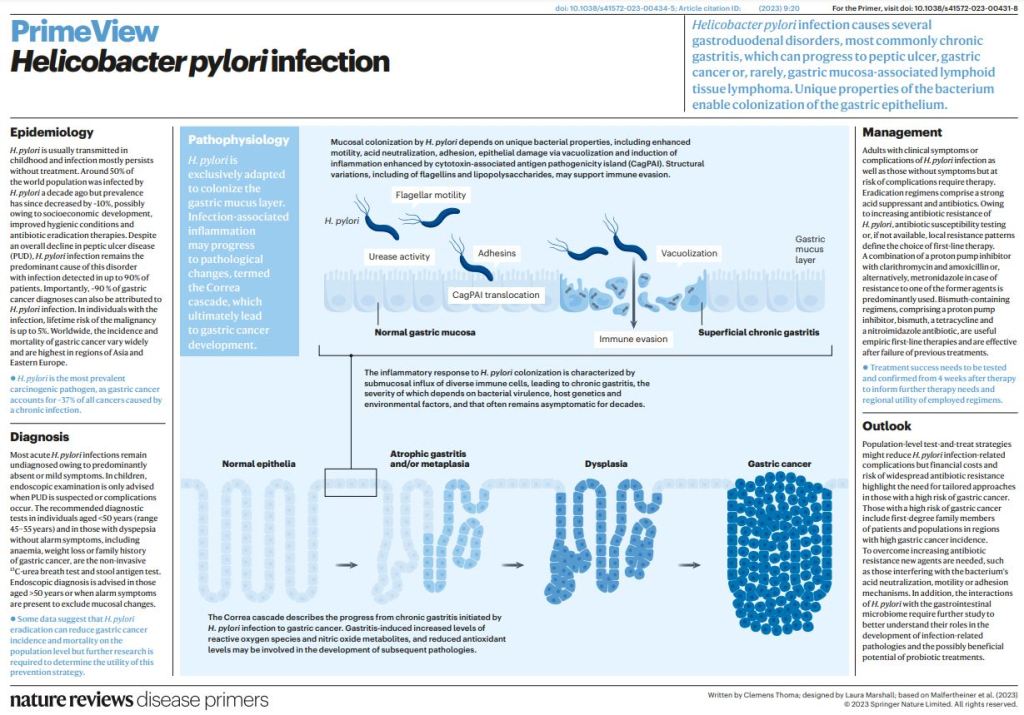
Helicobacter pylori infection causes chronic gastritis, which can progress to severe gastroduodenal pathologies, including peptic ulcer, gastric cancer and gastric mucosa-associated lymphoid tissue lymphoma. H. pylori is usually transmitted in childhood and persists for life if untreated. The infection affects around half of the population in the world but prevalence varies according to location and sanitation standards. H. pylori has unique properties to colonize gastric epithelium in an acidic environment.

The pathophysiology of H. pylori infection is dependent on complex bacterial virulence mechanisms and their interaction with the host immune system and environmental factors, resulting in distinct gastritis phenotypes that determine possible progression to different gastroduodenal pathologies. The causative role of H. pylori infection in gastric cancer development presents the opportunity for preventive screen-and-treat strategies. Invasive, endoscopy-based and non-invasive methods, including breath, stool and serological tests, are used in the diagnosis of H. pylori infection.

Their use depends on the specific individual patient history and local availability. H. pylori treatment consists of a strong acid suppressant in various combinations with antibiotics and/or bismuth. The dramatic increase in resistance to key antibiotics used in H. pylori eradication demands antibiotic susceptibility testing, surveillance of resistance and antibiotic stewardship.

READ MORE

Infographic: Why Women Have High Risks Of Stroke

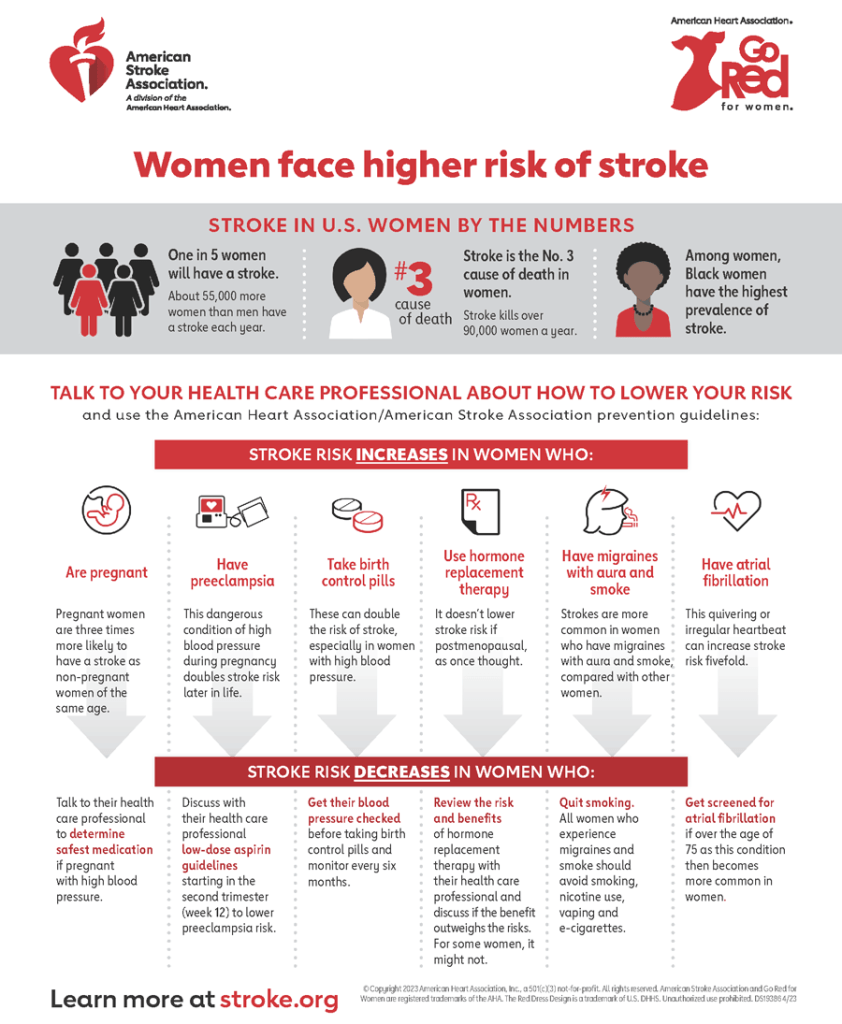
Stroke in U.S. Women by the Numbers

One in 5 women will have a stroke. About 55,000 more women than men have a stroke each year.

Stroke is the No. 3 cause of death in women. Stroke kills over 90,000 women a year.

Among women, Black Women have the highest prevalence of stroke.

Talk to your health care provider about how to lower your risk and use the American Heart Association/American Stroke Association prevention guidelines:

Stroke risk increases in women who:

  • Are pregnant. Pregnant women are three times more likely to have a stroke as women of the same age.
  • Have preeclampsia. This dangerous condition of high blood pressure during pregnancy doubles stroke risk later in life.
  • Take birth control pills. These can double the risk of stroke, especially in women with high blood pressure.
  • Use hormone replacement therapy. It doesn’t lower it, like once thought.
  • Have migraines with aura and smoke. Strokes are more common in women who have migraines with aura and smoke, compared with other women.
  • Have atrial fibrillation. This quivering or irregular heartbeat can increase stroke risk fivefold. After age 75, it’s more common in women than men.

Stroke risk decreases in women who:

  • Talk to their health care provider to determine safest medication if pregnant with high blood pressure.
  • Discuss with their health care provider low-dose aspirin guidelines starting in the second trimester (week 12) to lower preeclampsia risk.
  • Get their blood pressure checked before taking birth control pills and monitor every six months.
  • Don’t use hormone replacement therapy to prevent stroke if postmenopausal.
  • Quit smoking if they have migraines with aura.
  • Get screened for atrial fibrillation if over age 75.

READ MORE

Reviews: Young-Onset Colorectal Cancer

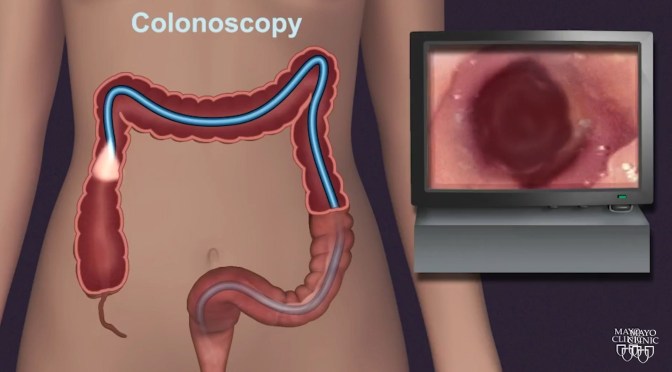
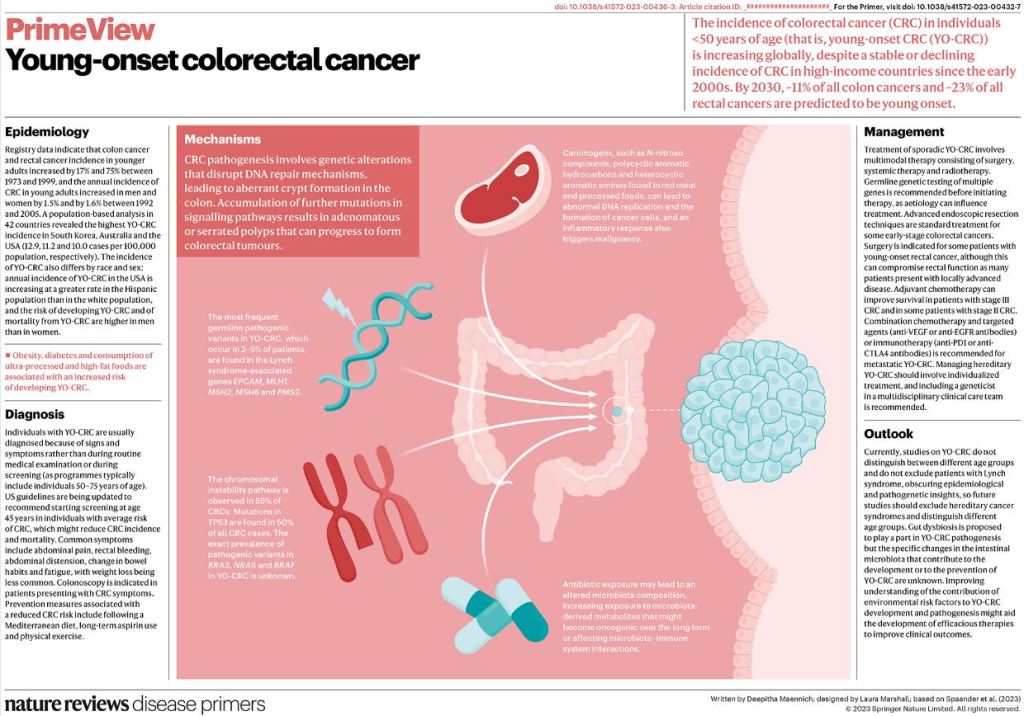
In the past decades the incidence of colorectal cancer (CRC) in people under the age of 50 years has increased, which is referred to as early-onset CRC or young-onset CRC (YO-CRC). YO-CRC is expected to account for 11% of colon cancers and 23% of rectal cancers by 2030. This trend is observed in different parts of the world and in both men and women. In 20% of patients with YO-CRC, a hereditary cancer syndrome is found as the underlying cause; however, in the majority of patients no genetic predisposition is present.

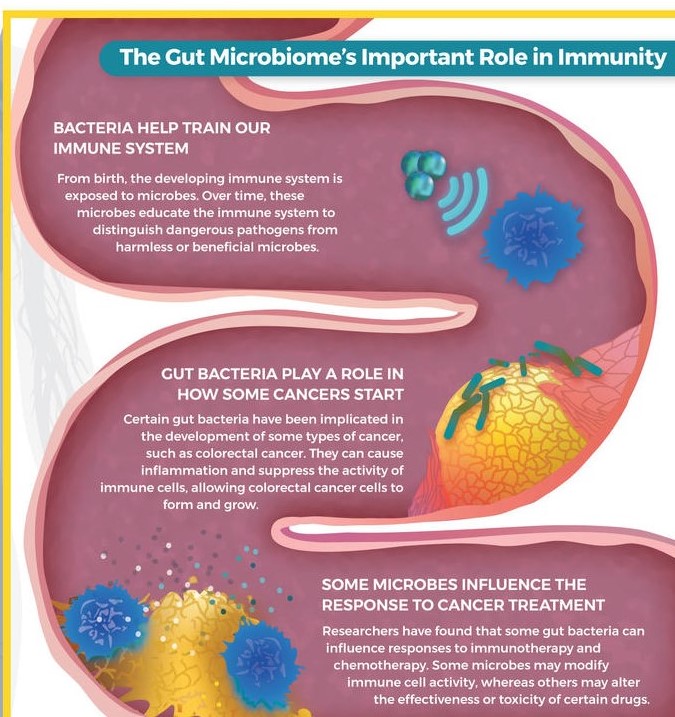
Beginning in the 1950s, major changes in lifestyle such as antibiotic use, low physical activity and obesity have affected the gut microbiome and may be an important factor in YO-CRC development. Owing to a lack of screening, patients with YO-CRC are often diagnosed with advanced-stage disease. Long-term treatment-related complications should be taken into account in these younger patients, making the more traditional sequential approaches of drug therapy not always the most appropriate option.

To better understand the underlying mechanism and define relationships between environmental factors and YO-CRC development, long-term prospective studies are needed with lifestyle data collected from childhood.

Read more