
All posts by doctorswithoutwaitingrooms

EMPOWERING PATIENTS THROUGH EDUCATION AND TELEMEDICINE

Reviews: The Importance Of Regular Exercise

Mayo Clinic (April 20, 2023) – Fitness training balances five elements of good health. Your overall exercise plan should include aerobic fitnessstrength trainingcore exercisesbalance training, and flexibility and stretching

  1. Exercise controls weight.
    Exercise can help control your weight, prevent excess weight gain or maintain weight loss. When you take part in physical activity, you burn calories. The more intense the activity, the more calories you burn.
  2. Exercise combats heart conditions and diseases.
    Being active boosts high-density lipoprotein, or HDL or “good,” cholesterol, and it decreases unhealthy triglycerides. This one-two punch keeps your blood flowing smoothly, which decreases your risk of cardiovascular diseases.
  3. Exercise improves mood.
    Physical activity stimulates various brain chemicals that may leave you feeling happier, more relaxed and less anxious. You also may feel better about your appearance when you exercise regularly, which can boost your confidence and improve your self-esteem.
  4. Exercise boosts energy.
    Regular physical activity can improve your muscle strength and boost your endurance. Exercise delivers oxygen and nutrients to your tissues and helps your cardiovascular system work more efficiently. And when your heart and lung health improve, you have more energy to tackle daily chores.
  5. Exercise promotes better sleep.
    Regular physical activity can help you fall asleep faster, get better sleep and deepen your sleep.
  6. Exercise puts the spark back into your sex life.
    Regular physical activity can improve energy levels and increase your confidence about your physical appearance, which may boost your sex life. Regular physical activity may enhance arousal for women, and men who exercise regularly are less likely to have problems with erectile dysfunction than men who don’t exercise.
  7. Exercise can be fun and social.
    Exercise and physical activity can be enjoyable. Exercise gives you a chance to unwind, enjoy the outdoors or simply take part in activities that make you happy. Physical activity also can help you connect with family or friends in a fun social setting.
READ MORE AT MAYO CLINIC

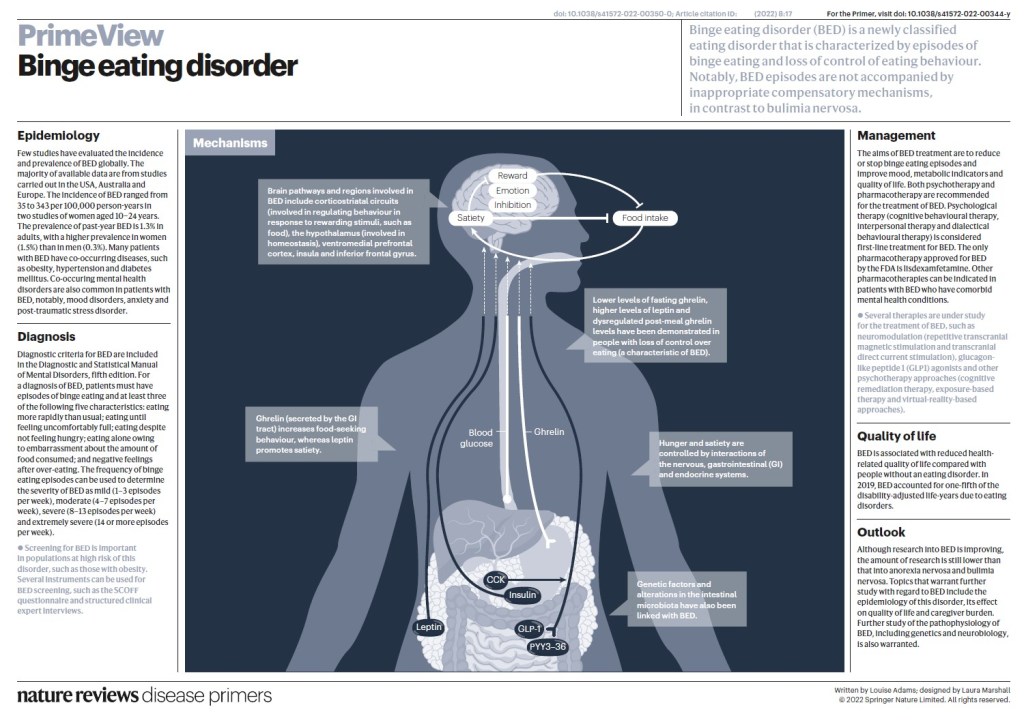
Infographic: Binge Eating Disorder (BED) Diagnosis

Binge eating disorder (BED) is characterized by regular binge eating episodes during which individuals ingest comparably large amounts of food and experience loss of control over their eating behaviour. The worldwide prevalence of BED for the years 2018–2020 is estimated to be 0.6–1.8% in adult women and 0.3–0.7% in adult men. BED is commonly associated with obesity and with somatic and mental health comorbidities. People with BED experience considerable burden and impairments in quality of life, and, at the same time, BED often goes undetected and untreated.

READ MORE

Research: The Digital Medicine Revolution

Scripps Research (April 11, 2023) – From smartwatches and fitness bands to glucose monitors and in-home ultrasounds, the proliferation of digital devices is igniting a revolution in healthcare and medical research.

Patients can now collect thousands of data points about themselves and share that information with their healthcare providers. At the Scripps Research Translational Institute, researchers are taking advantage of new technology to study disease in novel ways.

Their projects include a platform for early detection of disease outbreaks, a sleep quality study, and even a way to predict and individual’s risk of certain disease based on their genetics. In this video, hear directly from the team about this exciting new frontier.

READ MORE

Bipolar Disorder: How It Is Diagnosed & Managed

Cleveland Clinic (April 6, 2023) – About 5.7 million adults in the U.S. have bipolar disorder. The lifelong mental health condition, which includes four different types, is known for the maniac and depressive episodes someone experiences.

Chapters: 0:00 Intro 0:26 What is bipolar disorder? 0:50 What does a manic episode feel like? 1:18 What does a depressive episode feel like? 2:00 How to manage bipolar disorder

What is bipolar disorder?

Bipolar disorder (formerly known as manic-depressive illness or manic depression) is a lifelong mood disorder and mental health condition that causes intense shifts in mood, energy levels, thinking patterns and behavior. These shifts can last for hours, days, weeks or months and interrupt your ability to carry out day-to-day tasks.

There are a few types of bipolar disorder, which involve experiencing significant fluctuations in mood referred to as hypomanic/manic and depressive episodes. However, people with bipolar disorder aren’t always in a hypomanic/manic or depressive state. They also experience periods of normal mood, known as euthymia.

READ MORE at Cleveland Clinic

Colorectal Cancer: Some Myths & Facts Explained

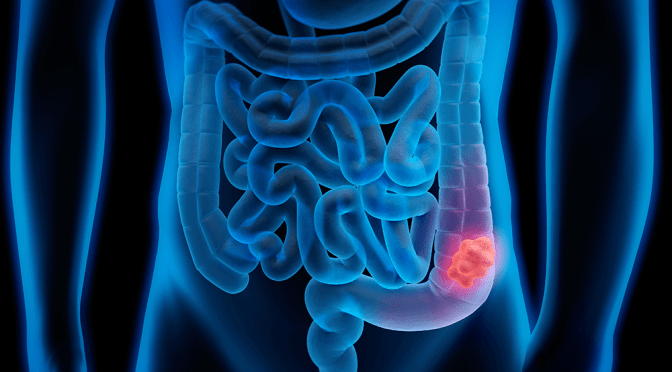
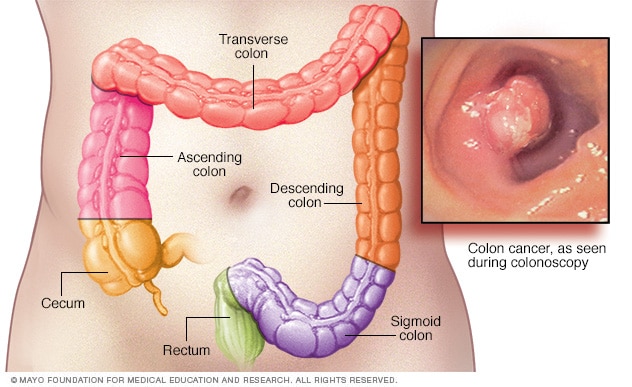
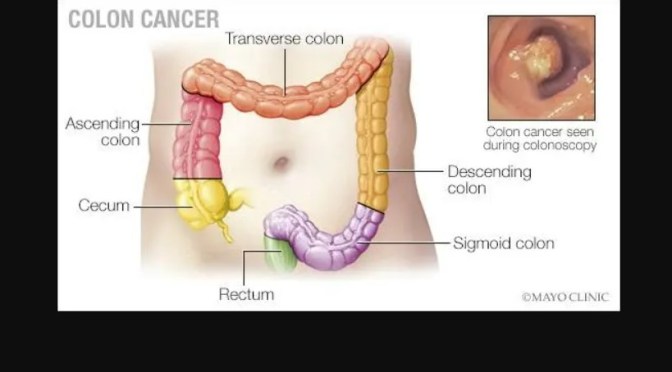
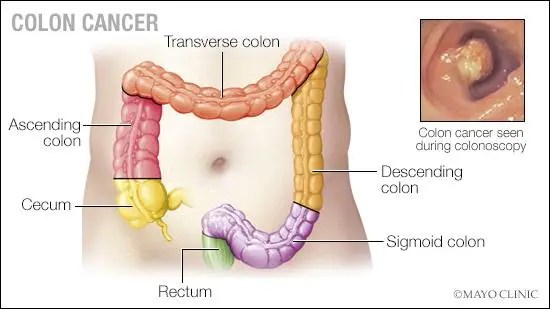
Mayo Clinic Cancer Blog – Colon cancer can occur in any part of the colon. An examination of your entire colon using a long, flexible tube equipped with a camera (colonoscopy) is one way to detect colon cancer and polyps. It can be easy to feel confused by screening recommendations for common types of cancer. Test your knowledge of why, when and how you can be screened with these myths and facts:

Colorectal cancer is rare.

Myth. Colorectal cancer is the second-leading cause of cancer-related death in men and women combined. Roughly 1 in 25 women will have colorectal cancer, and about 1 in 23 men will have colorectal cancer. To put that in perspective, when watching a football game, of all the players on the field, about one player would be diagnosed with colorectal cancer in their lifetime.

Colon cancer locations

Colorectal cancer can happen when you are young.

Fact. The rate of colorectal cancer is increasing in people under 50. Rates of colorectal cancer in people under 50 have doubled since 1990. In people over 65, the diagnosis rates have been decreasing, most likely because of colorectal cancer screening.

READ MORE

Circulatory Conditions: Peripheral Artery Disease

April 4, 2023: Peripheral Artery Disease (PAD) is a chronic circulatory condition, which, if not treated, can lead to limb amputations. PAD affects nearly 20 million Americans. An estimated 200,000 people, disproportionately from minority communities, suffer avoidable amputations every year.

What is peripheral artery disease?

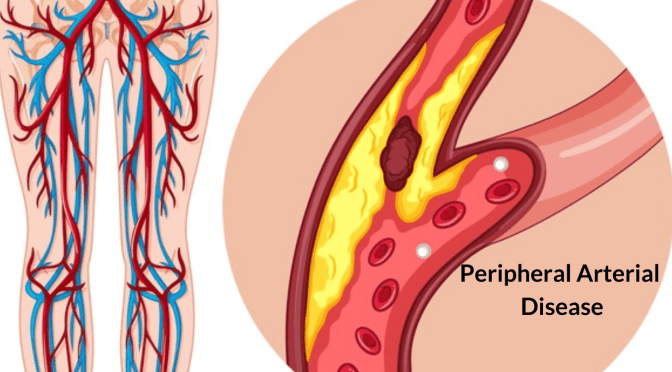
Peripheral artery disease (PAD) is plaque buildup in your leg arteries. Your leg arteries carry oxygen and nutrient-rich blood from your heart to your arms and legs. Other names for this are peripheral vascular disease or peripheral arterial disease.

Shaped like hollow tubes, arteries have a smooth lining that prevents blood from clotting and promotes steady blood flow. When you have peripheral artery disease, plaque (made of fat, cholesterol and other substances) forms gradually inside your artery walls. Slowly, this narrows your arteries. This plaque is also known as atherosclerosis.

Many plaque deposits are hard on the outside and soft on the inside. The hard surface can crack or tear, allowing platelets (disc-shaped particles in your blood that help it clot) to come to the area. Blood clots can form around the plaque, making your artery even narrower.

If plaque or a blood clot narrows or blocks your arteries, blood can’t get through to nourish organs and other tissues. This causes damage ― and eventually death (gangrene) ― to the tissues below the blockage. This happens most often in your toes and feet.

PAD can get worse faster in some people more than others. Many other factors matter, including where in your body the plaque forms and your overall health.

READ MORE

Colon Cancer Options: Intraoperative Radiation Therapy Vs Radiation

What is the difference between intraoperative radiation therapy and normal radiation? Is radiation a standard treatment option, or are there other approaches?

Mayo Clinic (March 28, 2023):

ANSWER: Colon cancer is one of the most common malignancies in the U.S., with more than 100,000 new cases diagnosed each year. Over a lifetime, it is estimated that 1 in 23 men and 1 in 26 women will be diagnosed with colon cancer. Typical colon cancers start as a polyp-like growth in the inside layer of the colon, which can be seen during a colonoscopy. Most cancer organizations recommend starting colonoscopy screenings at age 45.

When the treatment team is concerned about achieving negative margins, or removing the entire tumor with an edge of normal tissue around the specimen, intraoperative radiation therapy may be considered. Intraoperative radiation therapy rarely is used for colon cancer, but, when necessary, the area of concern is directly targeted with a single fraction of radiation during surgery. 

When a mass is found during a colonoscopy or cancer is suspected, biopsies are taken and reviewed by a pathologist. In this scenario, most patients are asymptomatic. Without preventive colon cancer screenings, a tumor may grow to an advanced stage before it causes any symptoms that a patient or health care professional would recognize. The most common signs and symptoms of colon cancer are anemia, which may lead to fatigue; abdominal pain; blood in the stool or other bowel changes; weight loss; and signs of obstruction.

Once colon cancer is diagnosed, the next step is a staging examination. This involves a history and physical examination; blood work; confirmation that a full colonoscopy has been performed; and CT scans of the chest, abdomen and pelvis. The results of these tests will allow your health care professional to assign a clinical stage. In stages 1 and 2, the tumor remains in the colon wall with no evidence that it has spread further. With stage 3, there is concern that the tumor cells have spread to the regional lymph nodes, and in stage 4 colon cancer, the tumor cells have spread outside of the local area to other organs  most commonly the liver, lungs or peritoneum.

Surgery is the mainstay of treatment for stages 1, 2 and 3 disease and is usually the first step in the treatment process. The segment of the colon bearing the tumor is removed, along with the draining lymph nodes. The ends of the intestine are reconnected, and the specimen is sent to the pathologist who then performs a histologic examination of the colon and the associated lymph nodes. The pathologist will assign a final pathologic stage to the tumor, which will dictate the need for any additional treatment.