
In this #MayoClinicMinute, orthopedic surgeon @DoctorOkoro discusses some of the work @MayoClinic is doing to limit #opioid use by offering alternatives to postsurgical pain management. pic.twitter.com/q8LkLFEboJ
— Mayo Clinic Sports Medicine (@mayoclinicsport) December 19, 2021
Monthly Archives: December 2021

DOCTORS PODCAST: MEDICAL & TELEHEALTH NEWS (DEC 19)
A weekly podcast on the latest medical, science and telehealth news.
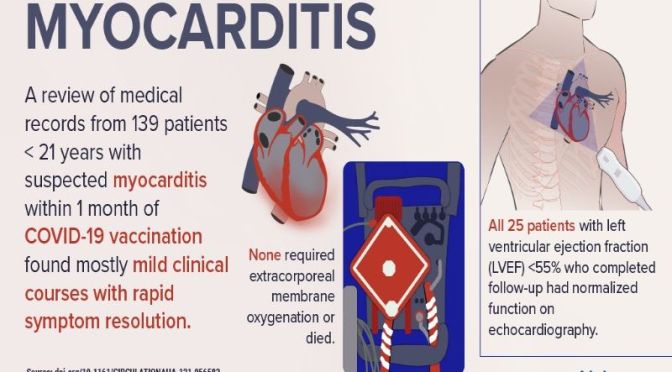
Covid-19 Vaccination: Risks Of Myocarditis
Given the myriad of cardiac concerns associated with SARS-CoV-2 infection, news that the myocarditis associated with mRNA vaccination is mostly mild and resolves quickly in the rare instances in which it occurs was welcome news. The findings continue to tip scales in favor of vaccination and resulted in this week’s top trending clinical topic.
Women’s Health: How To Treat Yeast Infections
Vaginal yeast infections are very common, happening to over 1 million women in the United States each year. A type of vaginitis, a vaginal yeast infection is caused by a specific type of yeast called candida. You always have yeast in your body, but when it grows rapidly, you can get an infection.
Video timeline: 0:00 Intro 0:09 Get a prescription from your doctor 0:32 Try an over-the-counter anti-fungal cream 1:03 Does yogurt treat a yeast infection? 1:30 Does vinegar treat a yeast infection? 2:03 Should you try home remedies to treat yeast infections?
Medicine: Kidney Disease Explained (Mayo Clinic)
Chronic kidney disease, also called chronic kidney failure, involves a gradual loss of kidney function. Your kidneys filter wastes and excess fluids from your blood, which are then removed in your urine. Advanced chronic kidney disease can cause dangerous levels of fluid, electrolytes and wastes to build up in your body.
Video timeline: 0:31 What is kidney disease? 1:09 Who gets kidney disease/risk factors? 2:24 Kidney disease symptoms 3:03 How is kidney disease diagnosed? 3:53 Treatment options 5:23 Coping methods/ What now? 6:16 Ending
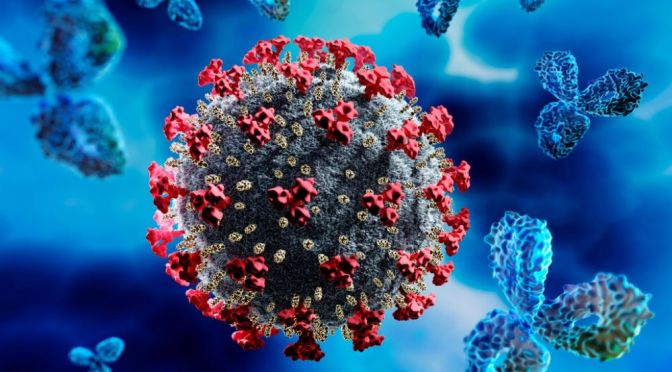
Covid-19: Is There Prior Infection Immunity?
Eric Rubin is the Editor-in-Chief of the Journal. Lindsey Baden is a Deputy Editor of the Journal. Stephen Morrissey, the interviewer, is the Executive Managing Editor of the Journal. E.J. Rubin, L.R. Baden, and S. Morrissey. Audio Interview: How Much Protection Does Prior SARS-CoV-2 Infection Provide?
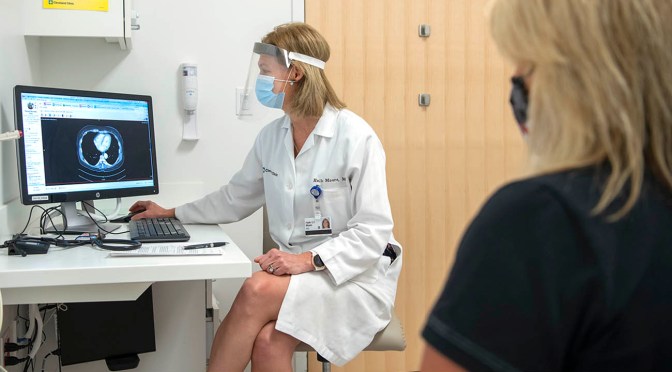
Women’s Health: Breast Cancer Surgical Options
The main two main options for breast cancer surgery are a lumpectomy, which is surgical removal of the tumor. The other surgical option is a mastectomy, which means complete removal of the breast.

Heart Health: Tricuspid Regurgitation Treatment
The tricuspid valve helps regulate blood flow in the heart. But when it isn’t working properly, a condition known as tricuspid regurgitation can occur. In this video, cardiac surgeon S. Christopher Malaisrie, MD and interventional cardiologist Charles J. Davidson, MD explain how tricuspid regurgitation is being treated in innovative new ways at Northwestern Medicine. For more information, visit http://heart.nm.org
DOCTORS PODCAST: MEDICAL & TELEHEALTH NEWS (DEC 12)
A weekly podcast on the latest medical, science and telehealth news.
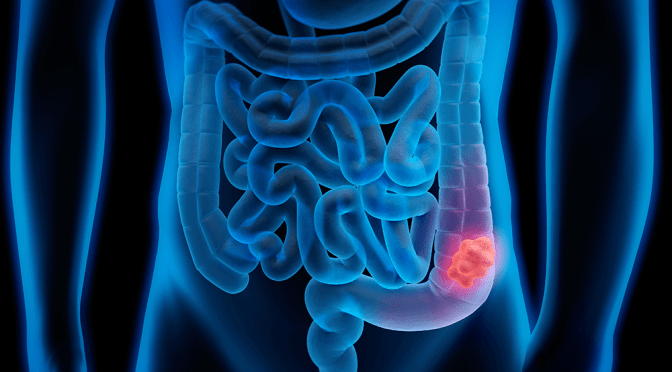
DR. C’S JOURNAL: CAUSES & SIGNS OF COLON CANCER
Colon cancer is one of the most common of all cancers, and one of the deadliest. Occurring out of sight in your intestinal tract, it often becomes advanced before it is first detected.
Any bowel symptoms, such as persistent diarrhea, constipation, or abdominal discomfort might be a warning symptom and indicate a trip to the doctor. Blood in the stools, either bright red or black and tarry, must be diagnosed. Unexplained weakness, fatigue, or weight loss might indicate cancer that is too far advanced for simple treatment, and of course requires a trip to the doctor.
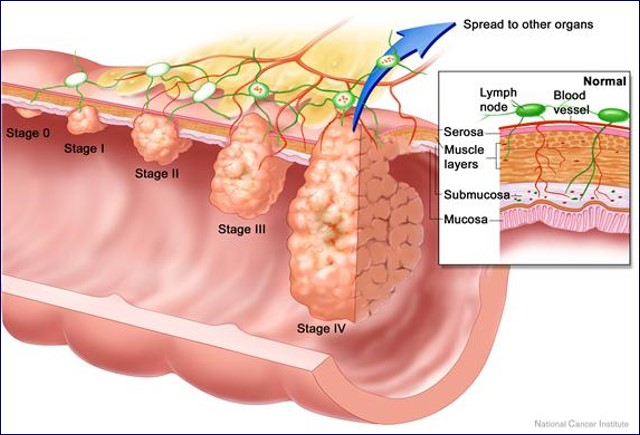
The most satisfactory way to pick up the cancer is by a screening test called a colonoscopy. A virtual colonoscopy by x-ray is also used, but it still requires the most uncomfortable part of the procedure, the preparation; The bowel must be washed out in order to properly visualize the cancer, or more likely pre-cancerous polyps or growths.
Due to the increase in frequency of colon cancer in young people, the age at which screening colonoscopy is medically advisable has been lowered from 50 to 45. A tendency to get colon cancer, or more commonly colon polyps, can run in families. These are best discovered by colonoscopy starting at an earlier age.
Increased age, or chronic inflammatory conditions such as ulcerative colitis can predispose to colon cancer. If you eat a lot of junk food (low fiber diet), or a lot of fat, You may be more susceptible. If you have a sedentary lifestyle, diabetes, smoke or drink alcohol, you may be more likely to develop this problem.
As usual, preventative measures are the best advice. Eating a lot of fruits, vegetables and whole grains might protect you. Exercising most days of the week and maintaining a healthy weight are good ideas. Limiting your alcohol and stopping smoking is always good advice.
I was a good boy and had colonoscopies every two years for a long time. I would have been happier had there been a blood test to pick up this dreaded disease. There are some simple tests like carcinoembryonic antigen, and a stool test for occult(hidden) blood, but these are not very accurate.
For treatment of colorectal cancer and other more complete information, please check with the following mayo clinic article.
 Doctors Without Waiting Rooms