A weekly podcast on the latest medical, science and telehealth news.
Monthly Archives: October 2021
THE DOCTORS 101 CHRONIC SYMPTOMS & CONDITIONS #57: SCOLIOSIS
Scoliosis is a curvature of the spine most commonly starting in childhood or adolescence. The cause can be a muscle imbalance from cerebral palsy or other muscle problems, a birth defect, an injury, or sometimes there is scoliosis that runs in the family and is hereditary. Occasionally it is caused by a difference in the length of the two legs.
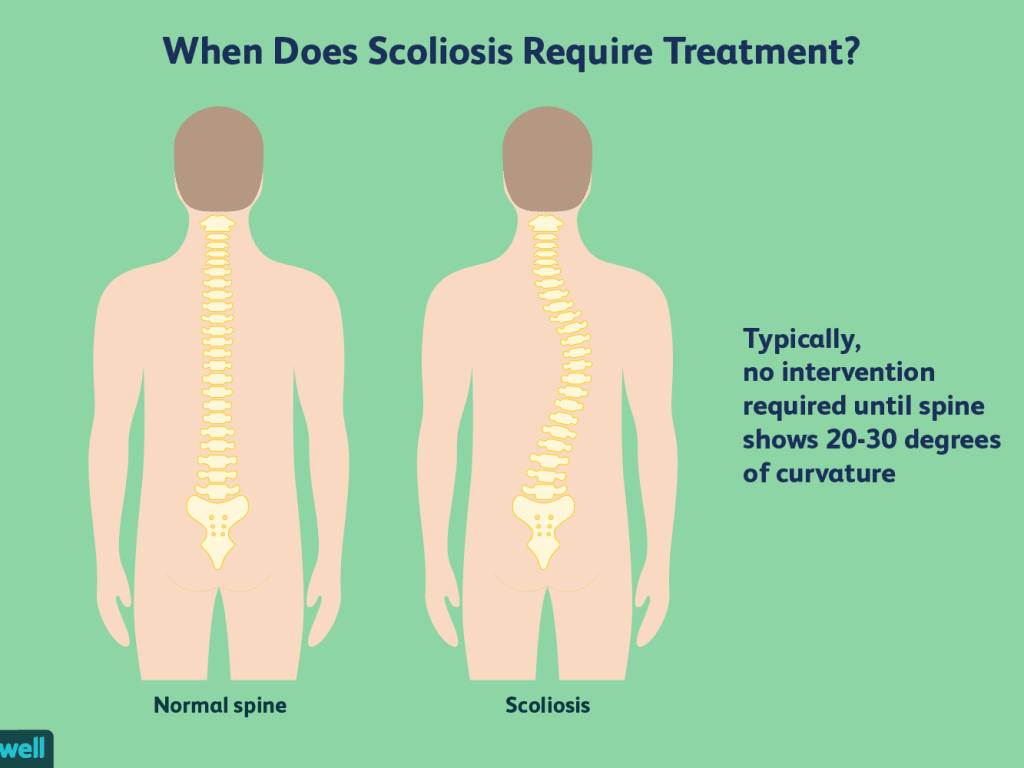
The curvature is sometimes accompanied by a rotation of the spine, and will produce an asymmetry of the back. Perhaps one shoulder blade is higher than the other or one shoulder is lower than the other. Differences in the leg length can be seen by differences in height of the pelvis.
The problem can be silent, if mild. However it can affect the way the child walks, or even interfere with breathing if severe. If untreated and progressive, it can cause chronic back pain in adulthood. Treatment is accomplished by braces, or occasionally by screws placed in the side of the vertebra that can be adjusted.
I had a friend that was 70 years old whose back pain eventually forced surgery. Scoliosis should definitely be supervised by a Doctor who will use physical therapy, braces, or some other conservative treatment to avoid later difficulties.
Please refer to the Mayo clinic article for more information.
—Dr. C.
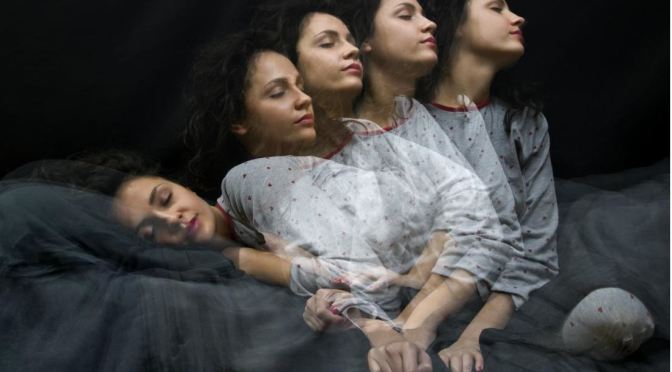
Brain Study: REM Sleep Behavior Disorder Linked To Neurodegeneration
REM sleep behavior disorder is linked to Parkinson’s disease, a movement disorder; dementia with Lewy bodies, which causes cognitive decline; and multiple system atrophy, in which the ability to regulate involuntary functions, such as blood pressure, breathing, and bladder and bowel function, deteriorates.
ROCHESTER, Minn. — People with rapid eye movement (REM) sleep behavior disorder act out their dreams. While sleeping safely in bed, for example, they might throw up their arms to catch an imaginary ball or try to run from an illusory assailant. Such actions are more than just a nuisance. People with the disorder have a 50% to 80% chance of developing a serious neurodegenerative disease within a decade of diagnosis.
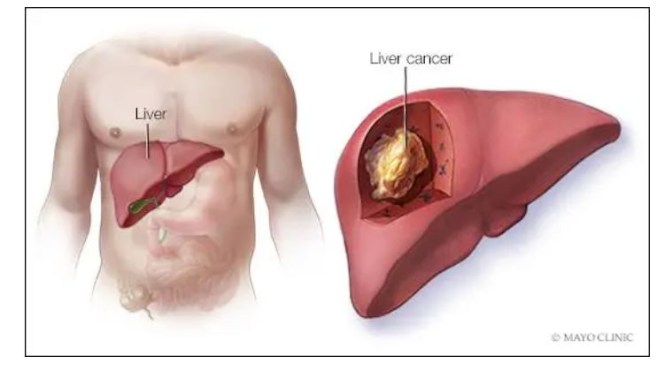
Podcast: Treating And Preventing Liver Cancer
The National Cancer Institute estimates that more than 42,000 new cases of liver cancer will be diagnosed in 2021, representing 2.2% of all new cancer cases in the U.S. The most common type of primary liver cancer is hepatocellular carcinoma.
Other types of liver cancer, such as intrahepatic cholangiocarcinoma and hepatoblastoma, are much less common. “The vast majority of liver cancers — over 90% — occur in patients who have a chronic liver disease,” says Dr. Ilyas. “Cirrhosis, or advanced scarring of the liver, is the strongest risk factor for hepatocellular carcinoma.” Chronic infection with the hepatitis B or hepatitis C viruses also increases your risk of liver cancer.A wide range of treatment options for primary liver cancer are available. Which treatment is used depends on the stage of the disease. On the Mayo Clinic Q&A podcast, Dr. Ilyas discusses liver cancer diagnoses and treatment options, and the importance of prevention.
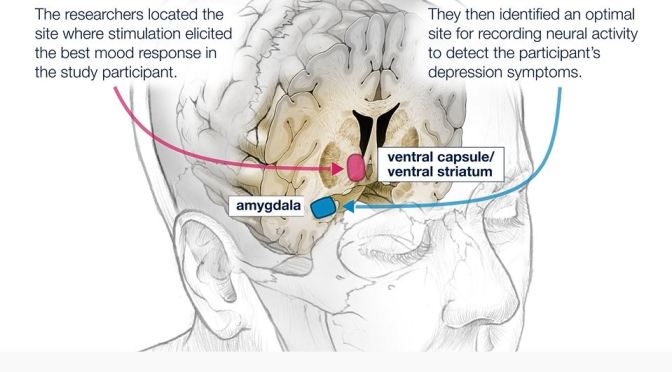
TREATING DEPRESSION: DEEP BRAIN STIMULATION (UCSF)
UCSF Health physicians have successfully treated a patient with severe depression by tapping into the specific brain circuit involved in depressive brain patterns and resetting them using the equivalent of a pacemaker for the brain.
COMMENTARY:
UCSF is my medical alma mater, and I am proud to comment on their info graphic about need-driven deep brain stimulation (DBS). This is not only a good idea, it should spearhead a personalized wave of the future.
Your body’s metabolism is a great balancing act, and needs to be kept on an even keel, to maintain the stability of your internal environment. What is “good” at one time may be deleterious at another.
Good illustrations of this are insulin and thyroid hormone. Both too little and too much is deleterious.
Likewise, the need for DBS varies.. This was recognized by the designers of feedback-driven DBS. The amygdala is overactive when the depressive wave is greatest, triggering the deep brain stimulation. As the depressive wave lightens, the stimulation diminishes or stops.
Engineers are quite attentive to this idea. A similar feedback mechanism is used by implanted heart stimulators, or “ defibrillators“. if the heart slows down excessively, there is stimulation of the atrium to restore the proper rate. If the ventricle is ineffective, and fibrillates, it is given a shock which acts like rebooting your computer.
Chronotherapy, the administration of medication depending upon the time of day, is a kindred idea, illustrated by asthma. Wheezing attacks peak at night, when adrenaline and cortisol ebb, and so should the blood levels of the anti-asthmatic medication, theophylline.
Another illustration is the medication omeprazole, a proton pump inhibitor that reduces stomach acid. Reflux of this acid into the esophagus increases when you are recumbent and sleeping.. The need for the antacid is therefore greatest at night.
It is estimated that the effects of at least 50% of all medications would benefit by attending to the diurnal cycles. If your symptoms cycle with the sun, ask your doctor about your medications.
—Dr. C.
DOCTORS PODCAST: MEDICAL & TELEHEALTH NEWS (OCT 3)
A weekly podcast on the latest medical, science and telehealth news.
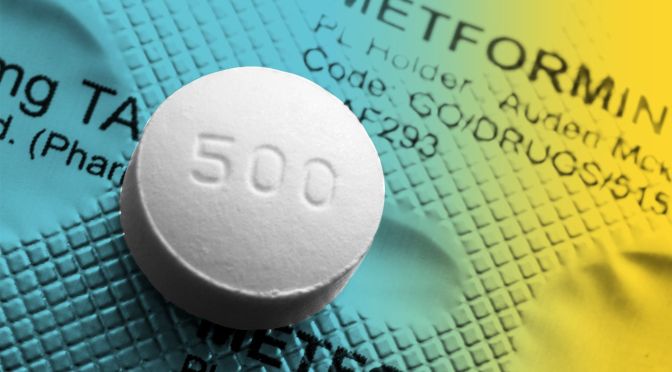
Medicine: Is Metformin A Wonder Drug? (Harvard)
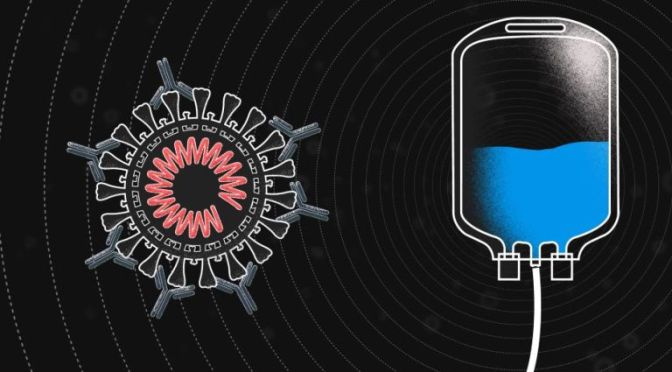
MONOCLONAL ANTIBODIES: HOW THEY ARE SAVING LIVES
Doctors are increasingly turning to monoclonal-antibody drugs to treat high-risk patients who get sick with Covid-19. WSJ takes a look at how the therapies work and why they’re important for saving lives. Illustration: Jacob Reynolds/WSJ
 Doctors Without Waiting Rooms