

An explosion of advances in digital technology, imaging, gene sequencing and AI will likely transform the annual physical into an even more virtual experience https://t.co/nyuH8A6tWB
— The Wall Street Journal (@WSJ) September 6, 2021
Monthly Archives: September 2021
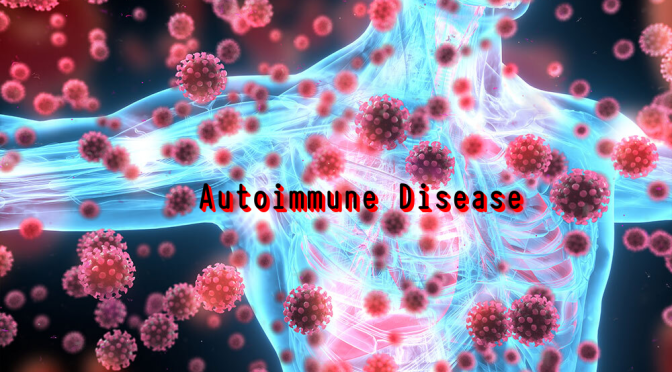
DR. C’S JOURNAL: WHAT IS AUTOIMMUNE DISEASE?
Our immune system contains cells that are part of us, and they evolved to protect us. They generally do a good job of this, as witnessed by our survival in a sea of viruses, microbes, and parasites.
However, just like our police force, occasionally the protective function goes awry and damage is done to our own body, in the protective act. For many years I was a practicing allergist, and observed this protective function misfiring. In allergic rhinitis and allergic asthma, tiny harmless particles in the air are interpreted by the body as a threat. The TH2 immune system, initially evolved to fight parasites, is activated, and causes considerable disease and misery.
Some of the antigenic determinants on the surface of the pollen, animal dander or dust particles are interpreted as being dangerous by the immune system, which causes chronic inflammation with acute allergy attacks.
Autoimmunity is a similar misreading, in which our own cells are deemed dangerous. In this case the immune agency is the more powerful Th-1 system, which often causes crippling or even fatal results.
Millions of people are sickened by an immune system that is supposed to defend them.
An article in the September 2021 issue of the Scientific American lists 76 of these disorders, and classifies them as to frequency, patient gender and age of onset. It is worth reviewing, at least for the listing on page 32 and 33.
Auto immunity must be considered as a possible cause in any illness that is not easily diagnosed, common, and well known to your doctor. Many patients have to be their own advocates, and persist in trying to get themselves diagnosed.
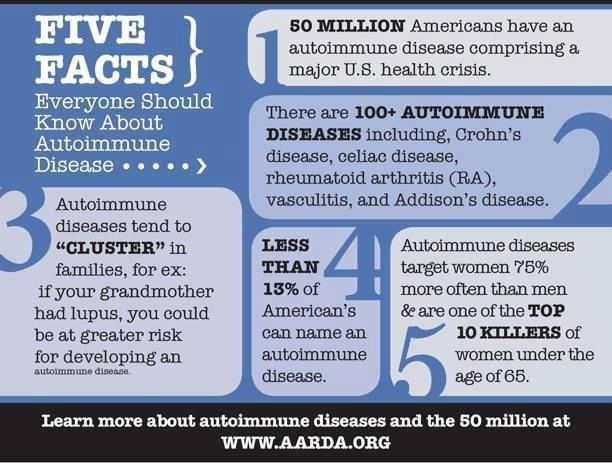
Celiac disease, Lupus, and Addison’s disease come to mind as tricky customers. Although “autoimmune disease” in toto is common, many of the individual diseases occur in less than one in 1000 patients, and are not high on the diagnostic list of most doctors.
The skin, nervous system, endocrine system, and digestive system are the most common areas involved. Recent advances in blood and antibody testing offers to give needed diagnostic help to the medical profession. These illnesses must be detected early to avoid functional loss in the tissues and organs affected.
Treatments are improving. In the past, immune suppressing cancer drugs and cortisone were the main drugs available. With increasing knowledge of the mechanisms of the separate diseases, treatment can be directed towards the specific causative antibody, receptor, or interleukin involved, hopefully with less side effects than the shotgun drugs previously available.
As with medicine in general, these modern treatments are excessively expensive as a rule, because much money and research went into their development. Prevention is obviously preferable. A healthy diet, with its attendant healthy microbiome comes to mind, as well as the avoidance of cigarette smoking and environmental toxins.
Proper sleep, exercise, and stress relief should also be helpful.
—Dr. C.
Read more

DOCTORS PODCAST: MEDICAL & TELEHEALTH NEWS (SEP 4)
A weekly podcast on the latest medical, science and telehealth news.
Viral Infections: Shingles
Overview
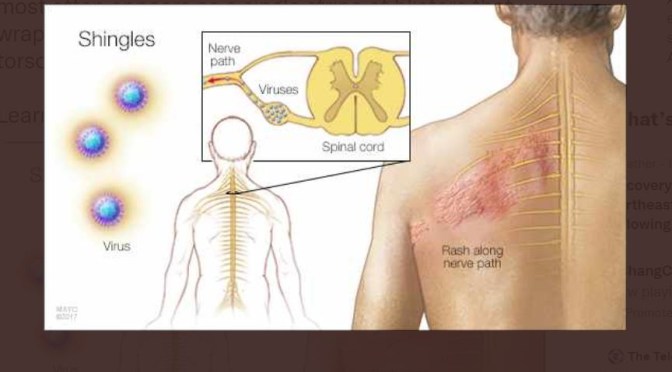
Shingles is a viral infection that causes a painful rash. Although shingles can occur anywhere on your body, it most often appears as a single stripe of blisters that wraps around either the left or the right side of your torso.
Shingles is caused by the varicella-zoster virus — the same virus that causes chickenpox. After you’ve had chickenpox, the virus lies inactive in nerve tissue near your spinal cord and brain. Years later, the virus may reactivate as shingles.
Shingles isn’t a life-threatening condition, but it can be very painful. Vaccines can help reduce the risk of shingles. Early treatment can help shorten a shingles infection and lessen the chance of complications. The most common complication is postherpetic neuralgia, which causes shingles pain for a long time after your blisters have cleared.
HEALTH: DEMENTIA SET TO INCREASE 40% BY 2030 (WHO)
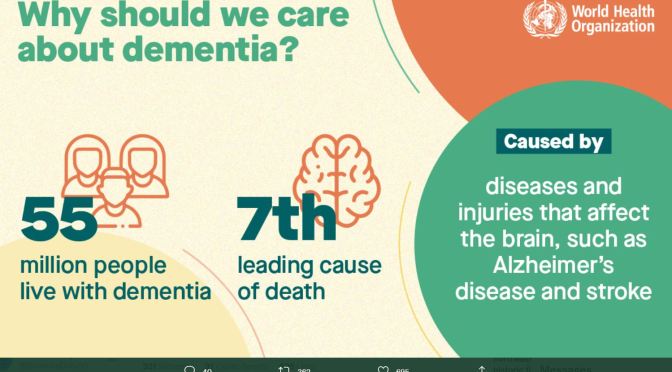
More than 55 million people worldwide are living with dementia, a neurological disorder that robs them of their memory and costs the world $1.3 trillion a year, the World Health Organization (WHO) said on Thursday.
COMMENTARY:
Preventing Dementia by healthful living habits such as good sleep, diet and exercise would certainly save lots of misery and expense, by preventing dementia. These same habits would also go a long way in preventing auto immune disease, diabetes and chronic stress.
–Dr. C
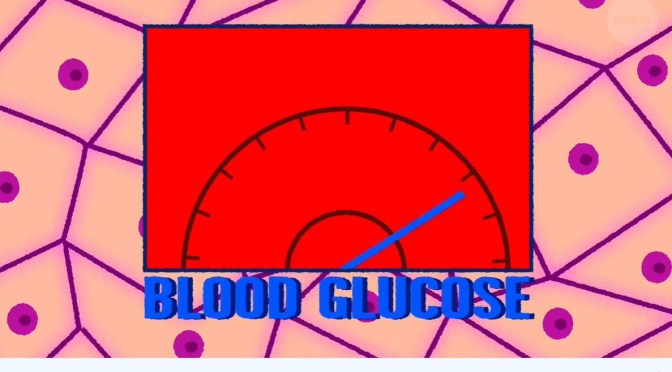
DIABETES: THE ROLE OF INSULIN AND ISLETS (VIDEO)
Type 1 and type 2 diabetes are characterized by increased blood glucose levels. They affect almost half a billion people around the globe, and this number is projected to rise as we reach the middle of the century. In most individuals, blood glucose levels are kept within a healthy range by a hormone called insulin, which is secreted by the pancreas, but this fine-tuned regulation can go wrong in type 1 and type 2 diabetes. In this animation, we lay out our current understanding of these diseases and explore active areas of research that aim to restore the body’s blood glucose control.
 Doctors Without Waiting Rooms