
A weekly podcast on the latest medical, science and telehealth news.
Monthly Archives: August 2021
HEALTH: LOOKING OUT FOR DIVERTICULITIS (HARVARD)
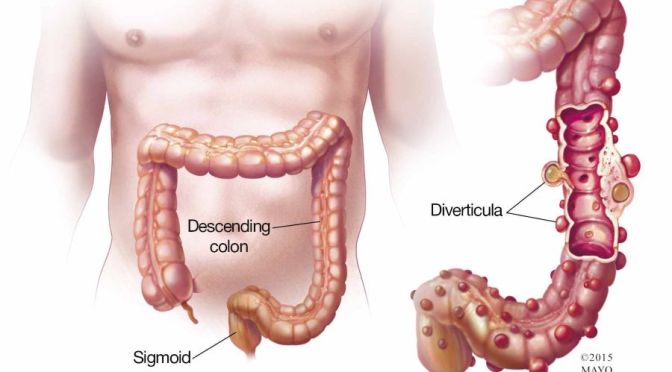
What is diverticulitis?
Diverticulitis arises from a condition called diverticulosis, which occurs when weak areas in the inner wall of the colon bulge outward and form tiny pouches. Many people get diverticulosis as they age. In fact, diverticulosis affects about 58% of US adults over age 60. Getting enough fiber in your diet can help protect against diverticulosis.
Know the signs of diverticulitis
The most common symptoms of diverticulitis are abdominal pain (usually on the lower left side) and fever. The pain is distinct and sharp, and may strike over a few hours. Other symptoms may include a combination of loss of appetite, nausea, vomiting, abdominal bloating and cramping, and not passing gas or stool.
A mild case of diverticulitis that causes only minimal pain in the lower abdomen can resolve on its own within a day or two. However, you should seek immediate medical attention if your symptoms are not going away or you are feeling worse, such as having increasing pain, fever, bloody stools, or abdominal bloating with vomiting.
Treatment depends on whether you have uncomplicated or complicated diverticulitis. Your doctor can determine this by using a combination of blood tests and imaging studies, such as a CT scan.
How is uncomplicated diverticulitis treated?
As the name implies, uncomplicated diverticulitis is the less serious of the two. It means that the inflammation or infection is confined to one section of the colon, and that there is no evidence of complicating factors.
Uncomplicated diverticulitis is typically treated at home with oral antibiotics. You’ll also be prescribed “bowel rest” for a few days, which often includes a clear liquid diet. This gives your bowel a chance to rest and heal, and may reduce pain. Additionally, you’ll follow a low-fiber diet (about 10 to 15 grams of fiber a day) until your symptoms improve.
Some people may need to be hospitalized to receive intravenous (IV) antibiotics. A hospital stay is more likely if you’re 65 or older or have other medical conditions, such as heart disease, diabetes, or chronic obstructive pulmonary disease.
People usually begin to feel improvement from treatment after about three days. If you feel well enough and the symptoms have subsided, you can gradually resume your regular diet.
If symptoms haven’t responded to antibiotics after a week, you probably will undergo CT scans and other tests to see if you have complicated diverticulitis.
How is complicated diverticulitis treated?
Complicated diverticulitis means you have a specific complication that requires a longer course of IV antibiotics, and possibly surgery.
Pope Francis had scarring in a segment of colon where he previously had diverticulitis, which had caused a narrowing in the colon called stenosis. In a case like this, the unhealthy part of the colon is removed, and the remaining colon is then reconnected.
Other types of complications that may occur during an active diverticulitis infection include:
- Abscess. A diverticular abscess is a collection of pus (a fluid that can form at the site of infection) outside of the intestinal wall. If the abscess doesn’t get better with antibiotics, a doctor will need to drain the pus using a needle, under guidance through images on a CT scan.
- Perforation. Diverticulitis can cause a hole in the colon that allows bowel contents to spill into the abdominal cavity. If you have a perforation, your abdomen may feel tender to touch, hard, or enlarged. Surgery repairs the hole. Sometimes part of the colon around the hole must be removed.
- Fistula. A fistula is an abnormal connection between the inflamed and infected segment of the colon and adjacent organs, such as other parts of the intestine or the bladder. Surgery consists of colon resection and removing the fistula.
Can diverticulitis be prevented?
Eating a high-fiber diet and managing stress may lower the risk of developing pouches in the colon known as diverticula. So it makes sense that these lifestyle interventions might help make diverticulitis less likely to occur. However, once you have diverticulosis, there is no proven way to prevent one of the diverticula from becoming infected or inflamed.
COVID-19: WHAT TO KNOW ABOUT BOOSTER SHOTS
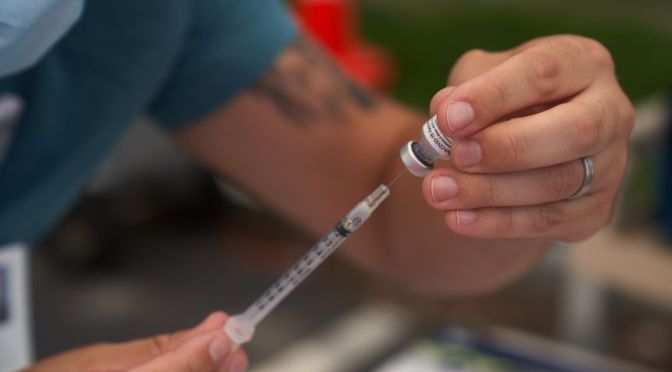
The Biden administration announced that Americans who have been fully vaccinated with a two-dose regimen against Covid-19 should receive a booster, citing the threat from the highly contagious Delta variant. WSJ breaks down what you need to know. Photo: Kamil Krzaczynski/Reuters

HARVARD STUDY: VITAMIN D LOWERS THE RISK OF YOUNG-ONSET COLORECTAL CANCER
COMMENTARY:
Vitamin D has many beneficial effects, but my comments will be restricted to the effect of vitamin D on cancer.
Interest in this association was started by the observation that certain cancers are less common near the equator, where there is more sunlight exposure, and therefore more natural vitamin D generation in your skin.
The most information on cancer in humans Is available on colorectal, breast, prostate, and pancreatic cancer. Colorectal cancer, highlighted DWW our posting, is the only cancer that apparently is affected by vitamin D.
Several studies have suggested that vitamin D can decrease cancer cell growth, stimulate cell death, and reduce cancer blood vessel formation. Increasing cell death, or apoptosis, is what interests me the most, since this is one of the factors which increases inflammation in aging.
The infographics stated that only 300 international units of vitamin D is necessary to produce a 50 Percent reduction in cancer, and that a healthy diet generally supplies this.
I personally take 5000 international units vitamin D. This produces a blood level of about 60 ng/mL, and what the NFL recommends to keep their players healthy, and well within the maximum recommended level of 120 ng/milliliter.
Excessive vitamin D can produce an elevated calcium blood level, and mine is within normal limits. I take the higher dose because of vitamin D’s other effects, such is benefiting the immune system in a time of Conid-19.
I suggest that you get a vitamin D blood level, and also a calcium blood level if you elect to take more of this useful vitamin.
–Dr. C
Hypothyroidism: TSH Test First, Then Hormone Test
DOCTORS PODCAST: MEDICAL & TELEHEALTH NEWS (AUG 14)
A weekly podcast on the latest medical, science and telehealth news.
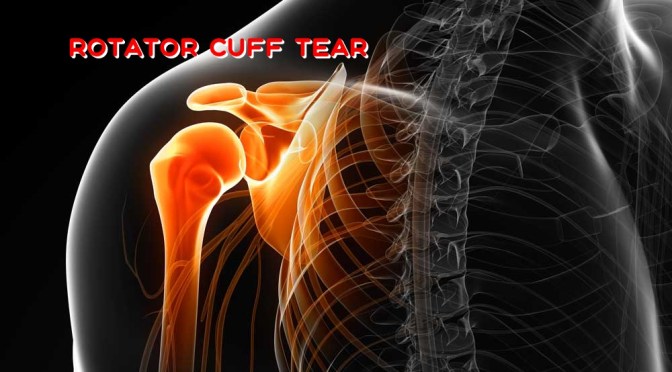
Medicine: Mayo Clinic Research Speeds Rotator Cuff Tear Healing Period
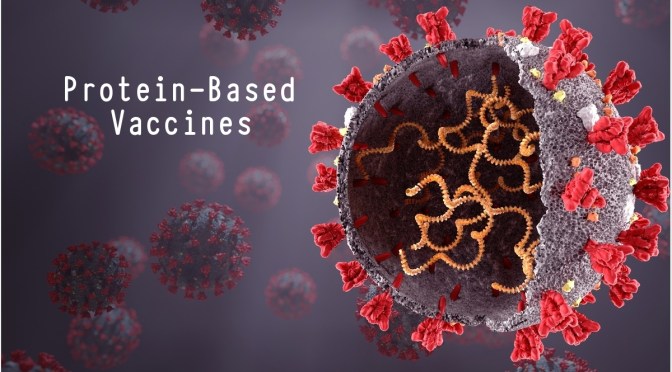
DR. C’S JOURNAL: PROTEIN-BASED MEDICATIONS
Proteins, the very structure of life itself, are currently being understood with increasing precision. This will undoubtedly lead to a new generation of medications useful in treating a wide variety of diseases. Such proteins could be coded by DNA or RNA, and churned out by veritable protein factories, yeasts.
This could drastically lower the cost of such medications, which are more stable than RNA, allowing easier distribution and storage. DNA and RNA advances are currently getting all the press, with CRSPR advances in manipulating their structure. Indeed, the RNA vaccines by Moderna and Pfizer have been a rapidly deployed life saver with the COVID-19 epidemic. Correction of genetic disease is also possible in rare instances, if only one gene causes the disease.
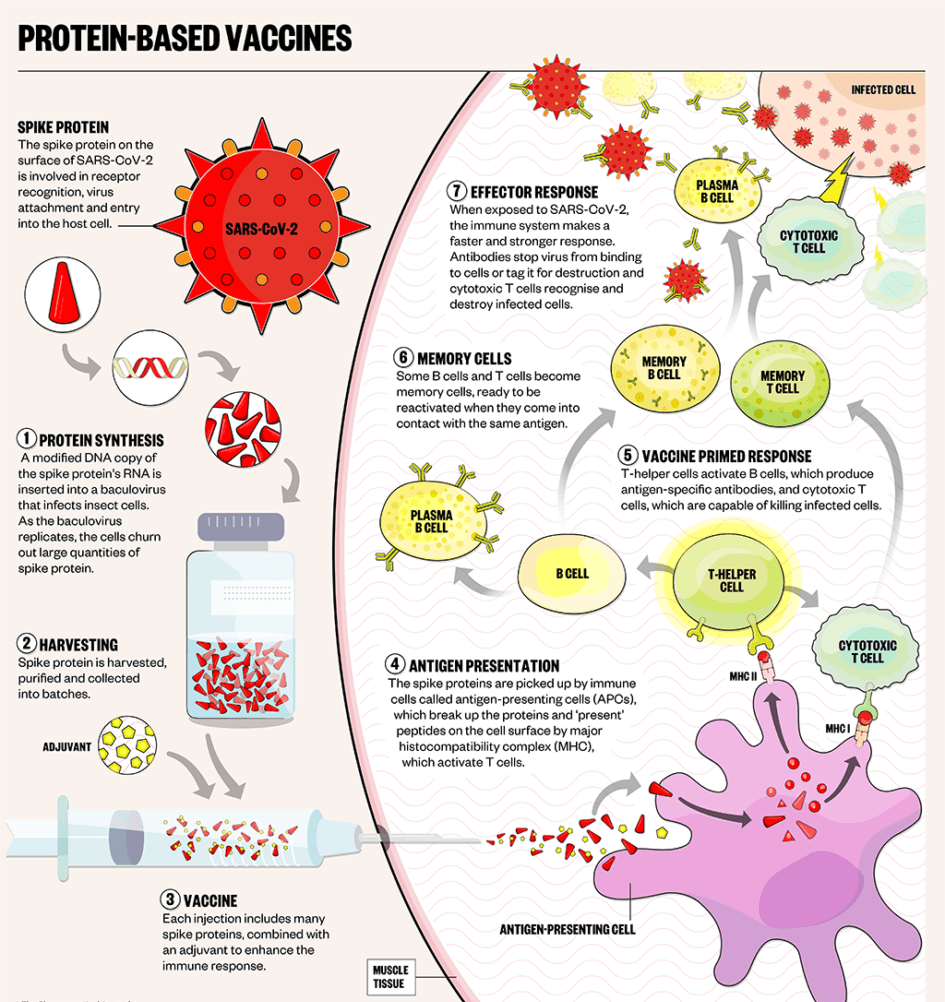
PROTEINS, the result of DNA and RNA activity, form the basis of a vast array of signaling molecules, offering many possible treatments of disease.
The reason why advances in protein chemistry has been slow, is that protein is a very large molecule that exercises its effects by its three dimensional structure.This is formed by the loops,foldings, twists, and bunchings of its amino acid string. A molecule’s three-dimensional structure is very expensive to determine at the present time,
Encouraging scientists to attempt predicting the structure by knowing the electric charges and other sticky characteristics of different parts of that amino acid string. Recently, artificial intelligence has come to the rescue, and the field is advancing rapidly.
Novel vaccines are being developed, using small protein pieces of the COVID-19 antibody combining site. Pieces of proteins are being designed that can stick to that antibody combining side and prevent it from attaching. Novel signaling blockers, or even agonists, are looking increasingly possible.
I thought you would like to know about this little island of optimism in the midst of all the gloom. My interest in PROTEINOMICS was fueled by an excellent article in the Scientific American July 2021 issue, by science journalist Rowan Jacobson, who presents the story in a very interesting fashion. I would very much recommend the reading of this article.
–Dr. C
THE DOCTORS 101 CHRONIC SYMPTOMS & CONDITIONS #49: KYPHOSIS (ROUNDBACK)
Older people are more susceptible to kyphosis. Osteoporosis is a risk factor, so it is no surprise that women are affected more frequently. This rounding tendency of the thoracic spine can be measured on a lateral x-ray of the spine in terms of degrees; 20 to 40° is considered normal. The angle increases with age, and almost half of older people have an angle more than 40°.
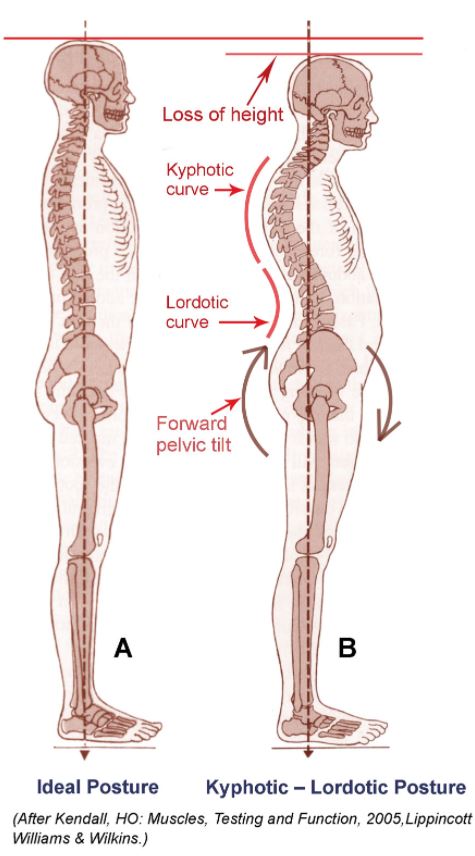
Children can also get kyphosis-Scheuermann’s disease-during the rapidly growing years. Kyphosis occurs when the normally block-like vertebrae become wedge shaped, with the narrow part towards the front.
Causes of kyphosis include fractures, with or without osteoporosis, disc degeneration, cancer and cancer treatment. Tuberculosis of the bone used to be a common cause of hunchbacks, but this is no longer a problem.
Kyphosis can produce breathing problems by putting pressure on the lungs, increase digestive problems such as GERD, or compress spinal nerves causing pain.
At the age of 89, I have a problem with kyphosis. At the age of 30, one of my thoracic vertebrae sustained a wedge compression fracture, probably from jumping off a wall or something similarly stupid.
I continually have to fight foreword slouching when I walk, and remind myself to stand up straight, and throw my shoulders back. My neck arthritis makes it difficult to look up when I walk.
I also do angle push-ups to strengthen my back muscles. I have a friend who has severe kyphosis, and recently had an orthopedic operation to correct it. I am hopeful that this operation will relieve his sense of shortness of breath and reduce his GERD.
Treatment includes taking vitamin D and calcium, or other medicines for osteoporosis. Smoking should be avoided, and alcohol limited. There are a number of exercises that are recommended, some of which I have mentioned.
Please refer to the following Mayo clinic article for more information.
—Dr. C.
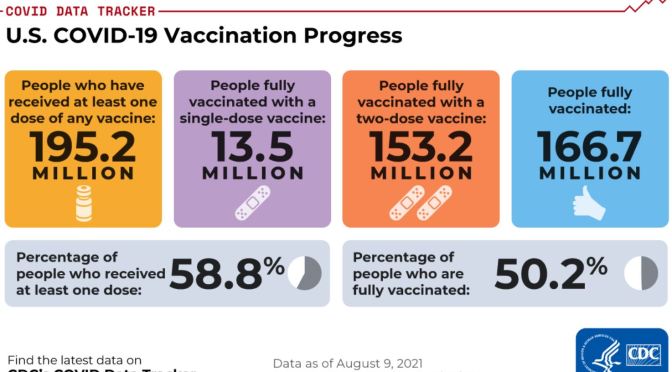
COVID-19 INFOGRAPHIC: U.S. VACCINATION RATES & STATES HOSPITALIZATIONS (AUG 9)
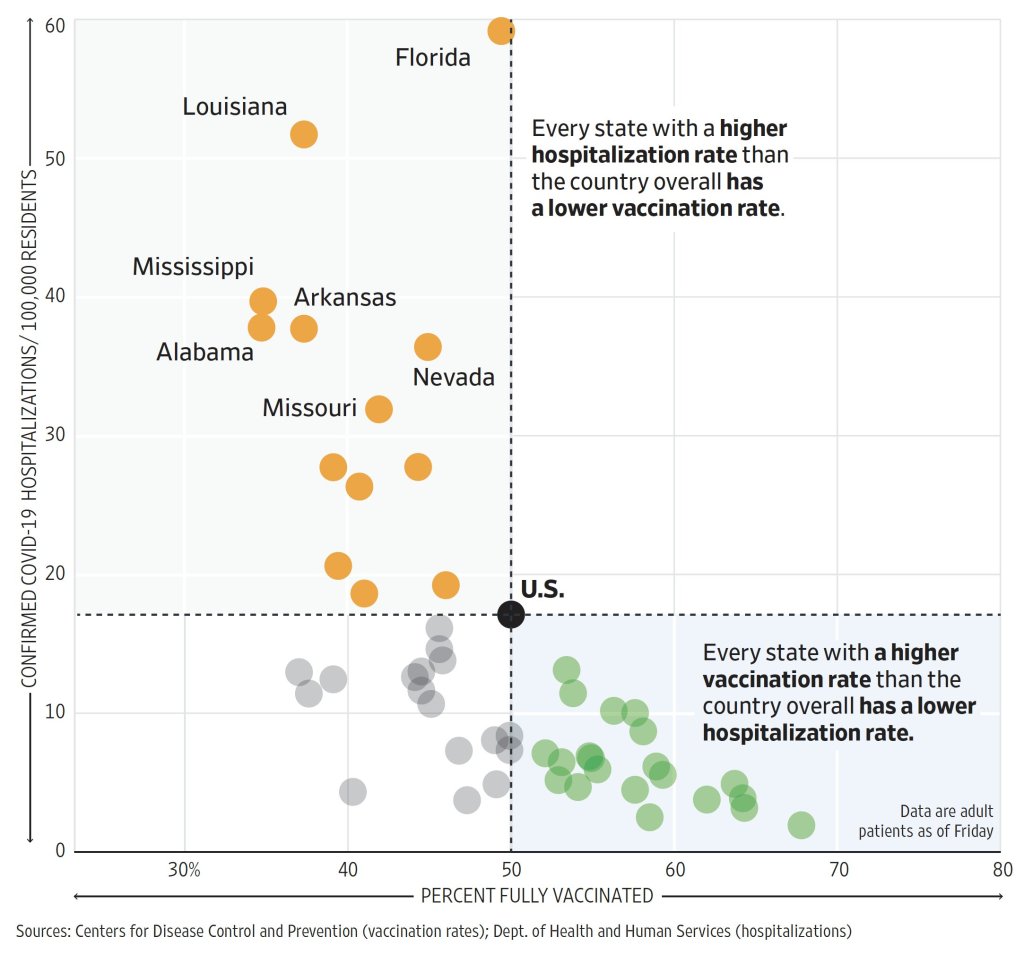
Highly Vaccinated States Keep Worst Covid-19 Outcomes in Check as Delta Spreads, WSJ Analysis Shows
 Doctors Without Waiting Rooms