THE DOCTORS 101 CHRONIC SYMPTOMS AND CONDITIONS #27: DELIRIUM

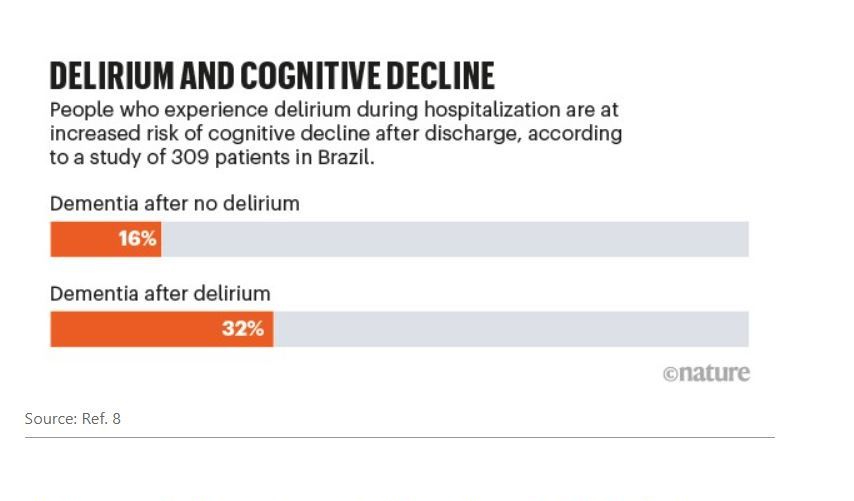
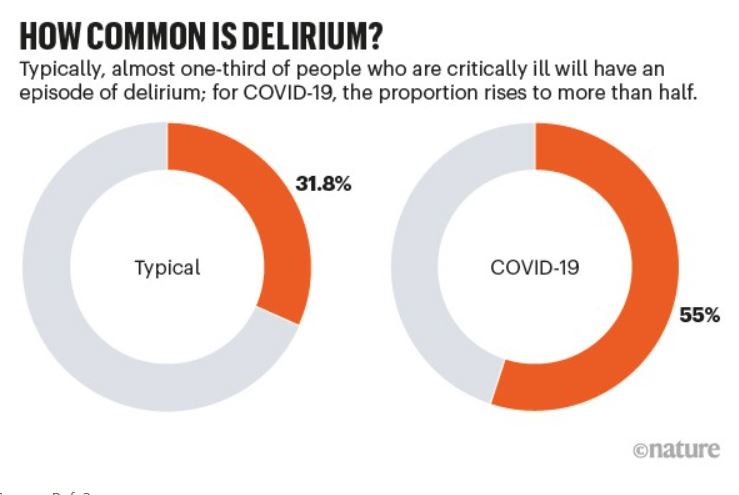
DELIRIUM is a rapidly-developing TEMPORARY DEMENTIA in response to almost any trauma, infection or stress, usually in a hospital setting, with its restrictive, isolating and disorienting environment.
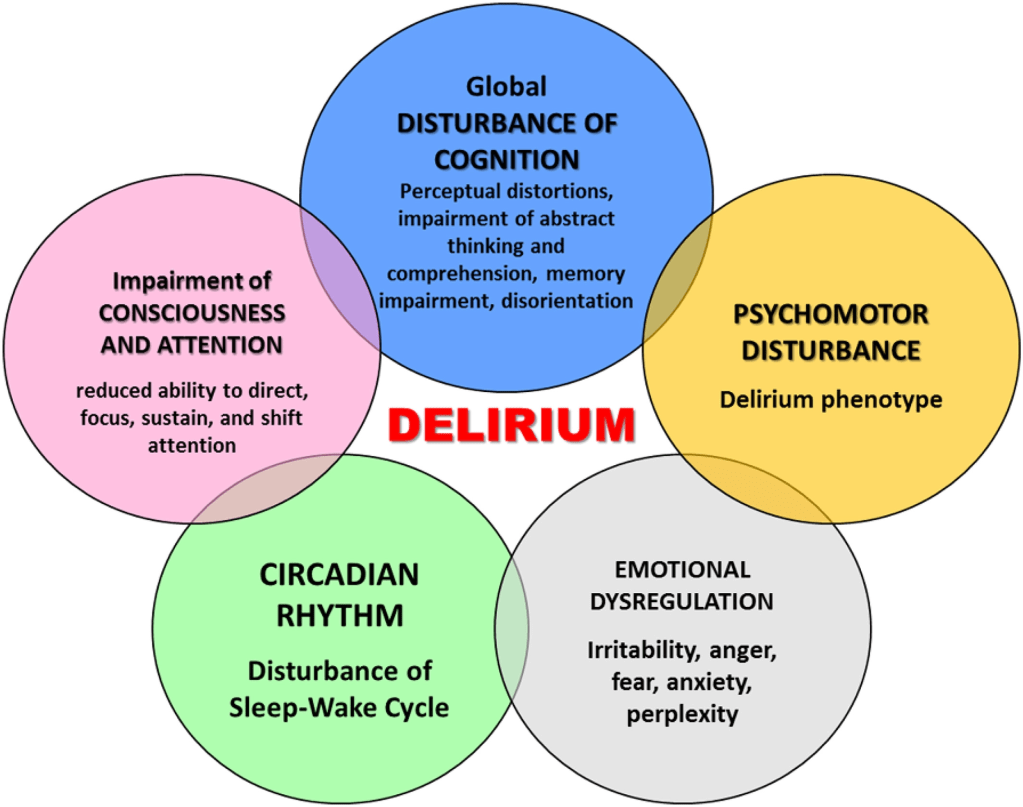
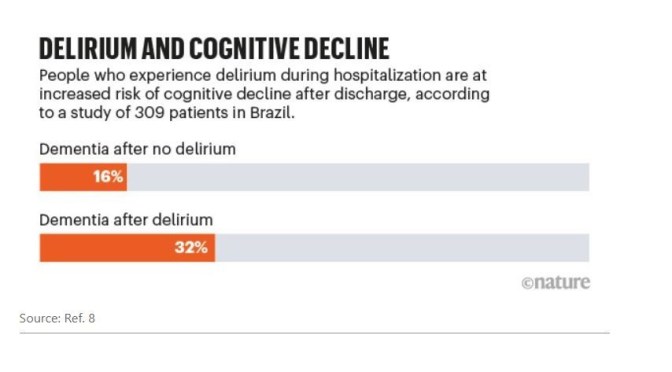
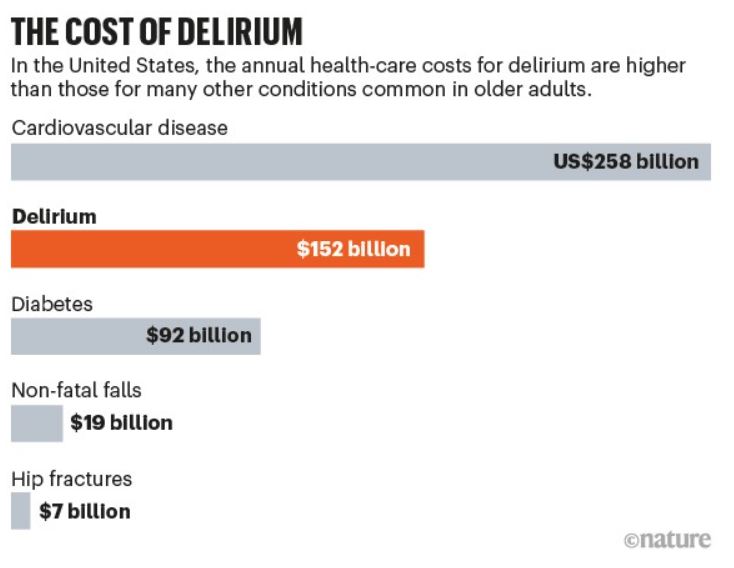
I had little appreciation of the frequency or economic hazard of Delirium before I encountered this infographic. I knew little about the causative mechanisms, and after reading about it, I still don’t know what is going on. But I do know one thing; I don’t want to become delirious and risk its ominous outcome. To improve my odds, I want to keep myself as healthy as possible.

To prevent loss of focus, cognition and memory, challenge the Brain as much as possible. To prevent or restrain infection, support the immune system with a healthy diet. To combat sleep disturbances, practice Sleep Hygiene. To maintain adequate oxygen and nutrient delivery to the Brain, support a healthy cardiovascular-pulmonary system with regular aerobic exercise.

These preventative steps will also postpone the FRAILTY on which delirium feeds. This fuzziness, which afflicts most conditions with PSYCHIATRIC OVERTONES, should not be surprising, since the human Brain, the location of Delirium, is the most complex entity in the known universe.

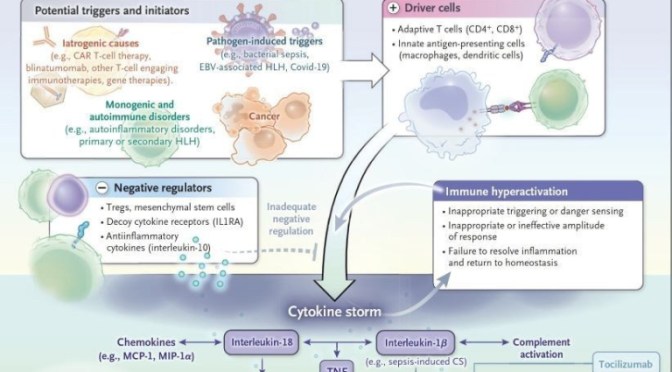
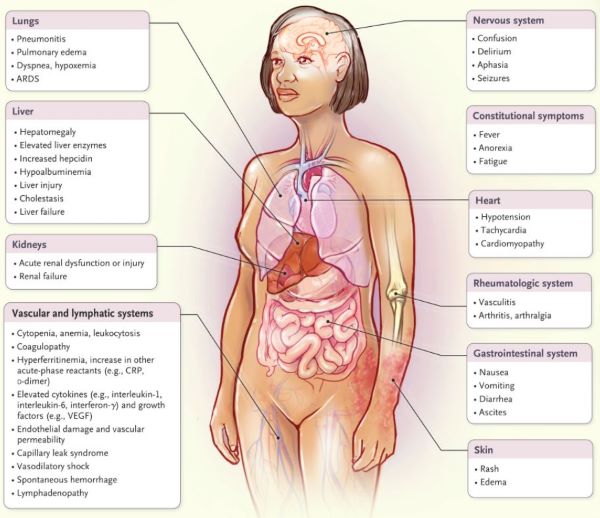
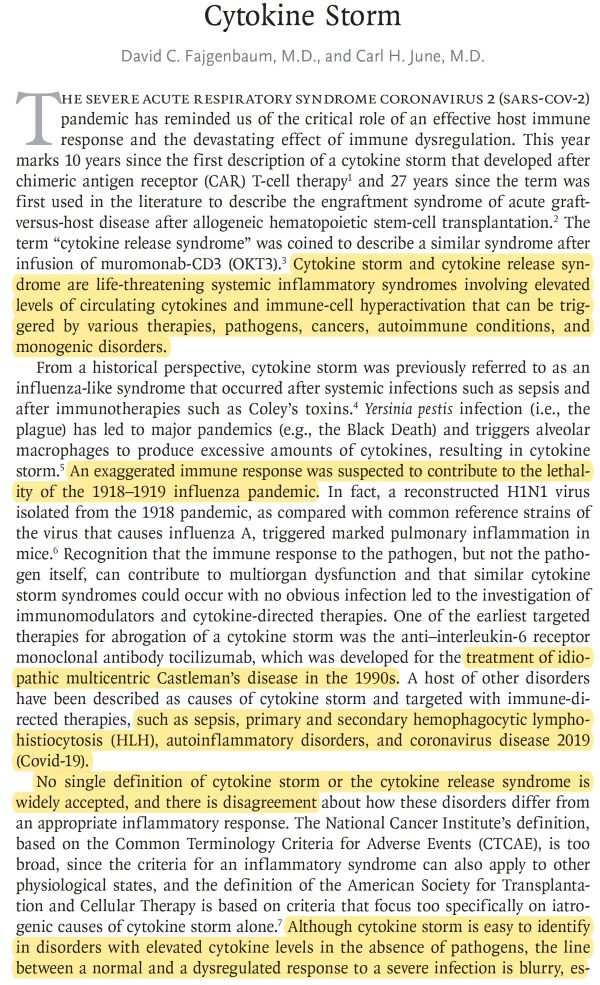
Medical Knowledge of Delirium is still at the descriptive stage, even though it has been a feature of human life since Ancient times. Causation? Excess or Deficiency of most neurotransmitters have been described. To paraphrase “cytokine storm”, which can incidentally cause Delirium, one could call the condition a “neurotransmitter storm”.

Treatment? If the Delirious Patient is on a Psychotropic medication, try stopping it. If not taking such medication, try starting it. The only universal green light is Good general supportive care with IV fluids, oxygen, nutrition, and psychological support, with gentle, regular attention. Please read the accompanying Mayo Clinic article for a more conventional discussion.
–Dr. C.

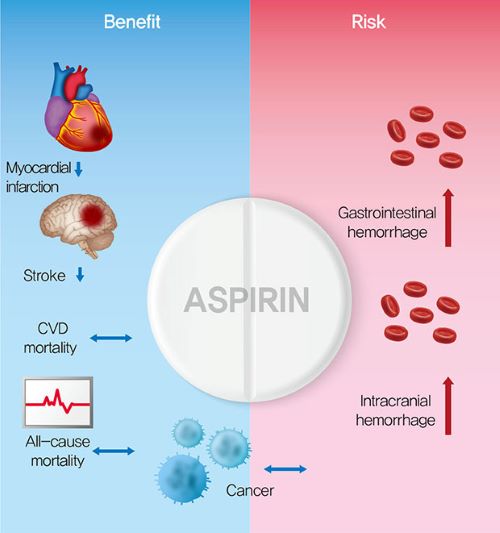
DR. C’S MEDICINE CABINET: Benefits & Risks Of ‘Aspirin’

Aspirin (acetylsalicylic acid) was one of the first medicines constructed, or synthesized, in a chemical laboratory. After 40 years ( medical progress wasn’t too fast in the 19th Century), Bayer investigated it as an alternative to Salicylates, which had been used since antiquity in the form of Willow bark for medical treatment, especially of FEVER and PAIN relief.

It is an understatement to say that it was successful. After almost another century, in 1982, a nobel prize was awarded for the discovery of its mode of action. Its multiplicity of effects, some of them bad, are only now becoming appreciated. My practice in medicine was in Allergic diseases, and I treated many people with nasal, sinus and asthmatic diseases.

It became apparent that, in certain people, aspirin could worsen all 3 conditions, and rhinitis (with Polyps), sinusitis and asthma became known as “Samter’s Triad”, or simply ASPIRIN DISEASE. Believe it or not, the condition can be helped by “aspirin desensitization”, where the Patient was started on tiny doses of aspirin by mouth, which over a period of hours was gradually increased to a normal dose.

I would not try this at home. I sent my patients to a specialized medical center for treatment, Other undesirable effects induce bleeding disorders, stomach ulcers, and, in children, a very serious disease called Reye’s syndrome. The latter is so serious that aspirin is not often given to children; except when it is needed, such as in a condition called Kawasaki’s Disease, where it is very helpful.

I mention these details to counteract the blase attitude created by long use. No longer does the doctor say “Take an aspirin and call me in the morning”. For a long while, low-dose Aspirin was used in most Patients with coronary artery disease, as a method of preventing sudden clot formation. I took 65 mg. Of aspirin for years, even though I had no narrowing of my arteries.

Now it is found that aspirin can cause an excess of Hemorrhagic stroke, and it is not recommended in my age group and risk profile. Aspirin is a powerful medication with a wide variety of effects. Most of its beneficial effects have safer alternatives. Acetaminophen- Tylenol- is now used in place of Aspirin for Pain and fever relief. I suggest not using aspirin unless prescribed by a Doctor.

–Dr. C